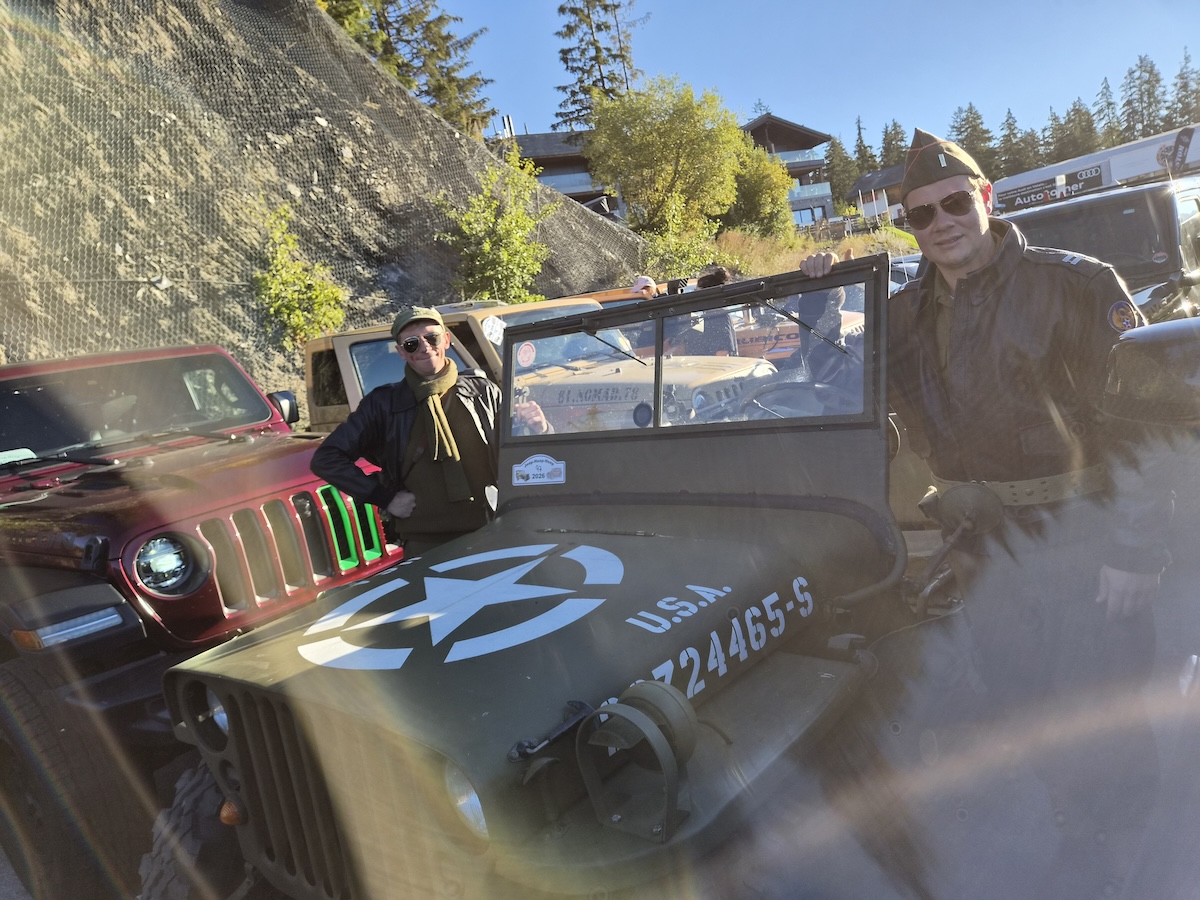
Jeep Heep Heep 2026 in Crans-Montana: On September 26 and 27, hundreds of Jeep drivers gathered in Valais for the 28th Swiss Jeep Meet. Amid Willys, CJs, Cherokees, and Wranglers, the new all-electric Jeep Compass 4xe also made its Swiss off-road debut. It’s a pretty good place to understand what makes the Jeep community tick—and why new models don’t automatically have an easy time winning it over.
There are probably easier places to unveil a new electric Jeep. You could put it on a stage, set the lighting just right, write “375 PS” on the wall, and then let a few journalists drive it along a carefully selected route.
Or you could drive it to the Jeep Heep Heep in Crans-Montana.
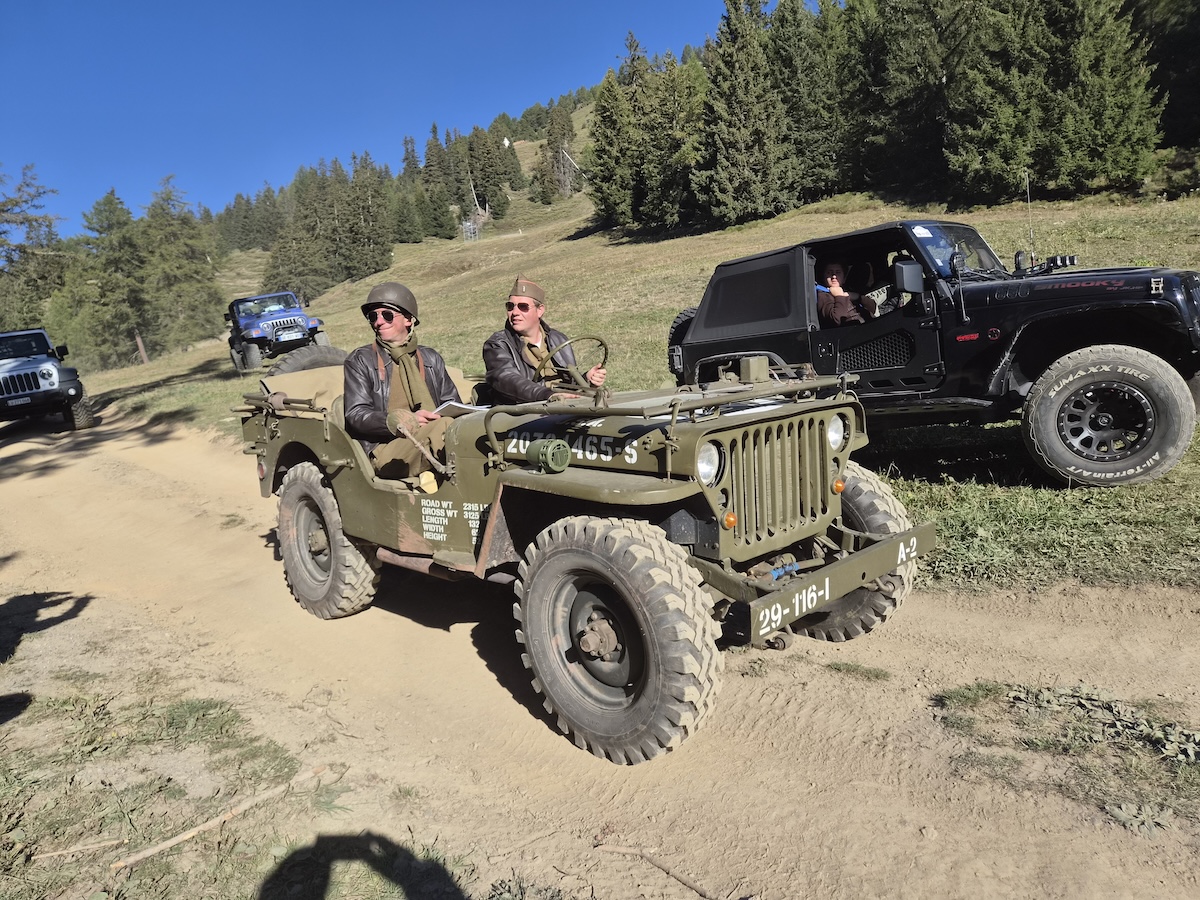
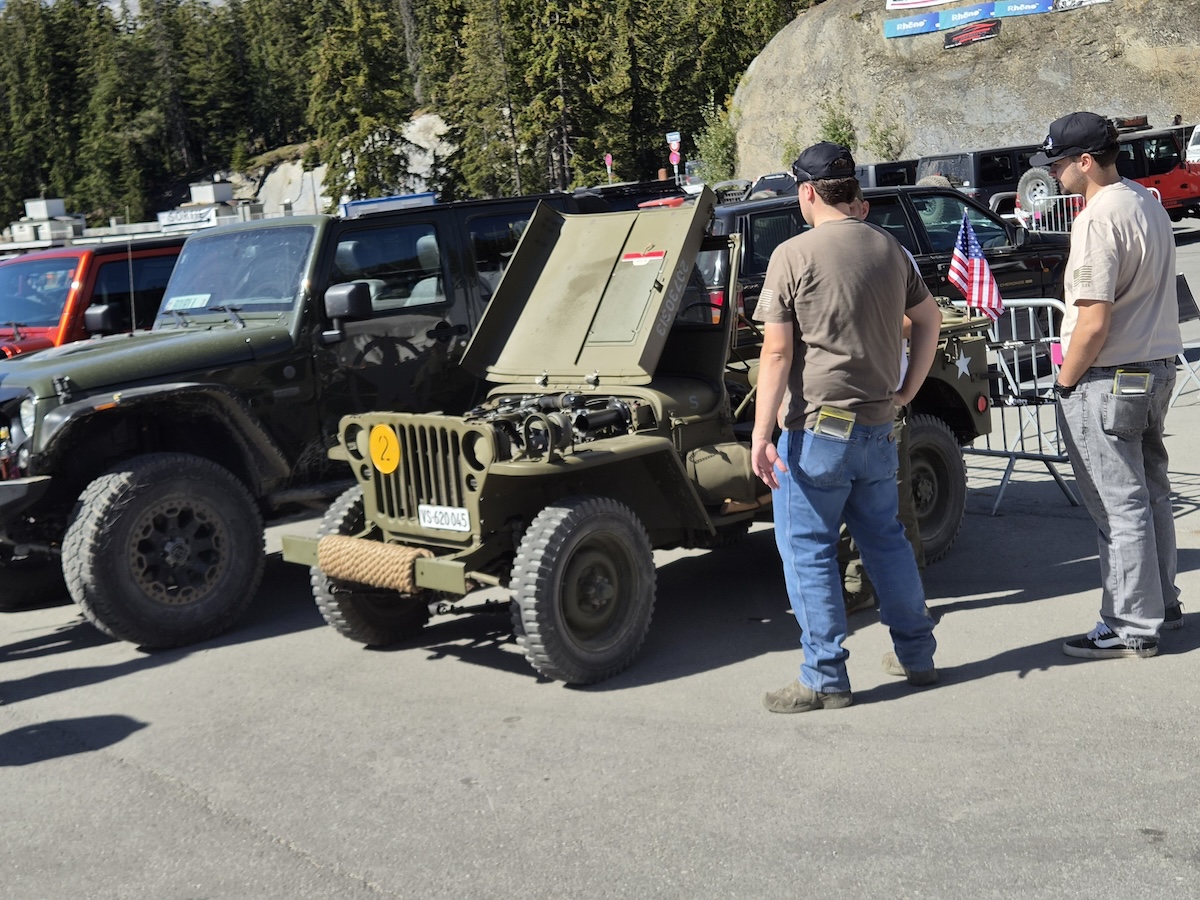
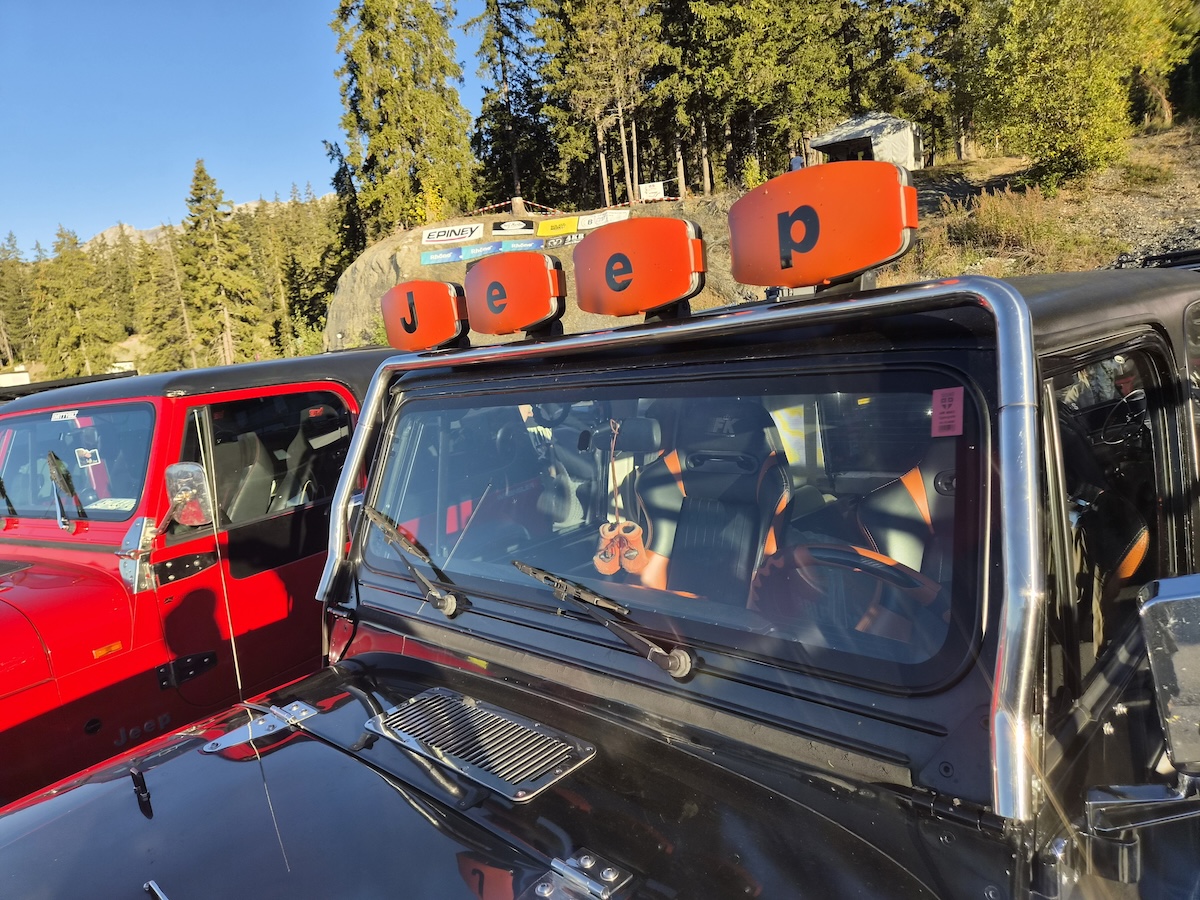
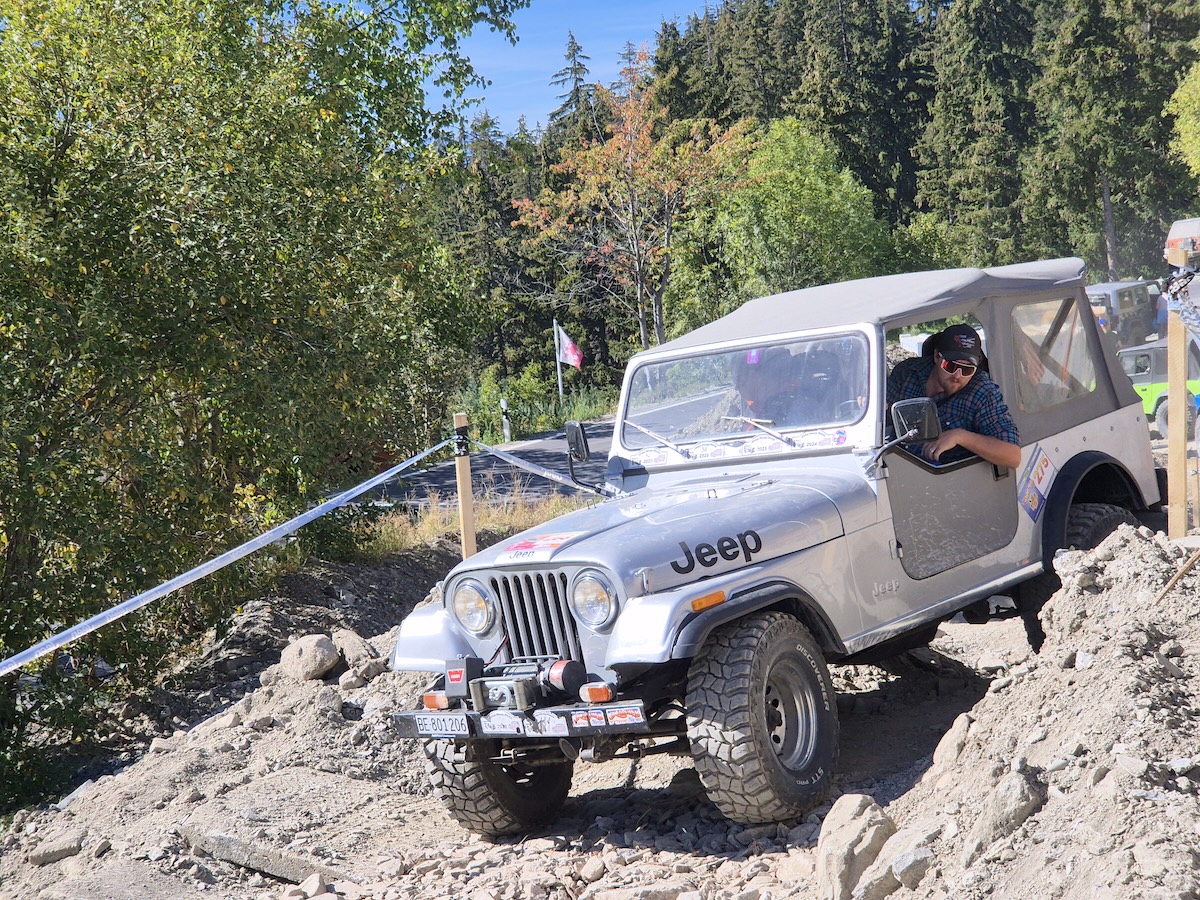
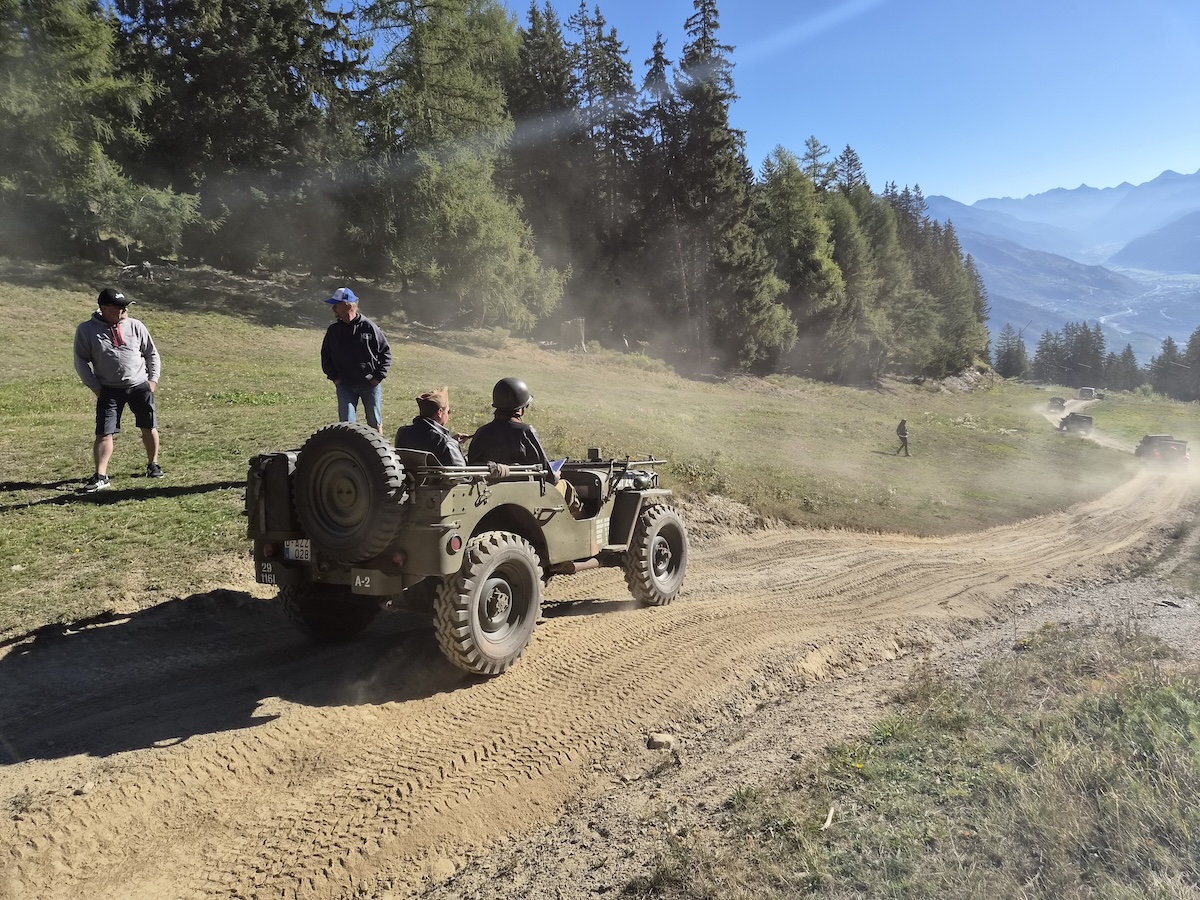
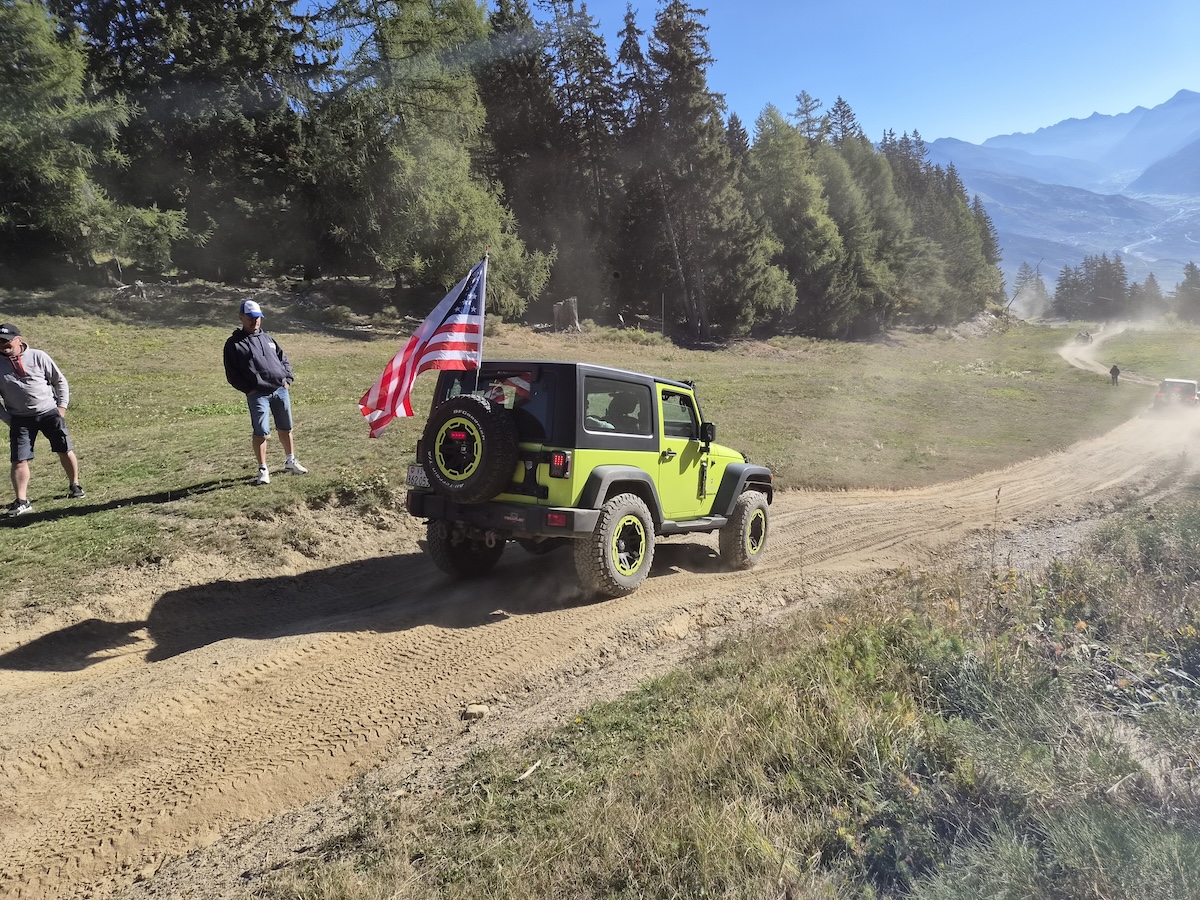
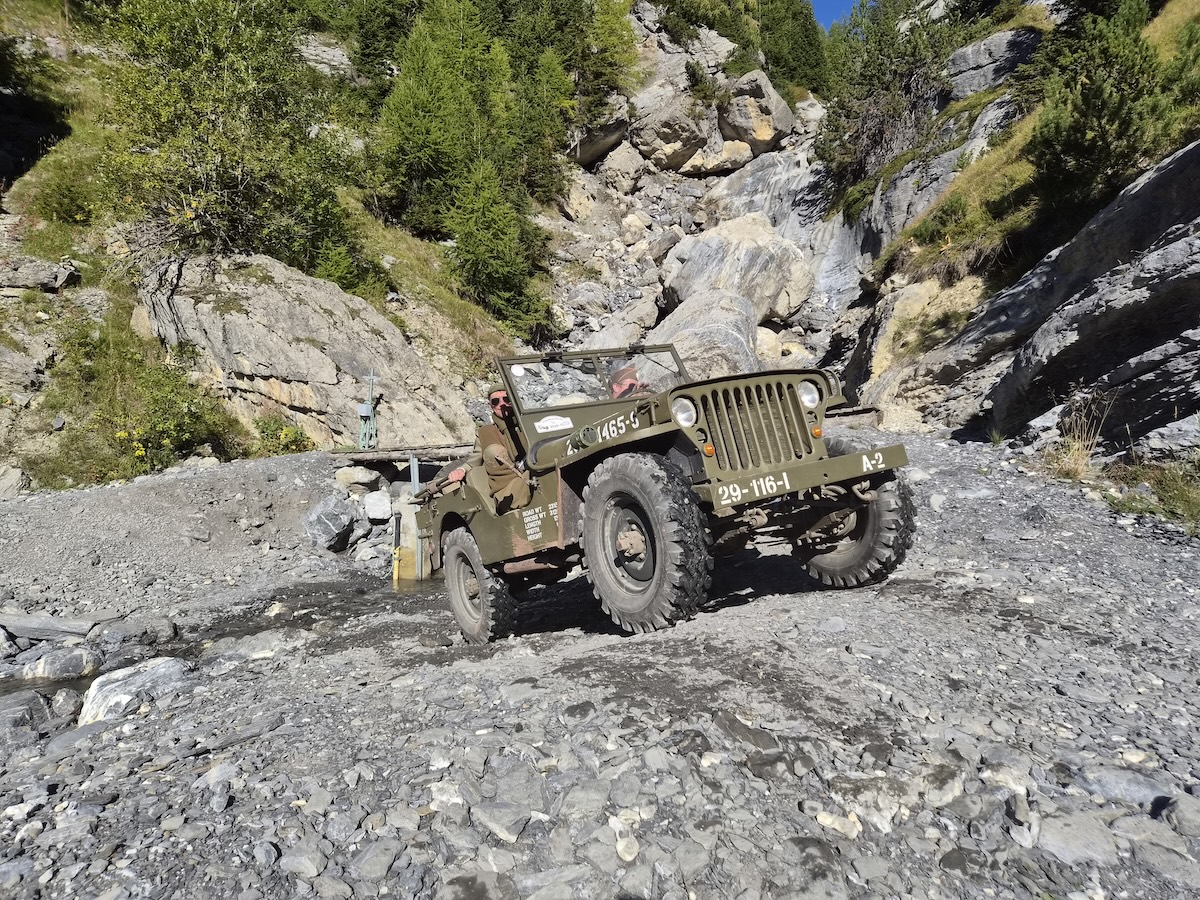
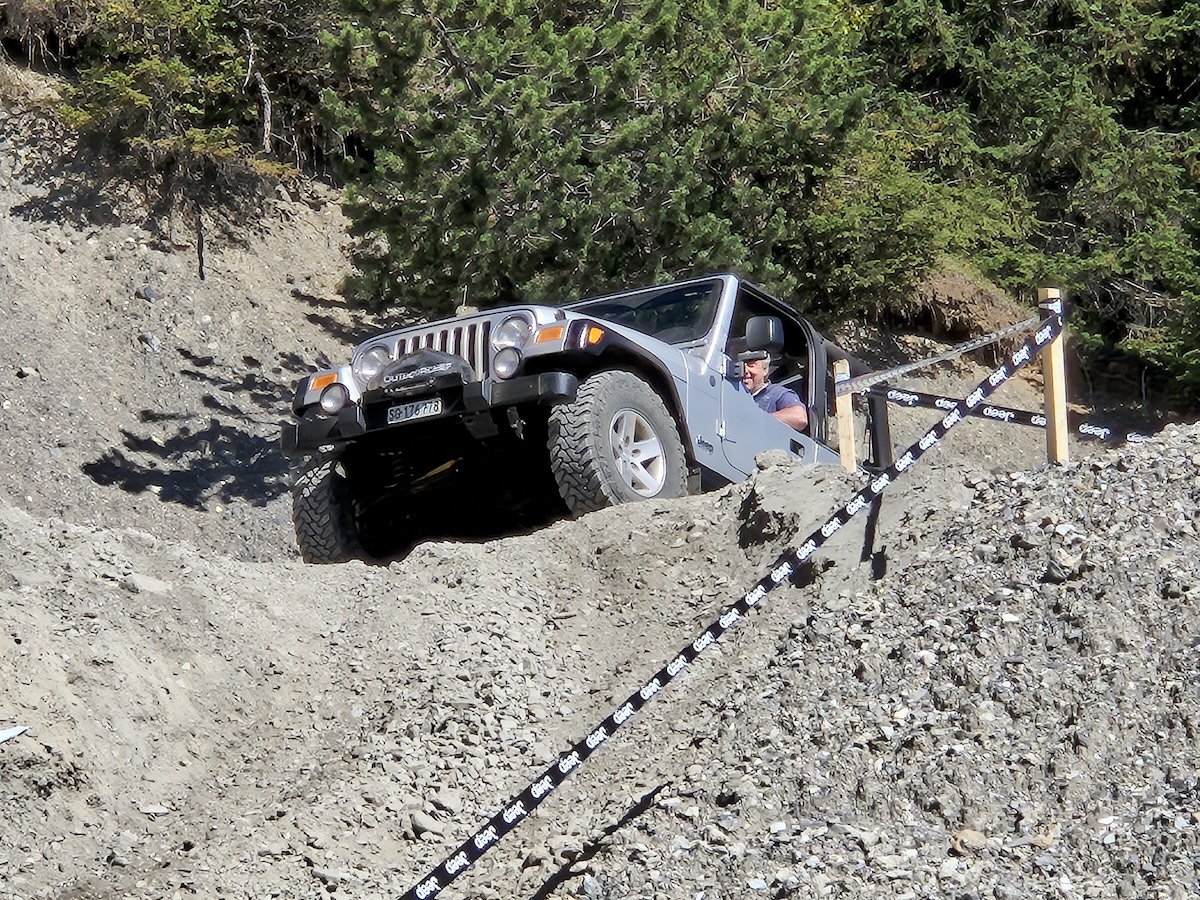
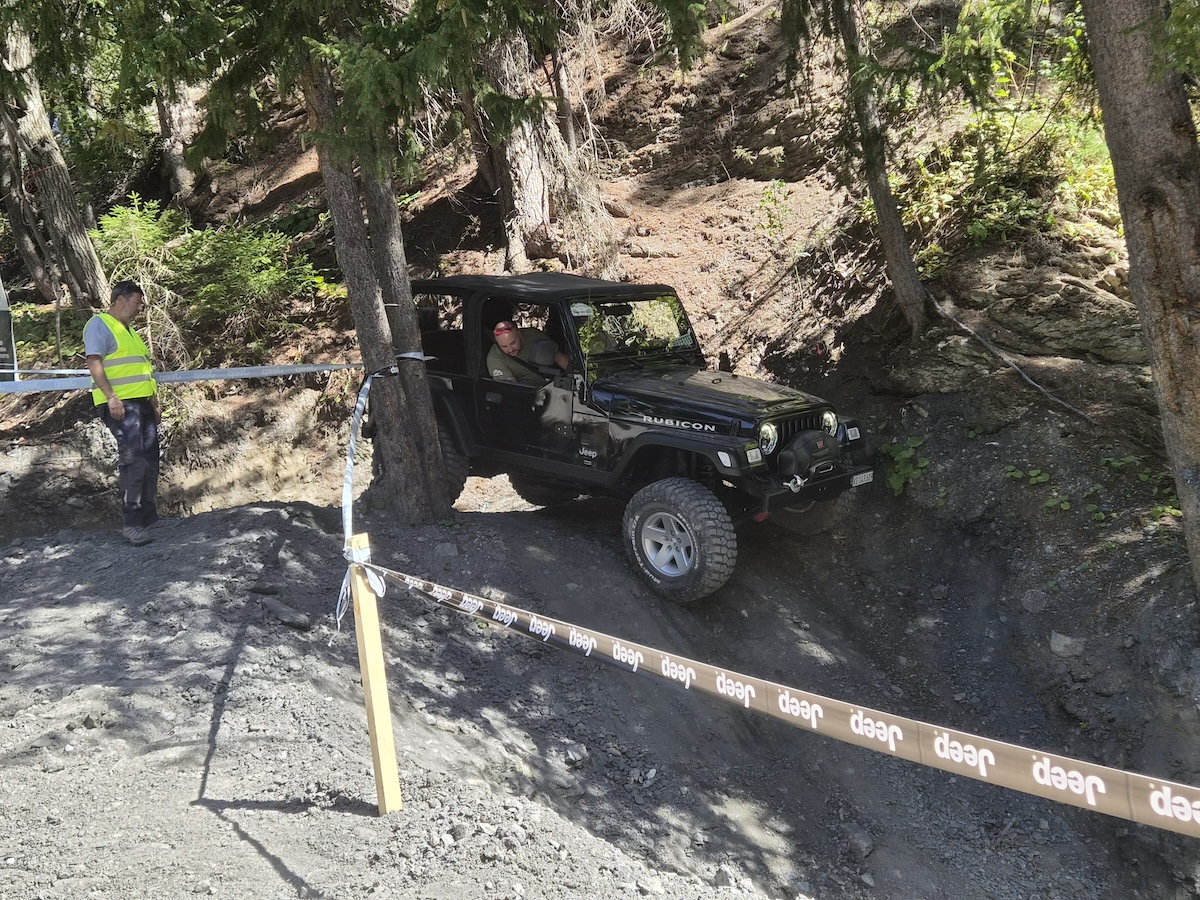
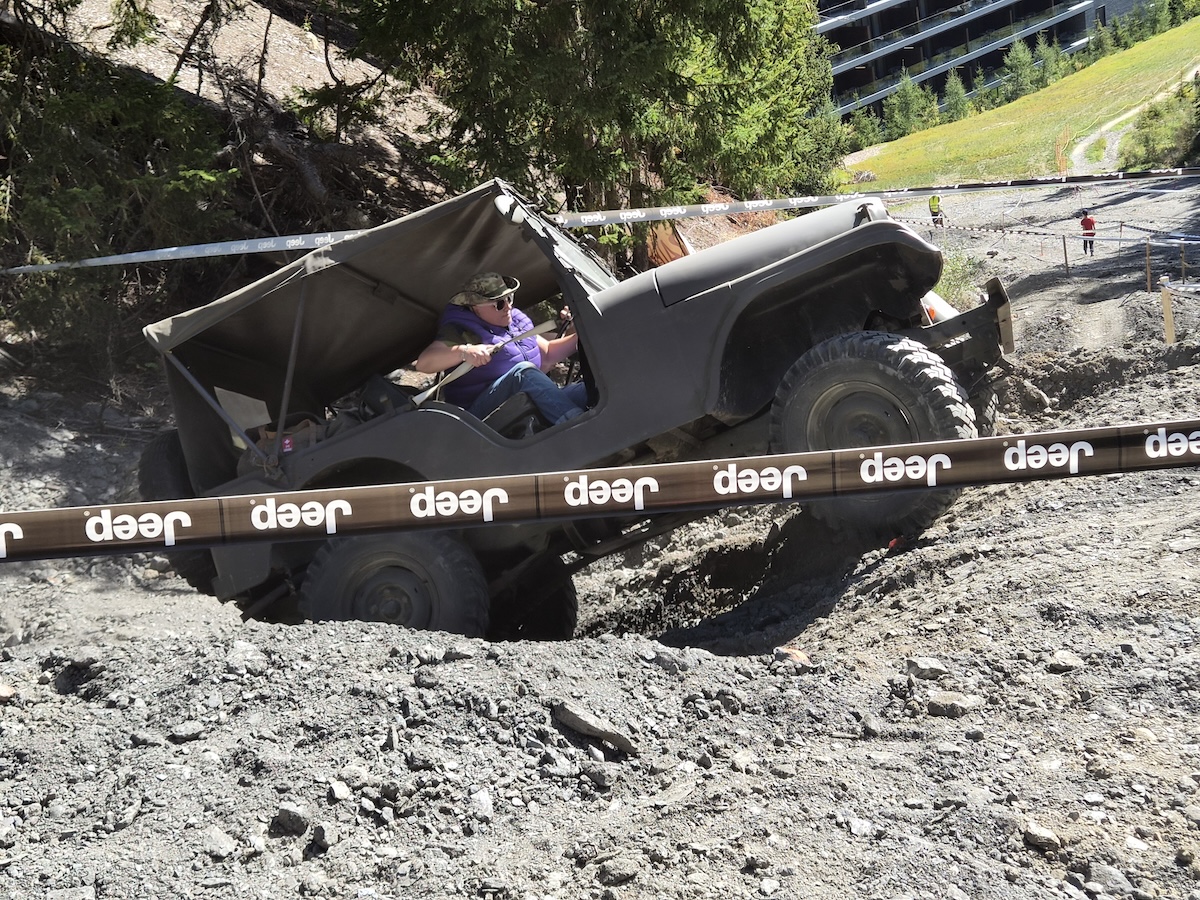
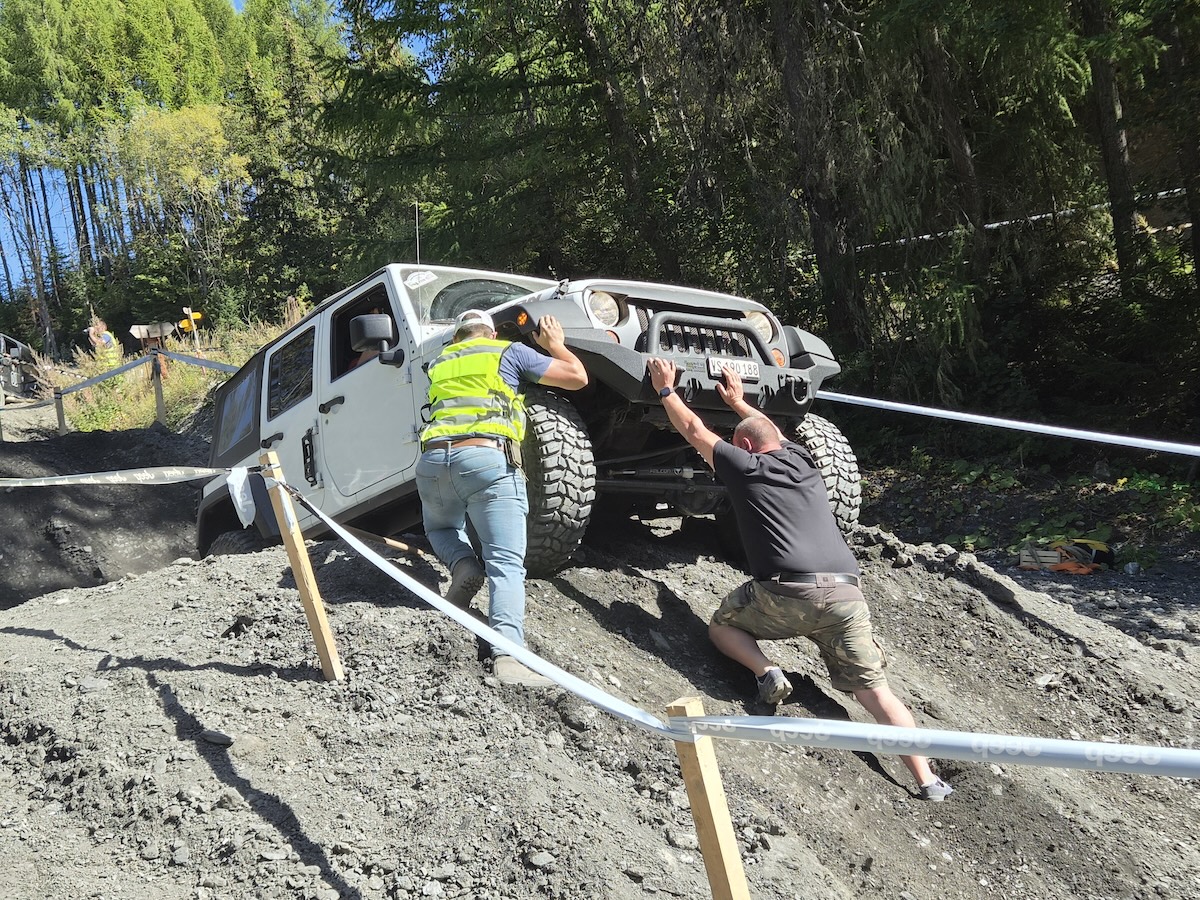
To the place where hundreds of Jeep drivers show up with vehicles, some of which are older than their owners. Where Willys, CJs, Cherokees, and Wranglers aren’t just sitting around because someone curated a heritage exhibition, but because their owners still drive them. Where originals stand side by side with wild custom builds, and quite a few people have a pretty clear idea of what a Jeep is—and what it isn’t.
That’s exactly where Jeep has unveiled the new all-electric Compass 4xe. What’s more: they took it off-road. Bold. But somehow also typical Jeep.
Jeep Heep Heep 2026: The Key Facts at a Glance
- What: 28th Jeep Heep Heep
- When: September 26 and 27, 2026
- Where: Crans-Montana, Valais, Switzerland
- Who: Hundreds of Jeep drivers from Switzerland and neighboring countries
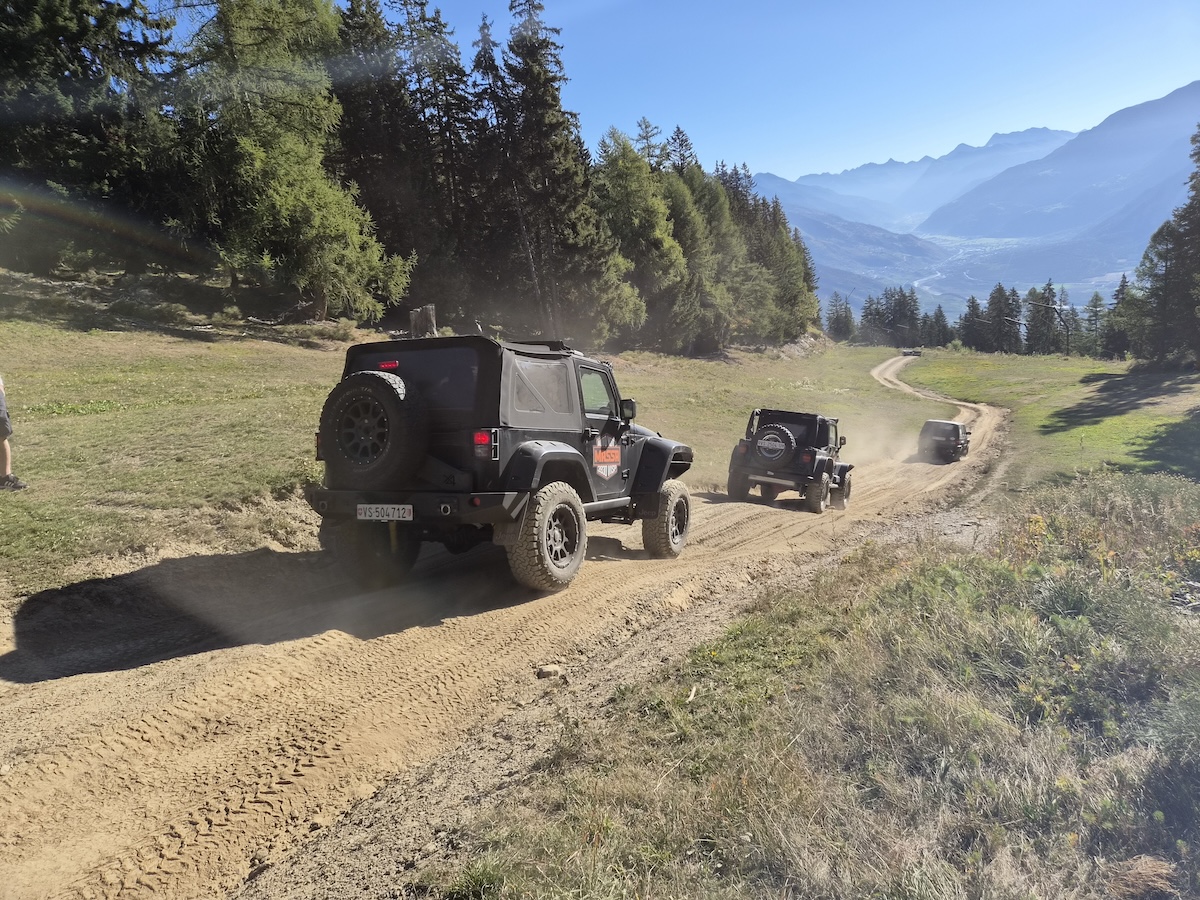
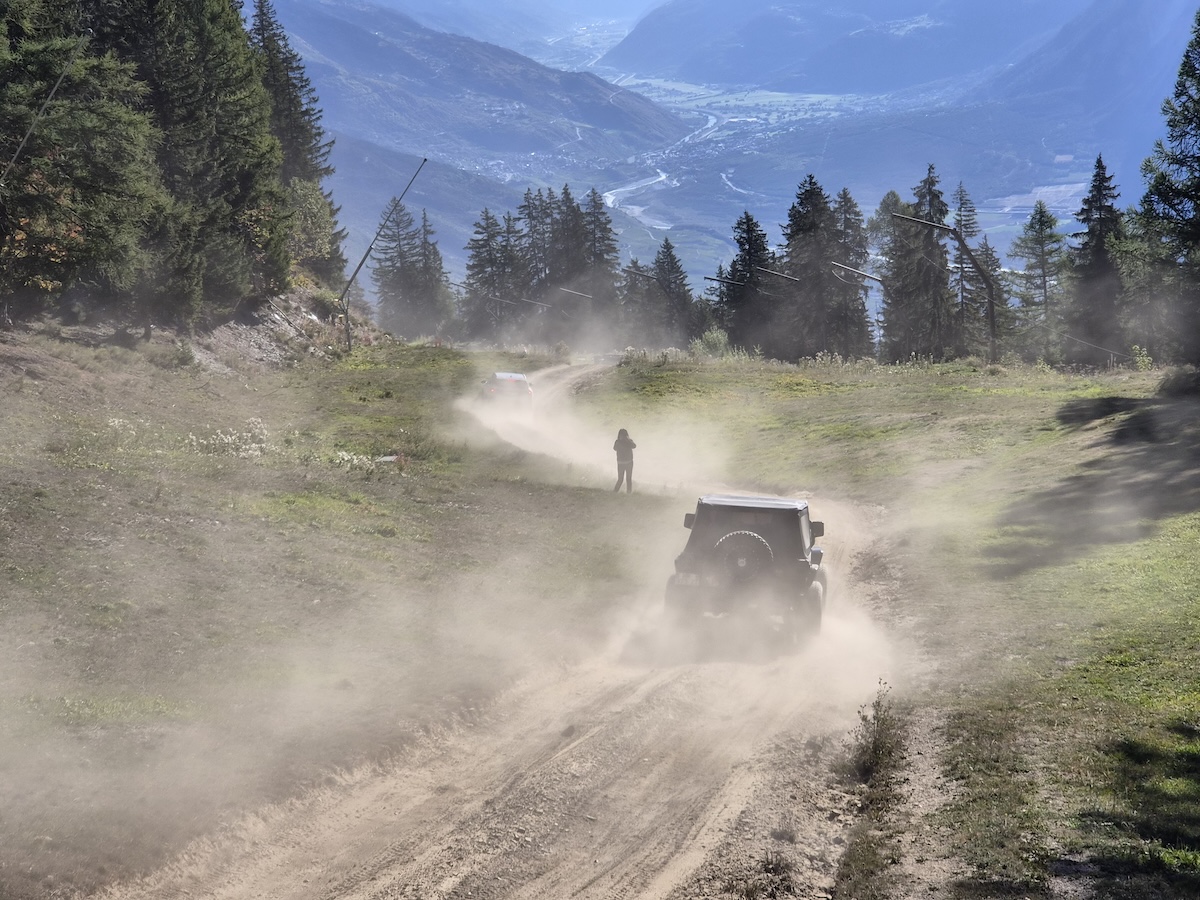
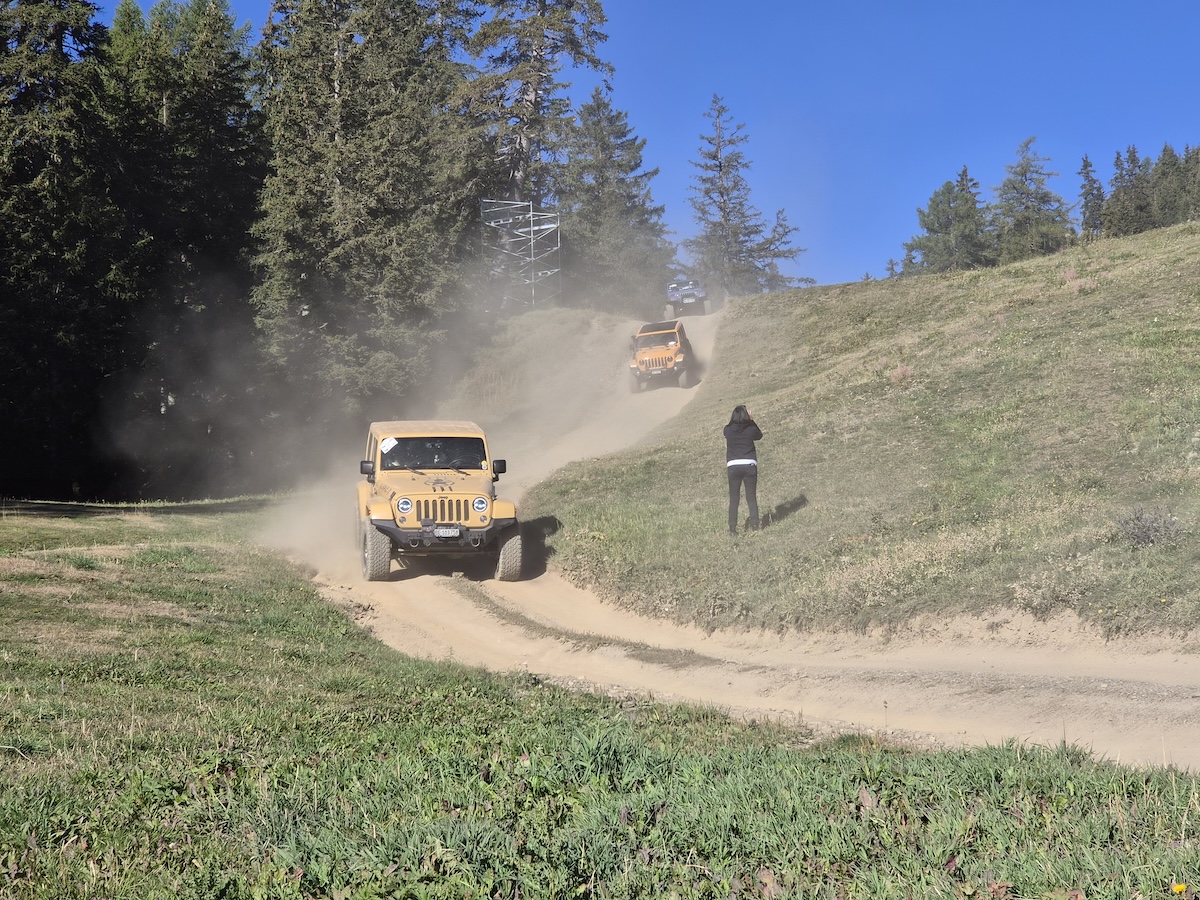
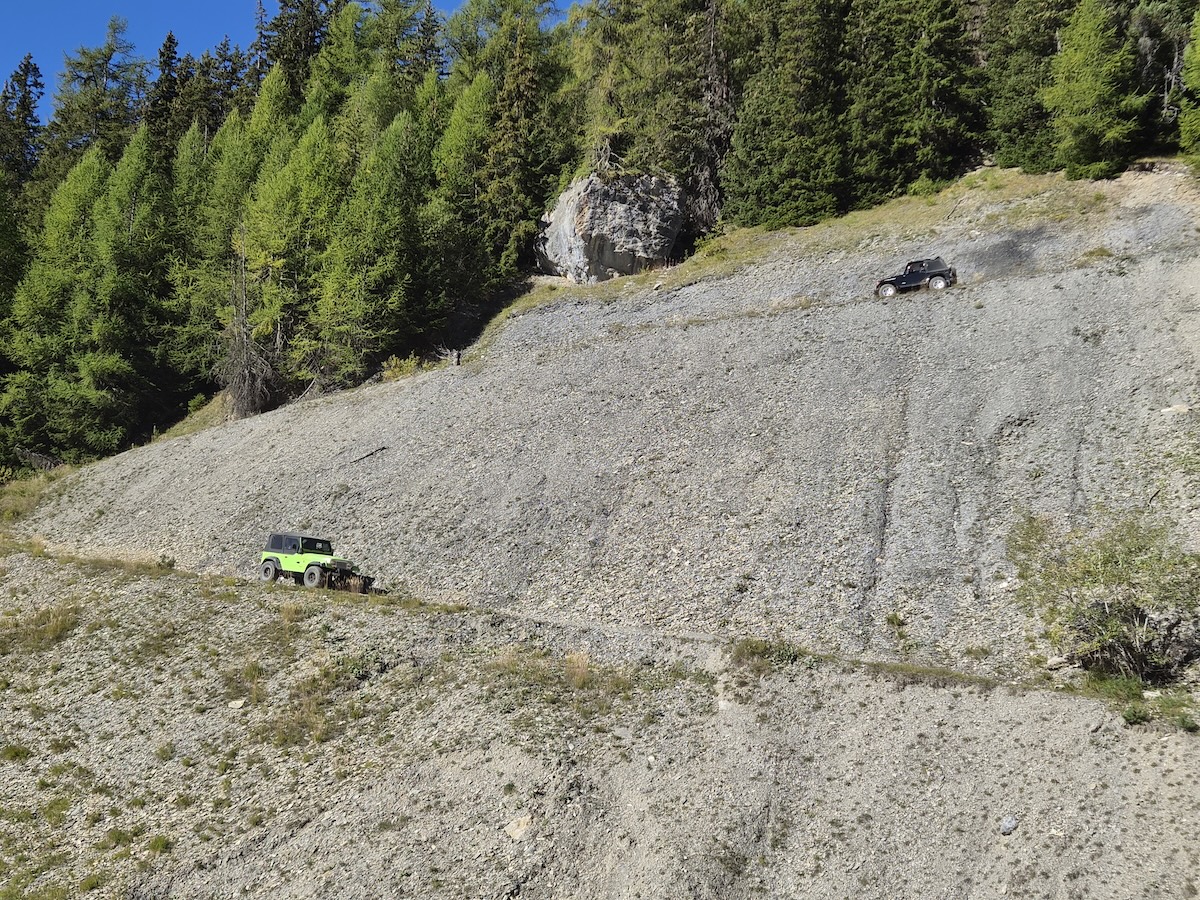
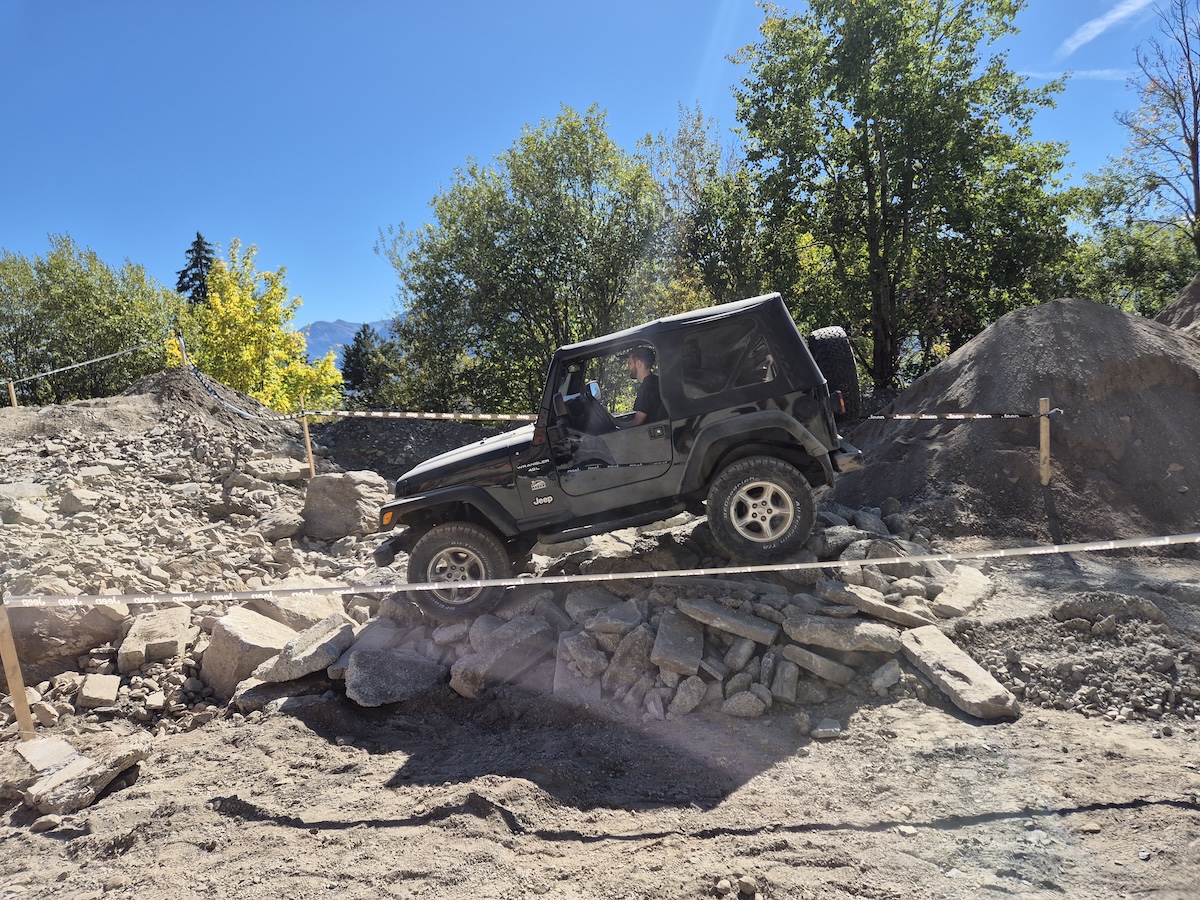
- Saturday: About 25 kilometers of off-road driving with off-road sections, steep ascents and descents, a gravel pit, and a canyon
- Sunday: Traditional Jeep parade through Crans-Montana
- Premiere: First off-road outing of the new all-electric Jeep Compass 4xe in Switzerland
Cars get old. But a good Jeep community never does.
Once again, hundreds of Jeep drivers came to Crans-Montana for the 28th Jeep Heep Heep. From Switzerland and neighboring countries, with completely different vehicles and a shared passion.
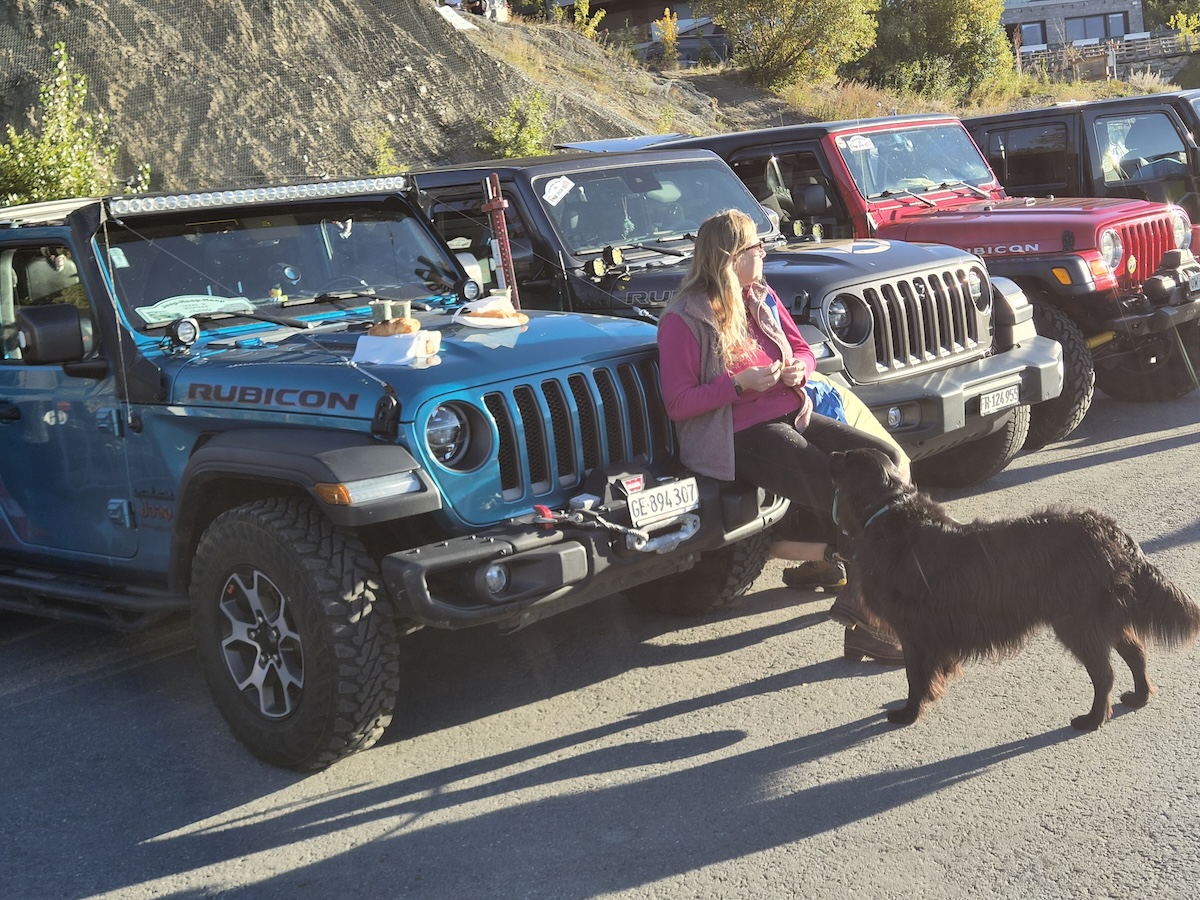
Anyone walking through the rows there quickly understands why the Jeep community is something special. Here, it’s not just cars of a certain brand lined up side by side. Here, there are stories.
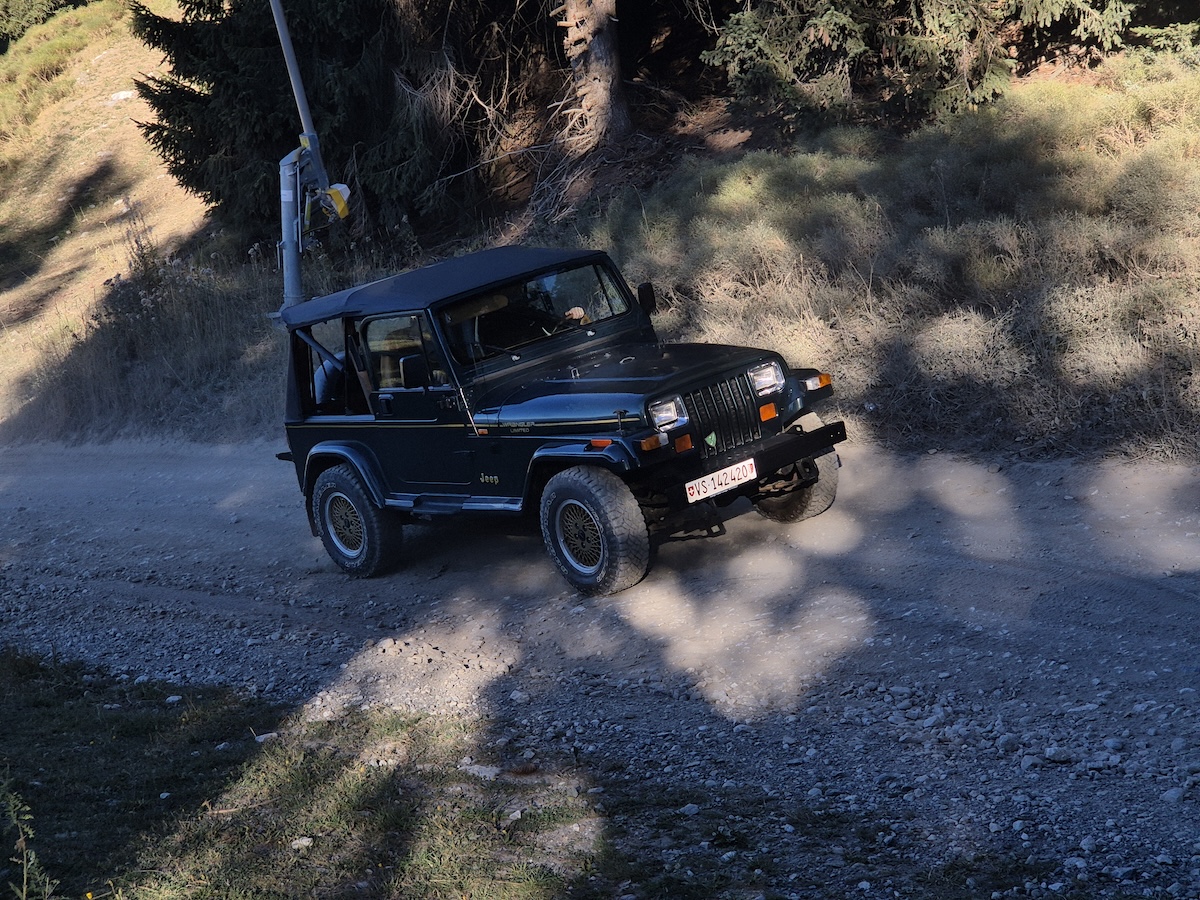
The Jeep that’s been part of the family for decades. The Wrangler that will probably never be completely finished. The old Cherokee that still runs. The CJ, for which replacement parts have long since stopped being readily available on the shelf. Custom builds that have evolved over the years, alongside vehicles meant to remain as close as possible to how they left the factory.
The people behind them are just as diverse. What connects them is this peculiar thing called a Jeep. And that extends far beyond Crans-Montana.
What makes the Jeep community so special?
Hardly any other car brand has fostered such a distinctive global culture around its vehicles. Clubs, gatherings, group outings, trail rides, and a seemingly endless scene of DIY enthusiasts and accessories are just as much a part of it as the greeting among Jeep drivers ✌🏼
In the U.S., the Jeep Jamboree tradition dates back to the 1950s. Even back then, it was enthusiasts from the community who helped establish these gatherings.
The key point here: This community wasn’t simply invented by a marketing department. It grew organically—across generations of vehicles and drivers, through shared road trips, broken parts, successful repairs, stuck cars, campfires, discussions, and likely millions of hours spent in garages.
Of course, Jeep benefits from this. But a brand can’t truly own something like this. A community always belongs to the people who live it. And the Jeep folks live it pretty consistently.
Why Older Jeeps Play a Special Role in the Community
This community’s relationship with new Jeep models is interesting. Because when you stand at the “Jeep Heep Heep” event, you see one thing above all else: older Jeeps. Exactly the cars their owners are attached to.
Many Jeep drivers remain loyal to their models for years or even decades. And when Jeep introduces something new, it doesn’t automatically get a “family bonus” just because it has seven slits on the front. On the contrary. New models are viewed with a critical eye. Changes, too. And when an electric Jeep finally arrives, some conversations are bound to last a little longer.
You could call that traditionalism. But you could also see it as a pretty effective form of quality control. Because these people know their Jeeps. They know their strengths and weaknesses, they know what works, and they have a pretty clear idea of what they expect from a new model.
A Jeep has to earn this community’s trust to some extent. And Jeep knows that. The exciting thing is: this tension between tradition and innovation has long been part of the brand’s identity.
Easter Jeep Safari: How Jeep Involves Its Community in Development
This is particularly evident in the U.S. At the Easter Jeep Safari in Moab, Jeep regularly presents concept vehicles and technical ideas—not in some sterile exhibition hall, but right in the heart of one of the brand’s most important off-road communities. Jeep describes the event itself as a real-world testing ground for future technology and designs—including immediate, unfiltered feedback from enthusiasts.
The Wrangler Rewind recently demonstrated that this feedback is more than just a nice bit of folklore. After a corresponding concept received a strong response at the 2025 Easter Jeep Safari, Jeep brought the idea to production as a special edition model in 2026.
It’s a pretty appealing approach: Build something. Show it to the Jeep crowd. Listen. And sometimes you’ll probably get answers you’d rather not have heard. That’s part of it. Crans-Montana isn’t Moab. The attitude is the same.
Jeep Compass 4xe Electric: Swiss Off-Road Debut in Crans-Montana
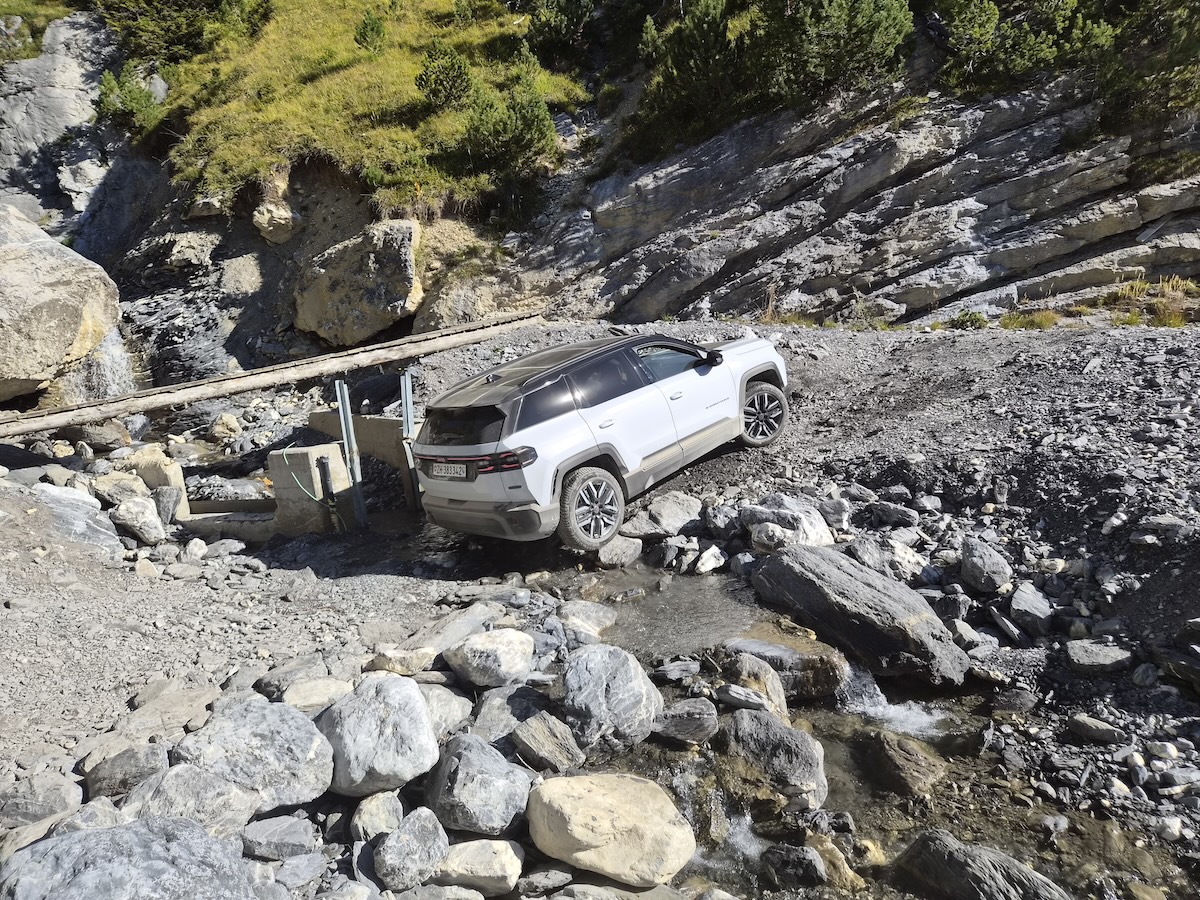
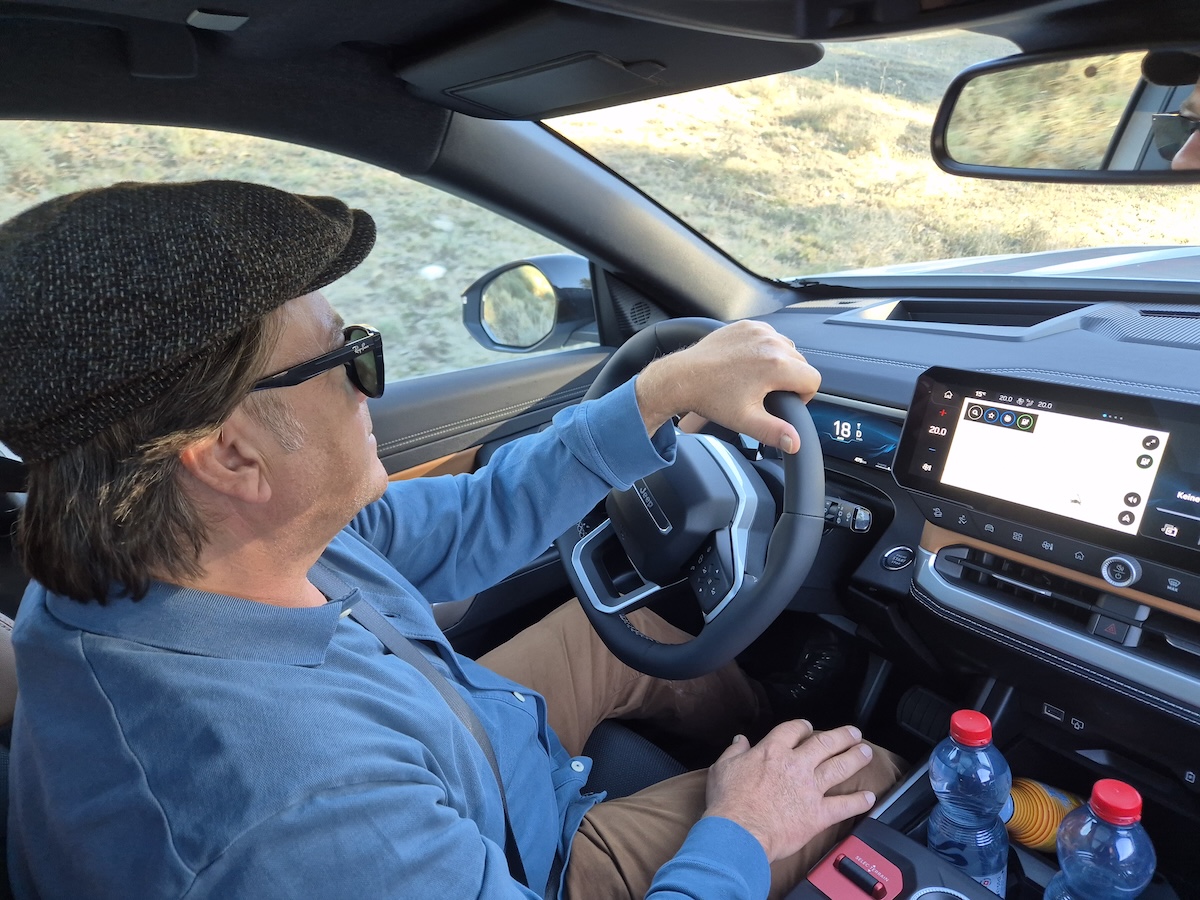
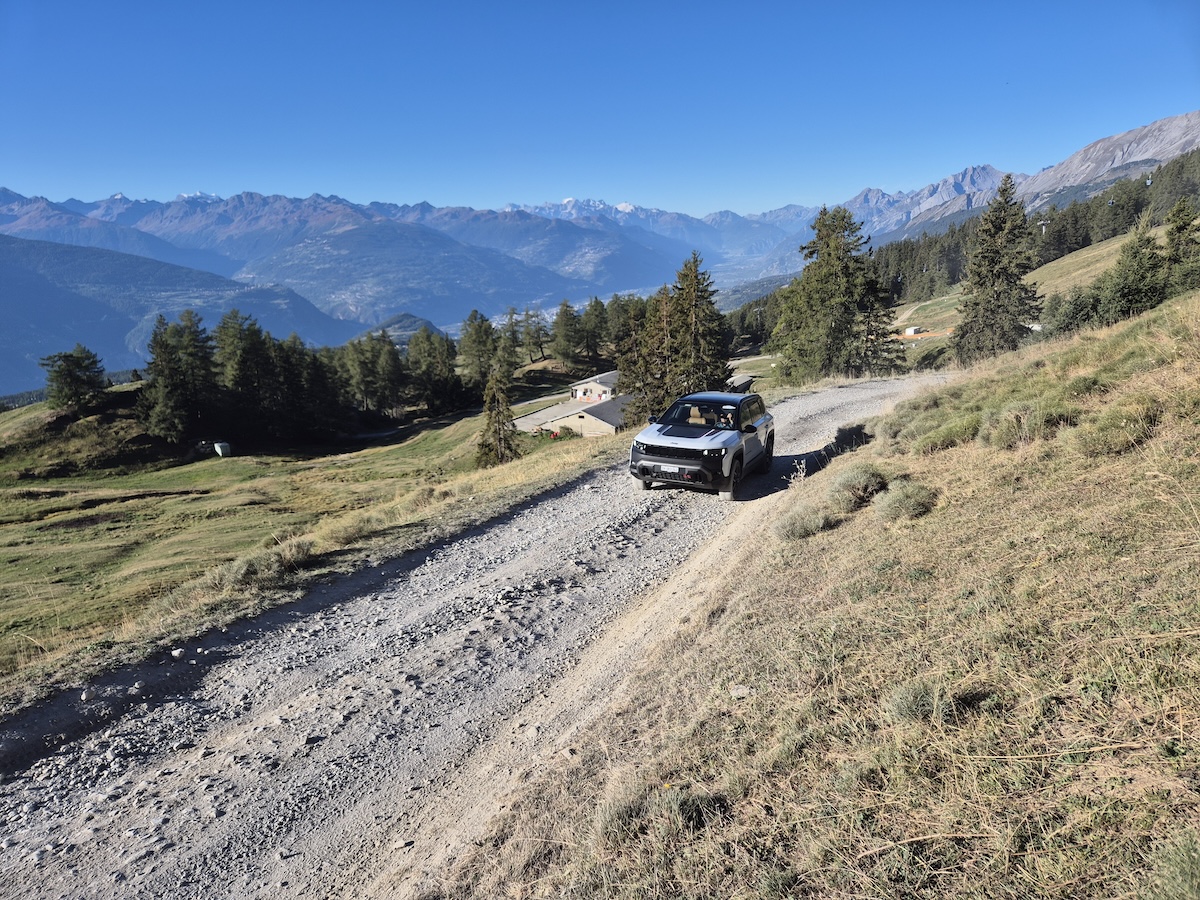
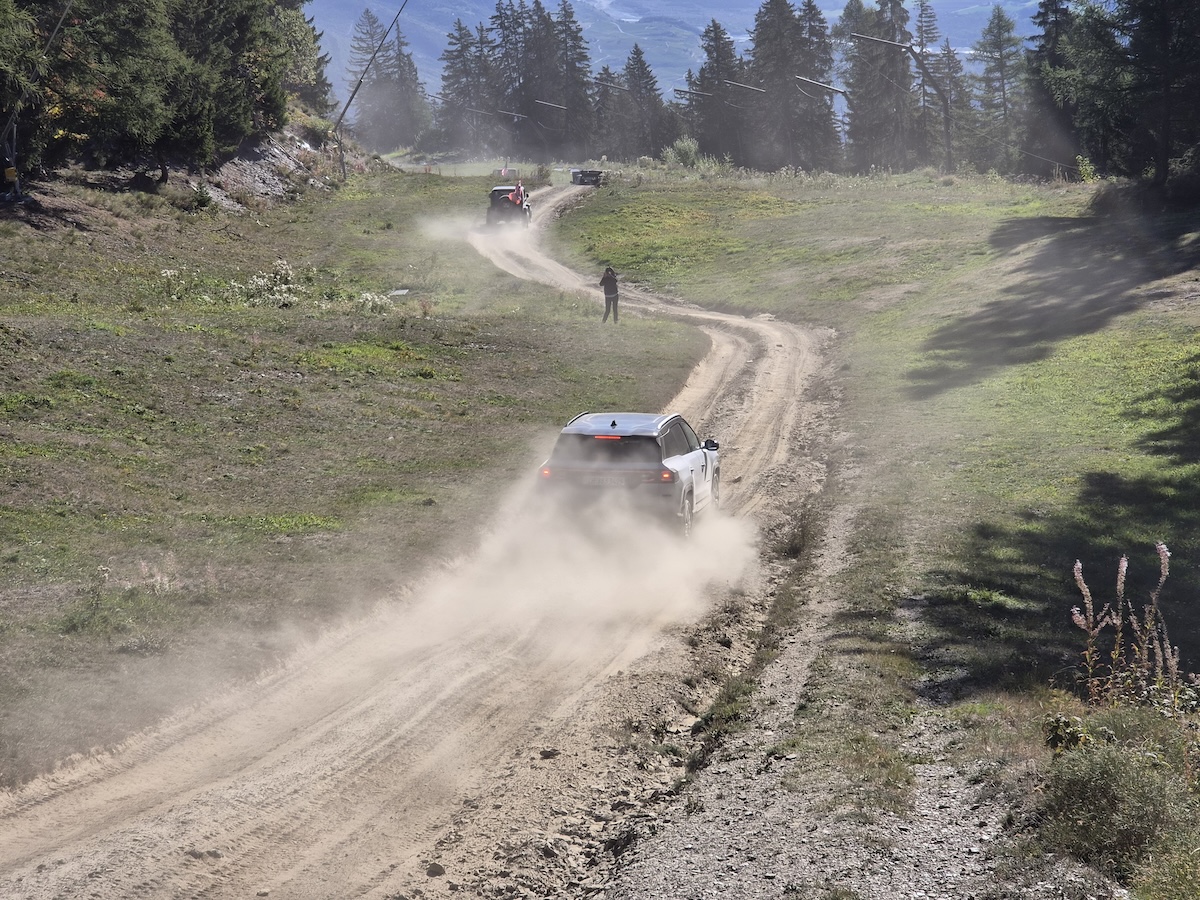
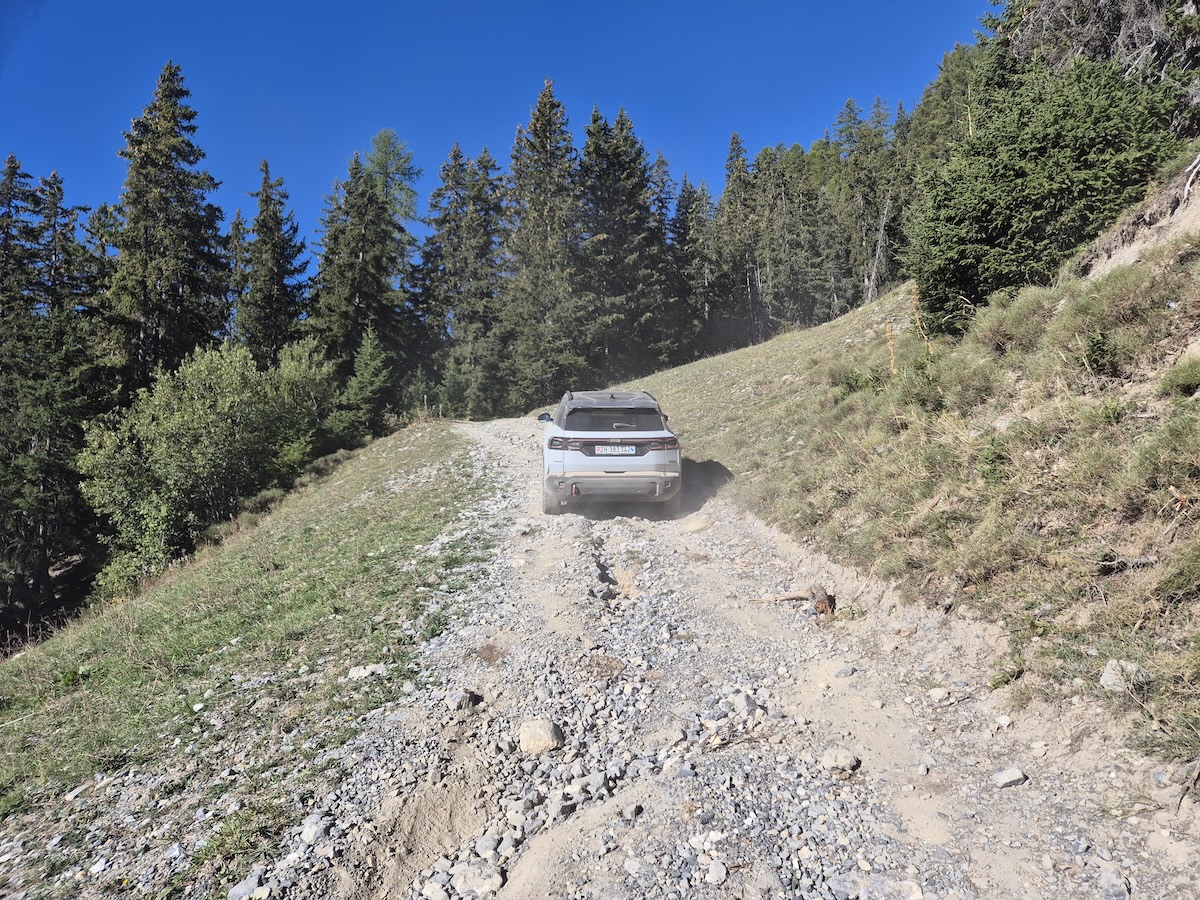
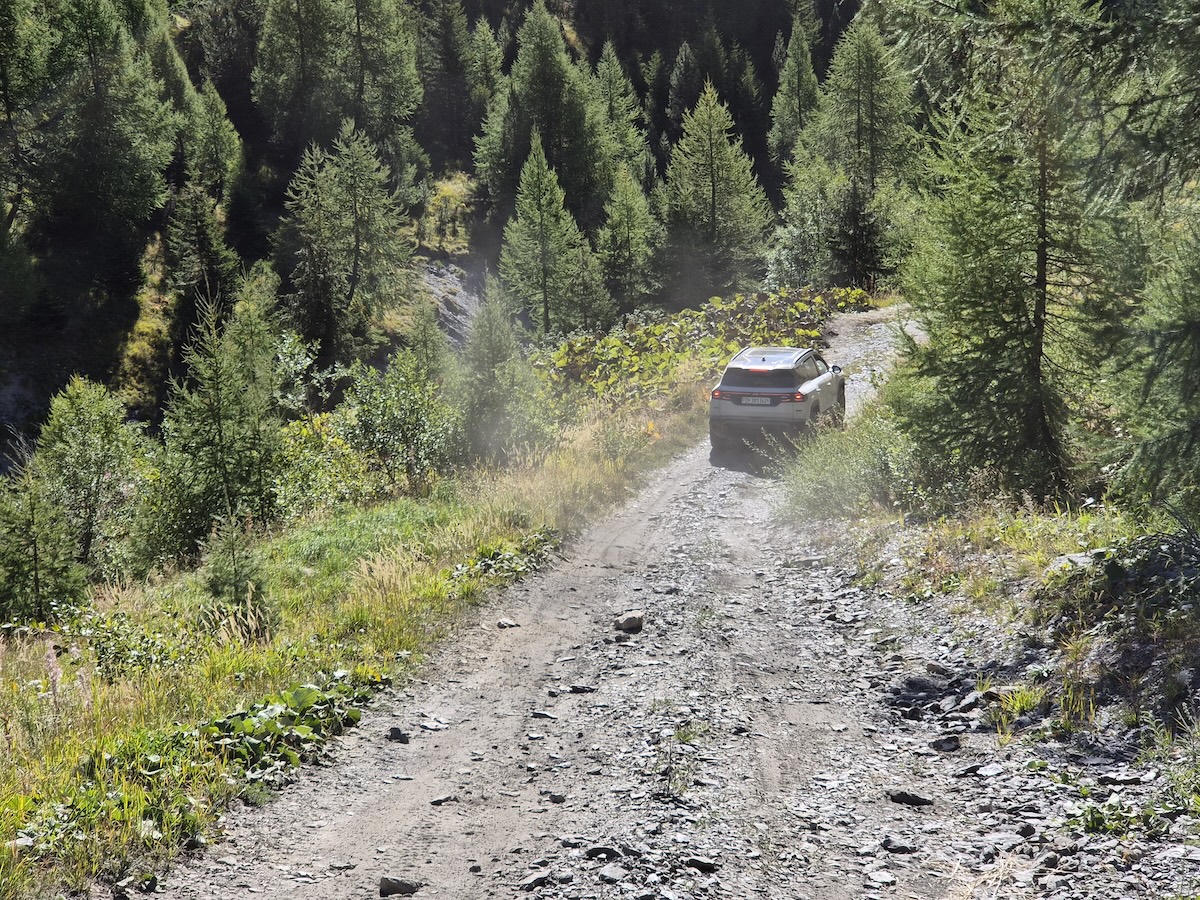
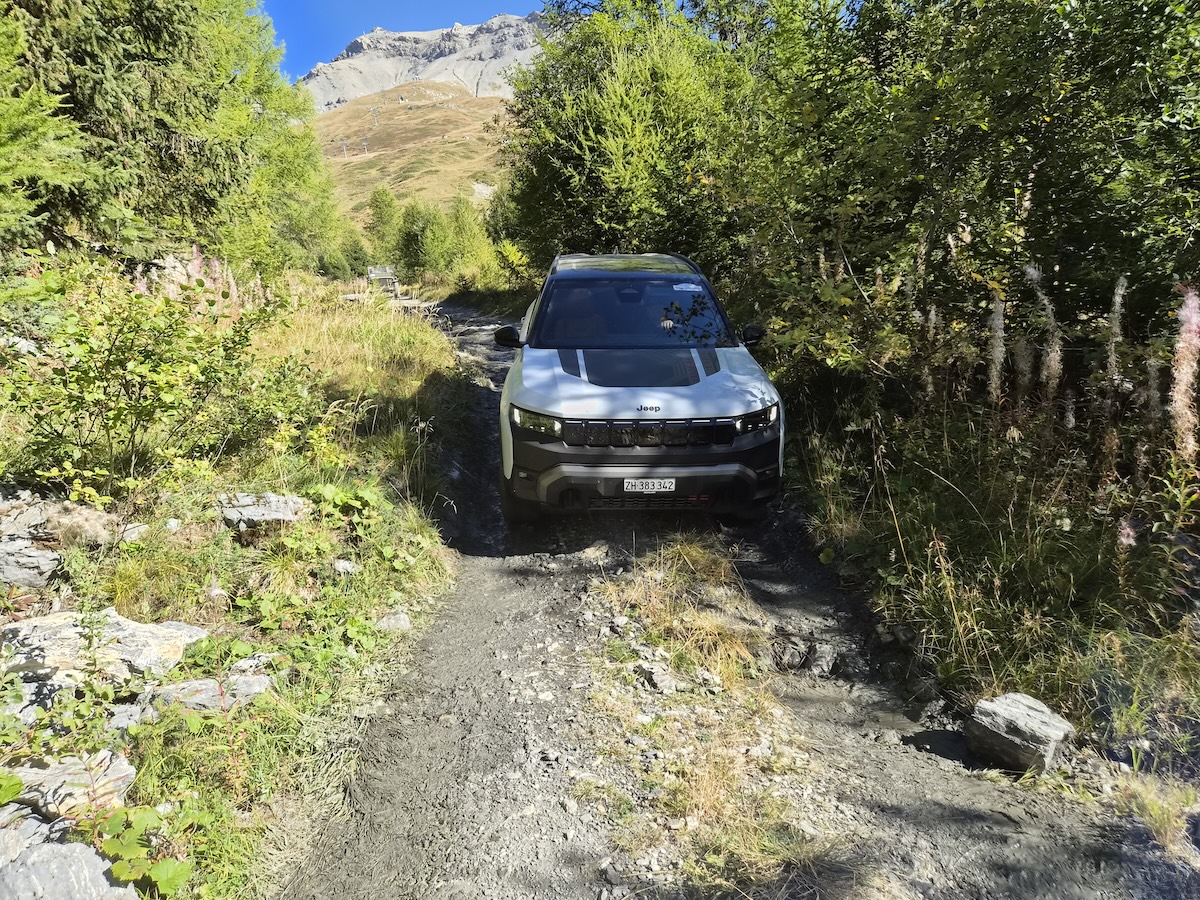
At the Jeep Heep Heep 2026 event, this concept became a reality in Switzerland. Jeep didn’t just bring the new Compass 4xe Electric to Crans-Montana. The first fully electric Compass with all-wheel drive took part in the traditional Jeeping event, marking its Swiss off-road debut under real-world conditions.
And it did so right in front of the very people who need to be convinced of an electric powertrain under the seven slats. That makes this debut more interesting than any unveiling under a silk veil.
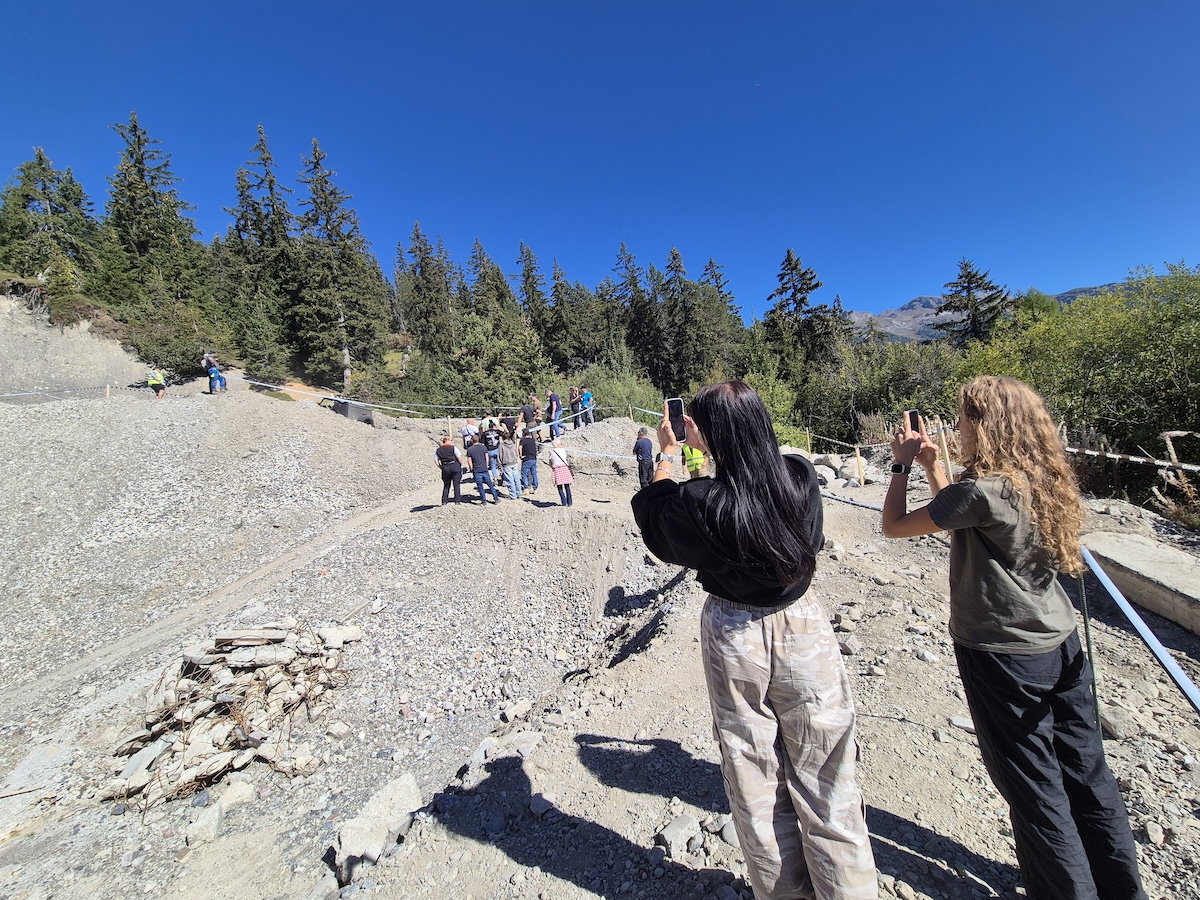
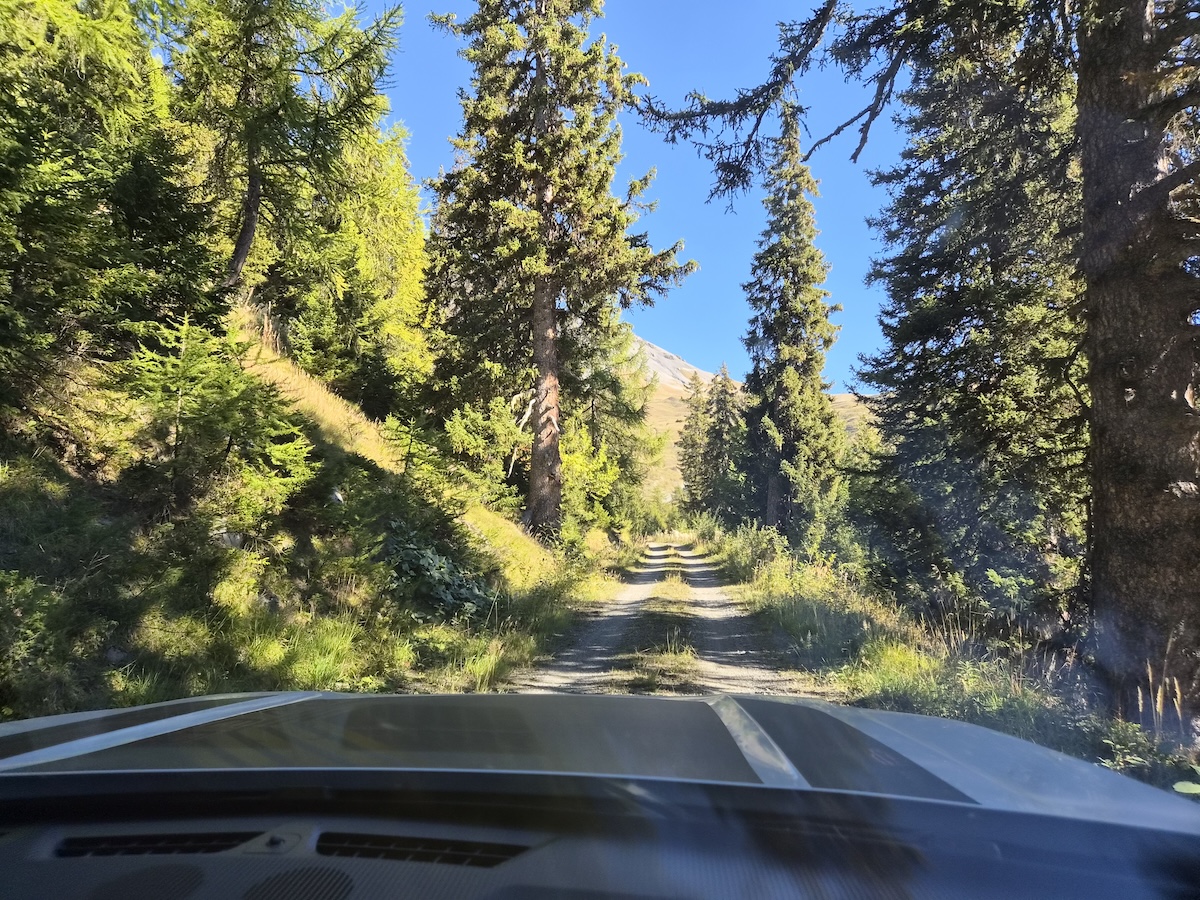
On Saturday, the group tackled the roughly 25-kilometer off-road course through the Valais mountains, which included steep ascents and descents, a gravel pit, and a canyon. The Compass had to prove itself—in front of an audience. And this audience drives Jeeps.
How does the Jeep Compass 4xe Electric’s all-wheel drive work?
Technically, the Compass 4xe takes a rather different approach than many of the older Jeeps parked next to it in Crans-Montana. The front and rear axles are each driven by their own electric motor; there is no mechanical connection between the axles. Together, the system delivers 276 kW or 375 PS. The 96.1-kWh battery is said to provide a range of more than 600 kilometers according to the WLTP.
For off-road driving, what’s more interesting is how this power is transferred to the ground. The rear electric motor delivers 232 Nm and operates with a 14:1 final drive ratio. This is also the source of the up to 3,100 Nm at the rear wheels cited by Jeep: this is the torque after the reduction ratio and not the torque of the motor itself—the figure is therefore not directly comparable to the standard torque specifications of an internal combustion engine.
The Selec-Terrain system allows the drive control to be adapted to different conditions: AUTO, SPORT, SNOW, SAND/MUD, and 4WD LOCK. The latter may sound familiar to Jeep enthusiasts, but it works differently here: no mechanical connection or traditional lock is engaged between the front and rear axles. Instead, the system ensures power is delivered to both axles via the two separate electric drives.
The 4xe has also been geometrically optimized for off-road use. The suspension is ten millimeters higher; Jeep specifies approach and departure angles of 28 degrees at the front and 31 degrees at the rear, a ramp angle of 17 degrees, and a wading depth of up to 480 millimeters.
Interesting figures. But probably not the most important ones. Because the real question this community is asking isn’t how big the battery is or how much torque reaches the rear wheels after the final drive ratio.
Can it handle it, Jeep?
That’s exactly why Crans-Montana was the right place. A weekend can’t replace a long-term test, and a prepared course can’t replace years of real-world use. But if you’re presenting a fundamentally new powertrain concept to one of the most tradition-conscious automotive communities of all, you can leave it behind the caution tape. Or you can take it off-road. Jeep opted for the latter.
Jeep Heep Heep: The Real Heroes Arrived in Their Own Cars
On Sunday, hundreds of Jeeps once again rolled through Crans-Montana in the traditional parade. Willys, CJ, Cherokee, Wrangler, and all the other models that have accompanied their owners over the years.
You can see 85 years of brand history in them. We see, above all, the people behind them. The tinkerers. The collectors. The travelers. The authenticity fanatics and the customizers. Those who’ve been driving Jeeps for decades, and those who were eventually infected by this “virus” from them.
They keep old vehicles on the road and off-road. They preserve knowledge. They organize themselves. They help one another. They argue about which engine, which axle, and which generation was the best. And when Jeep builds something new, they take a very close look.
That’s exactly why they’re so valuable to the brand. Not because they like everything. But because they don’t.
Who decides whether the electric Compass will truly be a Jeep?
The Compass 4xe drove back home after Crans-Montana. Whether it will one day belong to this family just as naturally as the models that define the scene at a Jeep meet today is something no one can answer after just one weekend. That’s up to the people who have been breathing life into this brand for decades.
Maybe they’ll buy it. Maybe they’ll drive it. Maybe they’ll modify it. Maybe they’ll curse it. Maybe they’ll explain to Jeep in great detail what needs to be improved for the next one. That’s exactly how this community works.
And perhaps that is its greatest strength: Jeep builds the cars. What becomes of them is up to the Jeep people.