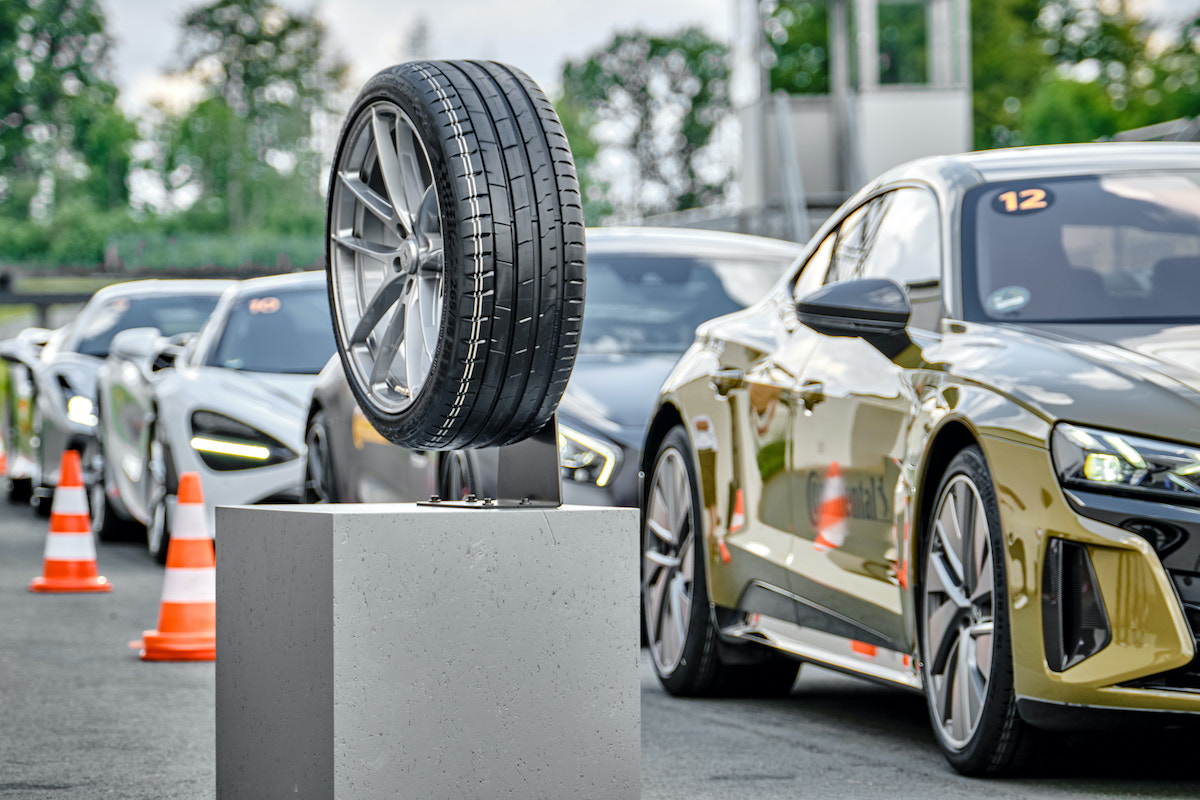
Continental SportContact 7 - a new milestone in tire development
For the new SportContact 7, the tire developers have reached deep into their bag of tricks: its adaptive tread design adjusts to dry and wet roads, with a size-specific design of the tread pattern it offers maximum driving pleasure on every vehicle and the BlackChili compound of the tread is precisely matched to the grip of the asymmetric tread pattern.

The SportContact 7 was developed for passenger cars with sporty attributes through to super sports cars. The vehicle range is broad: It includes the Alfa Romeo Giulia Quadrifoglio as well as the RS series from Audi and models from BMW M GmbH. Compact cars are also included, such as the Ford Focus III RS or the Mini Cooper S Clubman. Suitable sizes are also available for the Porsche 4 S GT and various vehicles from AMG, Lamborghini and McLaren. The SportContact 7 from Continental debuts with three new technical tire details: its adaptive tread design adapts to dry and wet roads, its size-specific tread design offers maximum driving pleasure on any vehicle and the composition of the BlackChili tread compound is precisely matched to the grip of the asymmetric tread pattern. Continental has thus developed a sports tire to redefine the standards of tire performance and to create a high level of confidence in the driving characteristics of the new flagship passenger car tire.
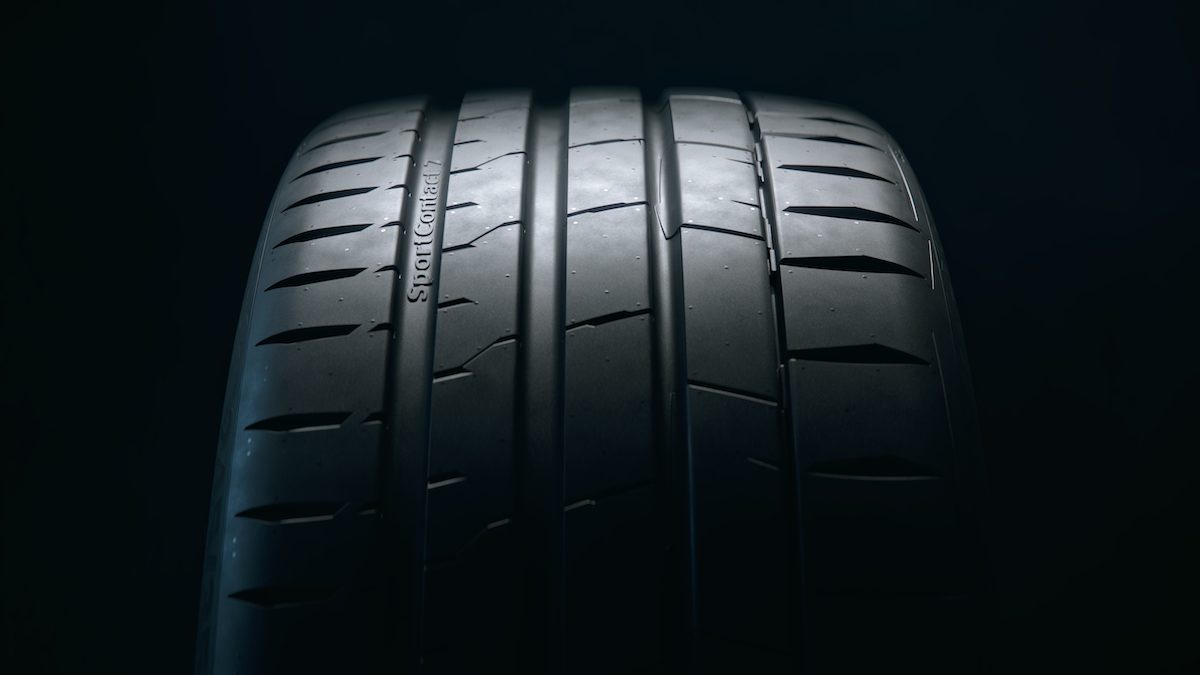
"The focus of our development was that we wanted to have the best sporty summer tire on the market for every vehicle class," reports Prof. Dr. Burkhard Wies, Head of Research and Development Passenger Tire Replacement Business worldwide at Continental. "This includes achieving significantly improved handling on dry and wet roads or race tracks and offering an exceptionally high mileage that exceeds that of the previous model by 17 percent. With very good fuel efficiency and an EU label rating of 'C', we are making a good contribution to sustainability." With its asymmetric, adaptive tread design, the new SportContact 7 can adapt to dry and wet roads. This means that its handling characteristics remain at a consistently high, safe level - even at higher speeds. "You can also put a tire under stress if you expose it to high loads," says Wies. "The new, adaptive tread provides safety and driving confidence in such situations, together with very precise cornering stability on wet and dry roads."
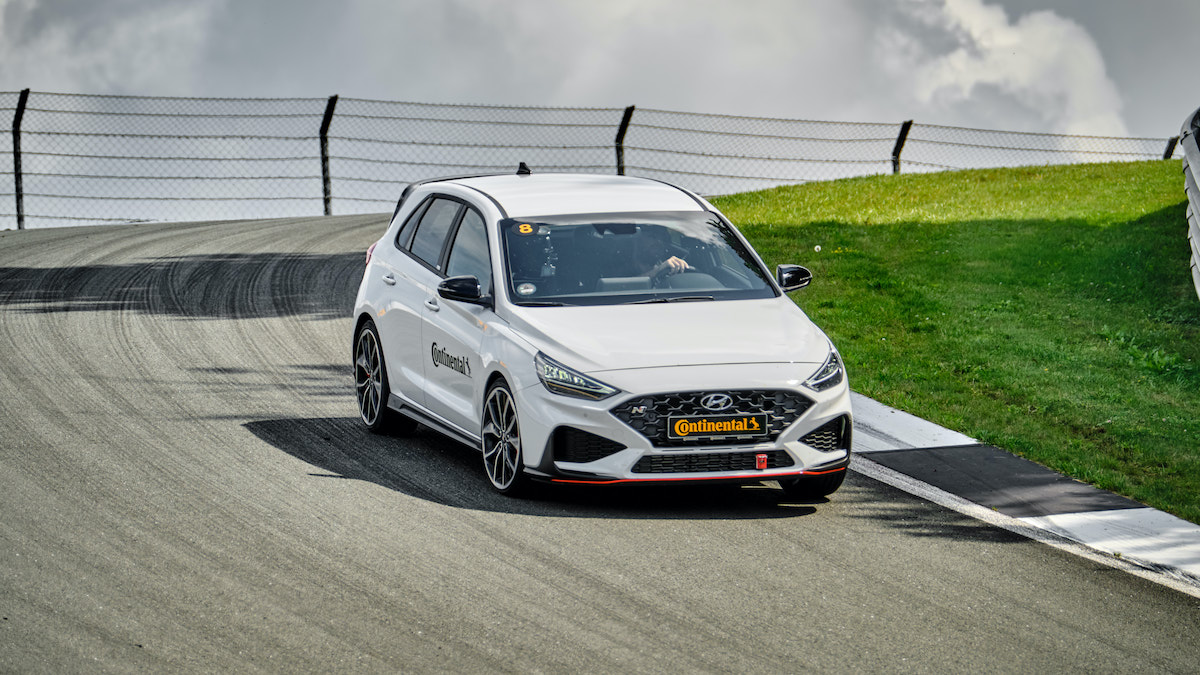
This is made possible by the professional design: While driving straight ahead, the tire's "footprint" ends at the point of highest water drainage in the tread pattern to provide excellent grip when braking, accelerating and cornering on wet roads. When cornering on dry asphalt, the "footprint" shifts to the outer shoulder, which is designed to transmit maximum forces for stable handling. Further stability is provided by innovative "locking elements" in the outer shoulder, which only allow limited movement of the tread and thus offer high driving stability. Conventional sports tires react differently to different vehicle concepts and weights - depending on the weight, size and engine of the car. "Our new SportContact 7 is therefore the first product in the high-performance tire segment that is tailor-made for every type of vehicle," explains Wies. Heavy vehicles require different tire solutions than light passenger cars. The specifications of the SportContact 7 are therefore adapted to each vehicle class. "To this end, we have developed new technologies, including for racing, which are applied depending on the tire size, so that the typical driving experience of the SportContact family is maintained on every vehicle. This includes having a tailor-made construction for different vehicle classes. We can also adapt the stability of the sidewall, the grip under certain load situations, as well as high-speed capability, handling and the design of the carcass to each vehicle class," he says.
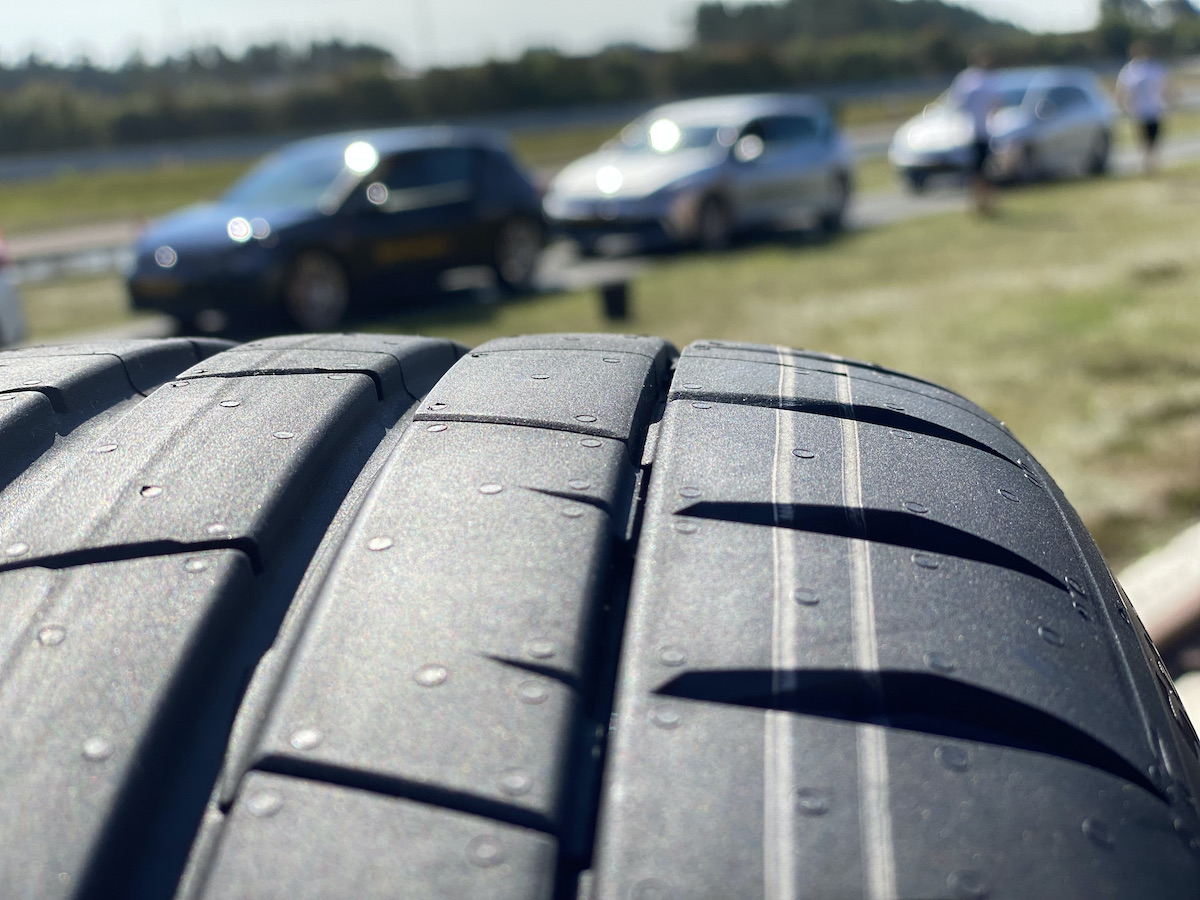
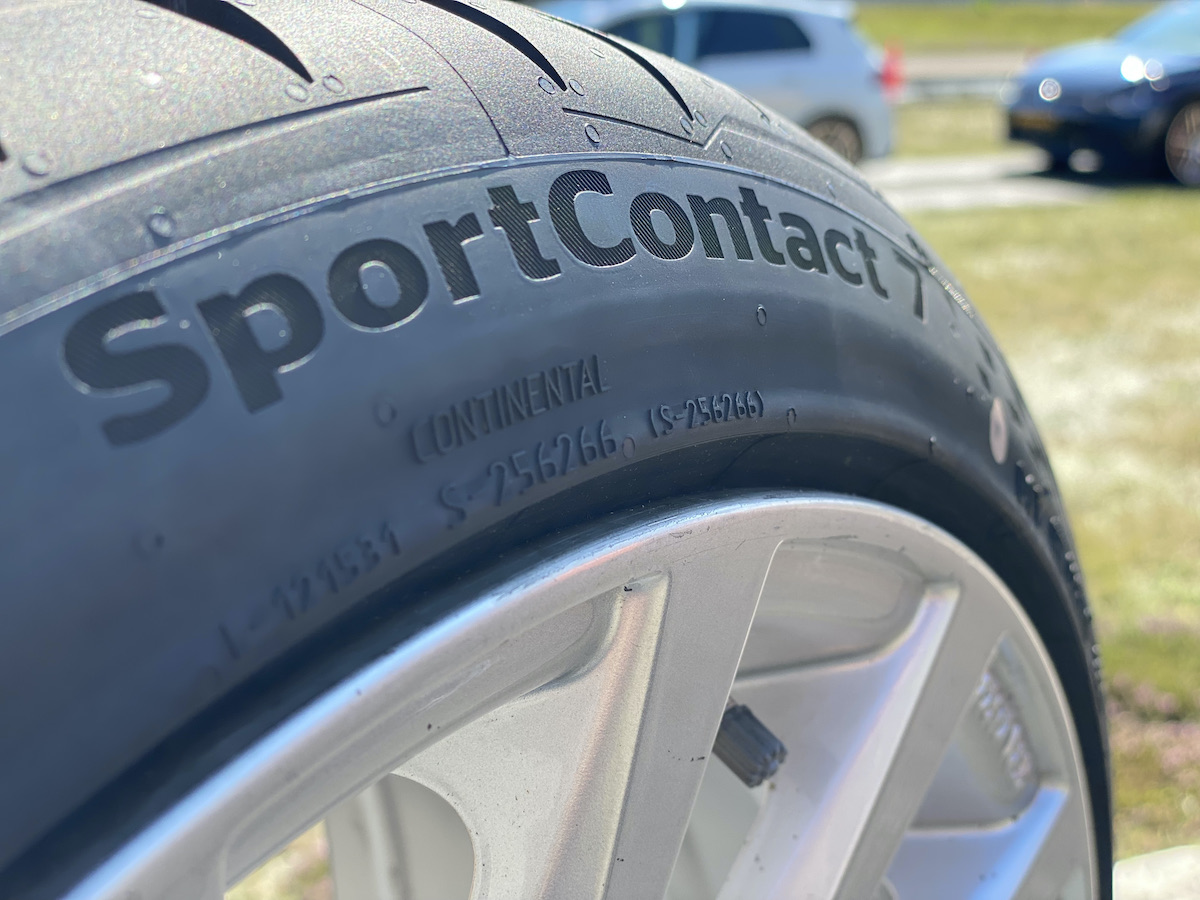
The third technological component of the new SportContact 7 is the BlackChili rubber compound, which is precisely matched to the tread design. This soft compound fits perfectly with the very stiff, low-profile tire design and not only enables very good driving characteristics, but also ensures a significant increase in mileage. To achieve this, the tire engineers and chemists at Continental had to balance various conflicting objectives. The result of their collaboration is an unusual compound technology which, together with the tread design, enables a significant improvement in driving characteristics.
If you look at the differences to the popular predecessor, Continental's internal tests have produced impressive results: Mileage is extended by 17 percent, performance on the racetrack increases by 10 percent, wet braking distances are reduced by 8 percent and the new SportContact is 6 percent better in dry braking. Wet and dry handling and grip also benefit from the new development (test of tire size 245/30 R 20).
Sizes between 19 and 23 inches will be available from this fall, and the range will be further expanded over the course of next year.