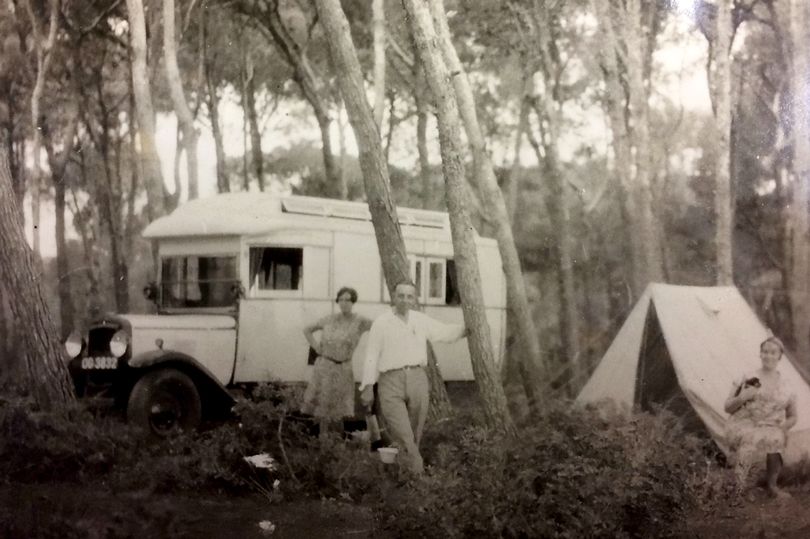
At the beginning of the 1930s, the world is in the grip of the Great Depression. In Great Britain, people stayed at home, saved and waited. And then a couple from Nottinghamshire set off - 2,300 miles away, in a Chevrolet and an Eccles camper van, deep into the Sahara. No expedition on assignment. No protest. Just a decision.
While many British families kept their vacations to a minimum - maybe a few days in Blackpool - the Fullers packed up their home on wheels and headed south. Eccles caravans were just being built in Birmingham at the time. Caravanning was not a leisure trend. It was reserved for wealthy circles - and an expression of technical modernity. Mobility as a luxury.
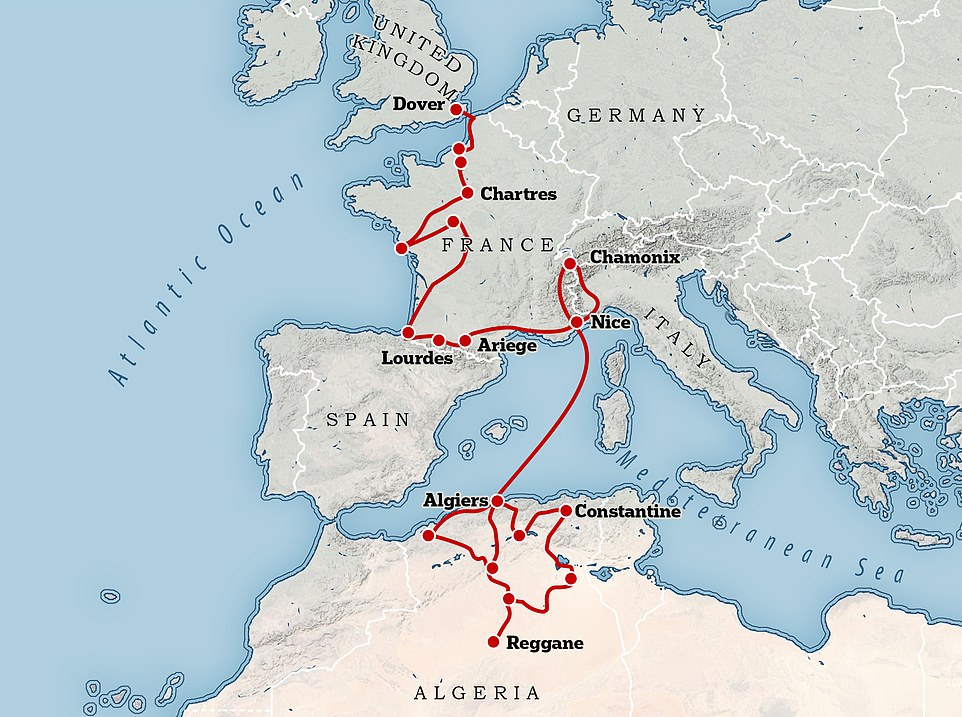
The route led from Dover via France, onwards by ship to North Africa, as far as Algiers and into the Sahara. 2,300 miles - around 3,600 kilometers - through a time when infrastructure was patchy, maps inaccurate and workshops rare.
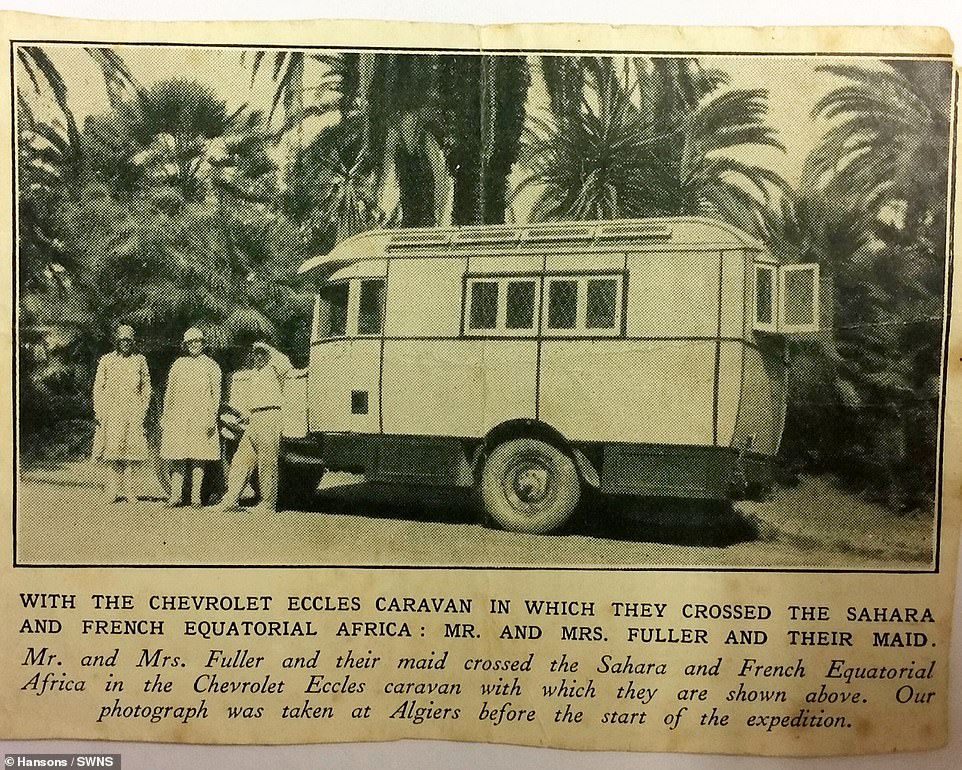
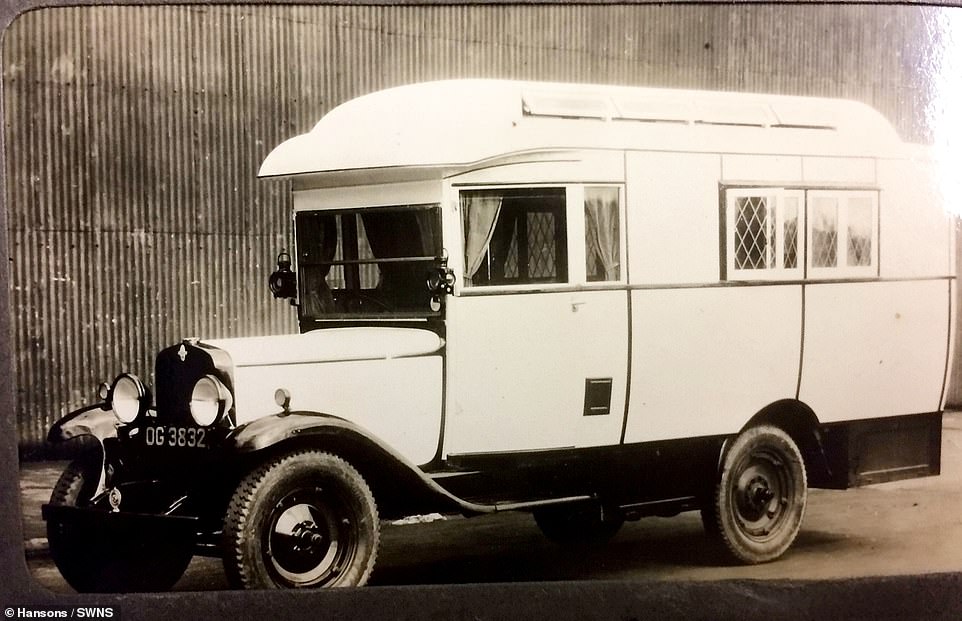
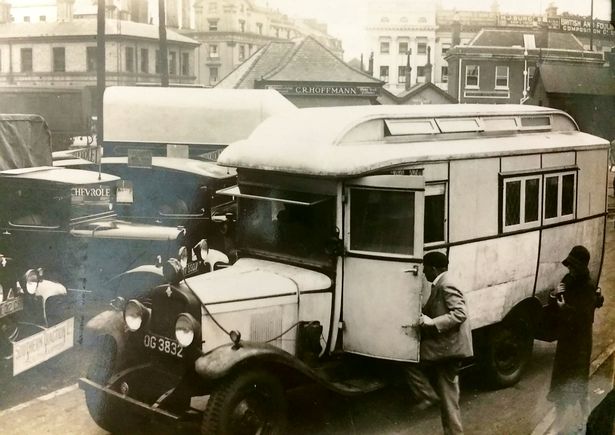
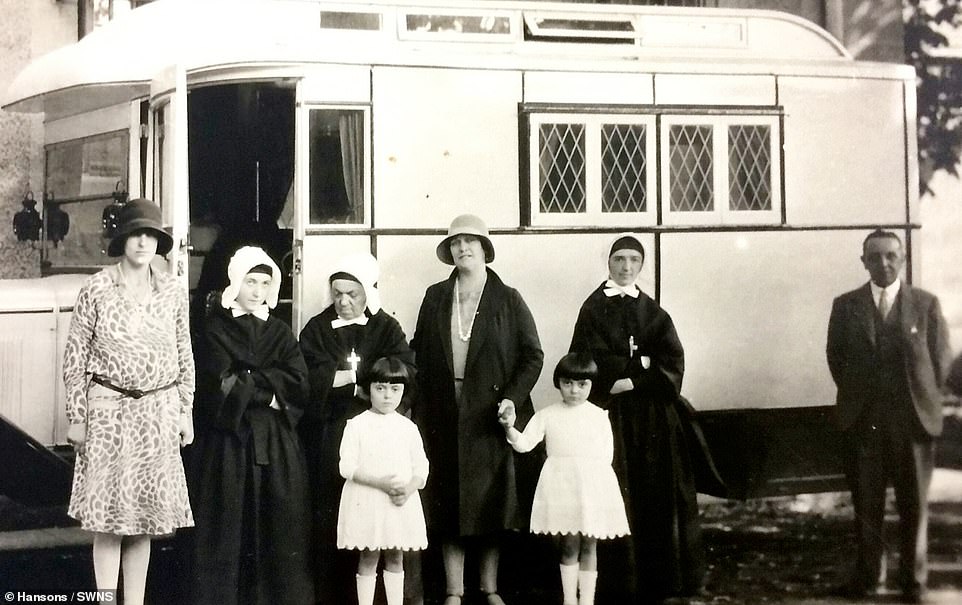
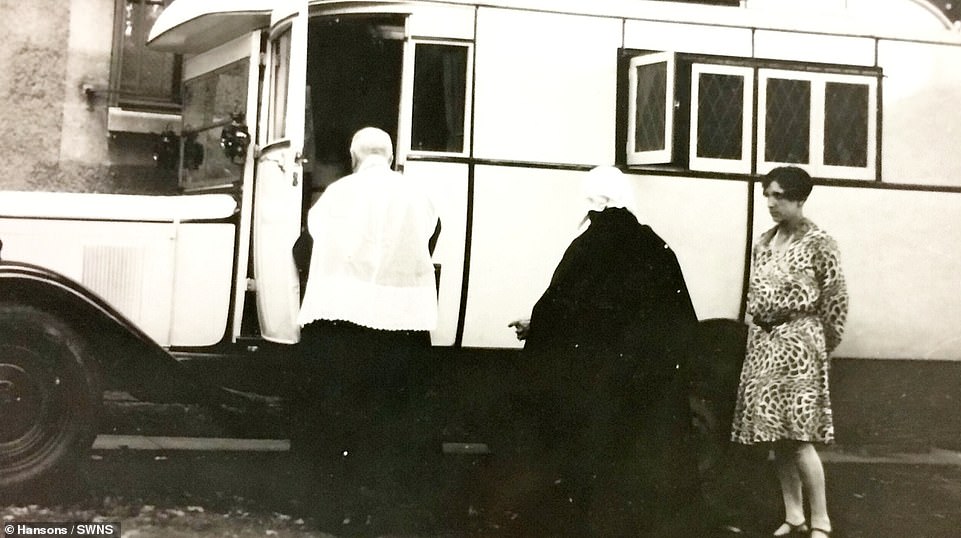
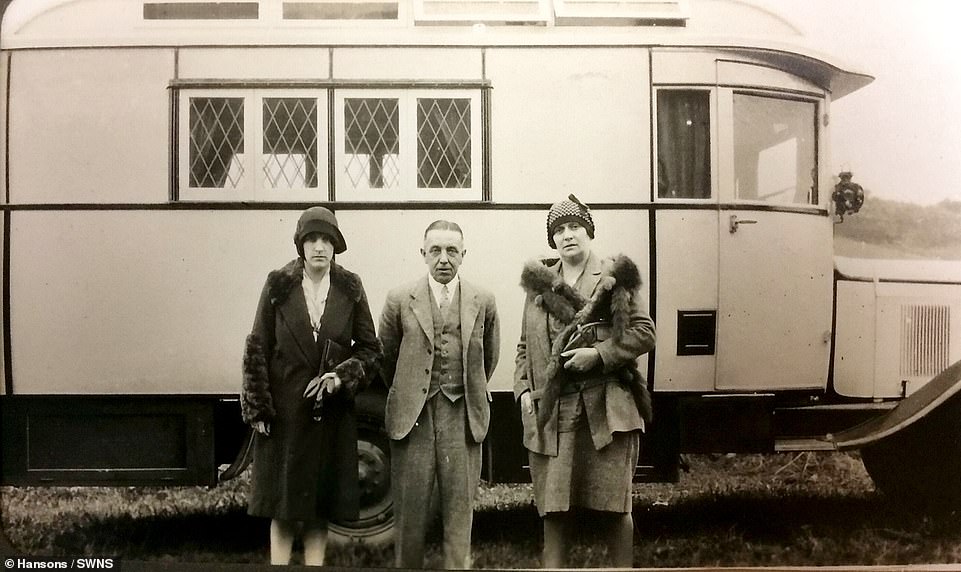
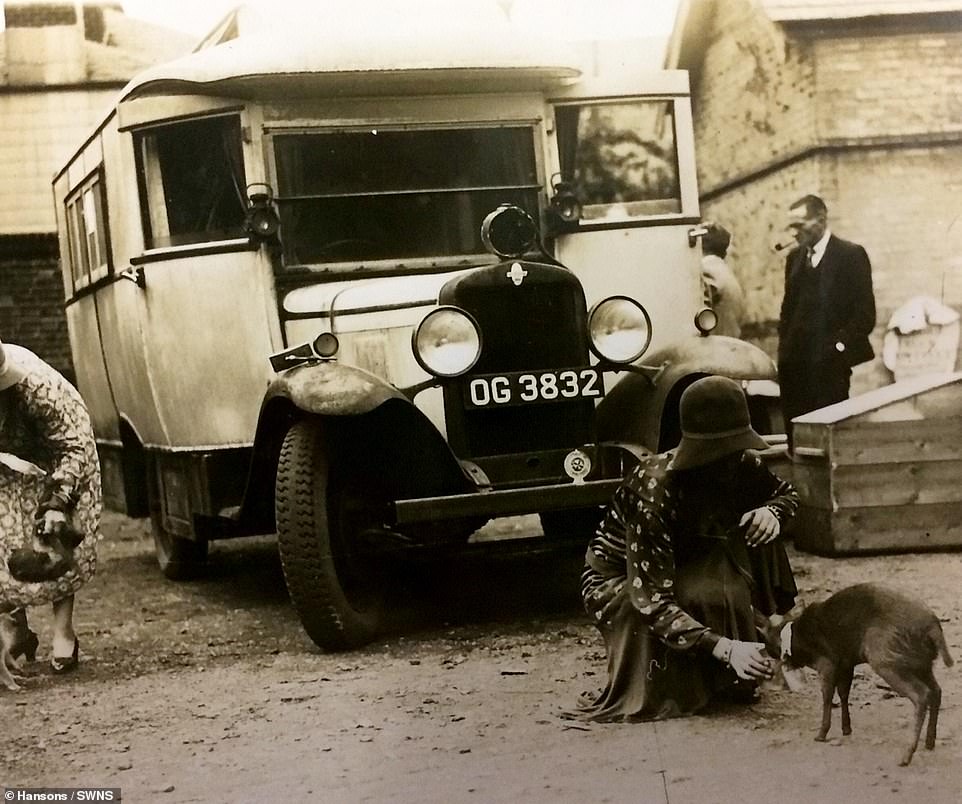
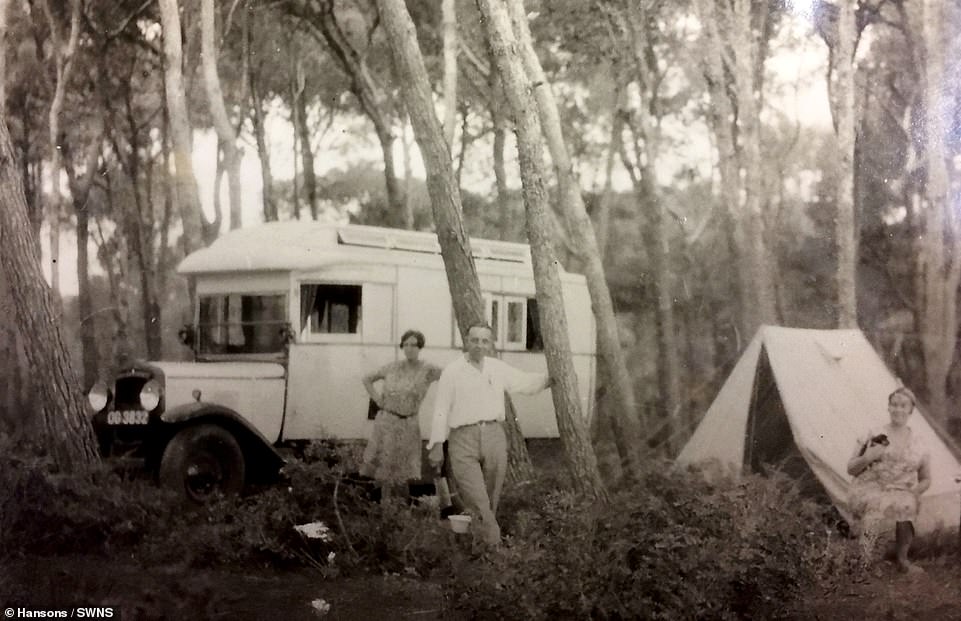
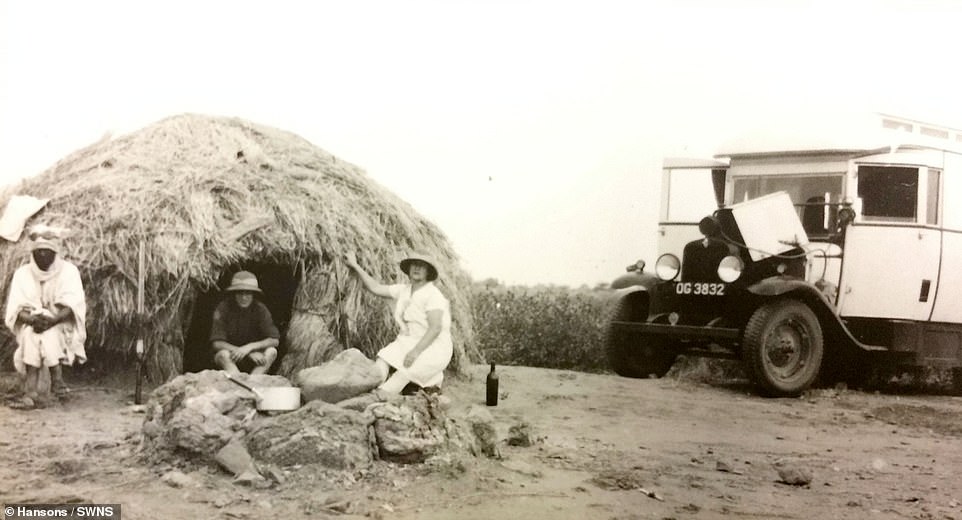
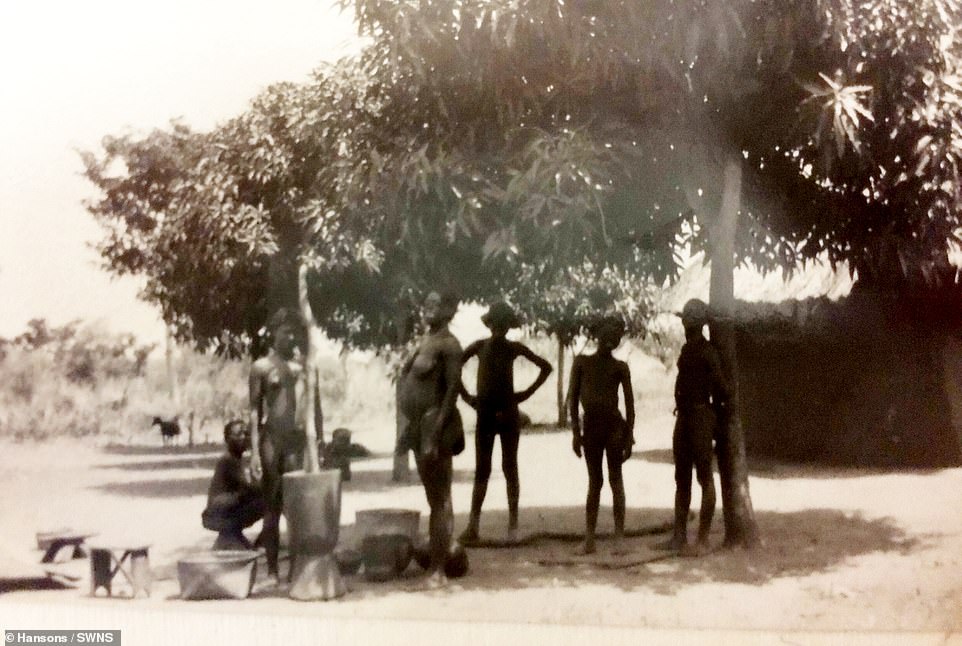
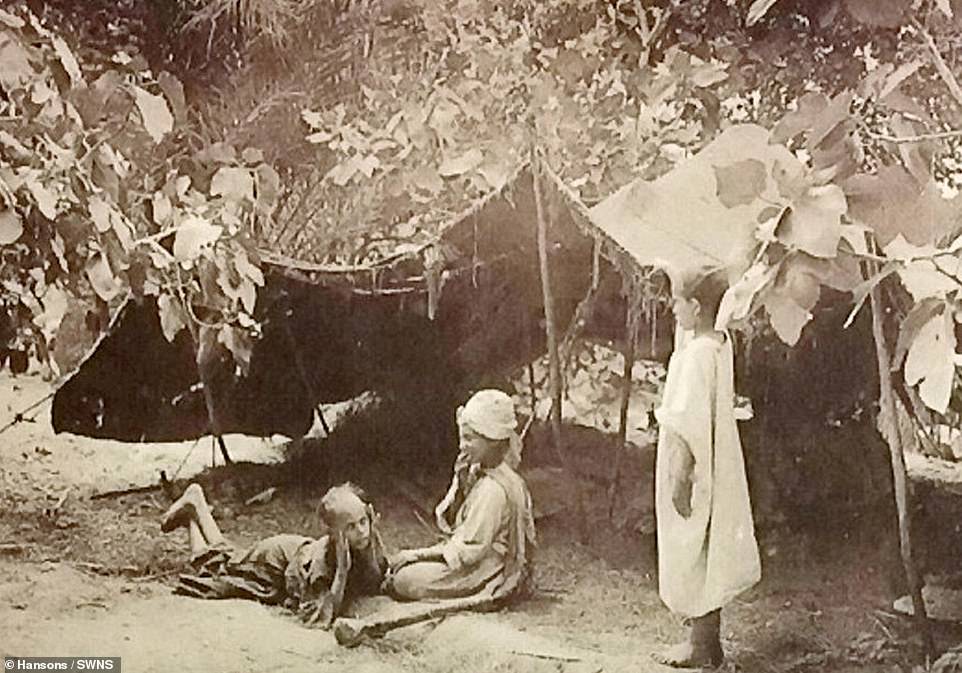
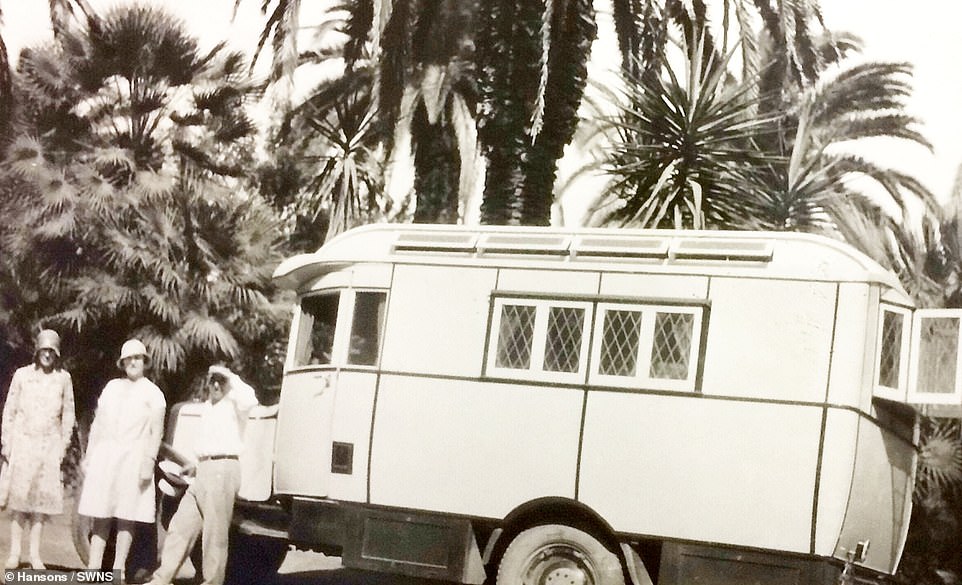
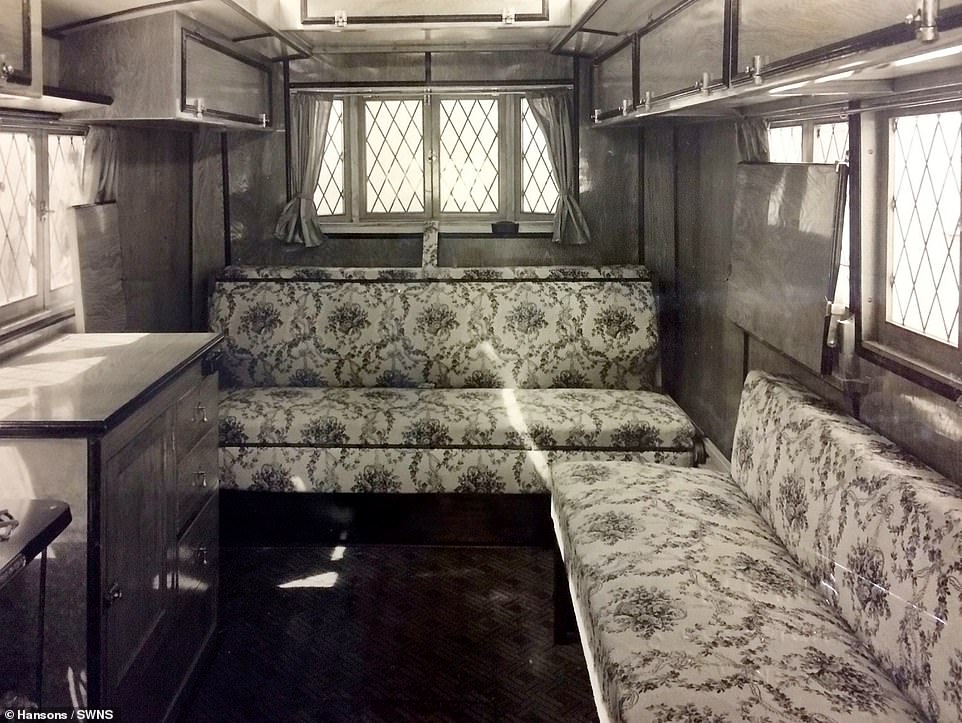
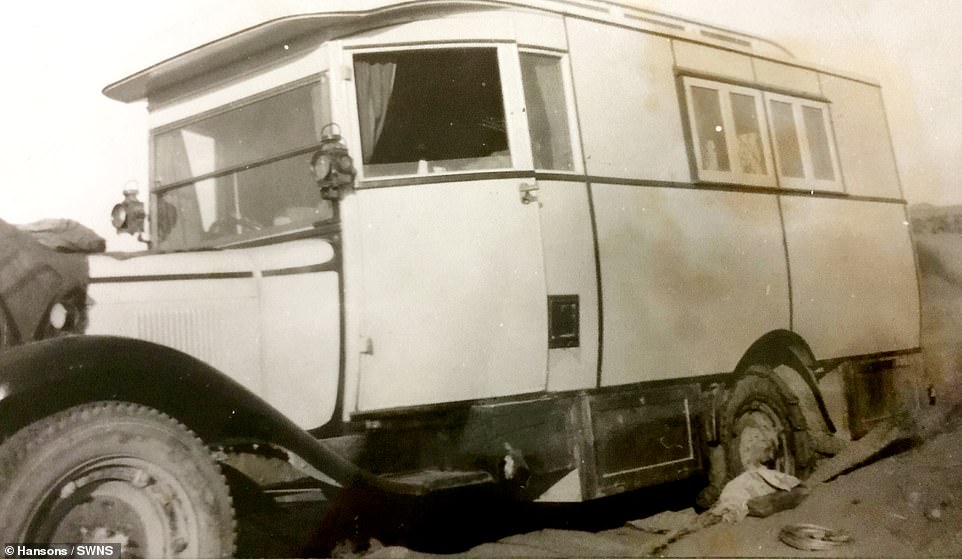
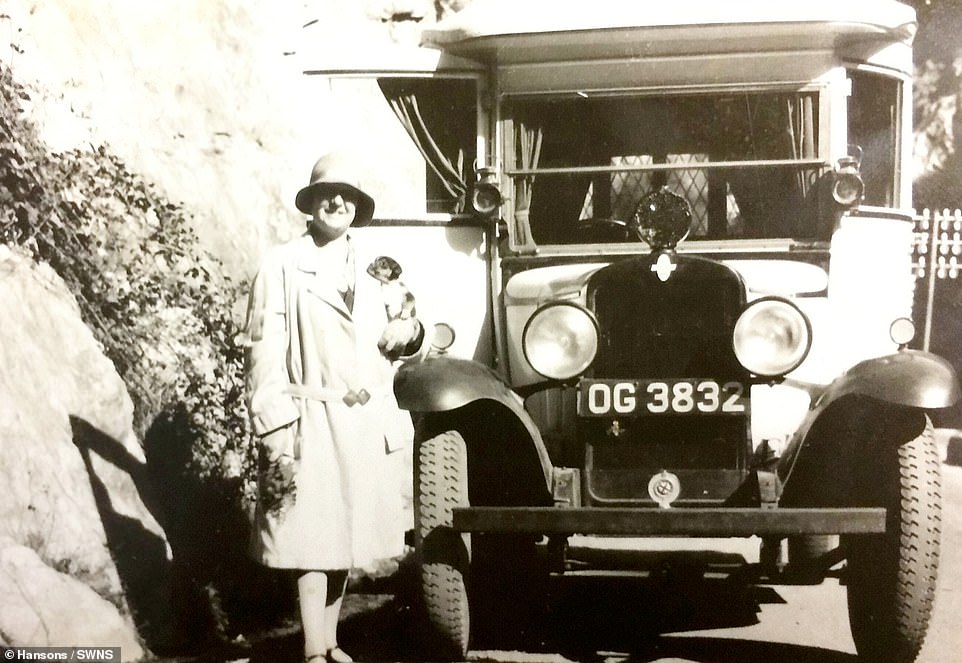
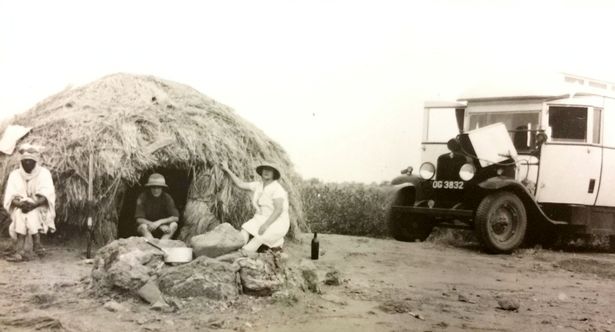
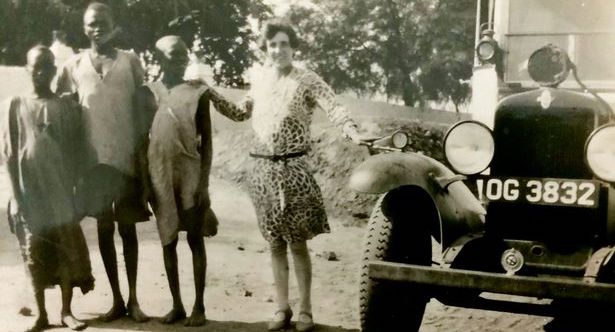
Around one hundred photographs document the journey. They lay unnoticed in a box for decades, discovered when a house was being cleared out in Nottingham and later auctioned off in the UK. Auctioneer Charles Hanson called it an extraordinary find - a window into an era when traveling was both a choice and a risk.
The pictures show the carriage in the port of Dover, being loaded onto a ship, on dusty roads in France and North Africa. In Bordeaux, a priest blesses the caravan. Later, we see improvised camps, encounters with locals, the erection of a tent for the accompanying maid, while the Fullers spend the night in the camper van.
These are not dramatic images. No staging of danger. They are snapshots of things taken for granted.
You have to imagine the conditions: no navigation devices, hardly any safe roads, few spare parts, political tensions in colonial regions. Every breakdown could cost days. Every border meant paperwork. And yet nothing in the photos seems rushed.
Perhaps it was an escape from the economic confinement. Perhaps defiance. Perhaps simply curiosity. The Fullers returned safe and sound. With an unusual souvenir: a monkey that was later photographed in their British garden - a scene that seems almost surreal. Desert and suburban lawn in the same album.
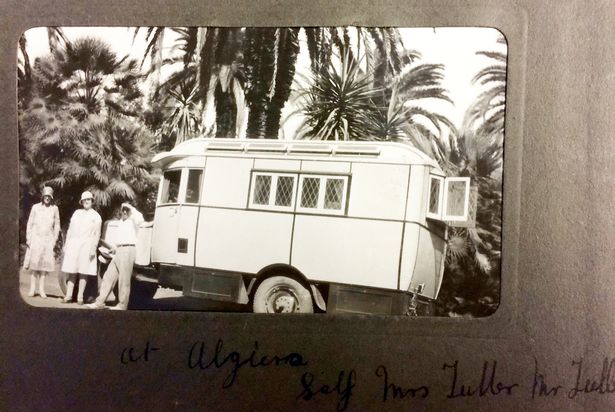
The seller of the photos - anonymous - hardly knew anything about the couple. The albums belonged to a 92-year-old relative from Nottingham and only turned up again when the household was being cleared out. Names disappear. Pictures remain.
And there it is again, that one decision.
To drive off while others stood still.
OLLI - ONE LIFE. LIVE IT.
P.S.
The first touring caravan was builtin 1884 by Dr. William Stables, whose black and gold version meant that he could live like a "gentleman gypsy".