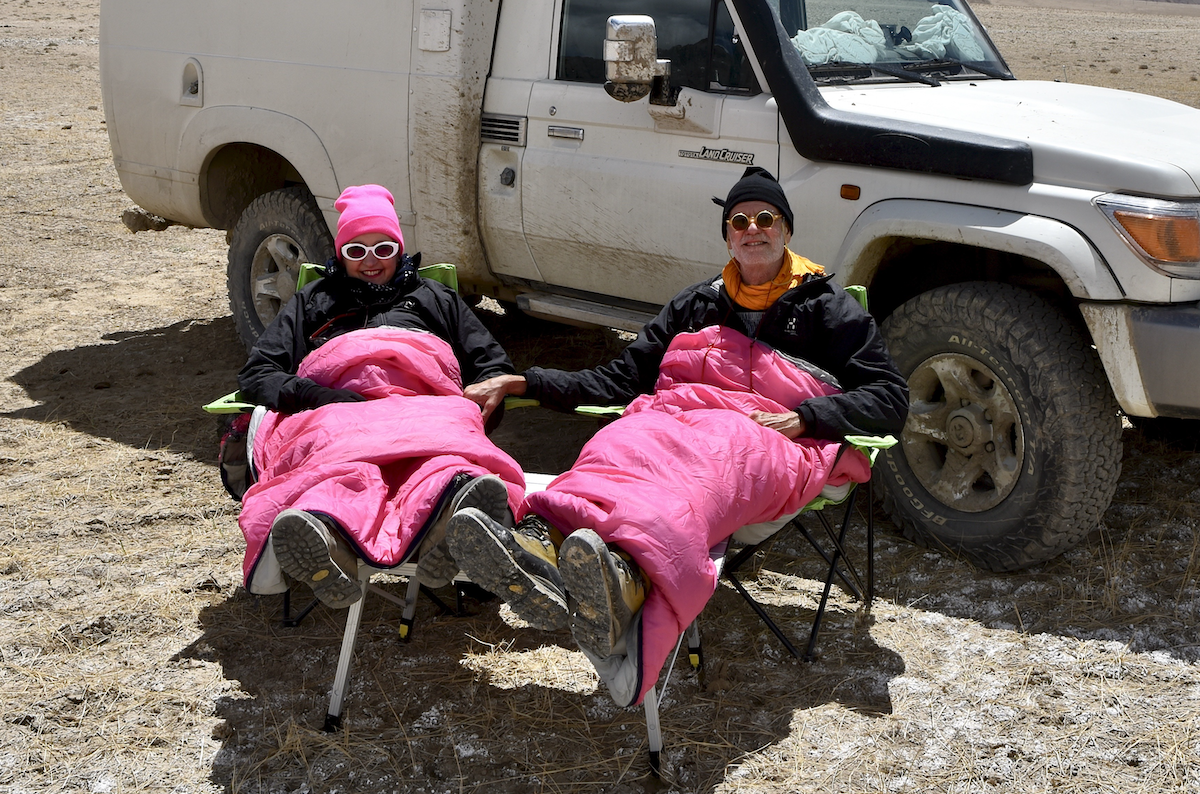
A Fiat, a tent, and a gas stove: That’s how Sylvia Furrer and Holger Hoffmann’s first trip together began in 1976. Fifty years later, they’ve visited 110 countries, founded Chaos Tours, and still have new plans.
OLLI Friends are people who get out there and do their own thing. Sylvia and Holger show that you can do this together for half a century—thoroughly prepared, open to the unexpected, and with a genuine interest in how other people live.
Sylvia Furrer and Holger Hoffmann have been traveling together since 1976. The retired lawyer and economist and the retired psychiatrist live in Bremgarten near Bern; together they have taken more than 85 trips outside Europe and visited 110 countries. In 1995, they founded Chaos Tours just for fun: Sylvia as managing director, Holger as tour guide. Their only customers are themselves—and they’re clearly very satisfied. The two plan thoroughly, but leave room along the way for encounters, detours, and better ideas. Even though age and the state of the world have made some destinations unattainable, they never run out of travel plans.
You still have plans. But what was your very first one like?
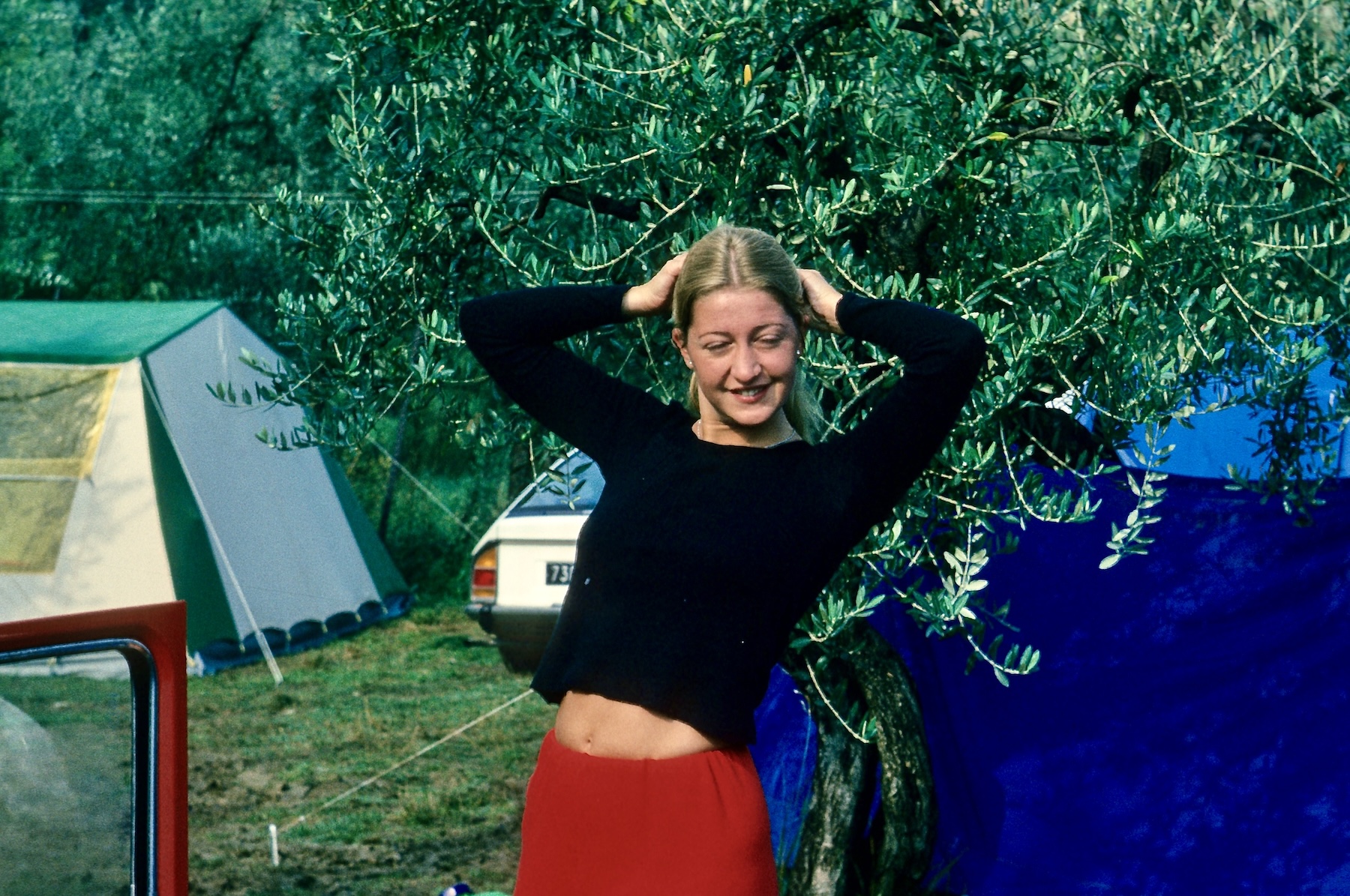
Sylvia: In 1976, we drove to Corsica in Holger’s Fiat with a tent and a gas stove in the trunk. Although the island was highly praised in the Polyglott travel guide, the trip was a disappointment for us.
Holger: As students, we couldn’t afford much. As I recall, we mostly lived on Bircher muesli. Beach life was never my thing, and we didn’t really connect with the locals either.
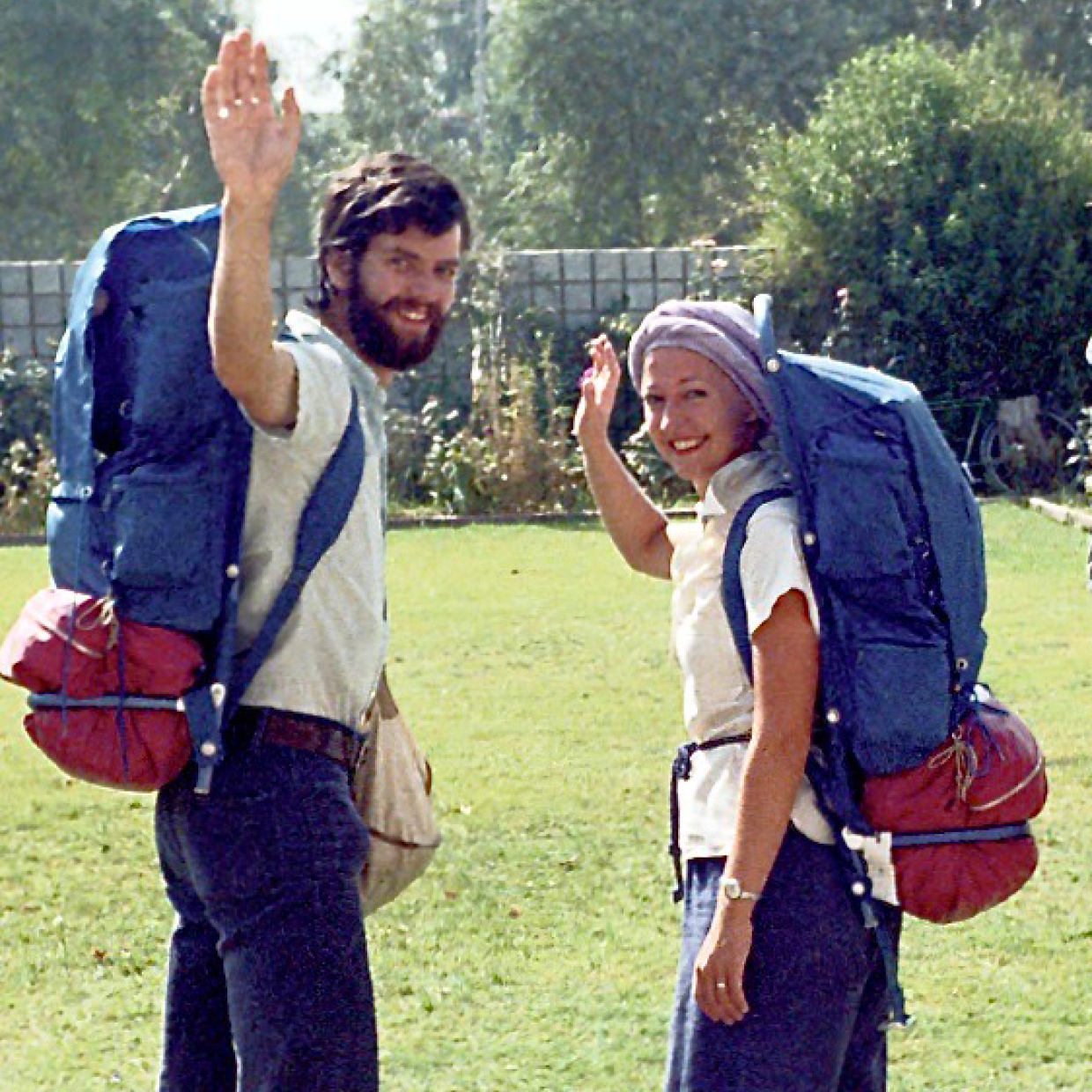
Sylvia: Back then, I was very interested in the ancient sites in Greece, Turkey, and Mesopotamia. So our next two trips took us there.
Holger: Iraq in 1978 was definitely “intense” and shaped our later travel style. Since then, very little has been able to shake us on our travels.
When did Sylvia and Holger actually become “Chaos Tours,” and why—and who came up with the name?
Holger: There were always situations—whether in countries like China, which weren’t yet familiar with independent travel, or when planning trips—where it proved advantageous to be able to act as a tour operator. Since I had been deeply involved with chaos theory in my social-psychiatric research in the 1990s, I was the one who suggested the name Chaos Tours.
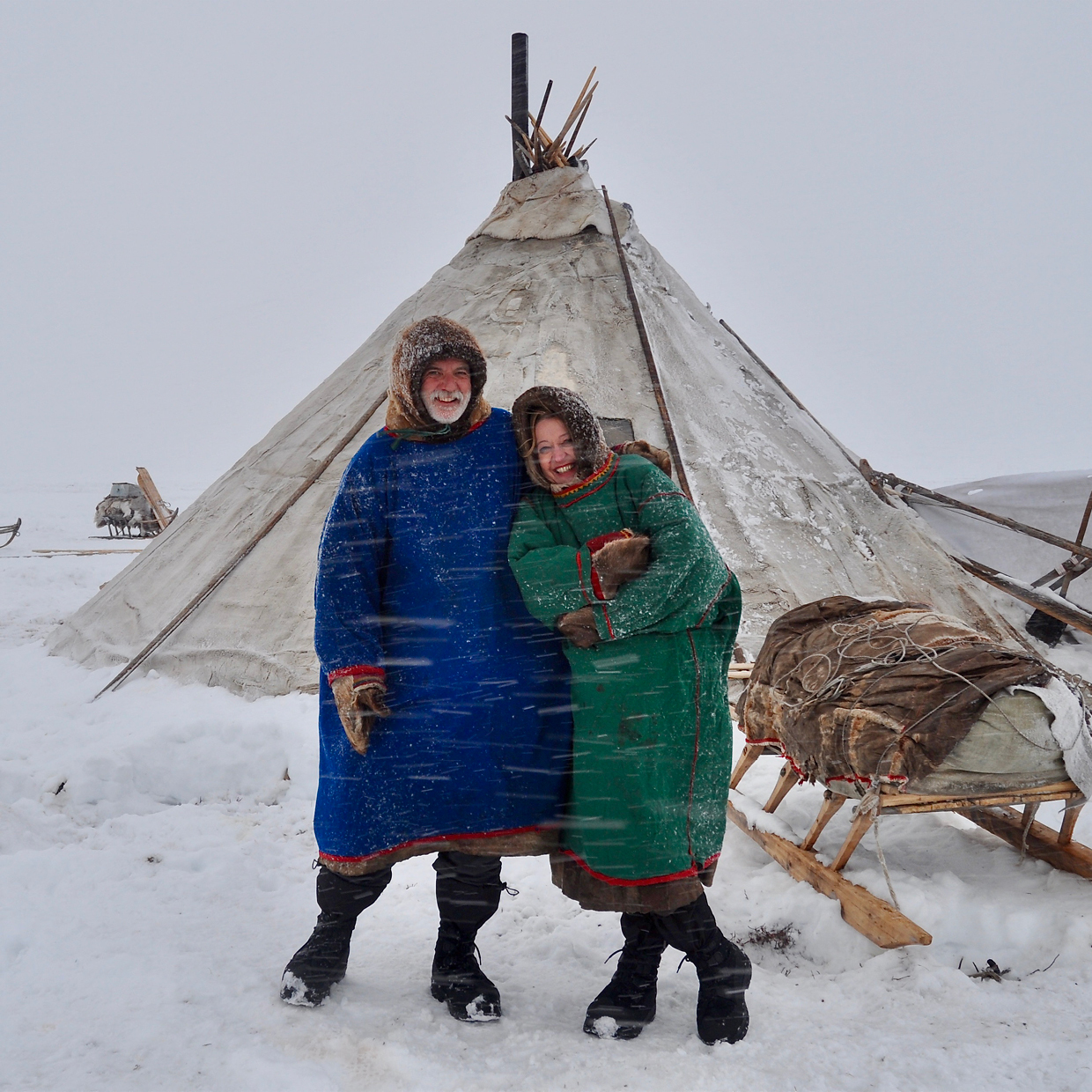
Sylvia: I thought the name was funny. The first thing that comes to mind, of course, is disorder and a lack of planning. But we actually plan our trips very carefully, while deliberately leaving room along the way for the unpredictable and the spontaneous.
Holger: In chaos theory, there are the concepts of self-organization and nonlinearity: small events can suddenly give rise to entirely new developments. That’s exactly what we experience on our trips. A chance encounter, a tip from someone, or an unexpected situation can lead us to change our plans if the new option is more interesting than the original one—and often, that’s exactly what turns out to be the most exciting experience. So our “chaos” isn’t a lack of planning, but rather the freedom to let the journey unfold on its own to some extent.
“Our ‘chaos’ is therefore not a lack of planning, but rather the freedom to let the journey unfold on its own to some extent.”
Has traveling over the decades made you view the world with more optimism or pessimism?
Sylvia: Generally speaking, more optimistic. It makes a big difference whether you’ve experienced a country and its people firsthand or only know them from the news.
Holger: Our encounters with people in all those countries—even the poorest ones or those under totalitarian rule—have always been positive. We’ve practically never had any bad experiences.
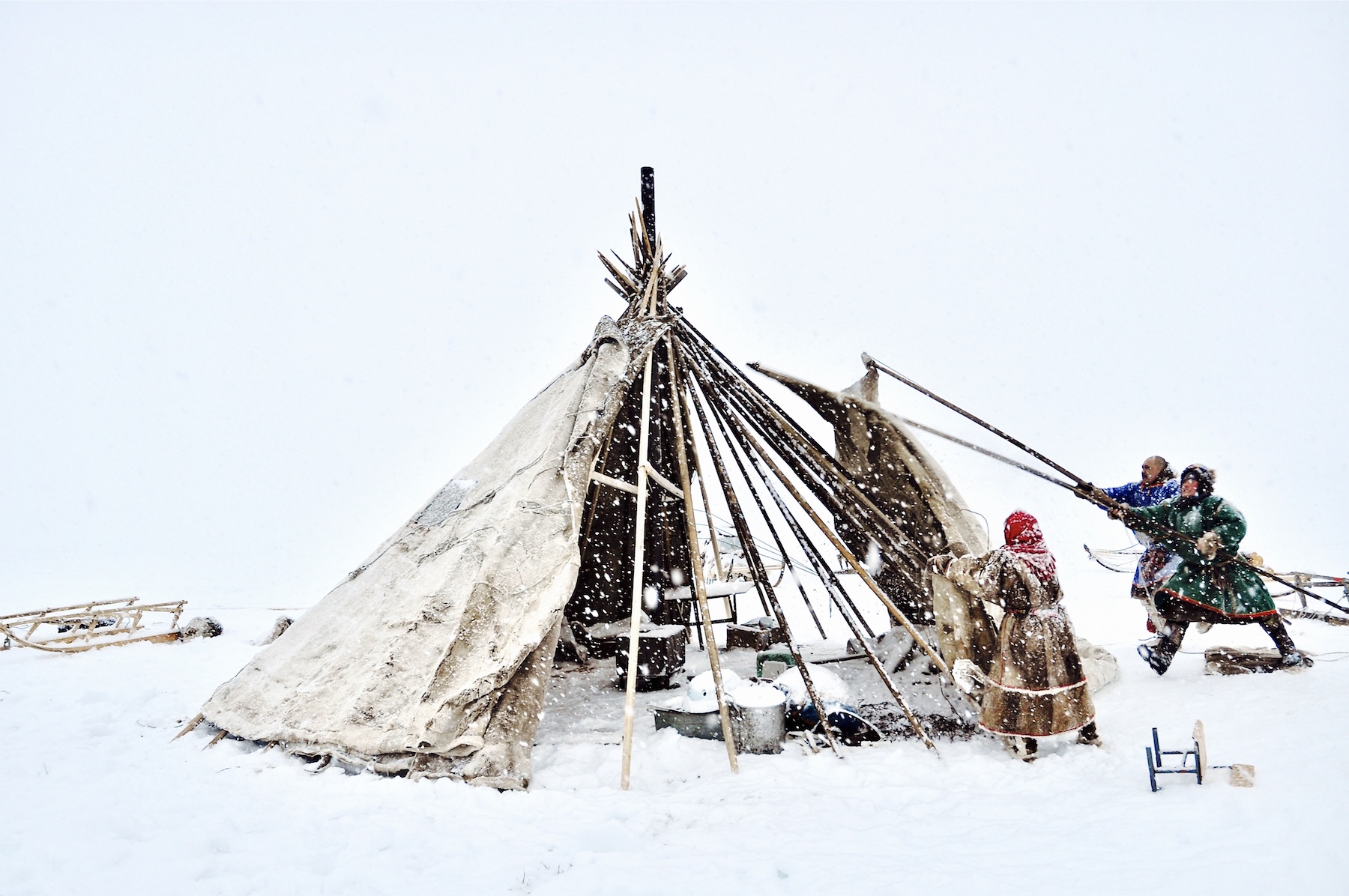
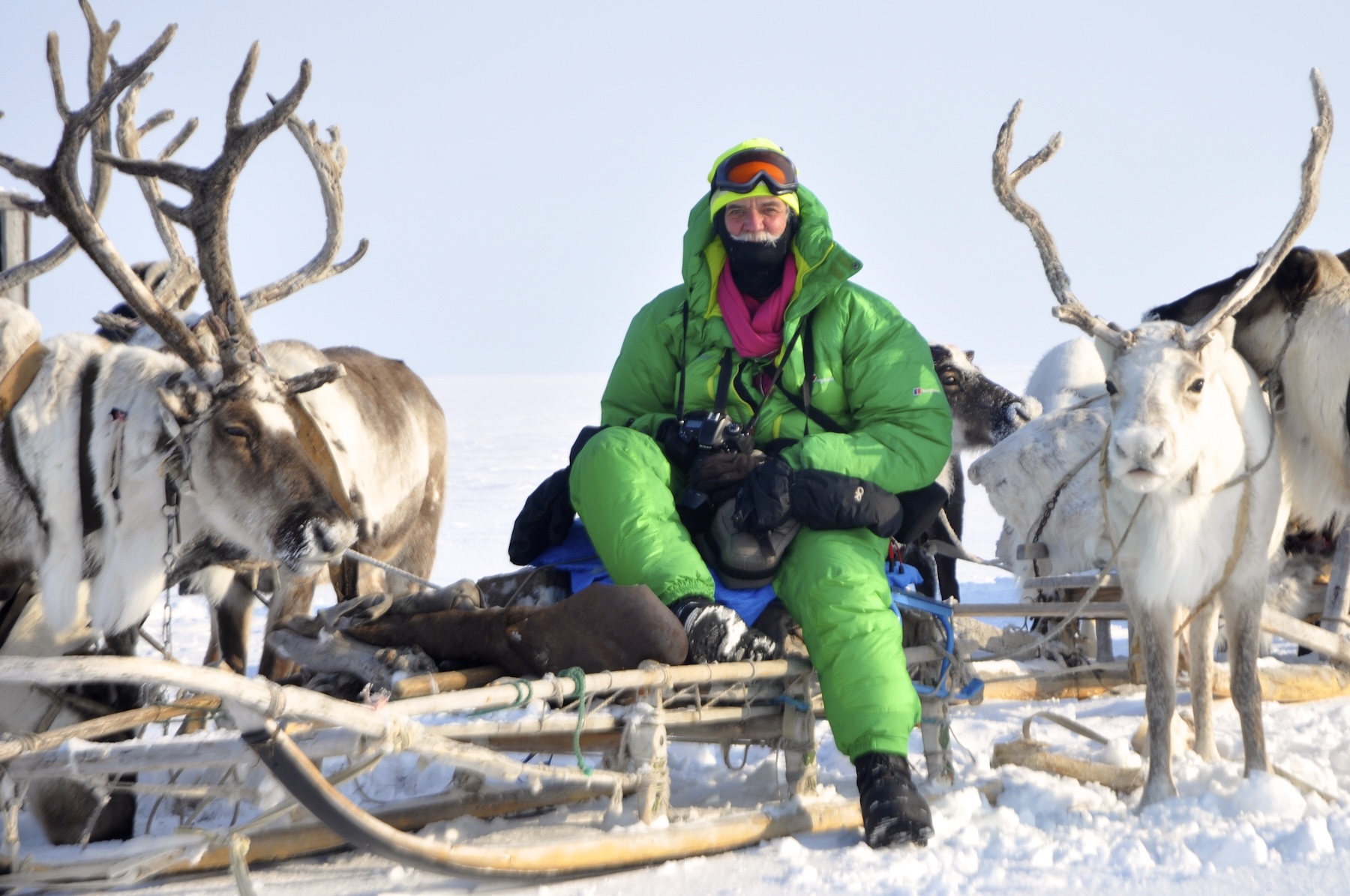
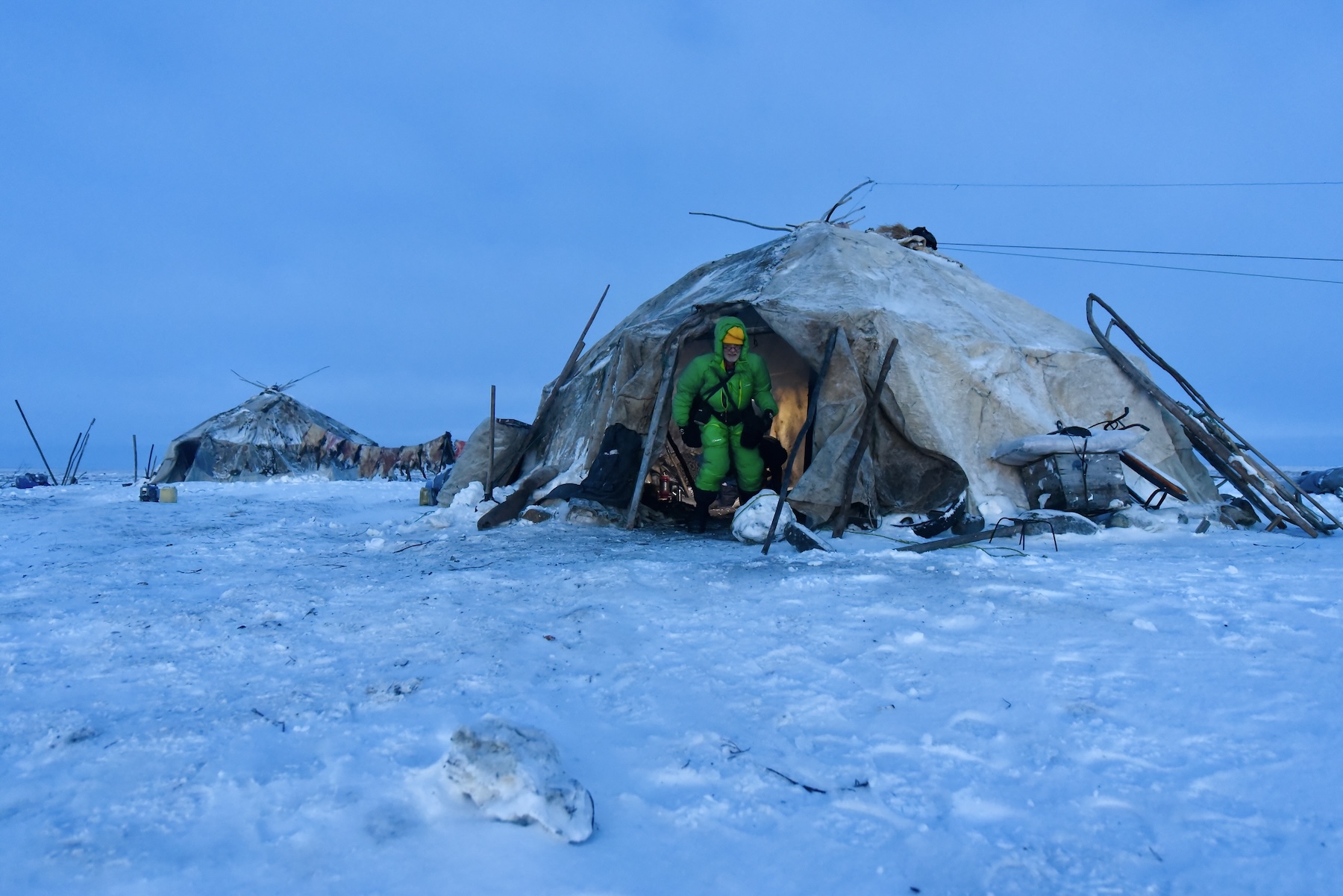
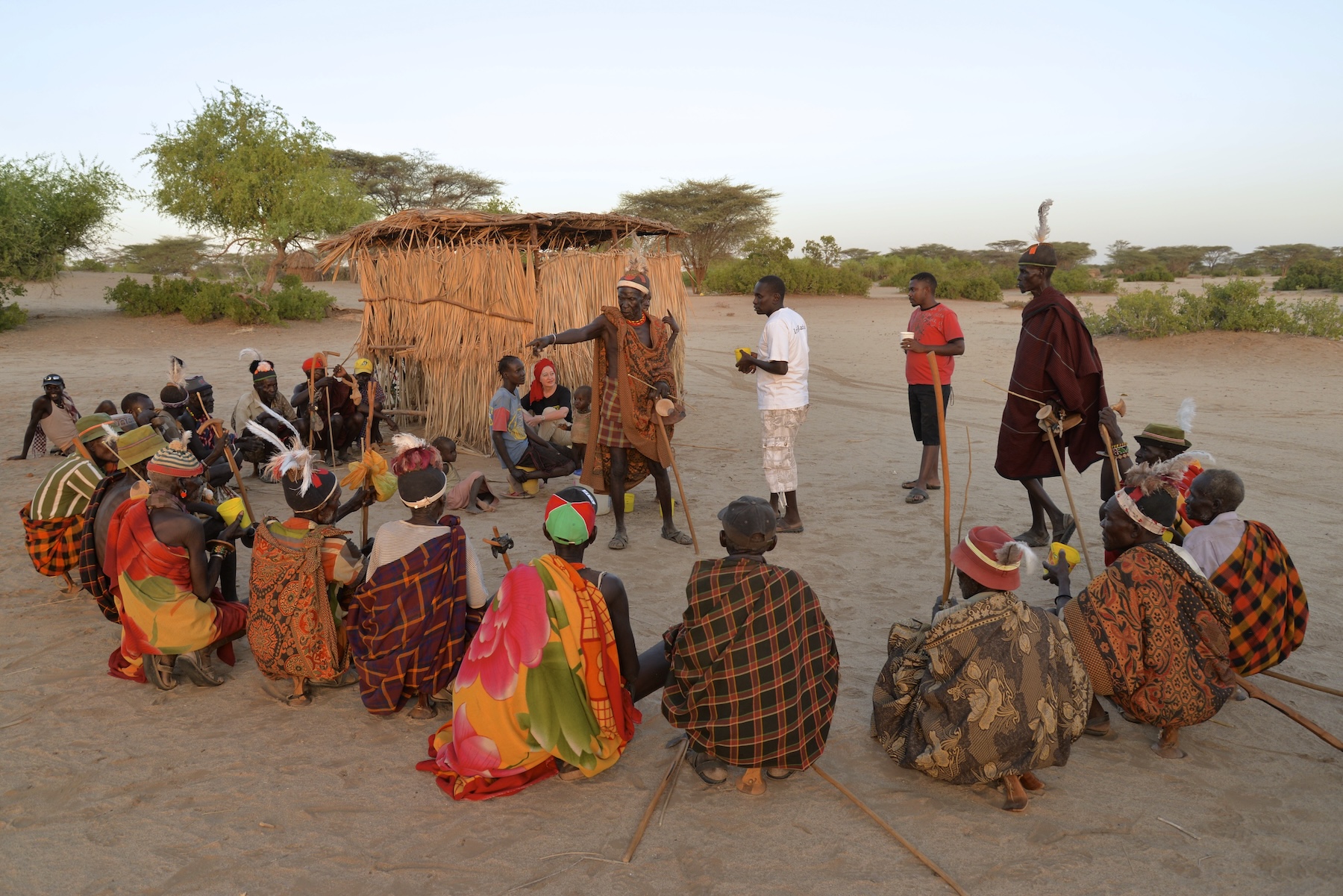
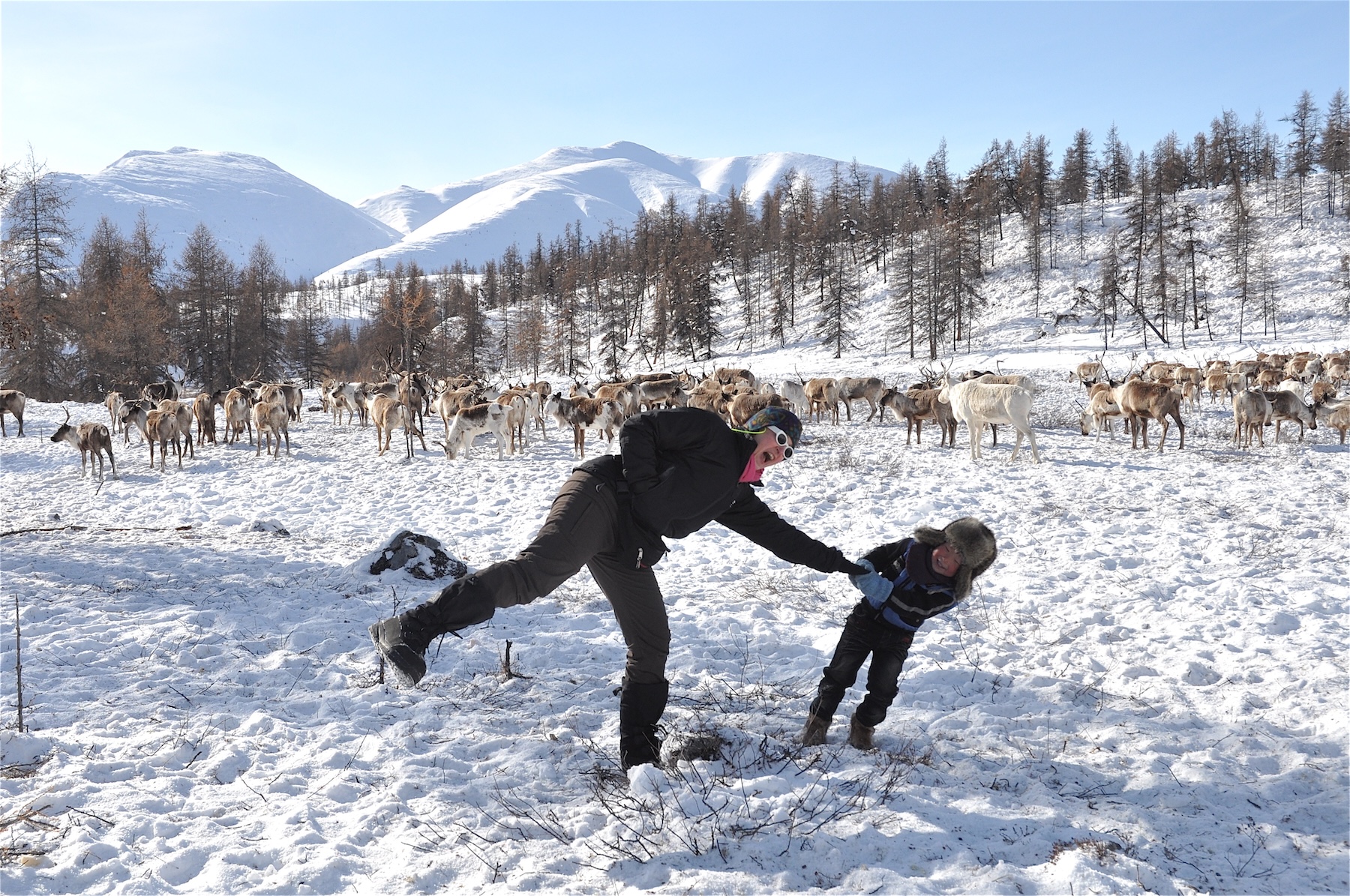
Sylvia: We’ve only started to view the world more pessimistically since the start of Russia’s “special military operation.” We’ve been to Russia more than ten times—especially to Siberia to visit the nomads—and we’ve taken the people there into our hearts. We so dearly hope for the country’s opening up and for its economic success.
Holger: But it wasn’t just the war in Ukraine; conflicts were also becoming more frequent elsewhere, and government authorities were advising against travel to an increasing number of countries—surprisingly, not including travel to the U.S.
Sylvia: We’re also concerned about the spread of Islamism and its associated consequences…
Holger: …which are still underestimated in many places.
“It makes a big difference whether you’ve experienced a country and its people firsthand or only know them from the news.”
Which is harder: spending months traveling together in a small space—or coming home afterward?
Holger: The spontaneous answer is: neither.
Sylvia: We’re always happy to come home. So many wonderful, interesting things and new challenges await us—whether during our working lives or even now…
Holger: …which, of course, also includes sorting through the photos, writing reports, and planning our next trips.
Sylvia: Because we’ve been very active in various fields alongside our careers and feel very at home in Bern and in Switzerland, trips lasting several months have remained the exception for us.
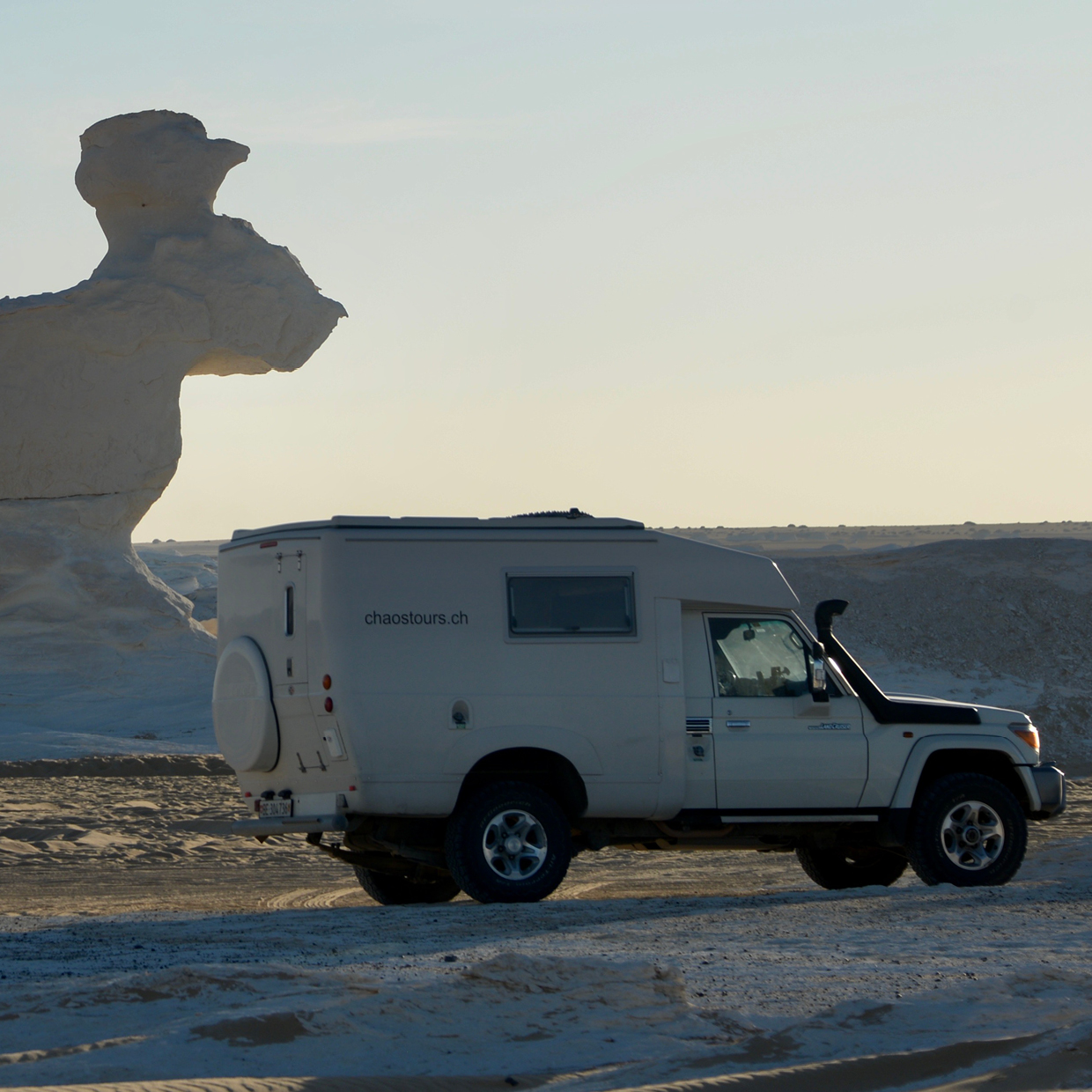
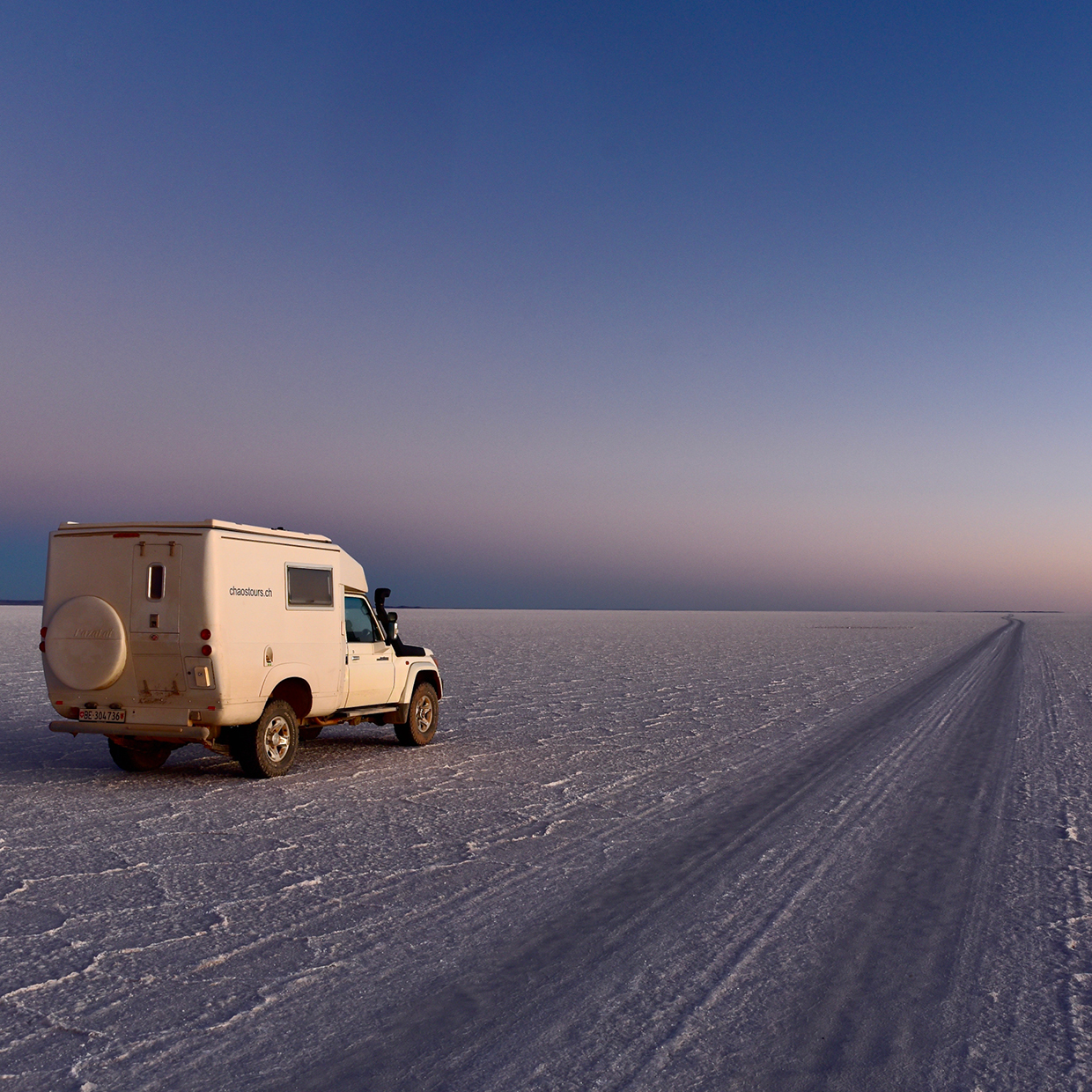
Holger: Our longest trip was in 2019 in our Land Cruiser, which Sylvia christened “Monsterli.” It lasted a good five months. We didn’t buy the Monsterli until 2017, with our retirement in mind. We’re very comfortable in it, and it never felt too cramped.
Sylvia: However, we prefer to get around on foot or by local transportation. Shorter trips also have the advantage that we have to narrow our focus, allowing us to immerse ourselves more deeply in a single place, which makes the experience more intense.
Holger: The joy of setting out anew time and again comes before the joy of returning. Of course, it’s reassuring to know that we can return at any time.
Is there a place in the world where you’ve thought to yourselves, even for just a moment, “We could stay here, too”?
Holger: Not really. … Maybe in the Engadin.
Sylvia: Sure, we’ve been to some amazing places that captivated us, but not to the point where we’d want to stay there permanently. We’re too deeply rooted here for that.
If you had to stop traveling tomorrow, what would you miss the most—the places, the people, or the experience of traveling together?
Holger: The shared experience. Discovering the world together, getting to know new cultures and, of course, the people who live there, and being able to share in their daily lives.
Sylvia: Well, then I guess we’d just have to go on virtual trips together.
The Taj Mahal, the Art Biennale, nights spent with villagers and charcoal burners: For you, all of that is part of traveling. When did you realize that people are actually your destinations?
Sylvia: It all started back in 1977 on our trip to Turkey. We’d never experienced that kind of warmth and hospitality before.
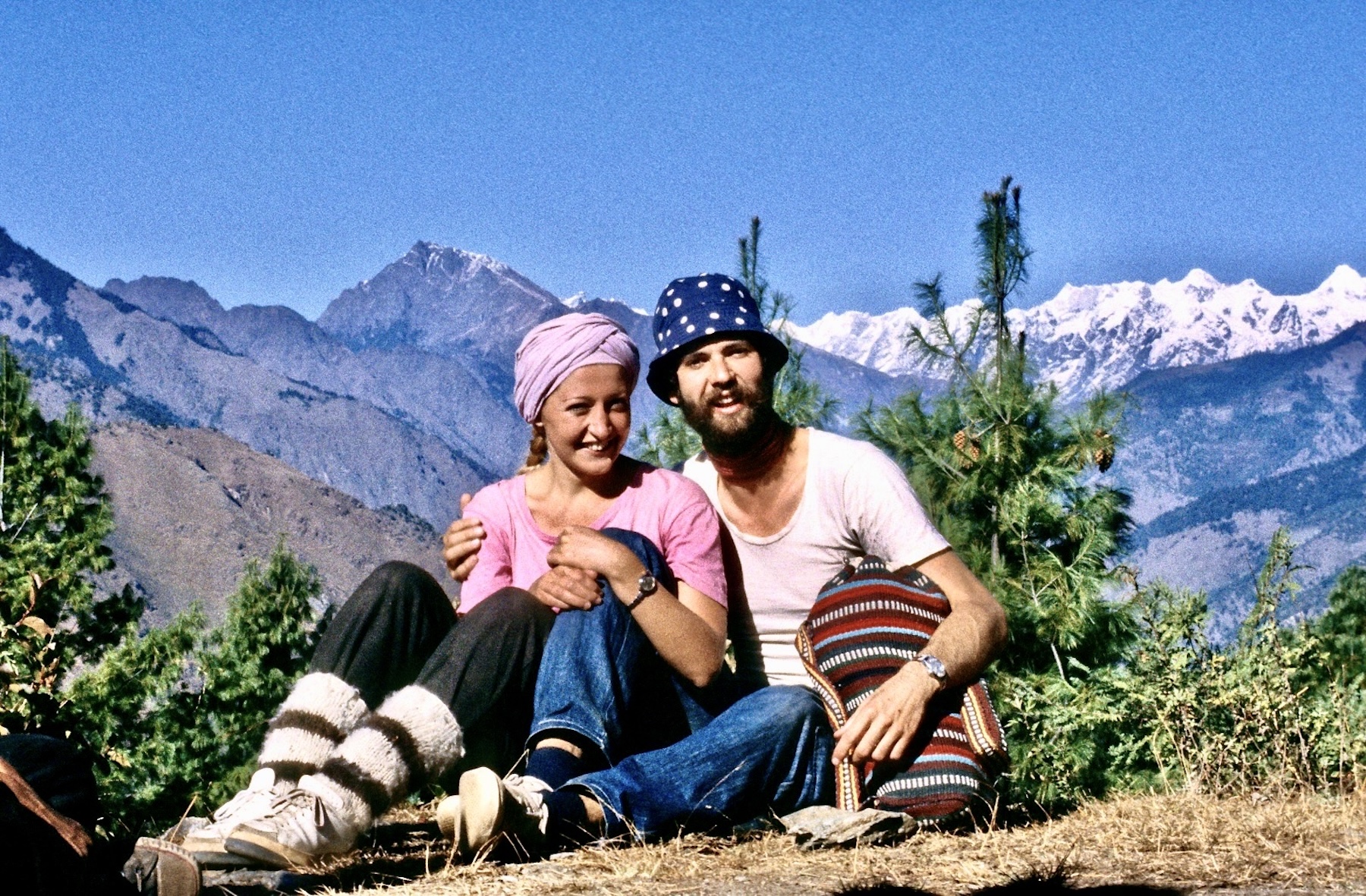
Holger: Another important experience for us was the Langtang trek in Nepal in 1981, where we were able to stay in the villagers’ homes and devoured dal bhat three times a day with great relish.
Sylvia: With our visit to the Dogon in Mali in 1982, we then turned our attention away from “dead” cultures toward living ones.
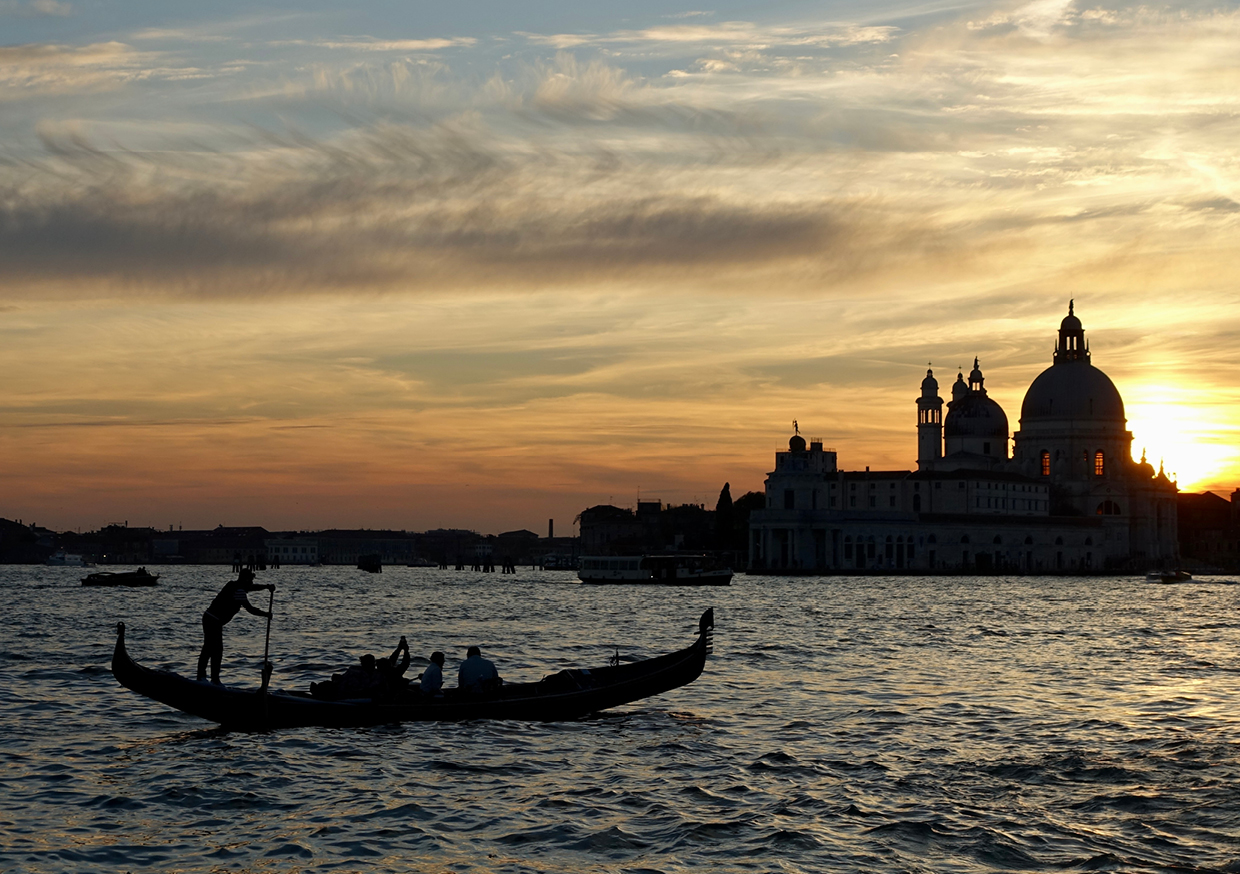
Holger: Of course, we’re also thrilled by sights like the Taj Mahal, Angkor Wat, the Egyptian temples (especially when, like us, you can experience them practically all to yourself during the COVID-19 pandemic), or New York, Shanghai, and Venice, where we regularly attend the art biennales.


You often travel to places where other tourists never go. What are you actually looking for there: the unknown—or perhaps a world that will soon cease to exist?
Holger: We seek out traditions that are unfamiliar to us, as intact and vibrant as possible. The more authentic, foreign, and incomprehensible they are, the more appealing they are.
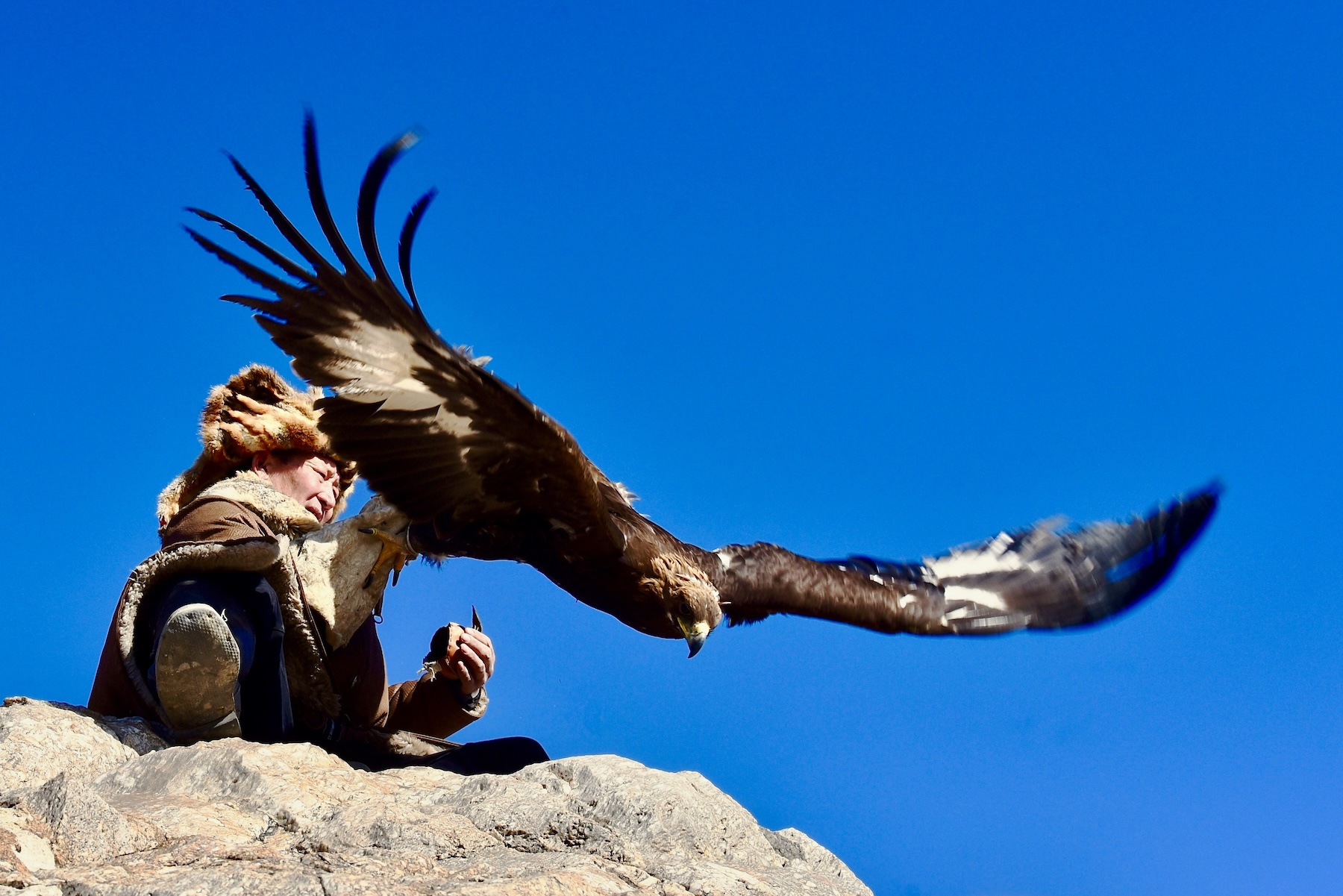
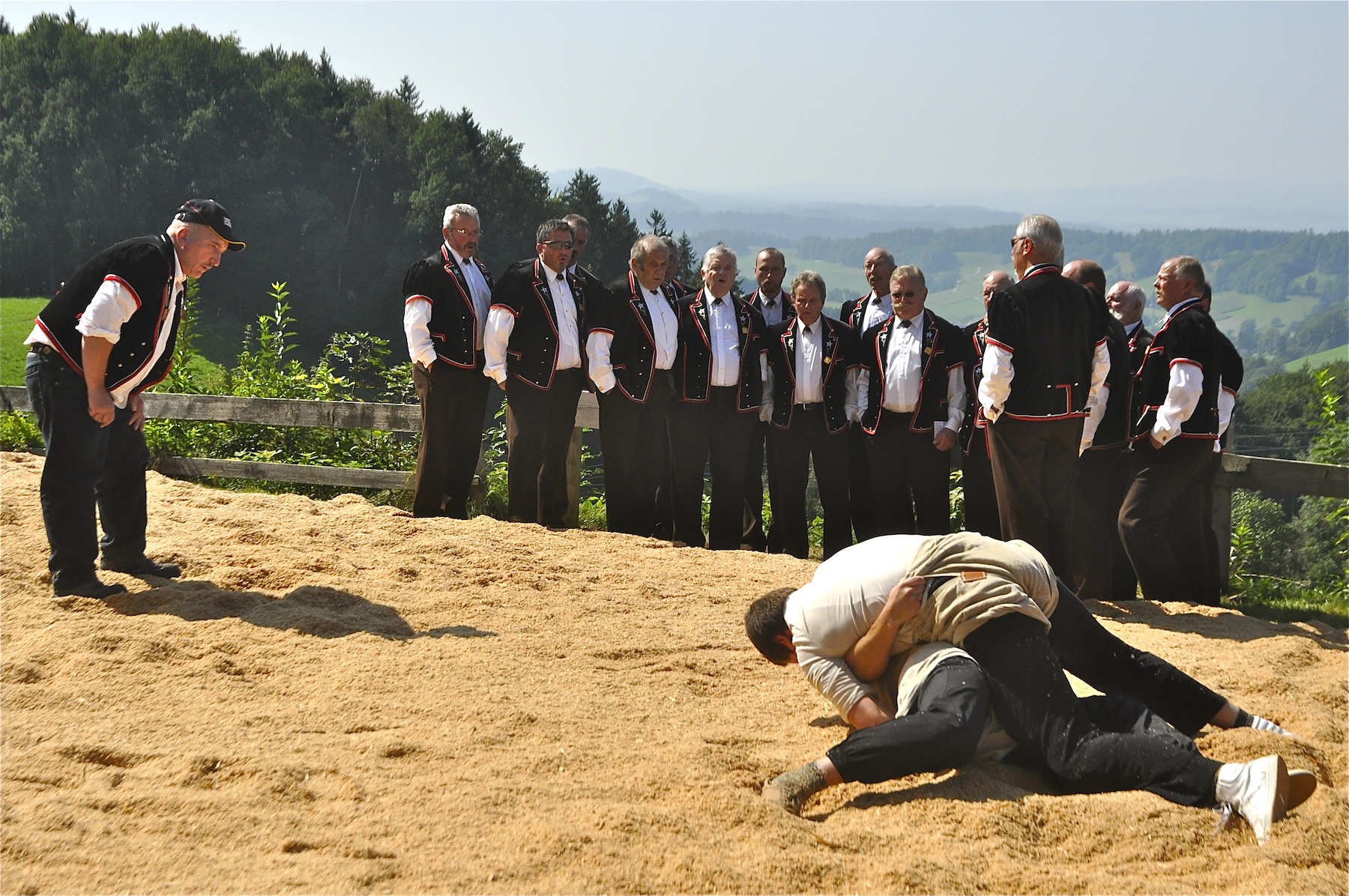
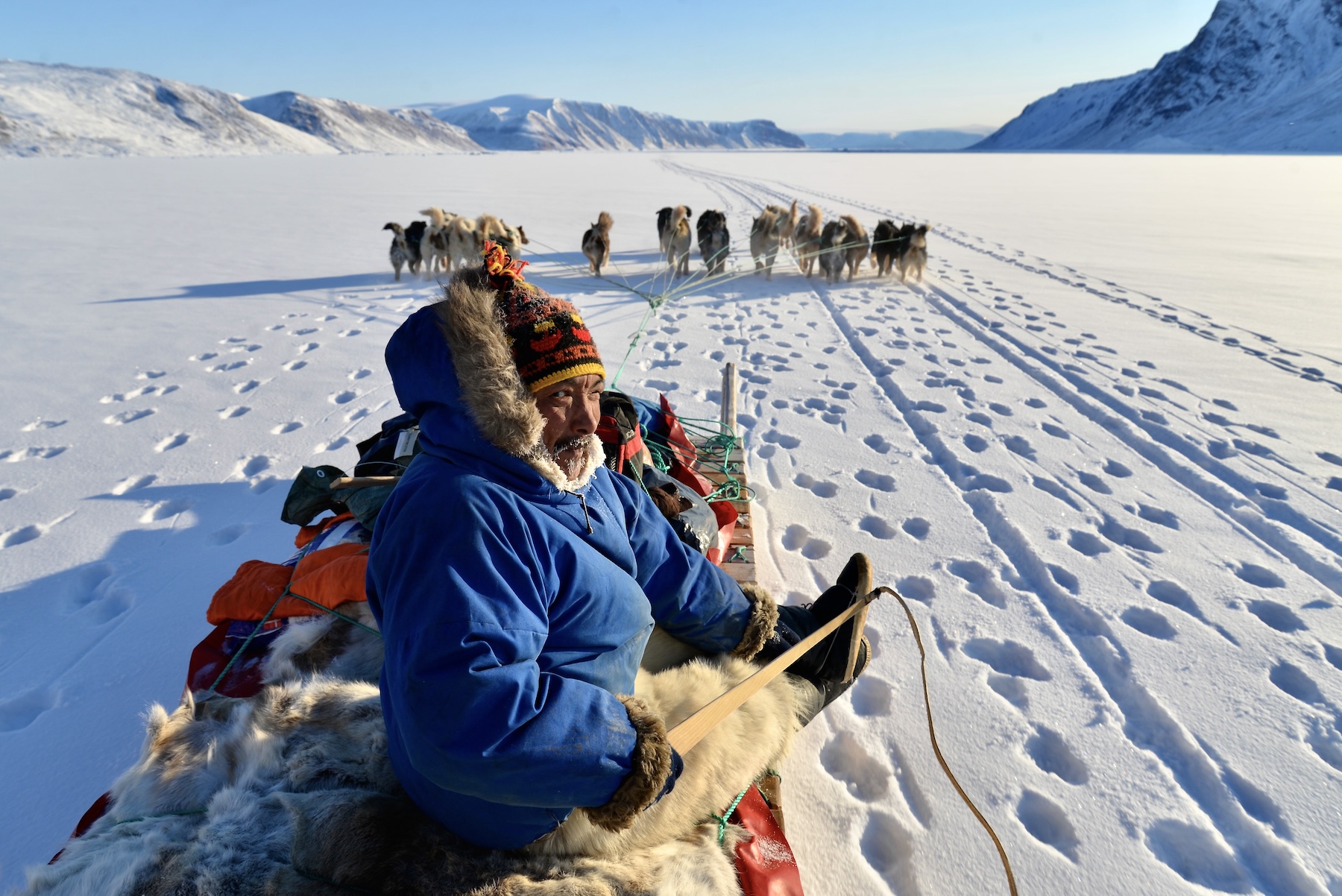
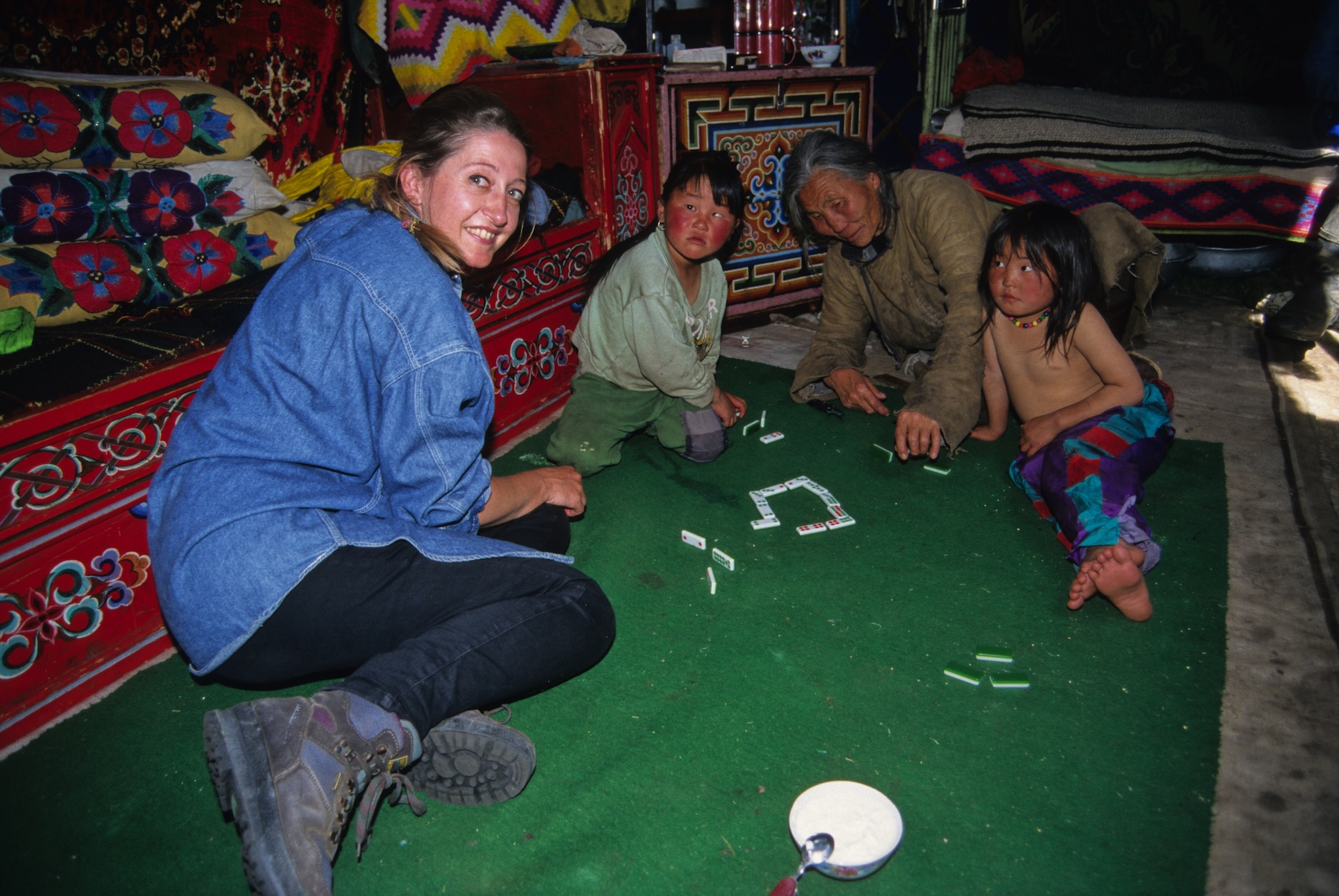
Sylvia: People sense that we’re passionate about their culture. Maybe that helps us show them that it’s worth preserving. Time and again, we encounter cultures that aren’t disappearing but are actually experiencing a boom. I’m thinking, for example, of the Kazakh eagle hunters in Western Mongolia or the traditions of Schwingen and yodeling in Switzerland. We find that many peoples are highly adaptable to modern technology: generating electricity with solar panels to power wells in an Indian village, or using wind turbines near a Mongolian ger to power a television. We’ve observed adaptability to climate change among the seal hunters in Greenland: they’re switching to catching internationally sought-after black halibut. The world is constantly changing. Those who can adapt will survive—just as Darwin said.
As a traveler, what do you need to do to ensure that a visit truly becomes an encounter?
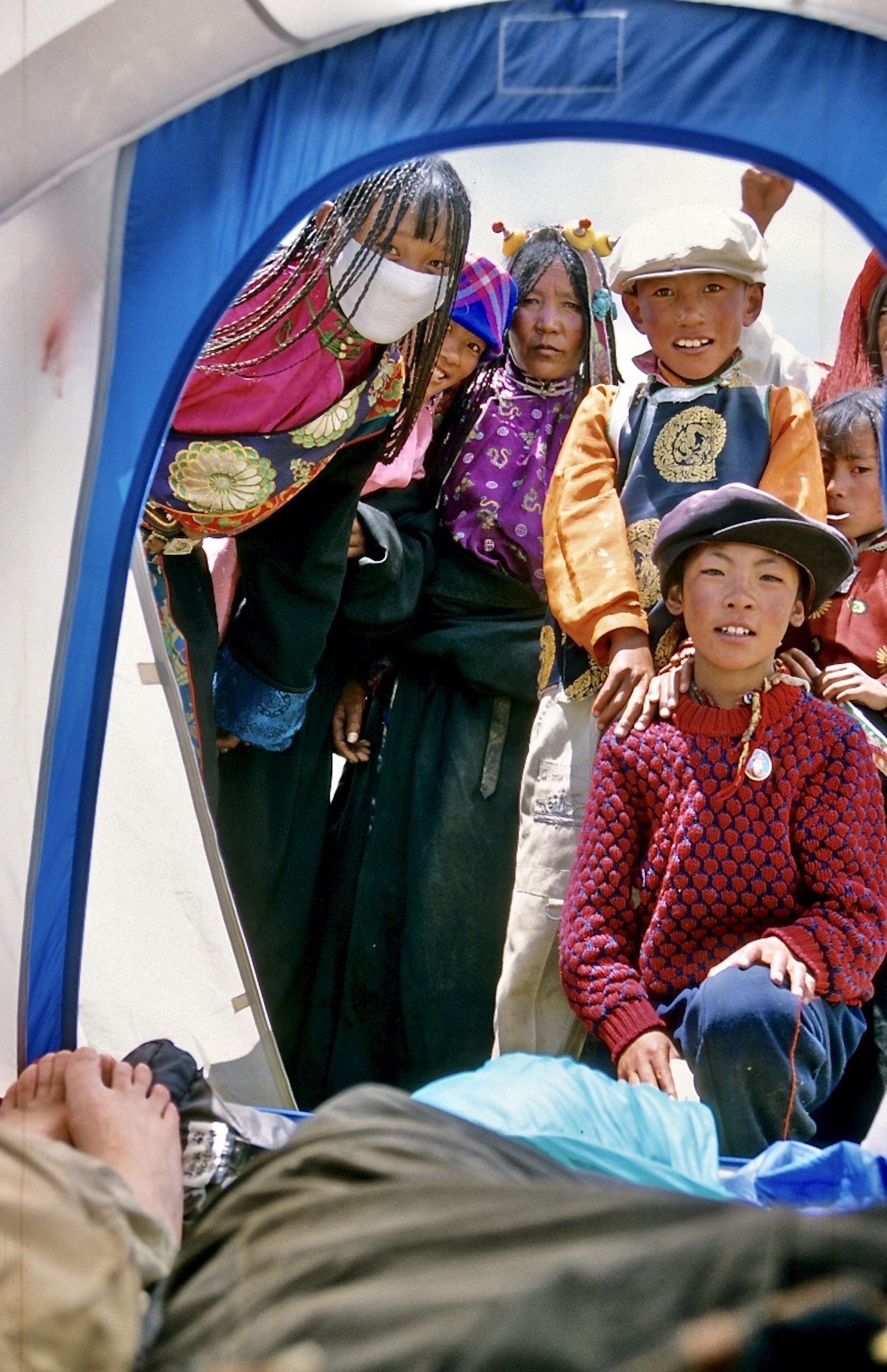
Sylvia: We strive to interact with people in a reserved and respectful manner, to show our interest in them, their work, and their culture, but also to allow them to be curious about us.
Holger: We familiarize ourselves with their culture and living conditions well in advance. Ideally, we take the time to immerse ourselves in their lives, accompany them in their daily routines, observe them, ask questions, and listen.
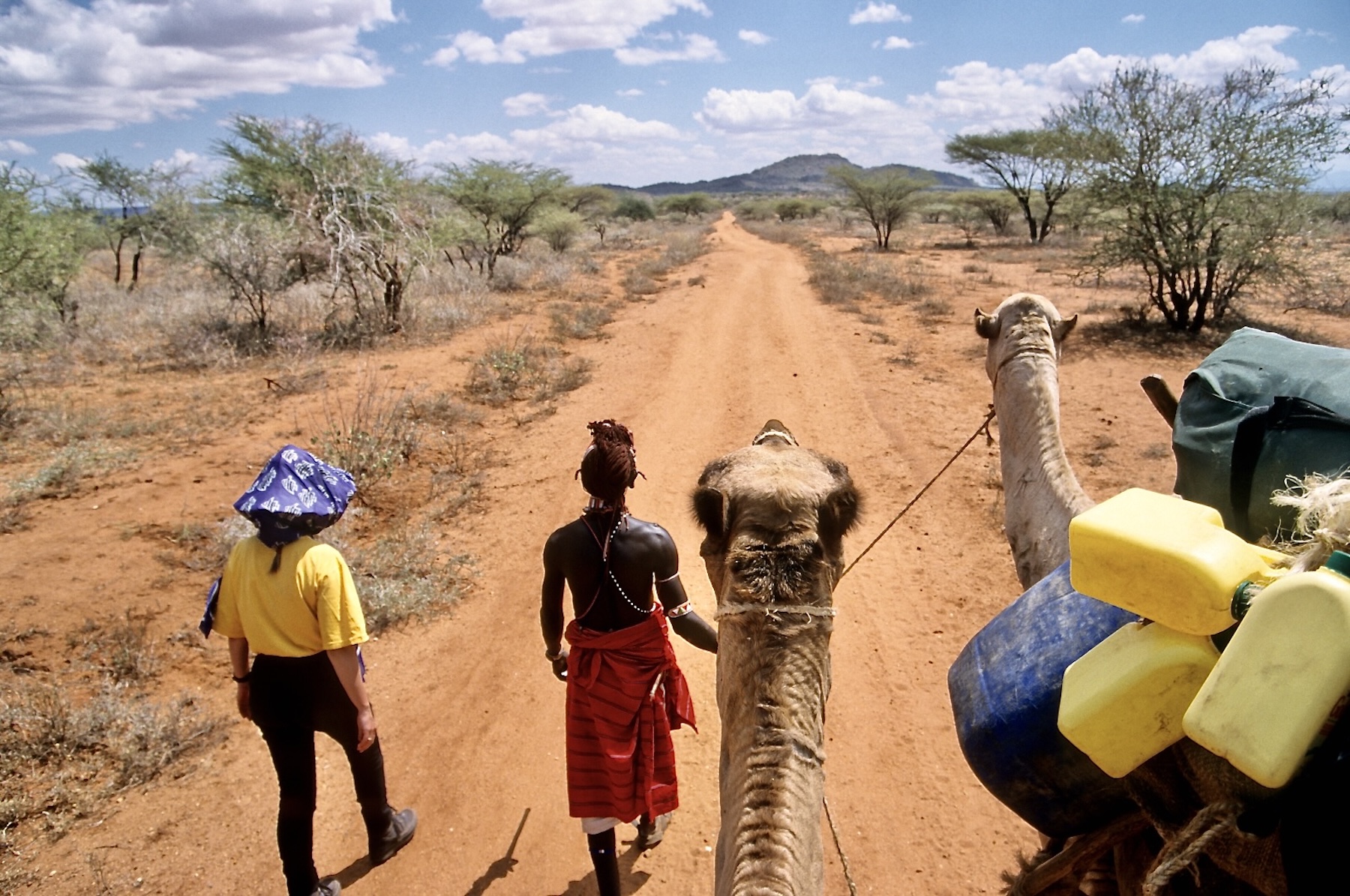
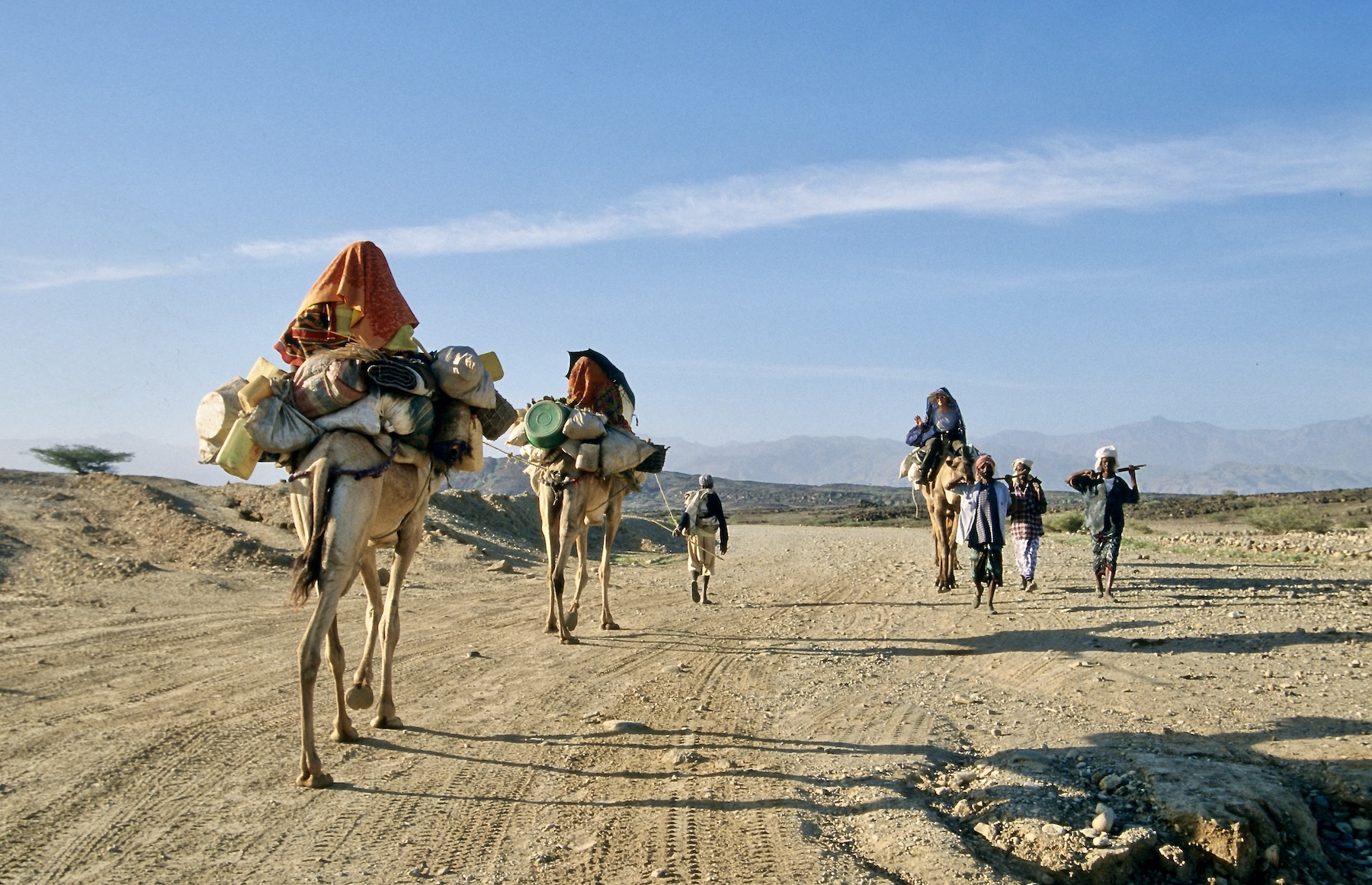
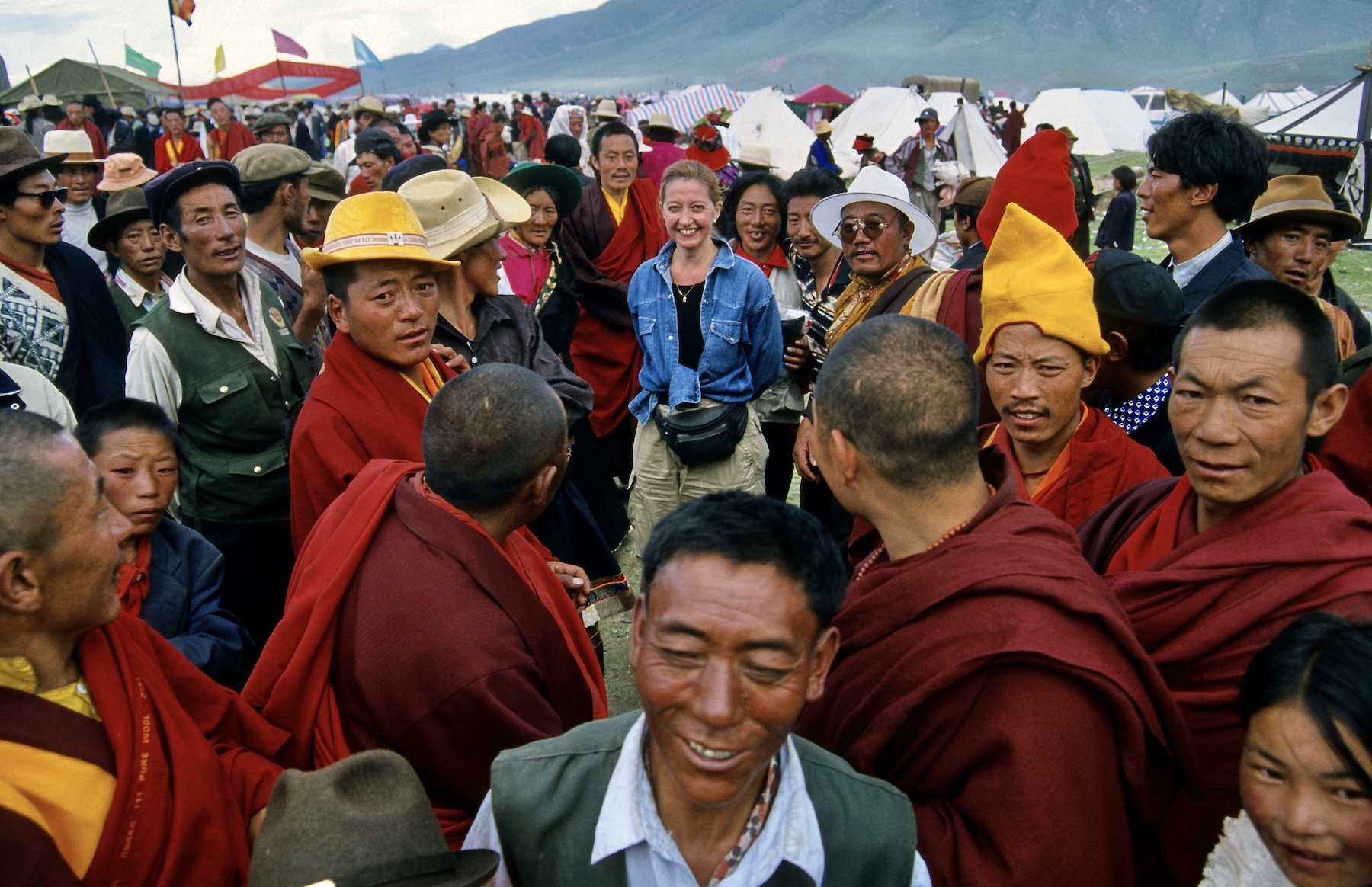
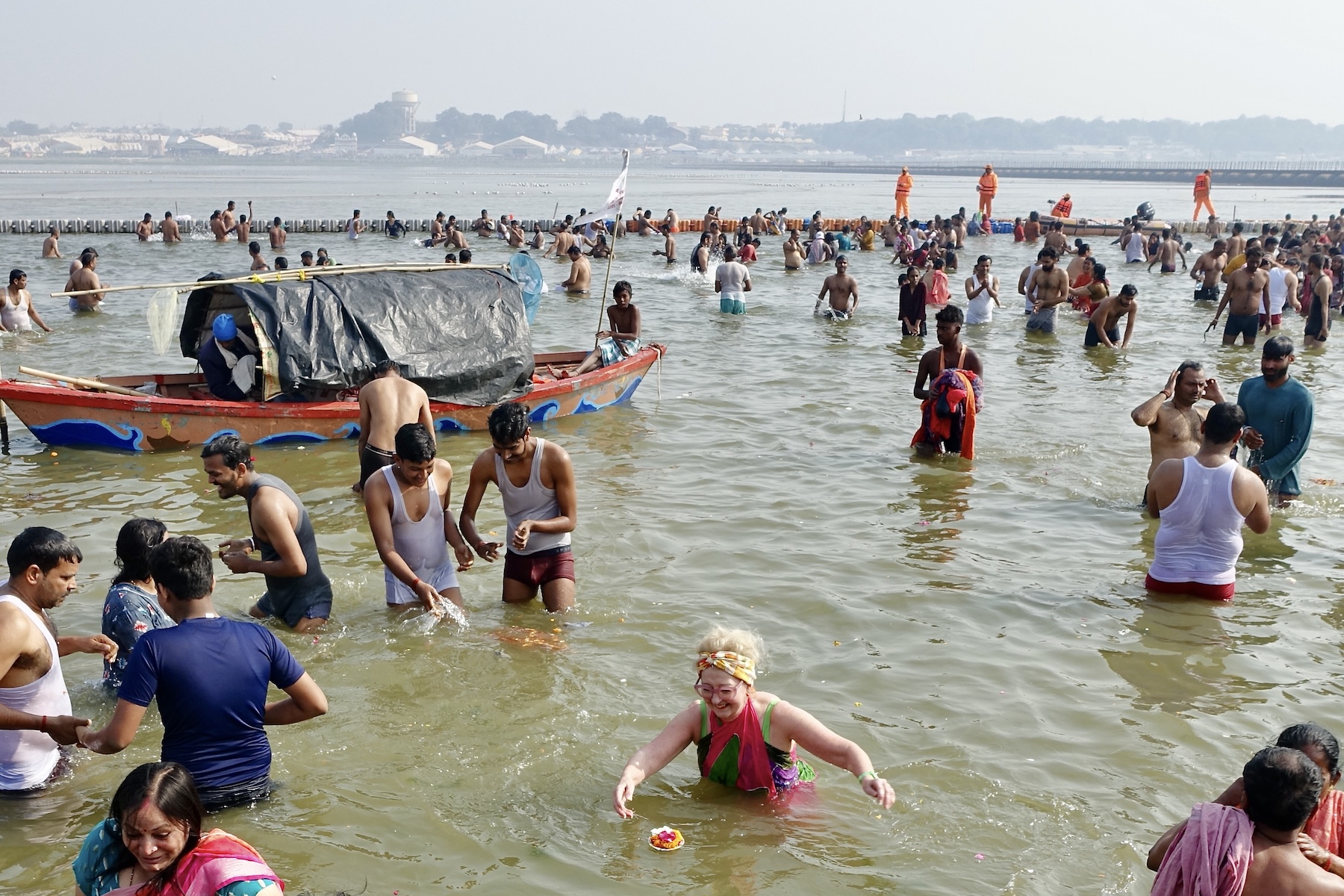
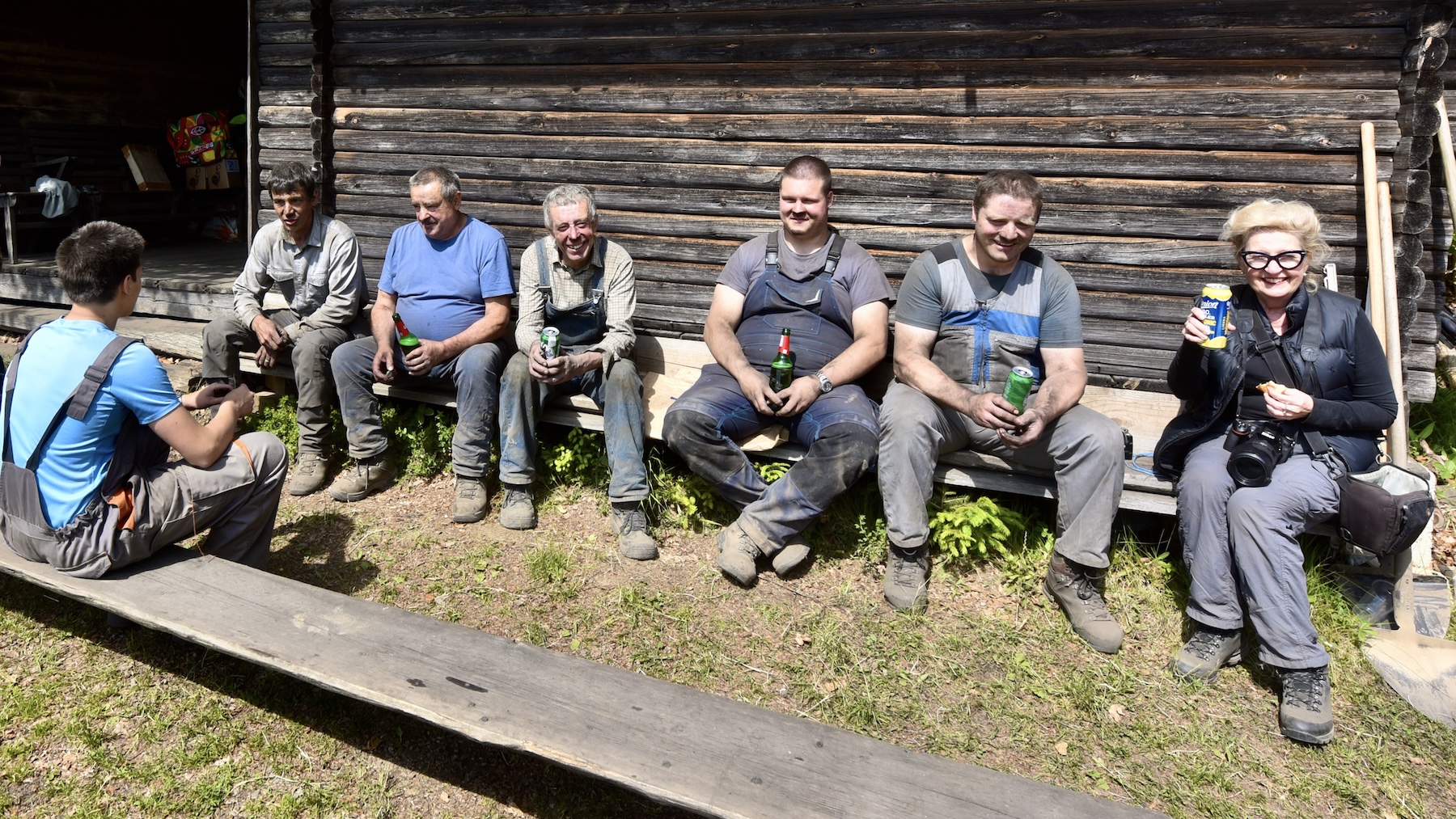
Sylvia: This was particularly possible when we were able to accompany the nomads on their migrations, spend the nights with the charcoal burners at their kilns, go hunting with the Pygmies, or take a sacred bath together with the pilgrims at the Kumbh Mela.
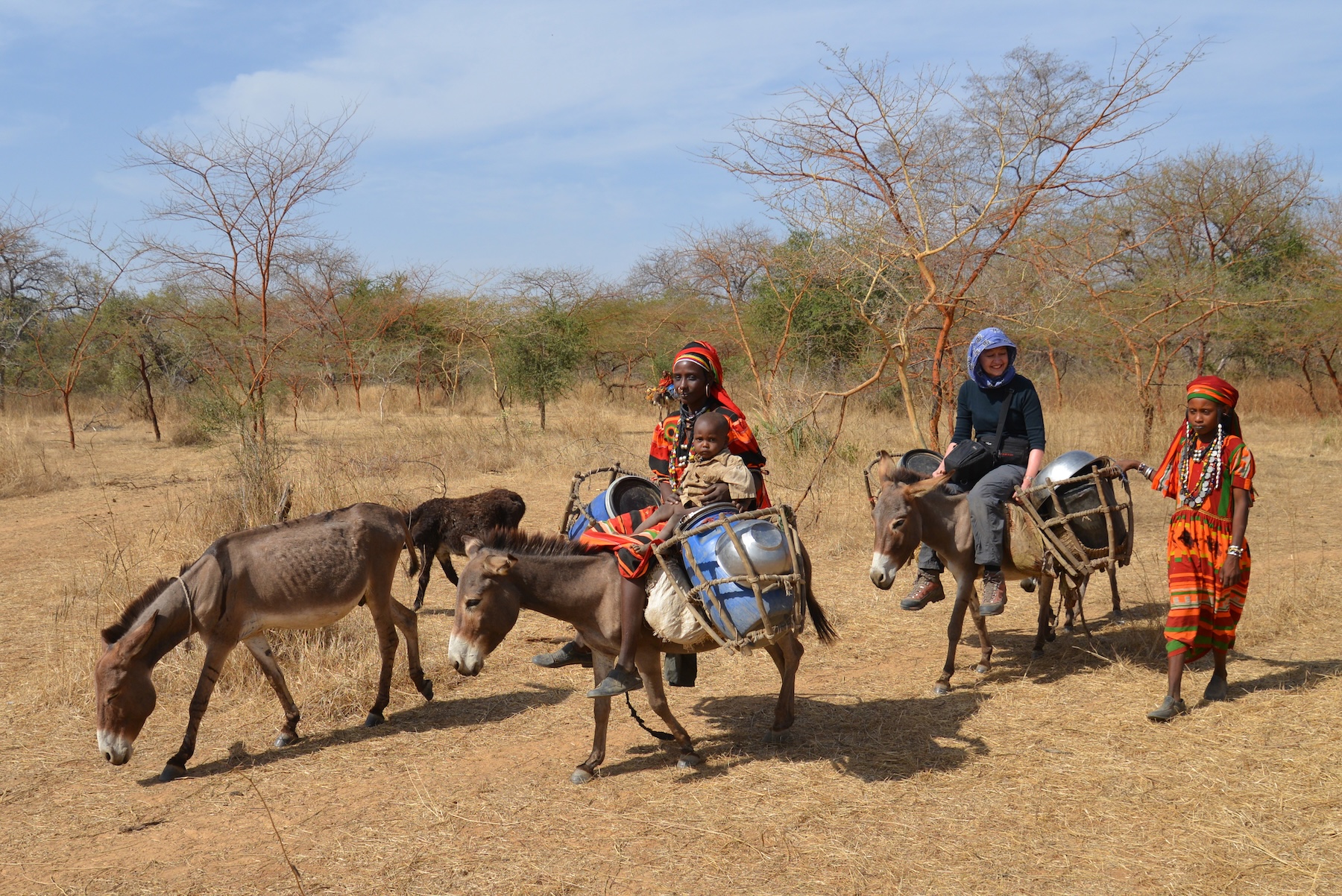
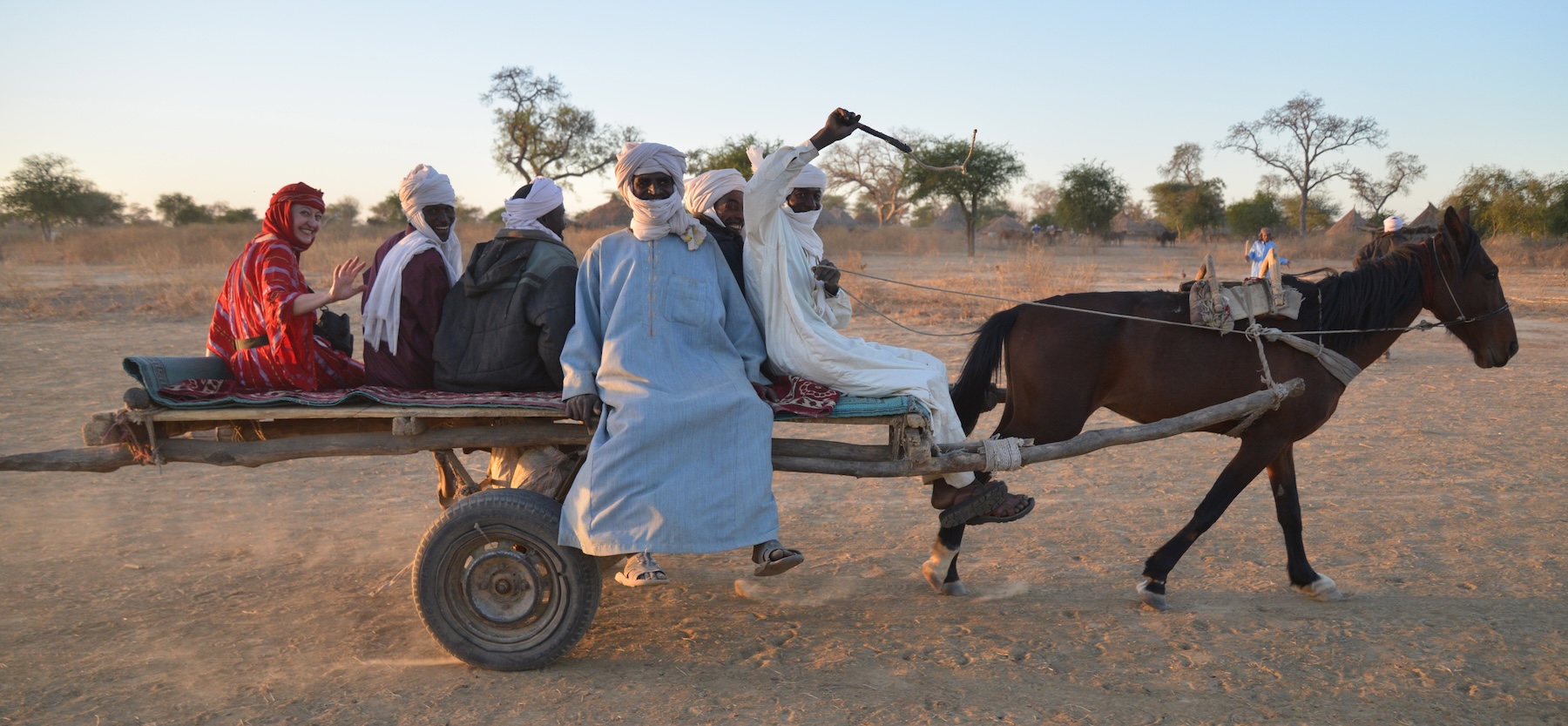
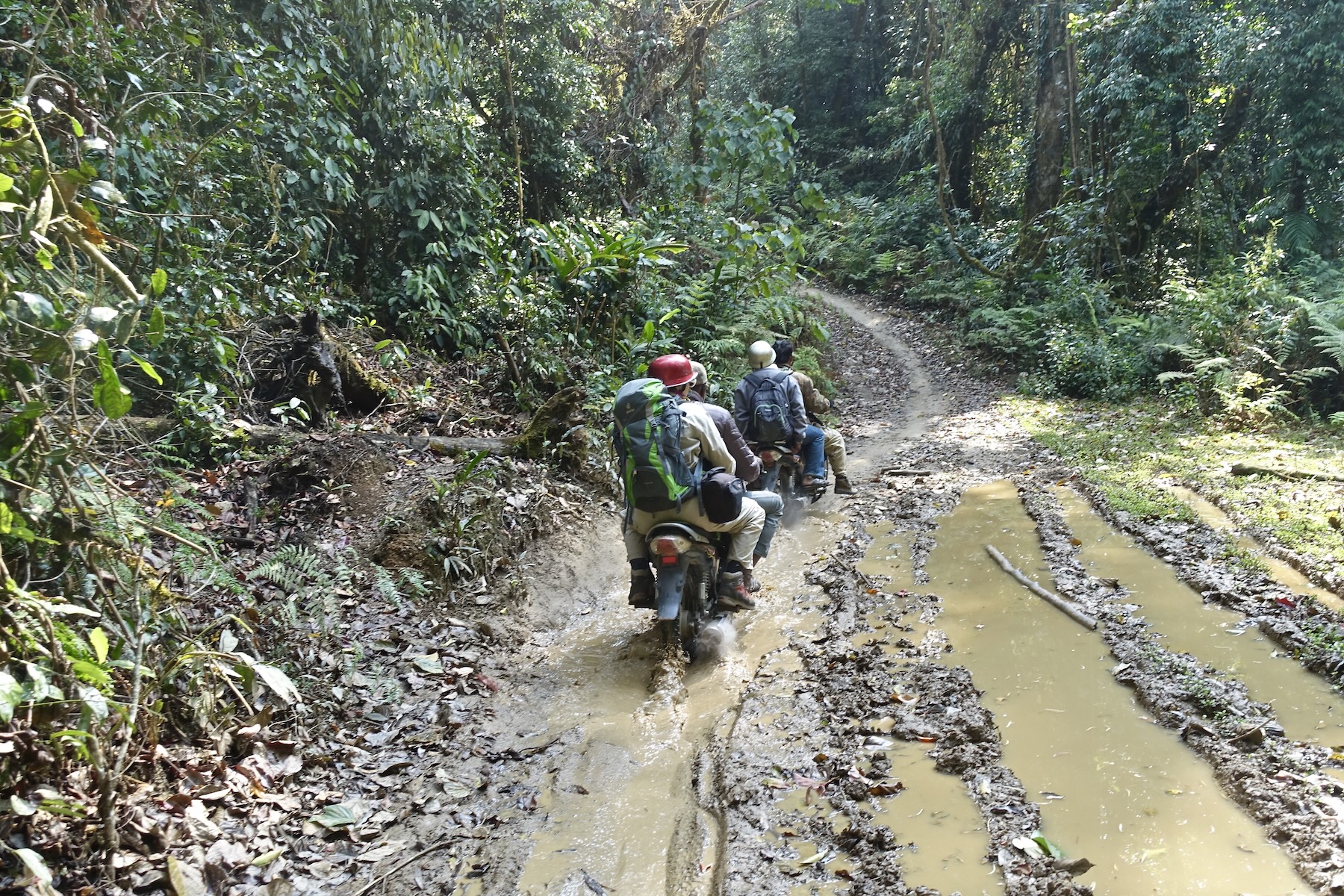
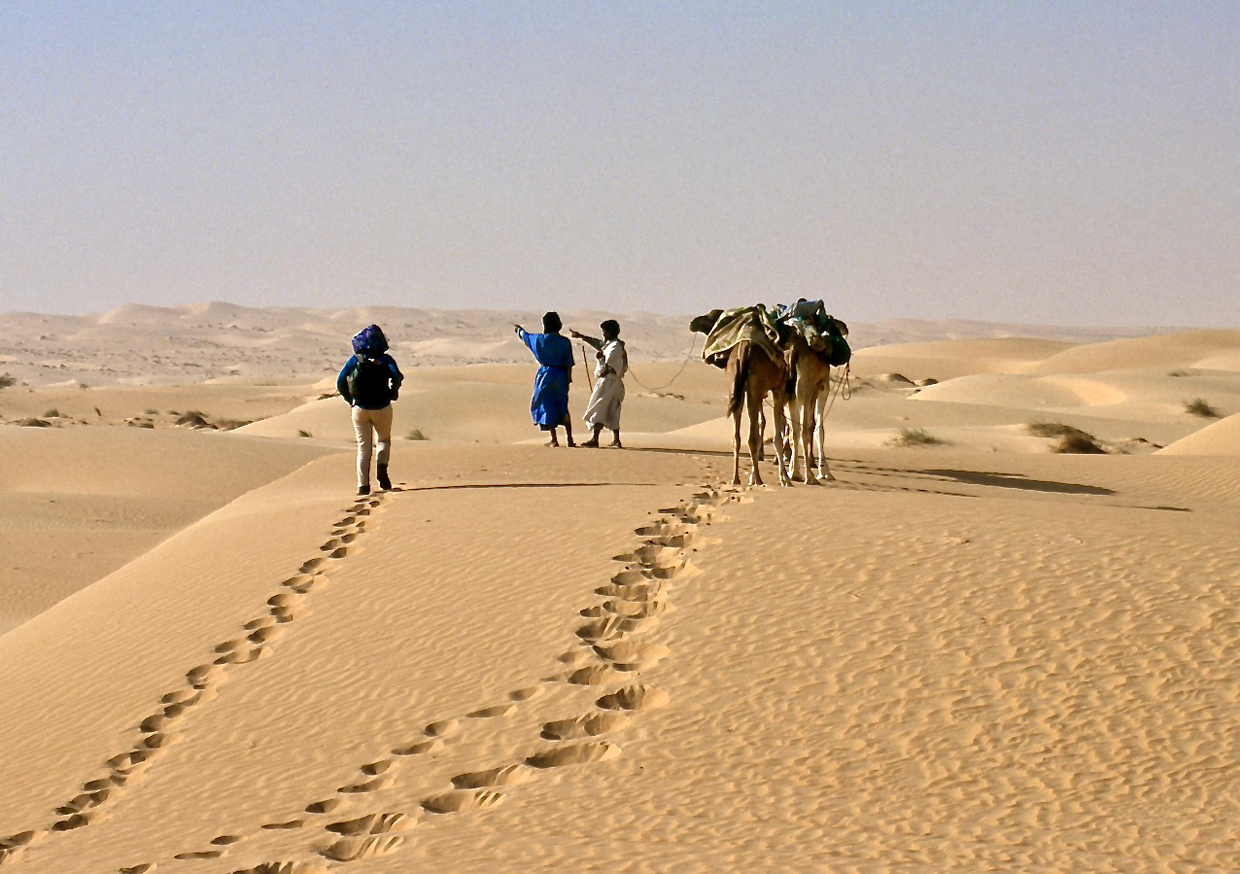
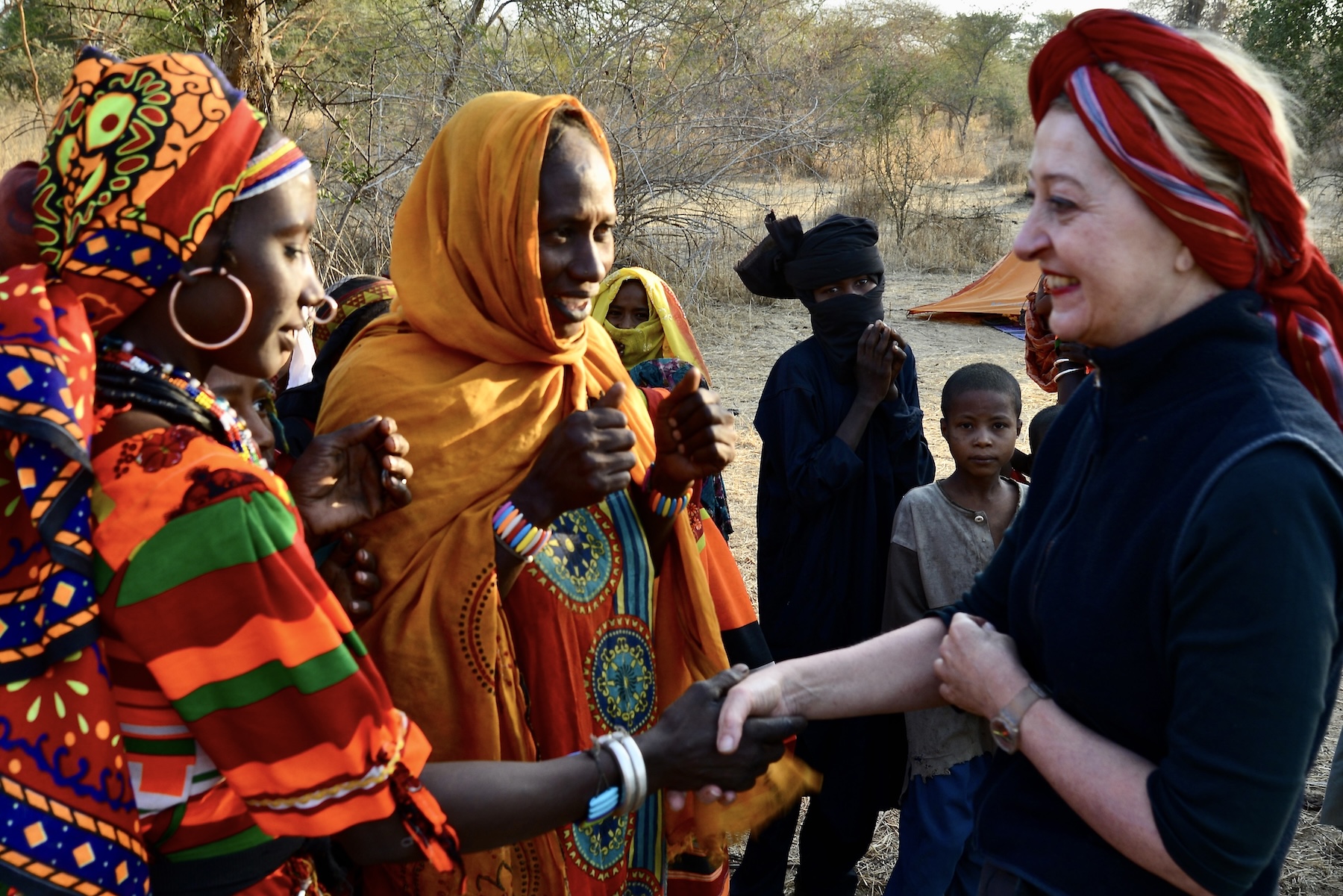
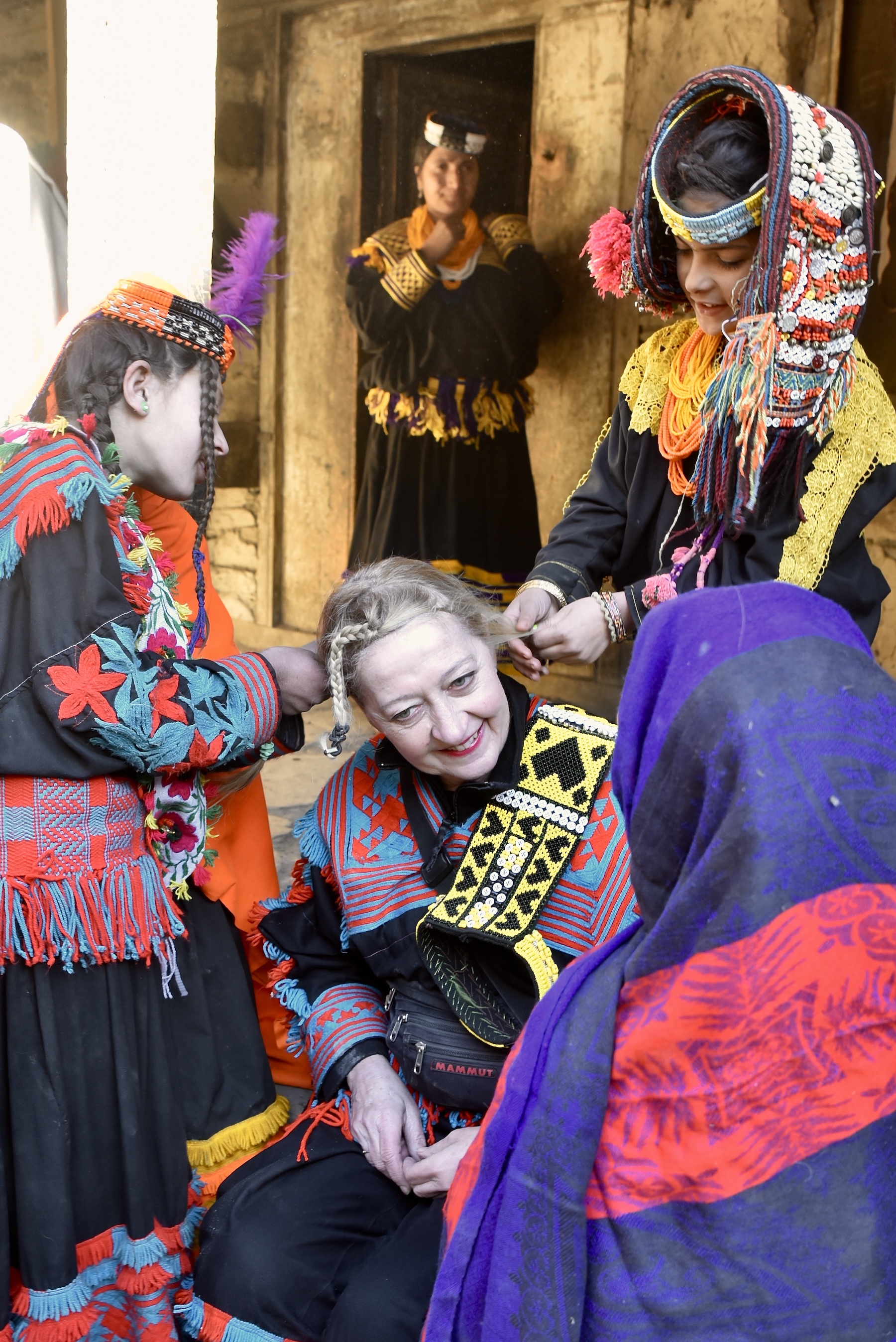
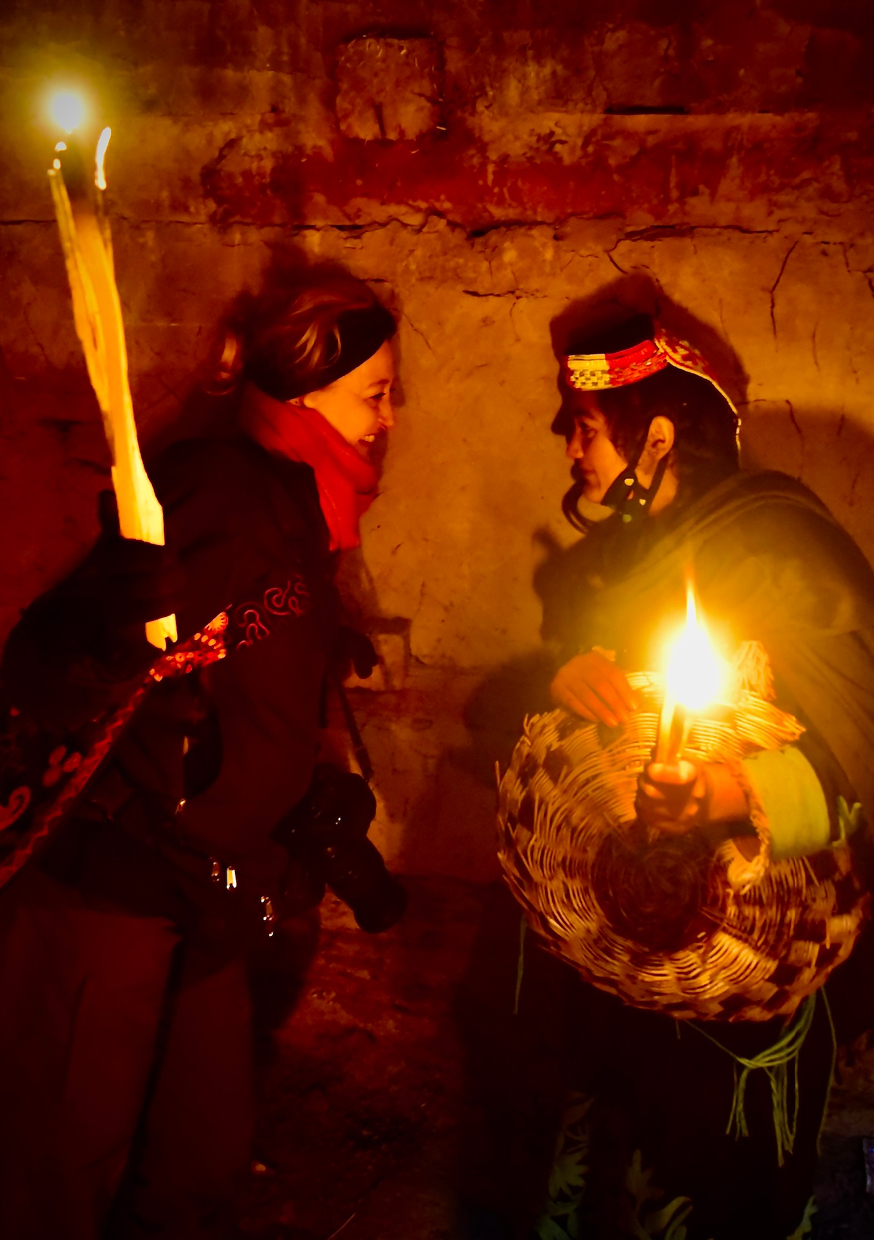
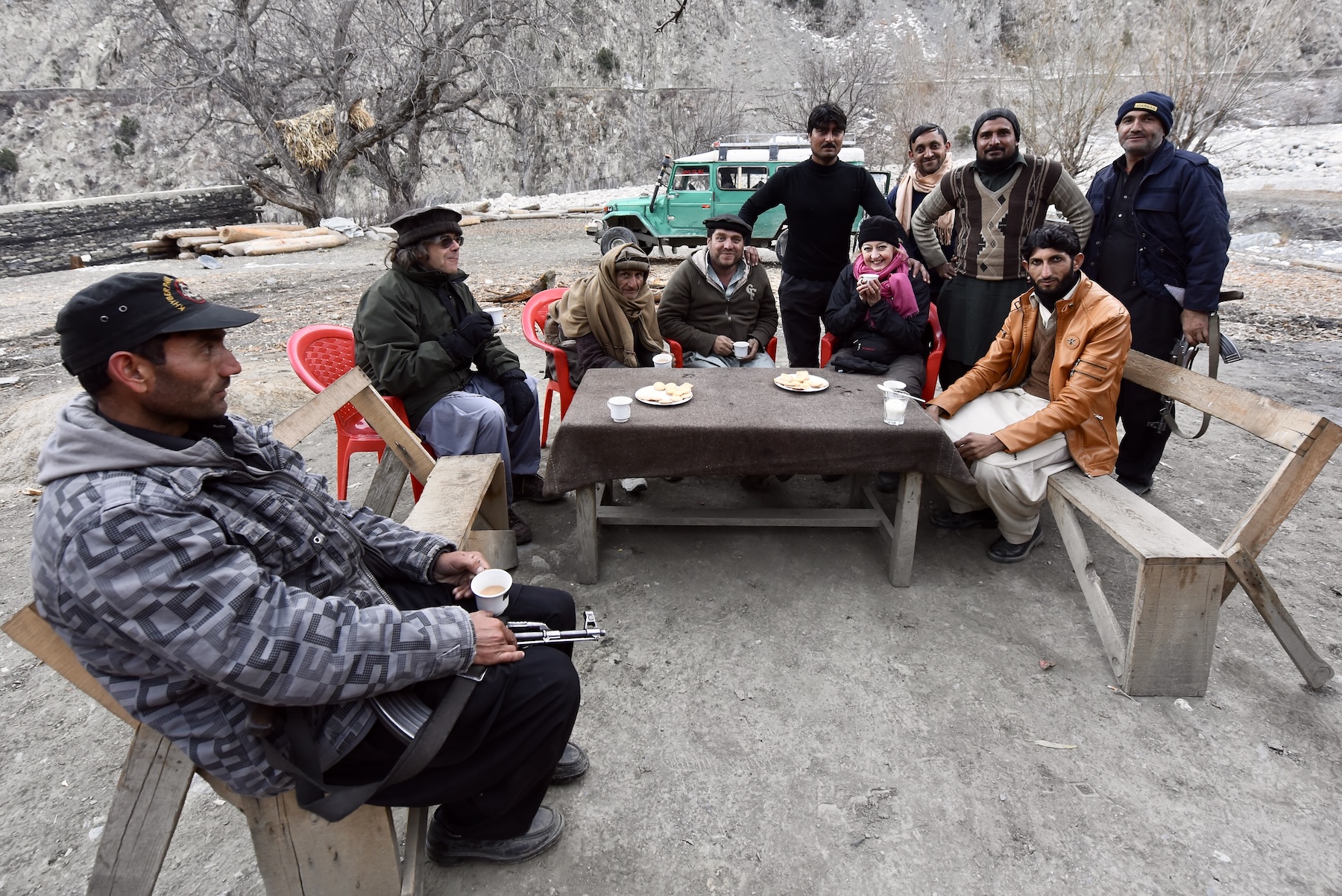
Holger: The encounters became particularly intense when we visited the same area a second time after several years and sometimes even met the same people again, as with the Arab nomads in Chad, the Kalashi in Pakistan, the Korowai in West Irian, or the Naga in Myanmar.
Sylvia: It was very helpful when we had a guide who knew the people personally and spoke their language…
Holger: … yes, we had a few great guides.
You keep seeking out people for whom what we call an “adventure” is simply everyday life. Has that changed your own perspective on the word “adventure”?
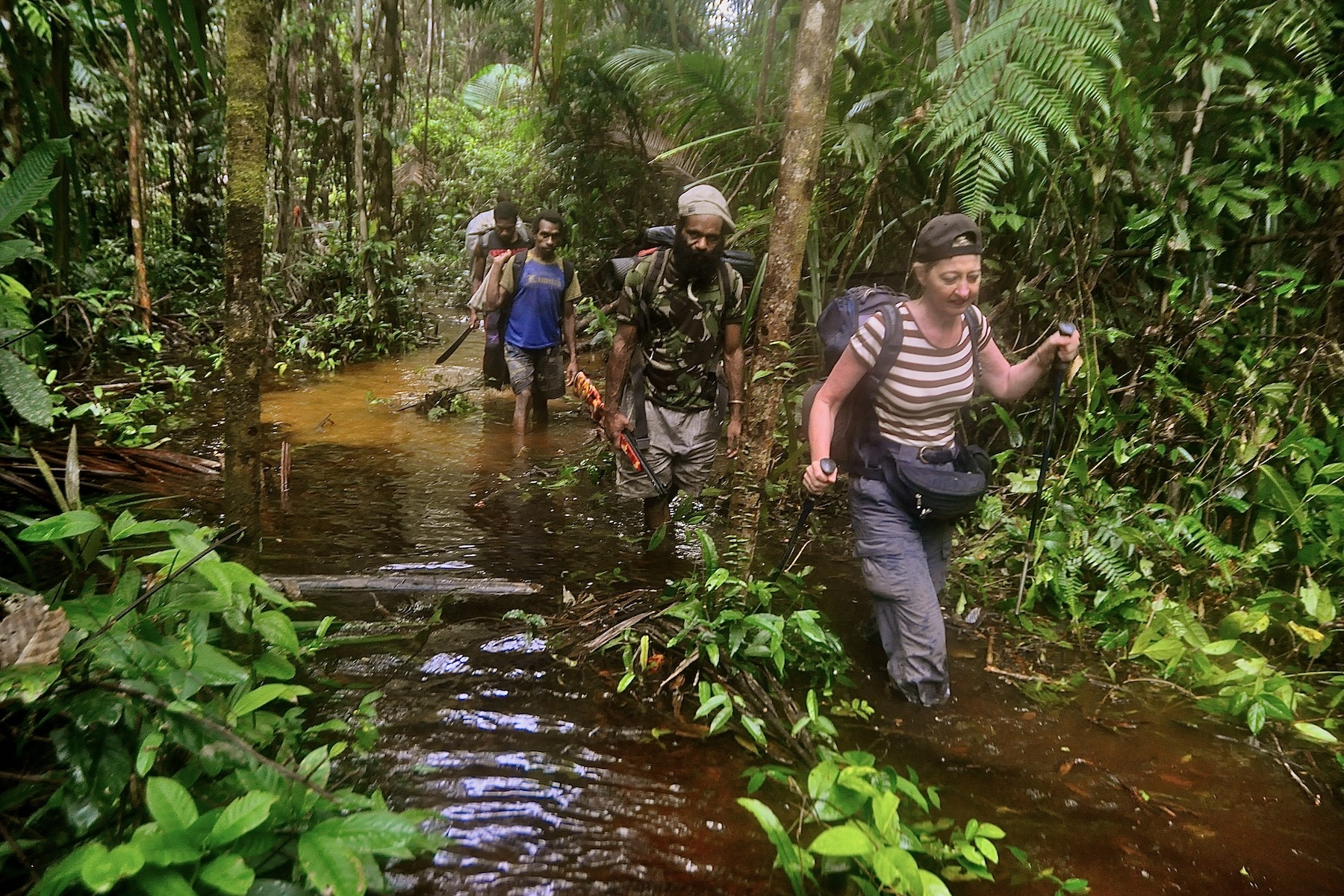
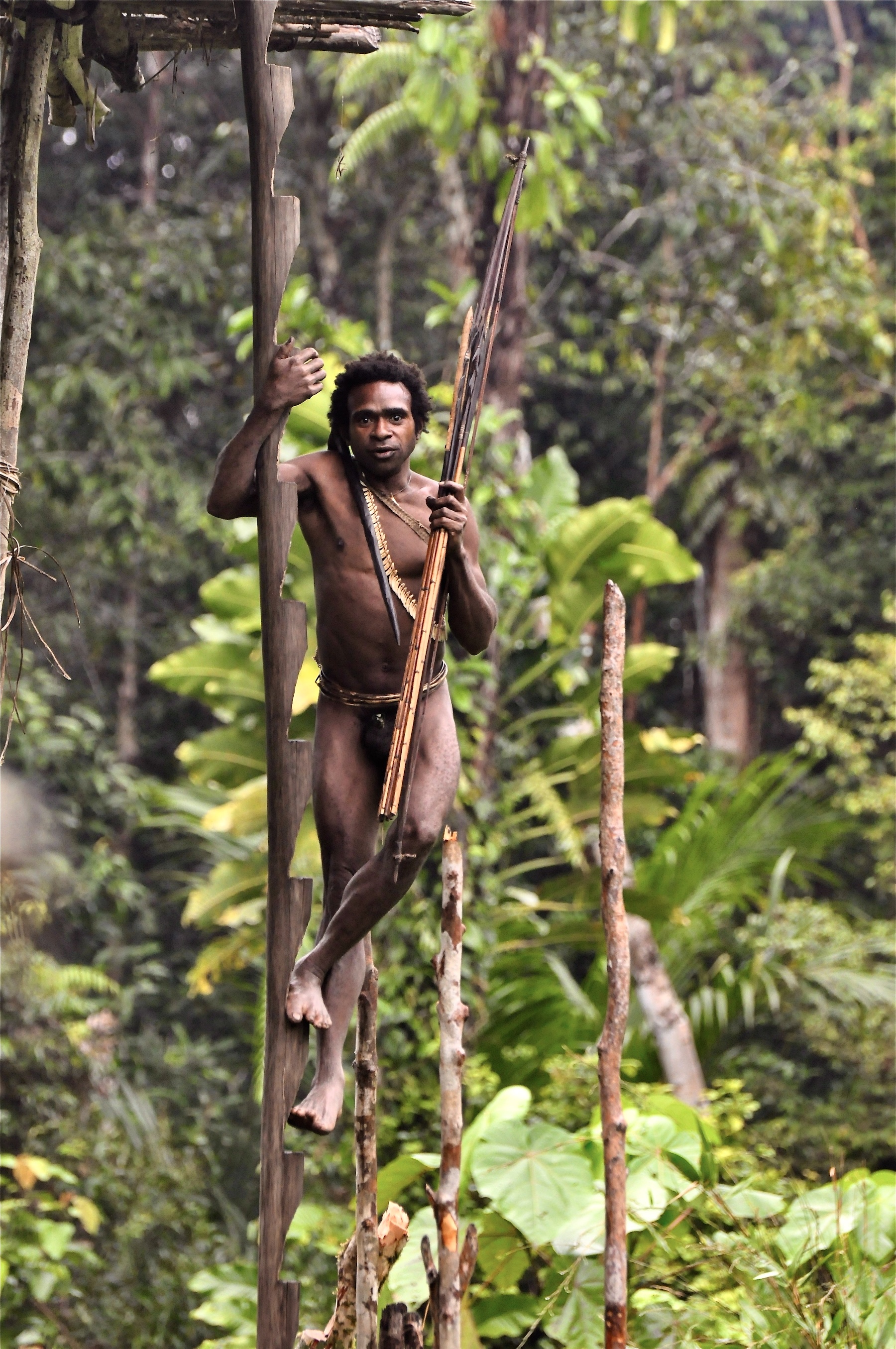
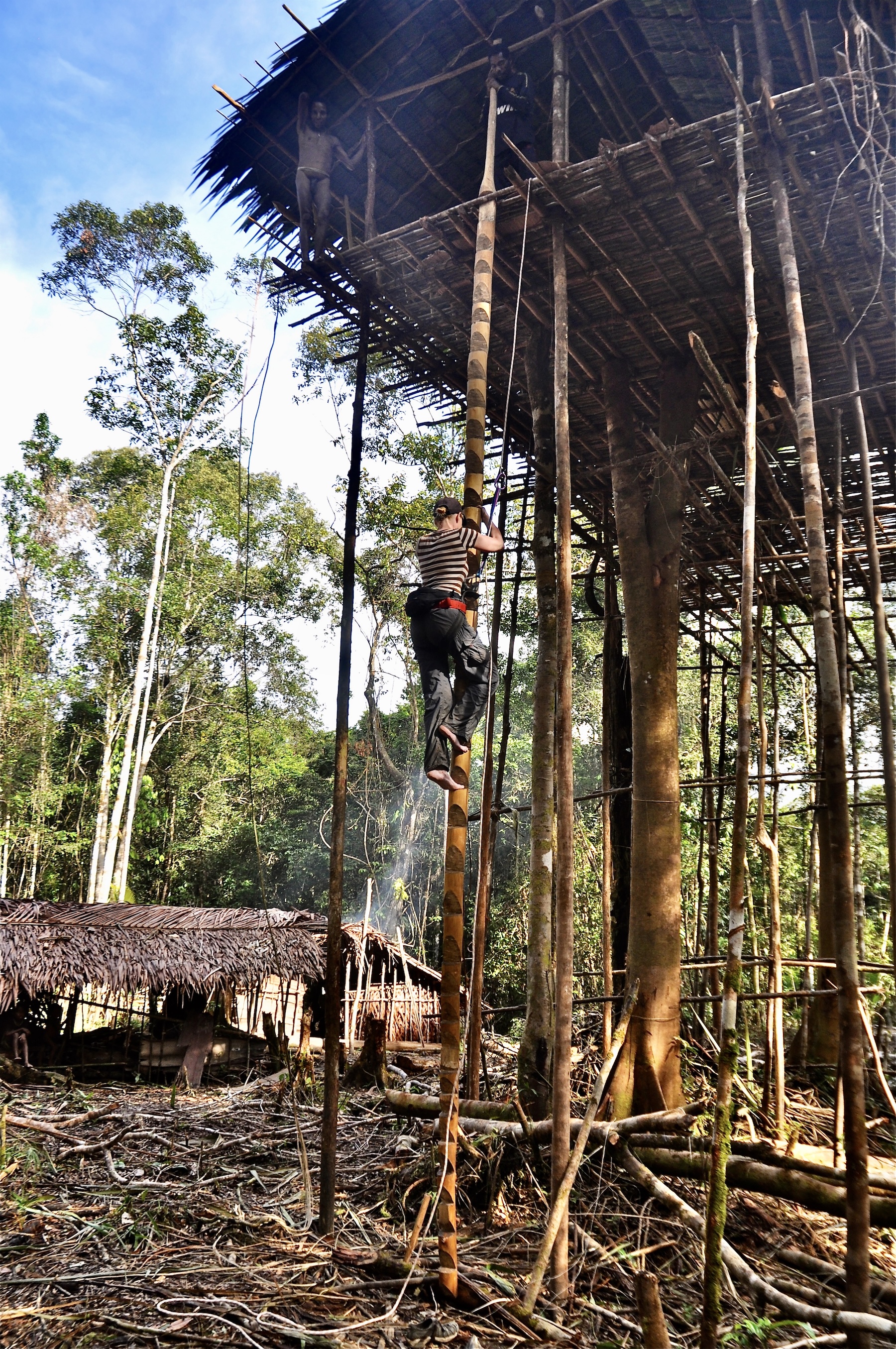
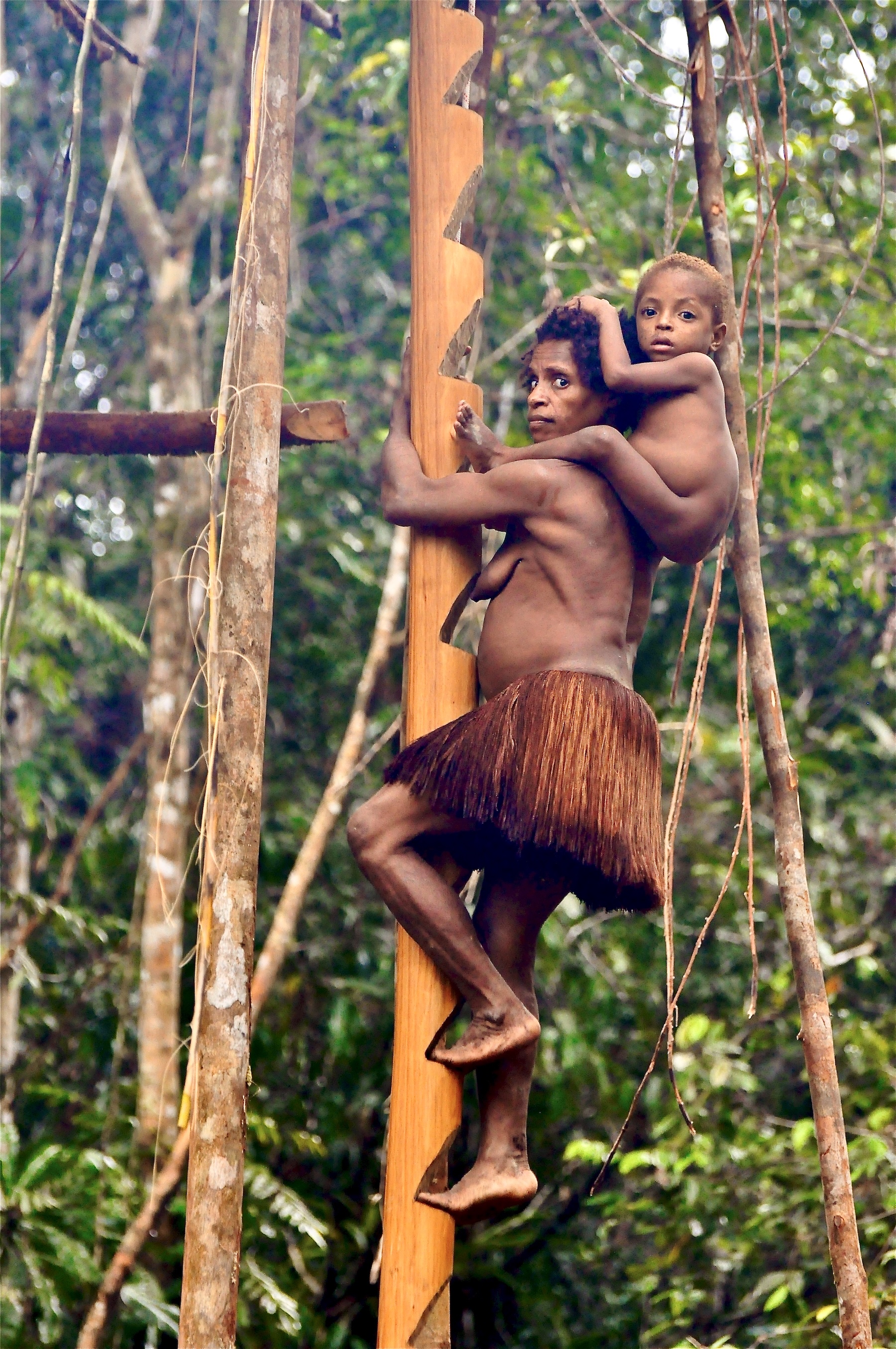
Holger: Not really. For them, it’s everyday life, but for us it can turn into an adventure, because what we experience with them is usually unfamiliar to us or involves potential risks—like climbing up to the treehouses with the Korowai, for example.
Sylvia: Even during the planning stage, we try to assess the risks carefully and then minimize them as much as possible—for example, by bringing a rope and a climbing harness when visiting the Korowai. Because the Korowai were then less worried about us, they let us climb up into every treehouse.
Holger: We seek out the daily lives of cultures foreign to us. Spending our days with them involves hardly any risks, since women and children live there. The risks often lie in getting there. If you want, you could call that an adventure.
Sylvia: We’ve never seen ourselves as adventurers.
You say that as travelers, we should observe the lives of others but not pass judgment on them. Do you really always manage to do that? And when do you catch yourselves passing judgment?
Holger: Of course we form opinions and stand by our viewpoints and values. But when we’re traveling in foreign cultures, we try to form our own picture through participant observation—and in doing so, avoid making hasty judgments from our ethnocentric perspective or imposing our values on people from other cultures without their consent. Of course, we don’t always succeed.
Sylvia: There are certainly issues where we take a stand, such as female genital mutilation in Africa or the Taliban’s treatment of women.
What encounters have truly changed your view of the world?
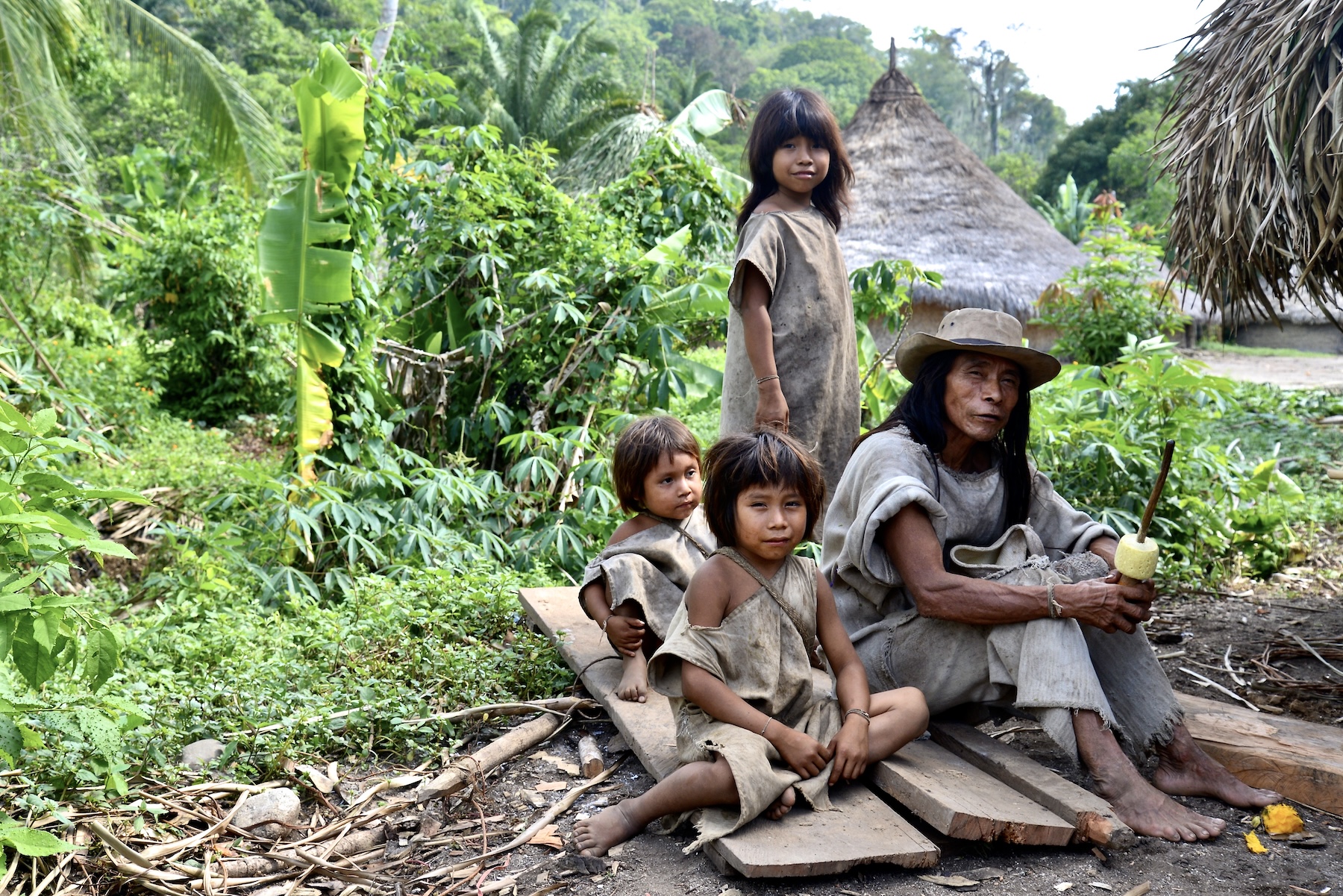
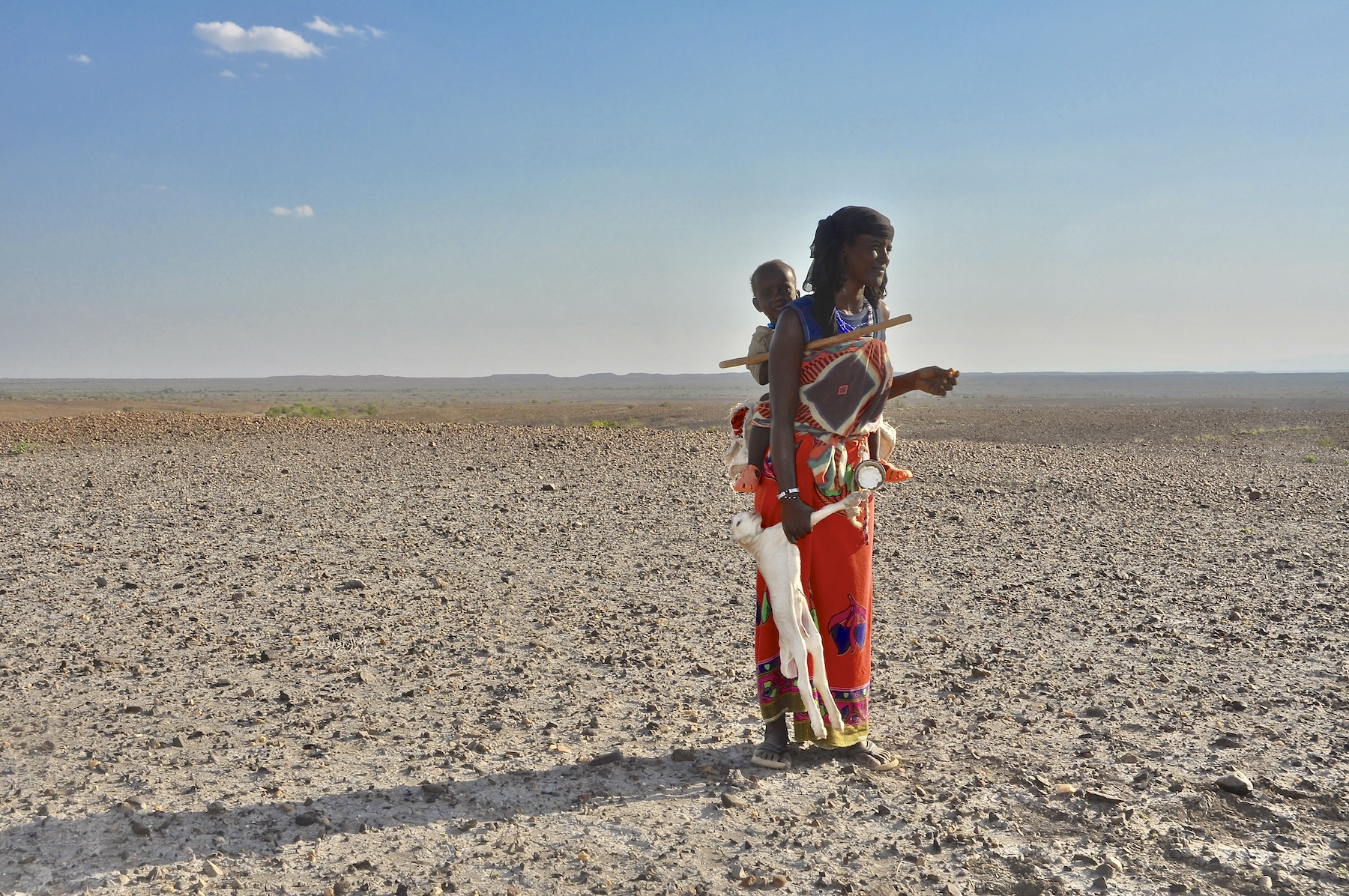
Sylvia: Meeting the Kogi in Colombia—their ecological worldview and respect for nature fascinate me immensely. Meeting the Afar and the Chukchi made it clear to us just how extreme the climatic conditions can be under which humans can survive.
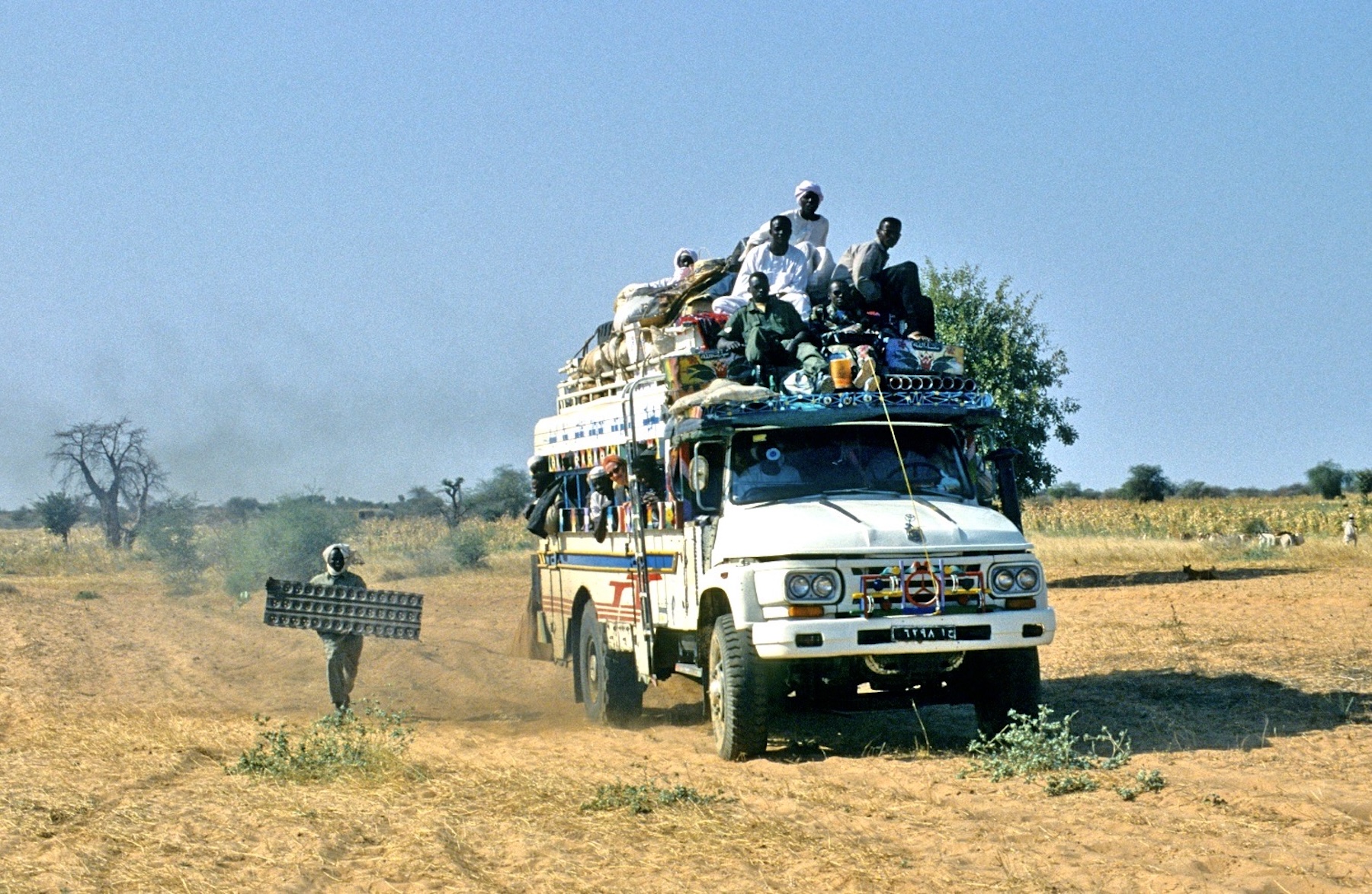
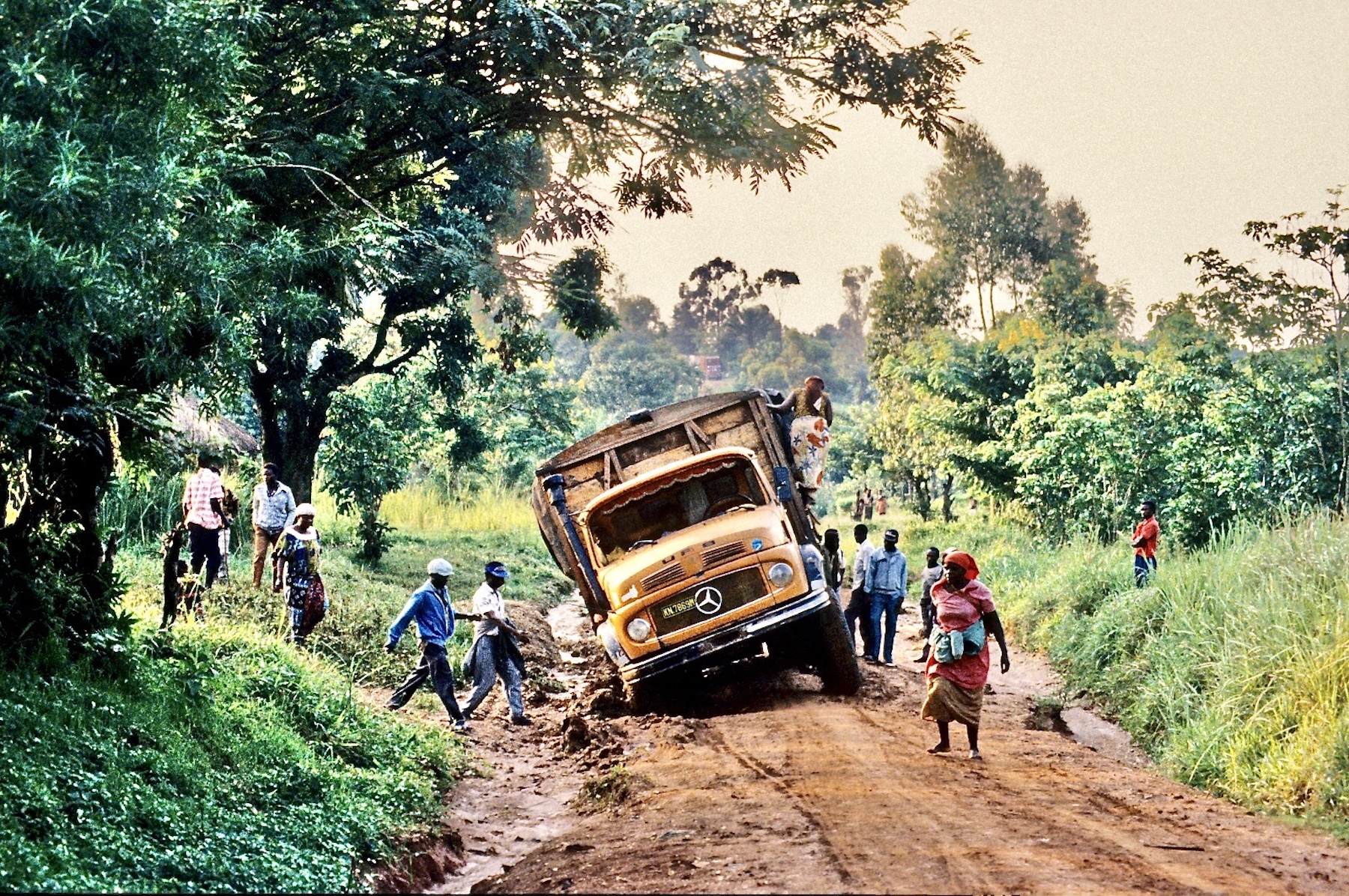
Holger: … or the encounter in the eastern part of what was then Zaire with a Congolese man traveling with us really gave us pause. We were on the road with him and a dozen other people in a truck loaded with stinking, spiny stockfish and lacking a windshield. There was no public transportation, because the roads were in such a desolate state that the truck took a day and a half to cover 80 km. After a brief “night’s rest” in a roadside ditch, he said to us: “For you, this might be an adventure, because you’re lucky enough to be able to leave all this behind at the end of your journey. For me, however, this is everyday life. I’m sentenced to life in Zaire because I’ll never have enough money to leave the country.”
Sylvia: It was only through encountering a wide variety of foreign cultures that we learned to appreciate our own Swiss cultural diversity. Now we regularly attend alpine cattle drives, livestock shows, yodeling festivals, and Swiss wrestling festivals.
Holger: What has shaped my worldview the most, however, are my personal encounters with systems theorists and pioneers of radical constructivism—such as Niklas Luhmann, Fritz Simon, Heinz von Foerster, and Humberto Maturana—and my engagement with their theories. But so too have my encounters with many of my patients, particularly young people with psychosis. They have significantly influenced my worldview regarding otherness and the incomprehensible. Central to this for me was respecting otherness and understanding it as a survival strategy.
“For you, this may be an adventure, because you’re lucky enough to be able to leave all of this behind at the end of your journey. For me, however, this is everyday life.” — a fellow traveler in what was then Zaire, quoted by Holger
If you could load up the “Monsterli” tomorrow morning and time weren’t an issue: Where would you go—and who or what would you be looking for there?
Holger: … and if there were peace on earth, then I’d set off for Pevek on the East Siberian Sea in Chukotka. Pevek is accessible by land only in winter via the ice roads on frozen rivers. In addition to Siberia’s wonderful winter landscape, we’d look forward to meeting the people who live there.
Sylvia: I’d also be happy with whatever comes my way and would, for example, travel to Normandy and Brittany. We’ve never been there, and there’s so much to discover and document regarding their craftsmanship.
You’ve been traveling together for 50 years. What do you know about each other today that you probably would never have discovered if it weren’t for your travels?
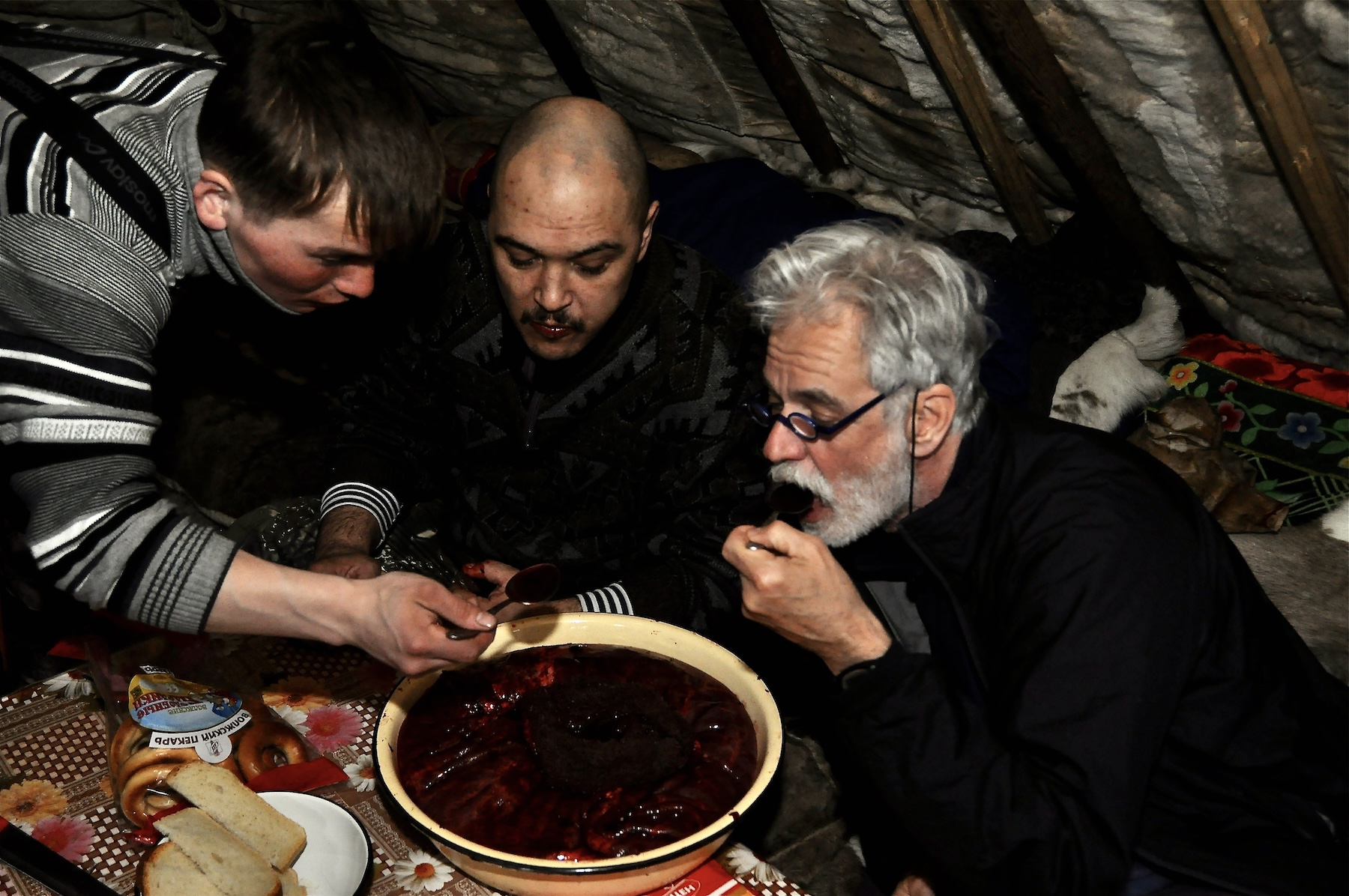
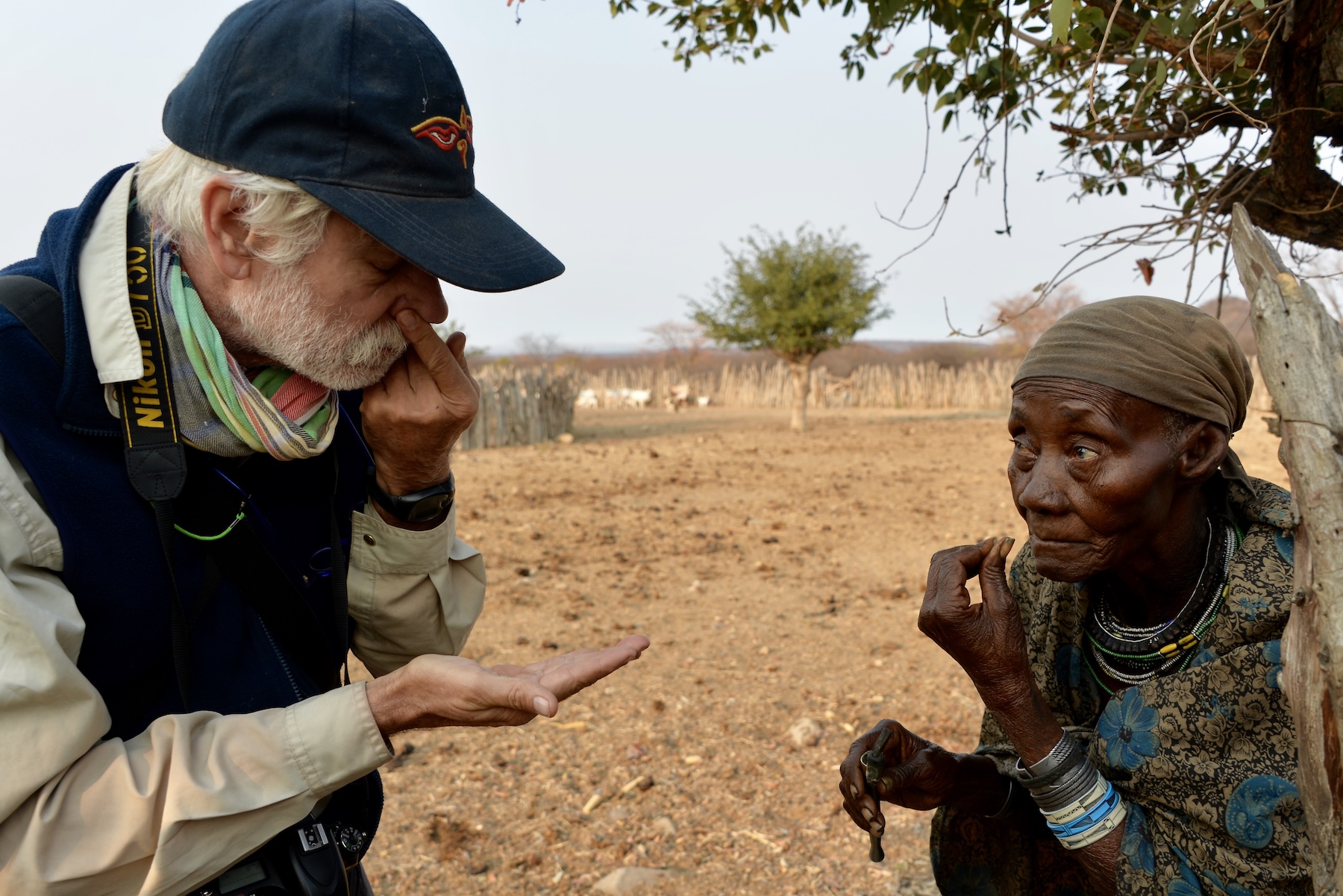
Sylvia: That Holger isn’t afraid to try even the strangest foods, whether it’s steamed beetles in Sudan, meat fermented in stomach acid among the Dong, or raw reindeer offal in its own blood among the Nenets. As a child, I was extremely picky in that regard. Today, I almost never feel disgust anymore.
Holger: … and thanks to traveling, I’ve been able to overcome my fear of snakes,
Sylvia: … but I haven’t overcome my loathing of cockroaches.
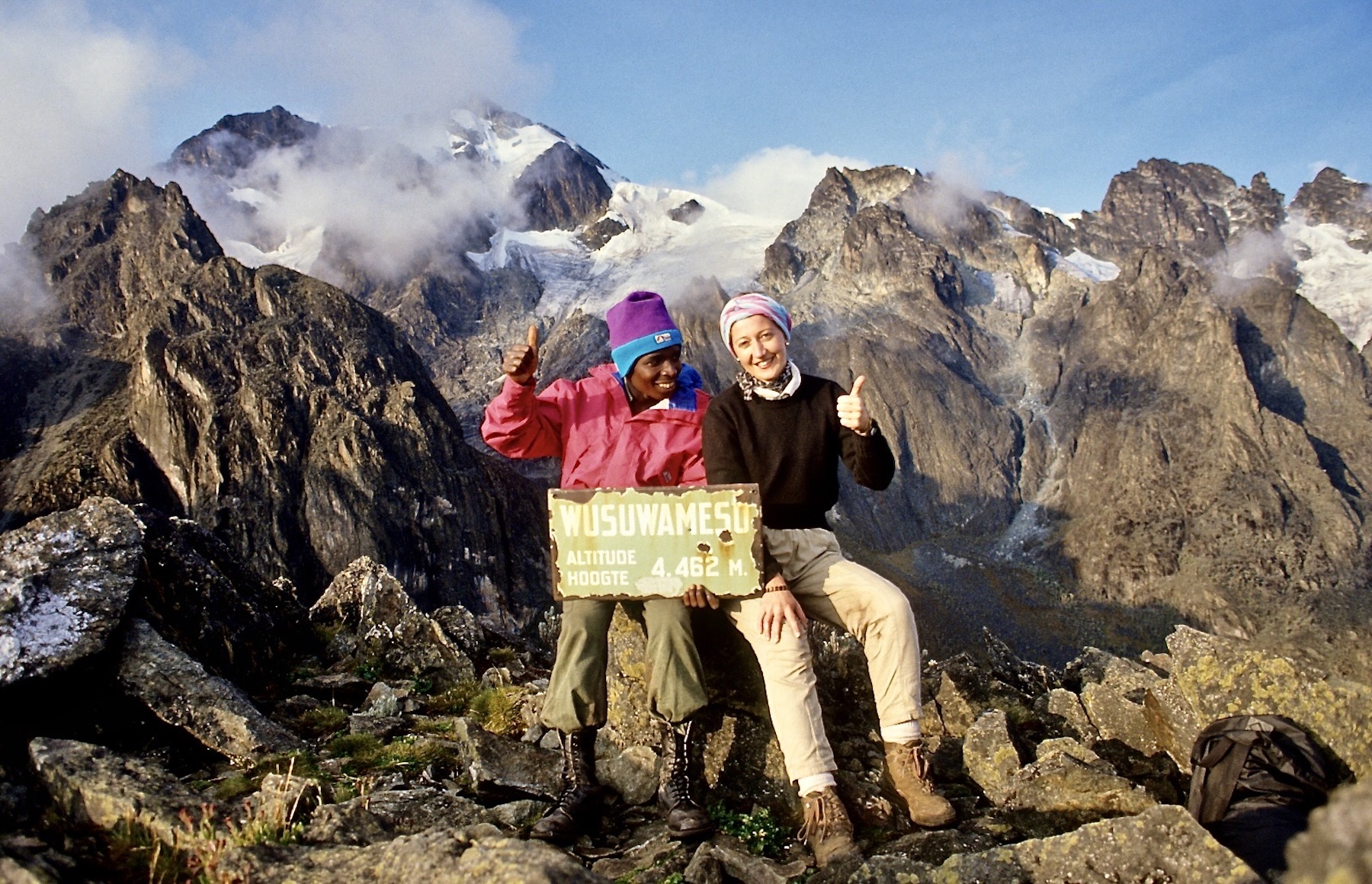
Holger: Sylvia regularly gets altitude sickness above 3,500 meters, which doesn’t stop her from climbing 6,000-meter peaks.
Sylvia: … using Diamox as a preventative measure.
How did you two meet? Were you both passionate about traveling from the very beginning? Or did one of you have to convince the other?
Holger: We both lived in the student dorm in Bümpliz.
Sylvia: Our passion for travel developed together over the years. We were curious, sometimes a little naive, and not too afraid. Actually, it was only our parents who were worried.
Holger: The fact that we chose rather unusual destinations at a fairly young age stemmed from our interest in vibrant cultures, the knowledge that other travelers had been there before us, and our trust that people would treat us kindly and help us in an emergency.
Sylvia: … and that trust was never shaken—it was richly rewarded.
What do you admire most about each other as travel partners—and what does he or she consistently drive you up the wall with?
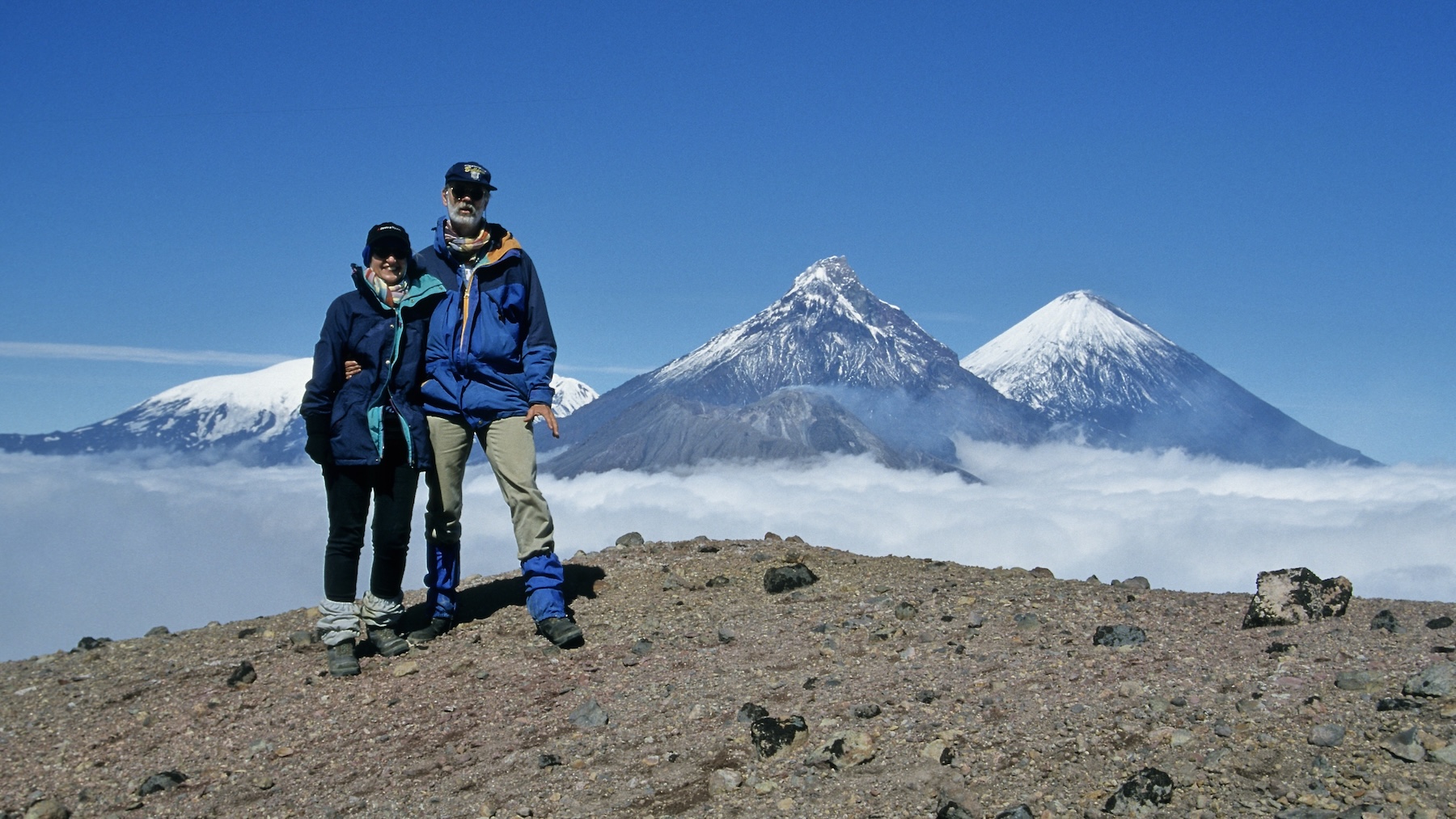
Holger: Sylvia is my best buddy.
Sylvia: I’m never bored with Holger… and I can count on him. When I’m feeling down while traveling, he’s a rock.
Holger: That goes for you, too! The fact that we can reliably drive each other up the wall isn’t specific to traveling.
Sylvia: We’ve been working on it for 50 years and are hoping for a bit more patience as we get older.
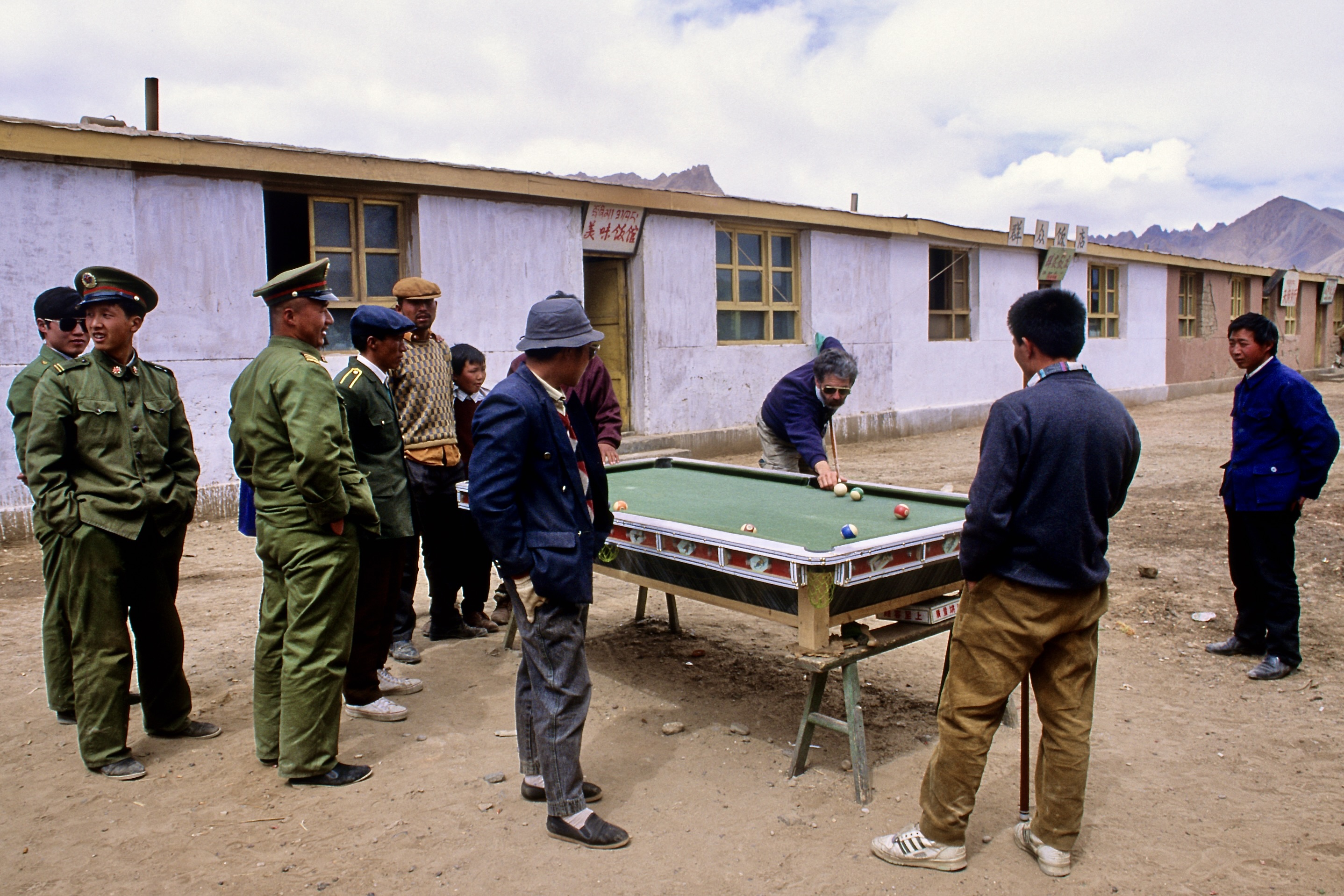
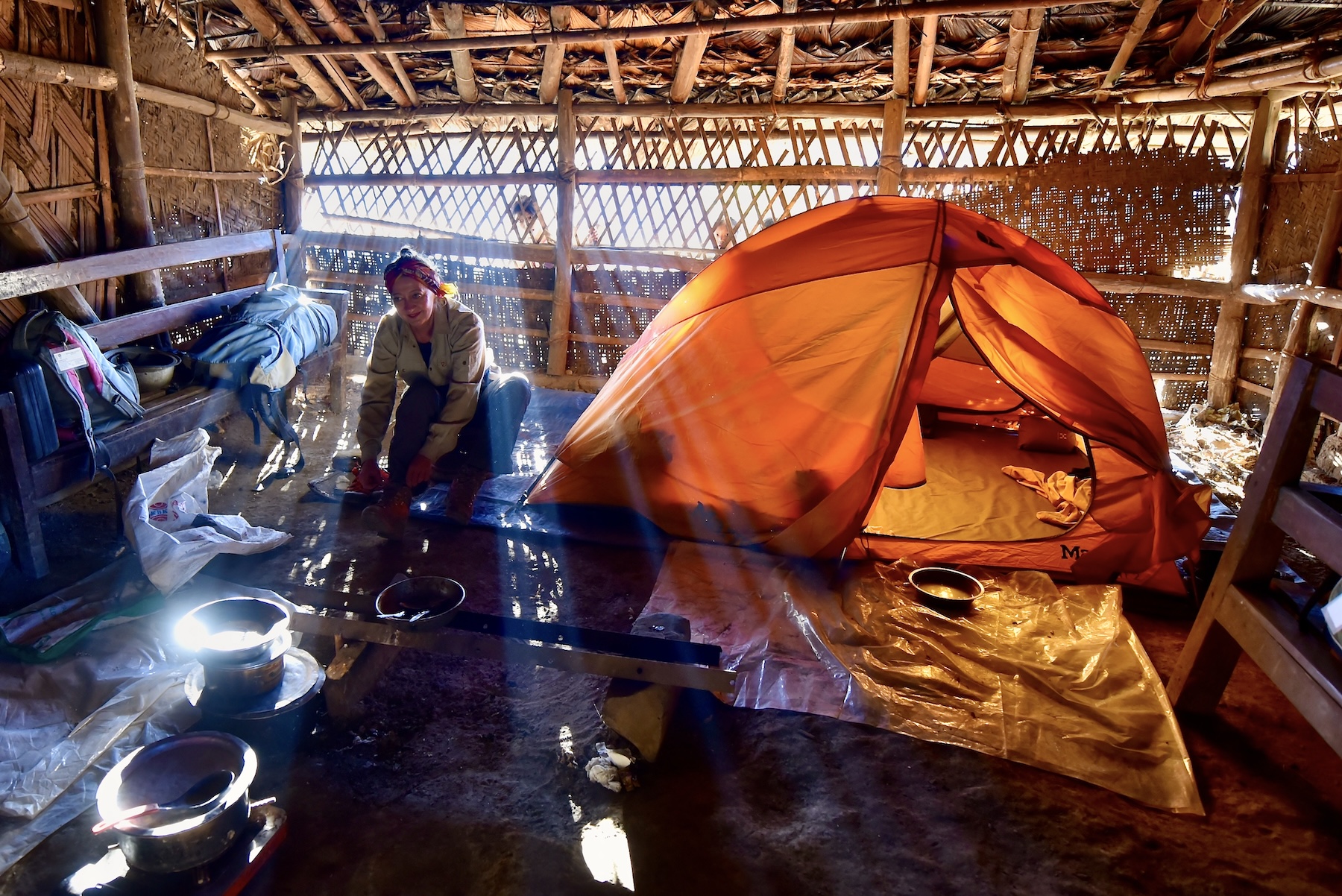
Who’s more likely to say, “That’ll work out”—and who thinks, “That’s bound to go wrong”?
Sylvia: Holger is definitely the one with the motto “Never give up!”
Holger: … and Sylvia is the more level-headed one in that regard. We actually tend to assess risks in very similar ways …
Sylvia: … and then we take responsibility for them together.
Which one of you is more likely to say, “We have to go there”—and which one asks first if that’s even a good idea?
Holger: Sylvia gets excited about an idea more quickly. I’m the one who, as soon as a travel idea is on the table, starts researching it thoroughly. That’s why I tend to raise more concerns.
Sylvia: I then encourage Holger to find solutions.
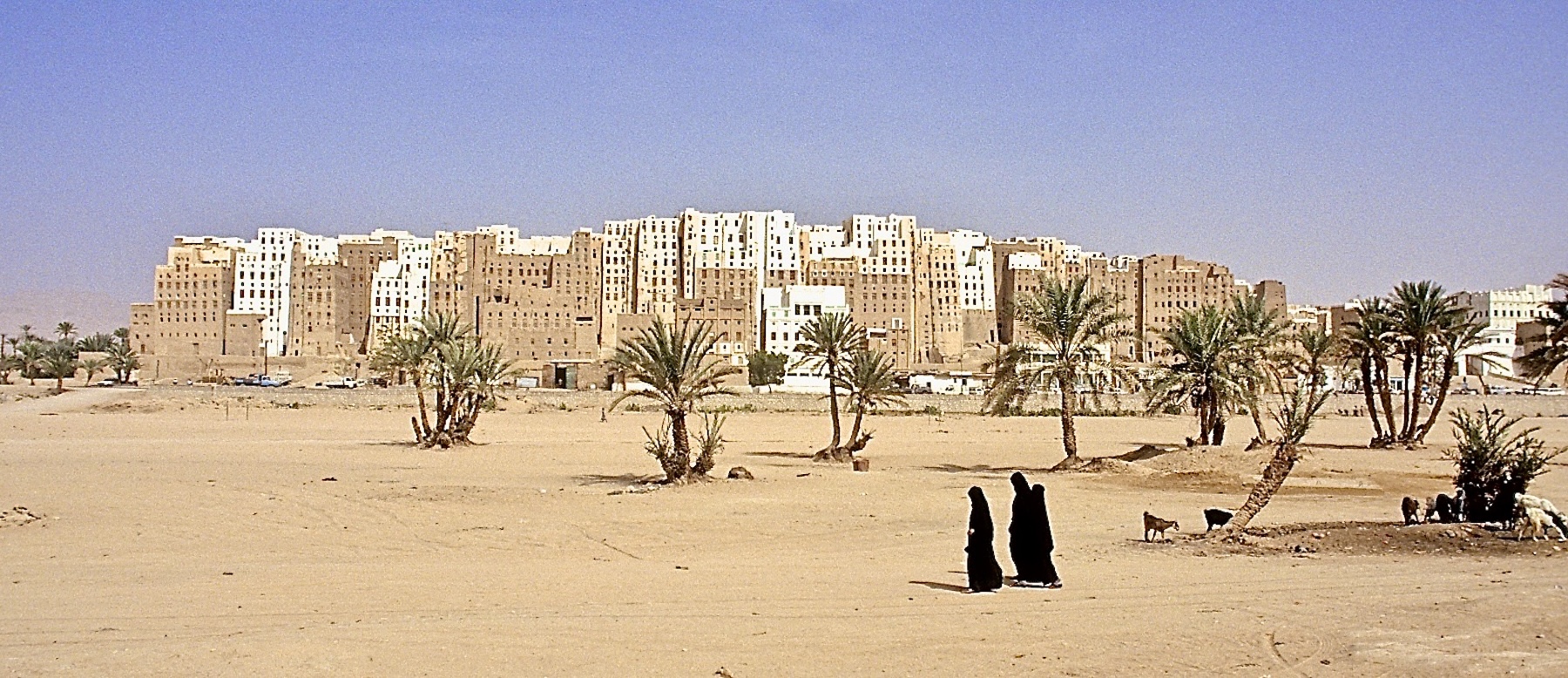
Holger: With a certain amount of persistence and growing experience, I usually manage to do just that. Sometimes it takes years from the initial spark of an idea to its realization—as was the case with South Sudan, the nomads in Chukotka, or the Naga in Myanmar. With Afghanistan, it took over 40 years. Some ideas are still on hold, like traveling again to the Yemeni mud palaces in Wadi Hadramaut and Wadi Dawan, or taking the train from Vladivostok to North Korea.
Sylvia: More and more ideas are being dashed by the current political situation…
Holger: … and on the fact that we’re not getting any younger.
As travelers, what can you do today that you couldn’t do when you were 30—and what can’t you do anymore, even though you’d sometimes like to?
Holger: We never really felt limited in our travel plans. Now that we’re no longer working, we can stay on the road longer, are more flexible with our schedules, and can access the “Monsterli” at any time.
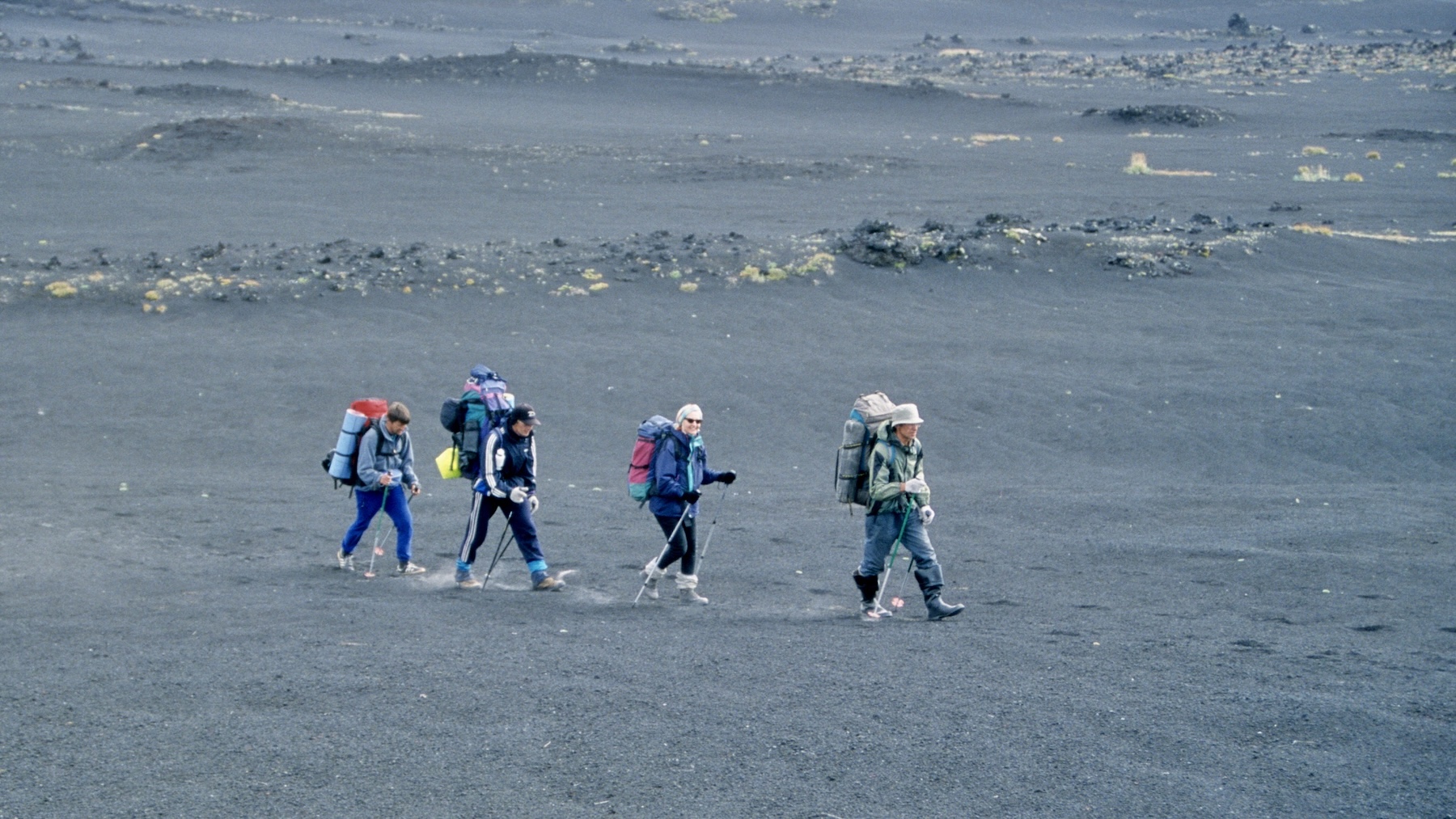
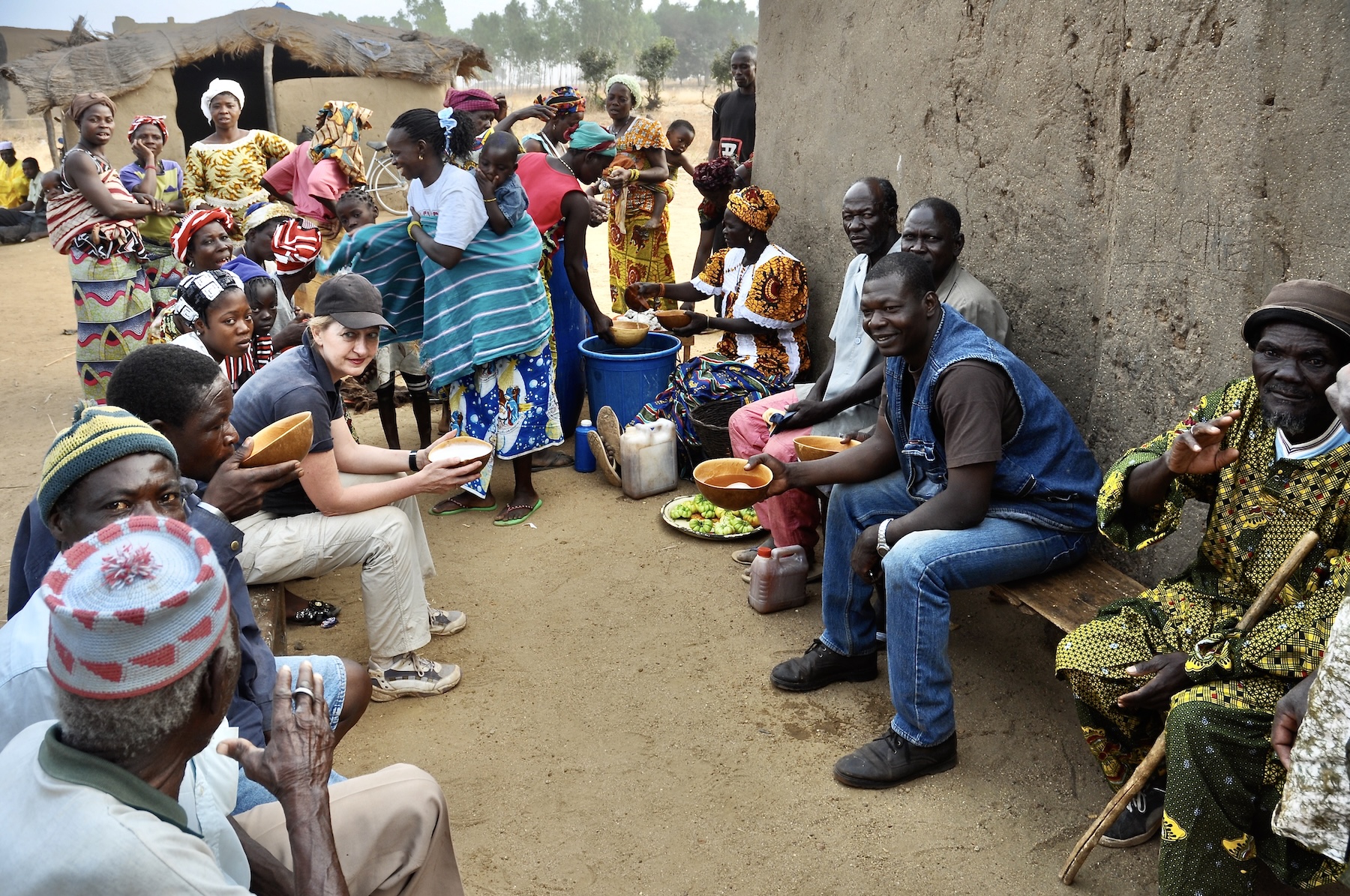
Sylvia: We used to love trekking—whether in the Himalayas, the Andes, the rainforests of Africa and South America, West Irian, or the Badain Jaran Desert. We couldn’t do any of that anymore.
Holger: But we also can’t go to Yemen, Sudan, Mali, or Siberia anymore—places we’ve fortunately already visited, but would love to return to. And there are still a few countries where we hope that, at some point, travel there won’t be discouraged altogether.
How long has the “Monsterli” been part of your story—and why is it more than just a vehicle for traveling?
Holger: We’ve been on the road with our “Monsterli”—a Toyota Land Cruiser GRJ79 (gas-powered, because we wanted to drive it to Siberia) with an Azalaï cabin—since 2017.
Sylvia: It has everything we need and has never let us down so far.
Holger: The engine power is great, though it comes with corresponding gas mileage and underpowered brakes. But the Monsterli tempts us to “experience” the world. We drive it through breathtaking natural landscapes and spend the night in the most beautiful and secluded spots, but we’ve realized that the “little monster” tends to be more of a barrier to connecting with the local population and immersing ourselves in their culture than a help. We’re still learning in this regard.
Sylvia: On our last trip to visit the charcoal burners in the Balkans, we actually managed to do that quite well.
“The Monsterli tempts us to ‘experience’ the world.”
What are the three pieces of gear you could never do without?
Holger: Camera gear, a first-aid kit, and when we’re traveling with the little one, a GPS—otherwise, a sleeping bag.
Sylvia: … and the phone number for the Globetrotter Help Desk.
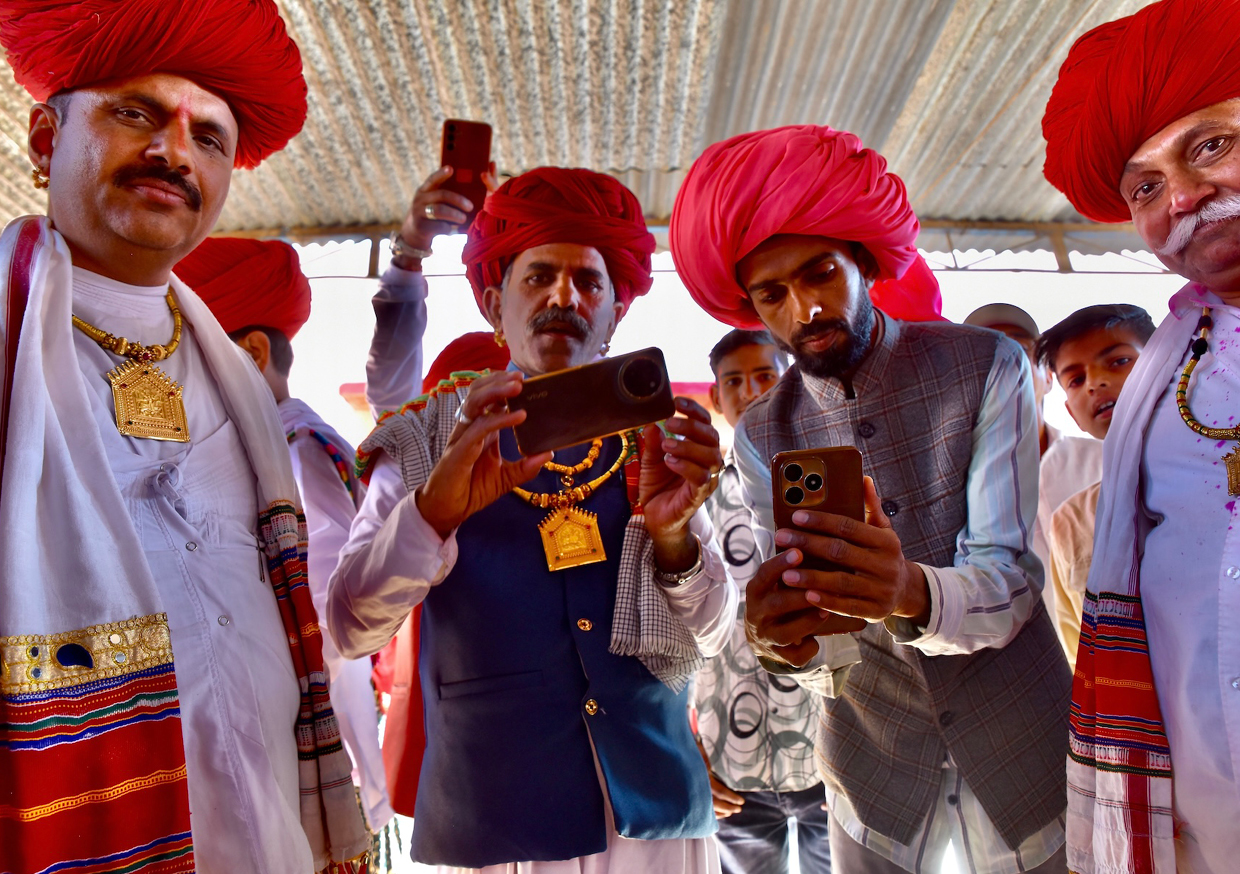
Authors Sylvia Furrer and Holger Hoffmann (photos) have traveled together to more than 60 countries outside of Europe since 1977. In recent years, they have increasingly focused on traditional cultures and have repeatedly visited remote areas.
Follow Sylvia & Holger on:
Fascinating articles about their visits with extraordinary people: