Chaos Tours: How the Kyrgyz nomads defy the harsh life in the wild Wakhan Corridor
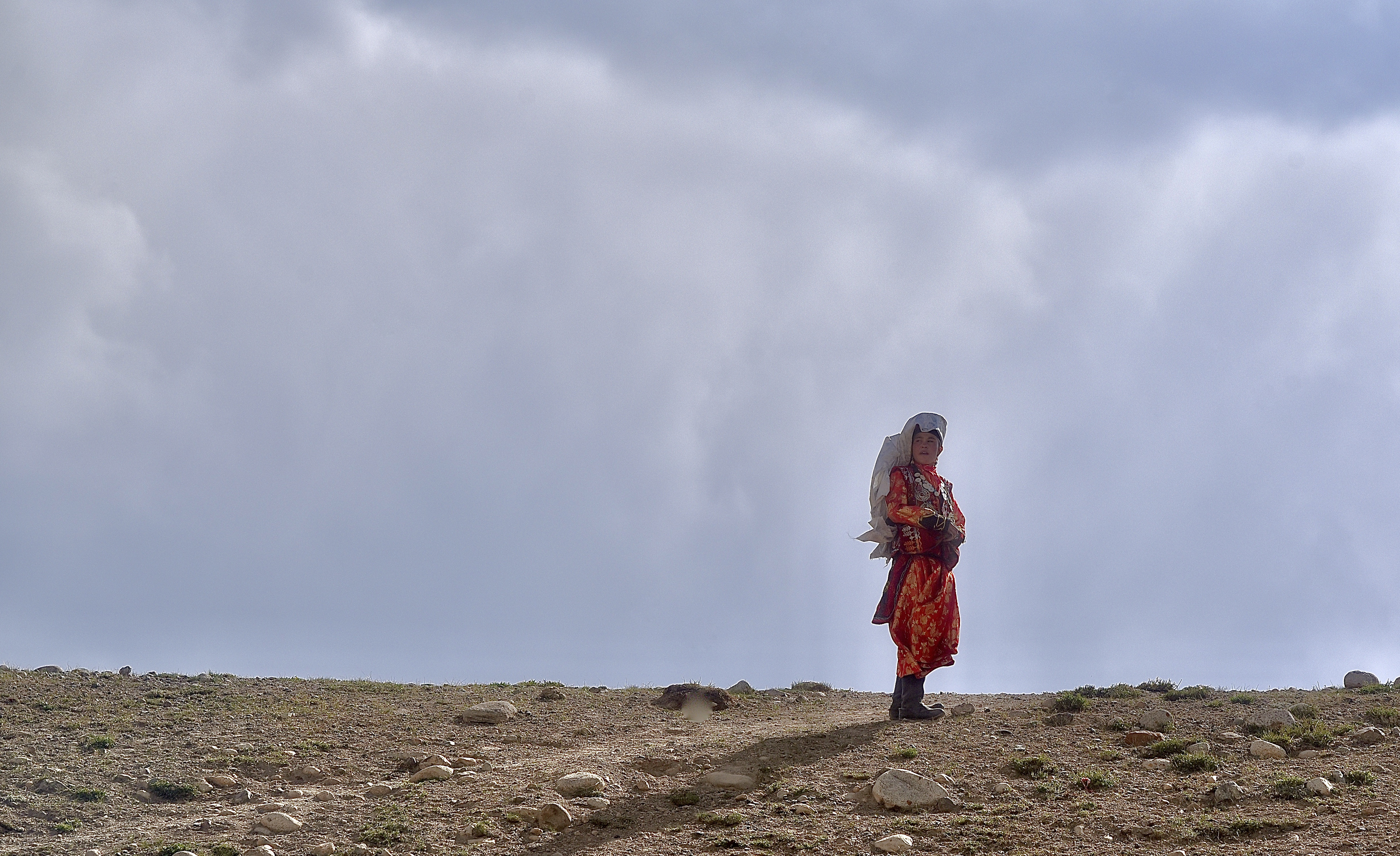
The contrast between the bright red of the Kyrgyz nomadic women's clothing and their hard everyday lives could not be greater. For a long time, they lived in isolation on the high plateau at Lake Chaqmaqtin in the outermost tip of Afghanistan. Now a road leads to them. This does not necessarily make their lives any easier.
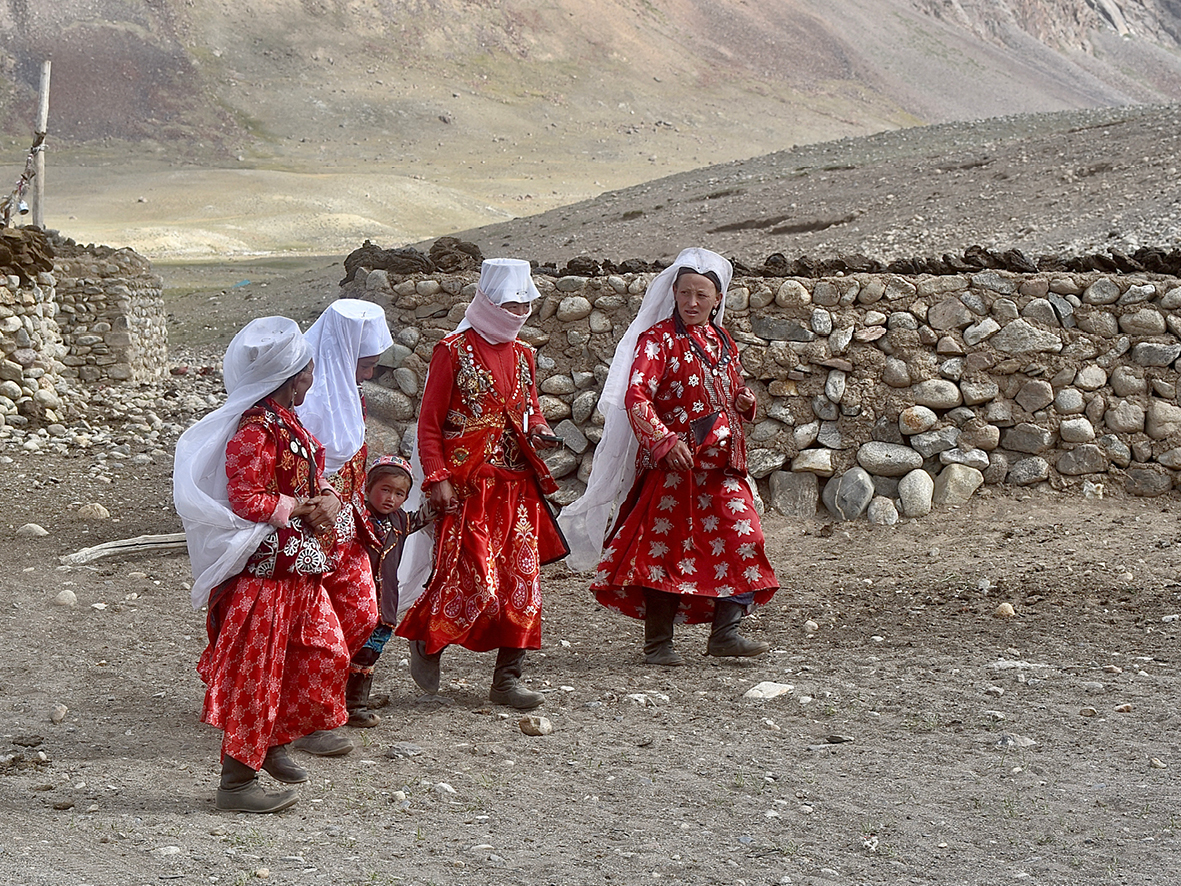
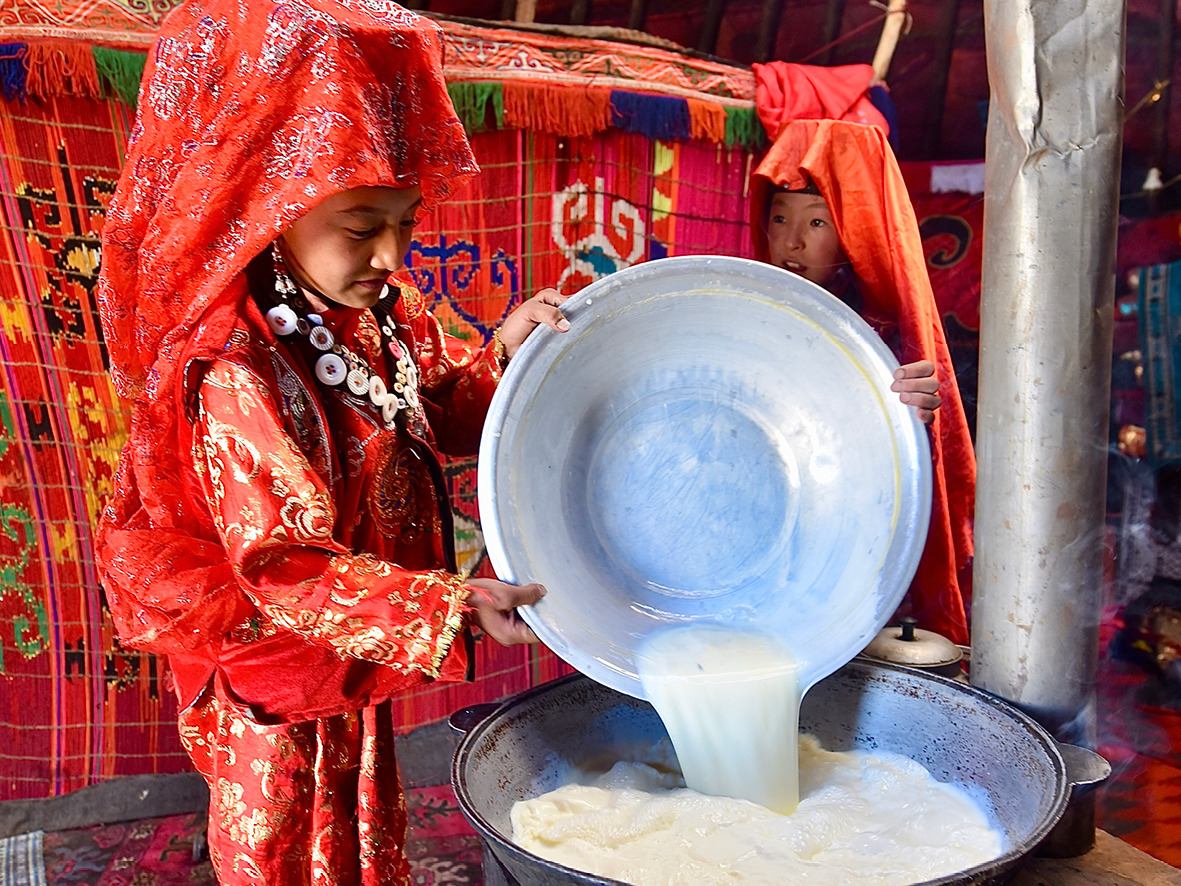
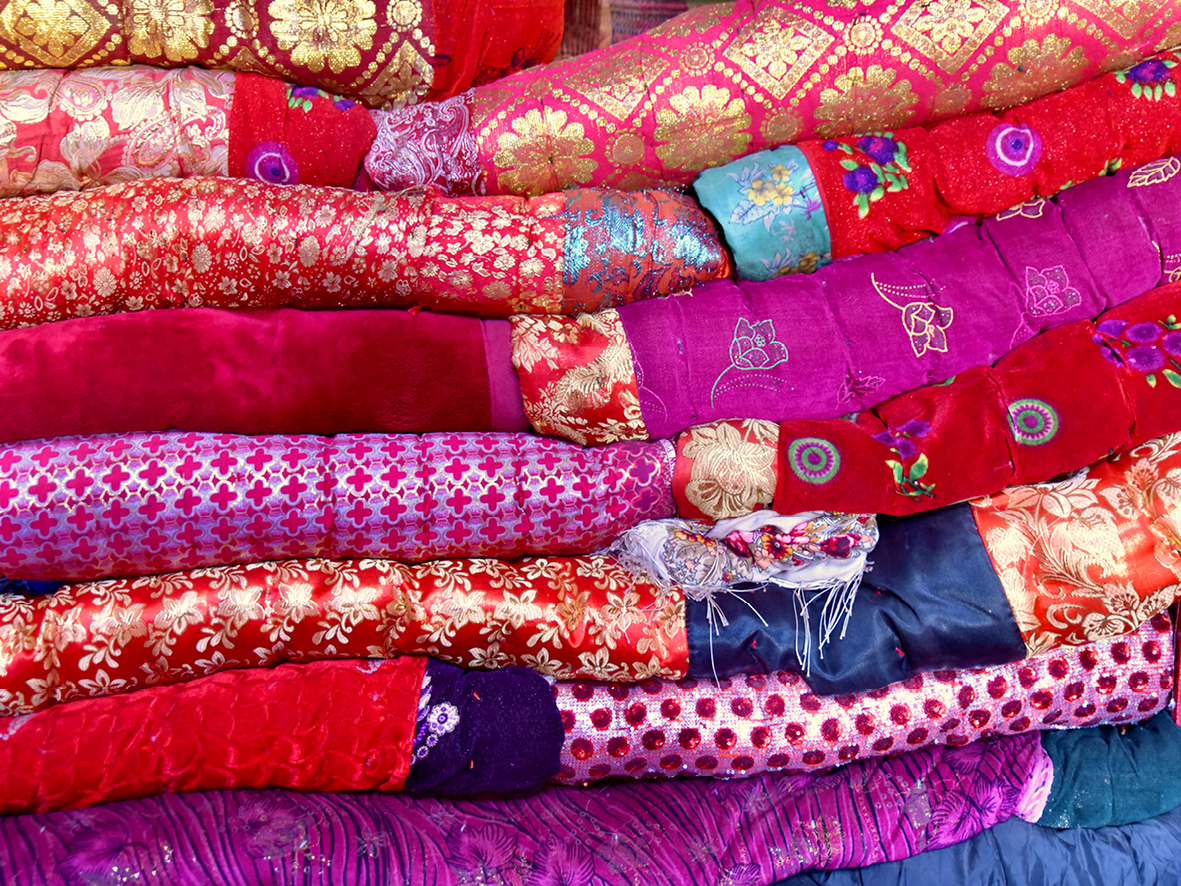
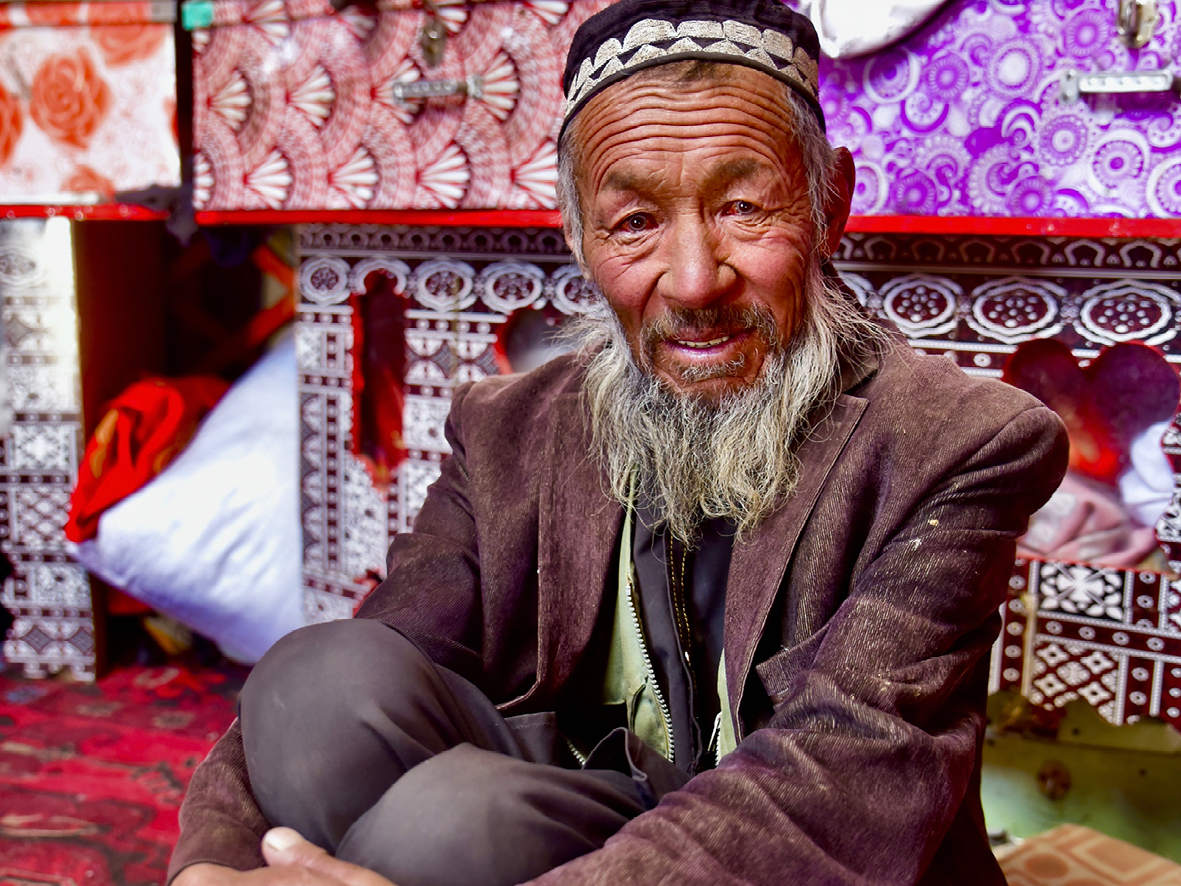
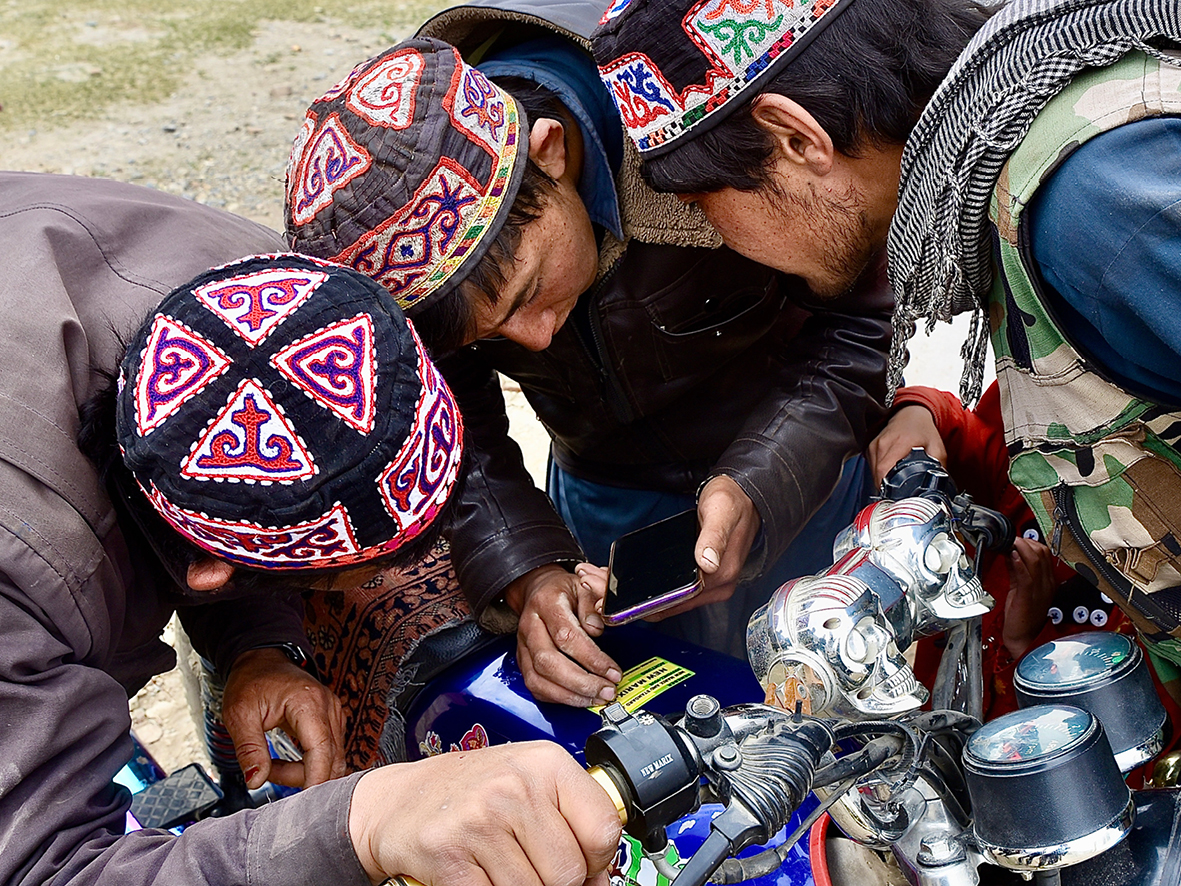
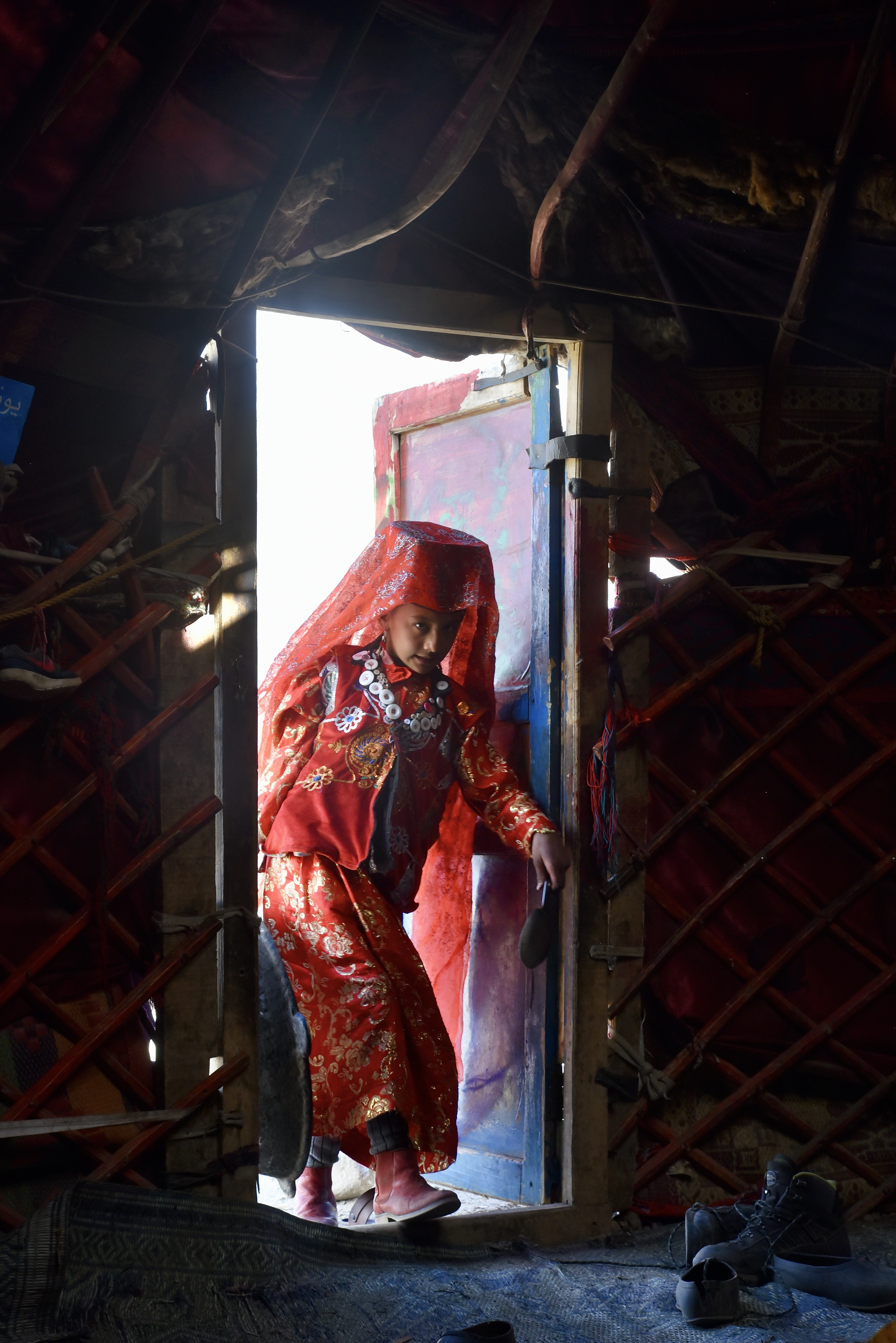
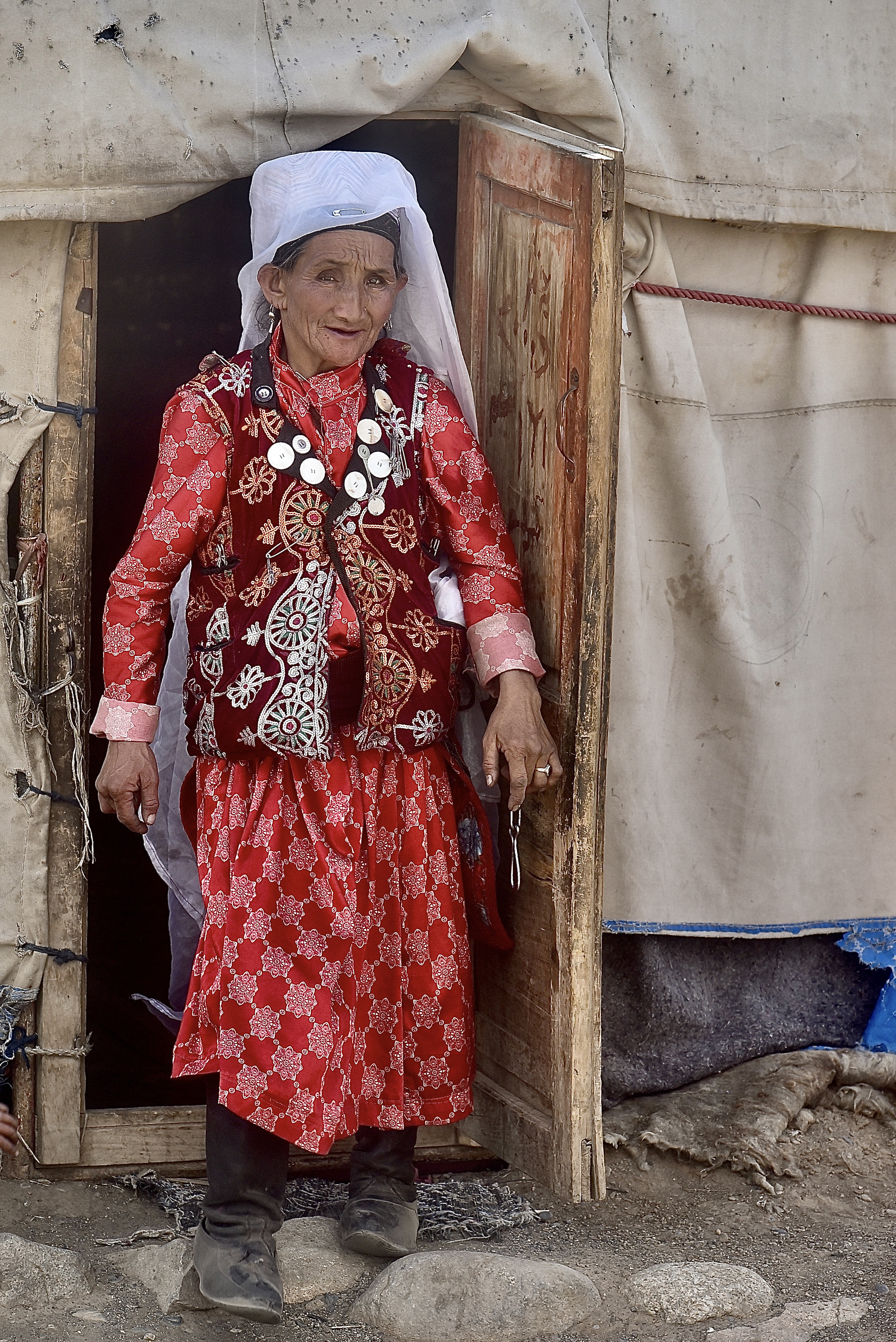
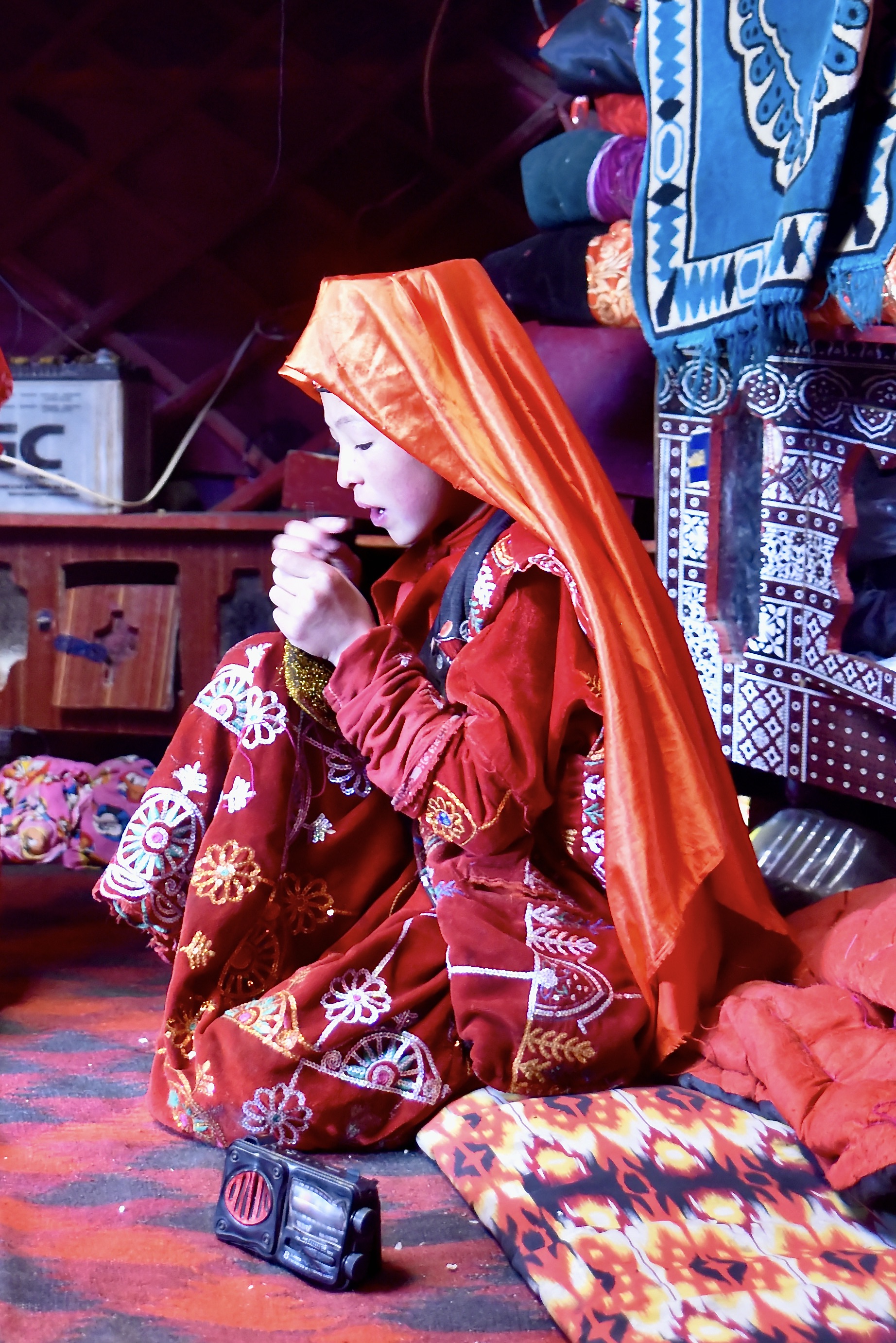
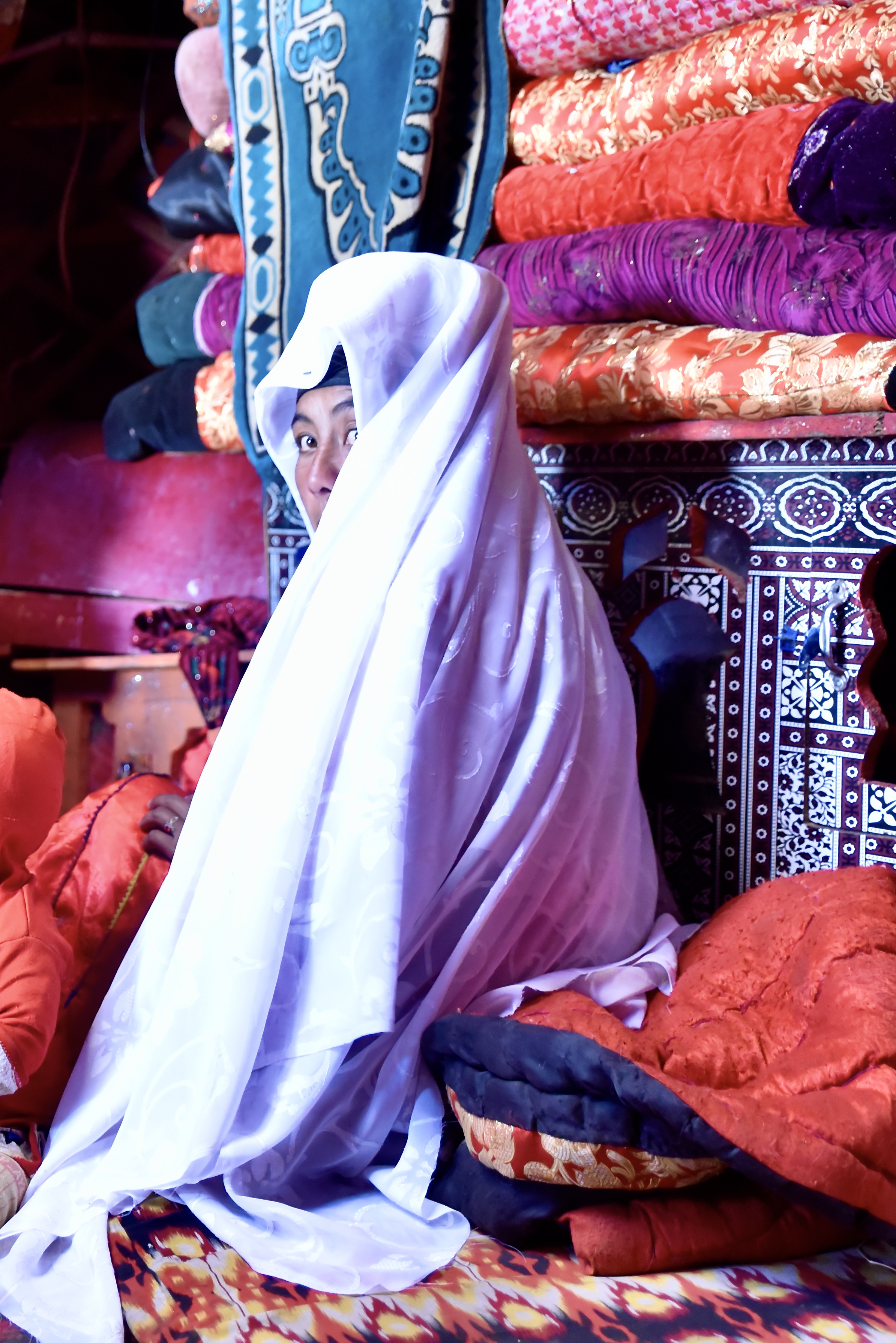
Red is the first thing that pops up in my mind's eye when I think of the Kyrgyz nomads in Afghanistan's Wakhan Corridor. Red is the color of Kyrgyz women. Their ankle-length dresses printed with ornaments are red. Their vests are red, embroidered with buttons and adorned with all kinds of jewelry. Red are the flowing headscarves of their unmarried daughters, which they wear over cylindrical hoods. When they get married, however, the headscarves turn white. Men only wear the tubeteika, a round cap embroidered with colorful patterns, and a light brown chapan (traditional coat) to keep out the cold. Red is also the dominant color inside the yurts: carpets, folded blankets, cushions, clothes boxes, wall hangings and ceiling coverings - almost everything is red.
Our enthusiasm for this unique culture was awakened by the great illustrated book "Pamir" by Matthieu & Mareile Paley from 2012.
Our fascination for nomads has led us to travel to various tribes in Siberia, Asia and Africa over the past twenty years.
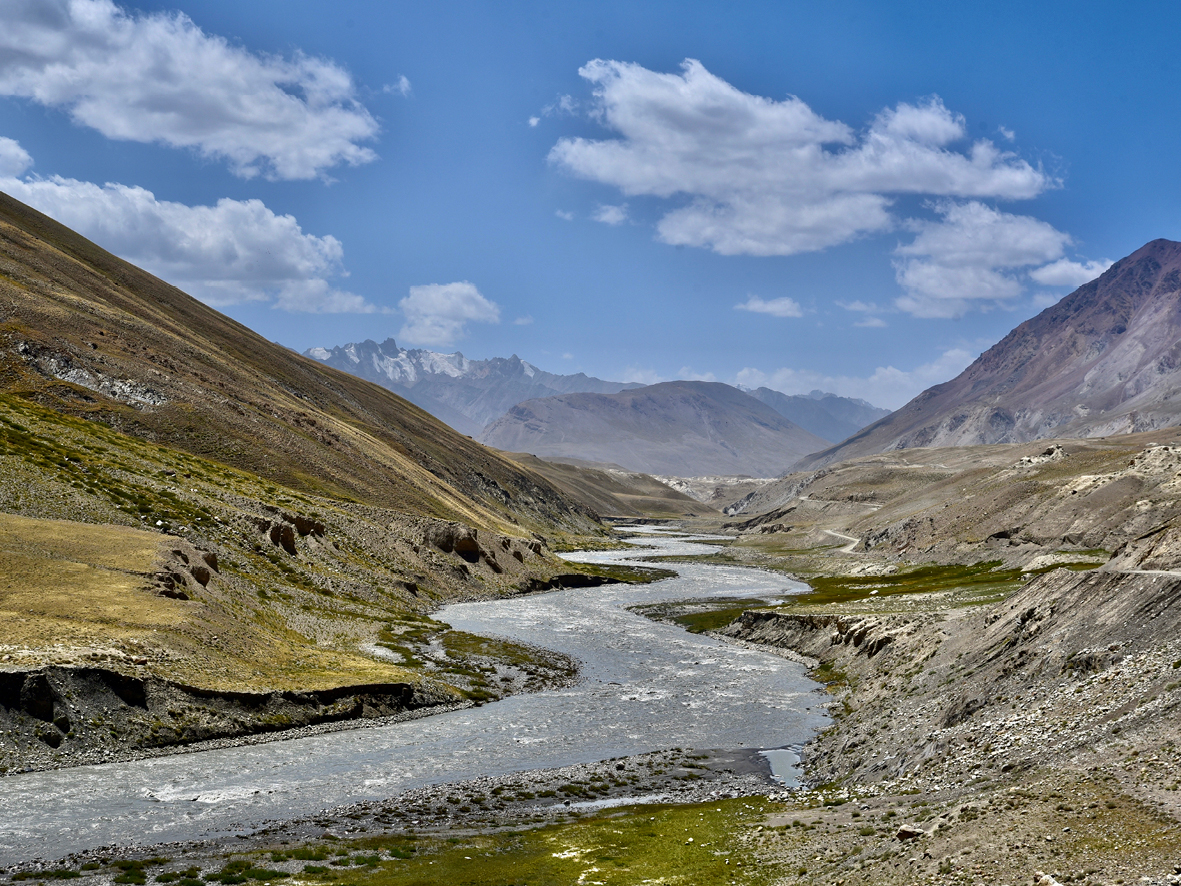
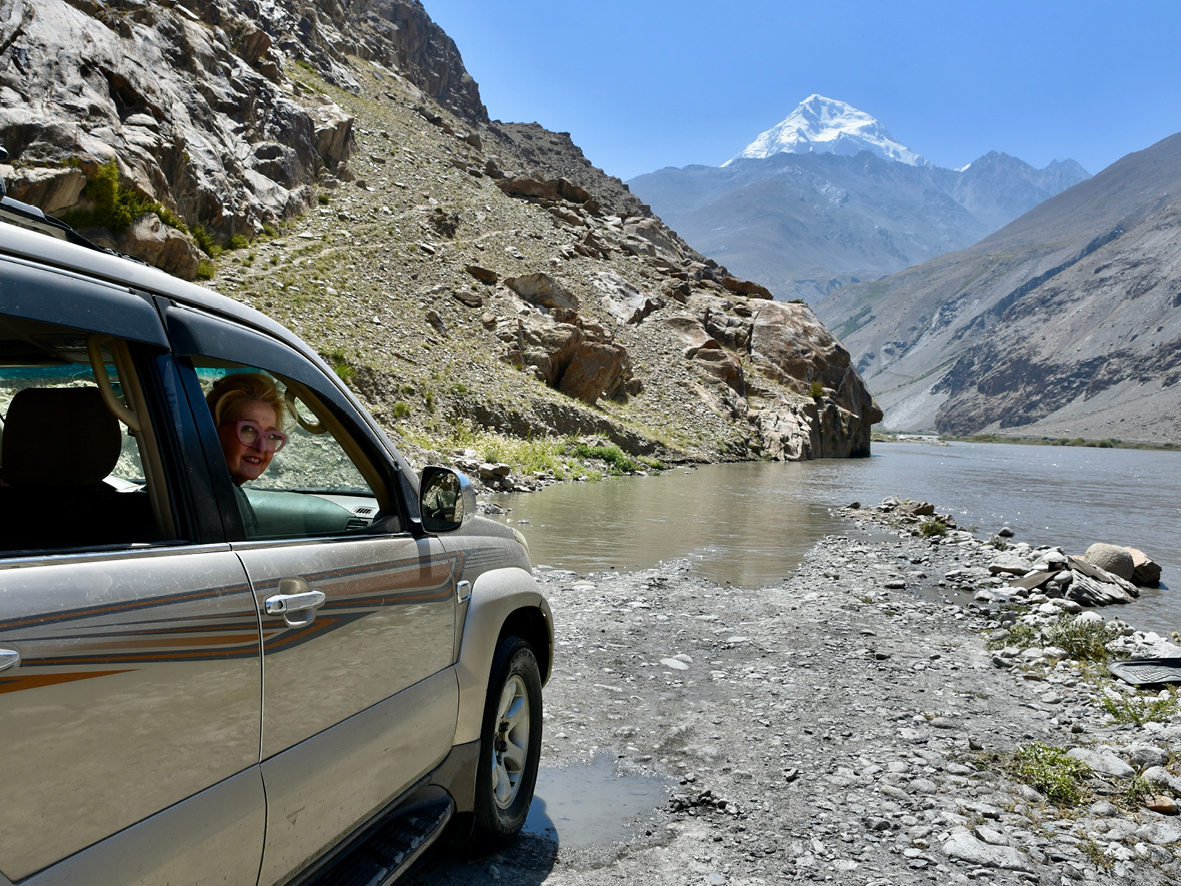
But Afghanistan seemed too risky for us in all those years. When the Taliban came to power again in 2021, peace and stability returned to Afghanistan (see box) and made the country accessible to tourists again. A year earlier, the road in the Wakhan Corridor up to Lake Chaqmaqtin was completed. Until then, it had taken four days on foot from Sarhad e Brohil, the last village in the Wakhan, to reach the Kyrgyz on the high plateau at over 4000 meters. Now it is only a one-day stage. If the rivers don't overflow their banks too much, the track is more pleasant to drive on in an off-road vehicle than most roads in Afghanistan. But even with the new road, it takes 5-6 days from Kabul, permits from three different authorities and patience with the Taliban's thorough, but to us always correct, checkpoints.
Geography and history of the Wakhan Corridor
On the map, the 350 km long Wakhan Corridor looks like the thumb of the left hand clenched into a fist or like an appendix along the Wakhan River. It was the result of the so-called "Great Game" in the 19th century, when both the British Empire and the Russian Tsarist Empire fought for influence in Central Asia and waged a cold war with each other. The two powers created it as a buffer zone by means of a series of treaties between 1873 and 1895, which they annexed to (still) independent Afghanistan in order to prevent Tsarist Russia and the British Empire from sharing a common border.
Thanks to its "blind spot", the Wakhan Corridor has been largely spared from the armed conflicts of the last fifty years.
In earlier centuries, the area was part of the Silk Road, which connected China with the West, and thus a route for armies, explorers and missionaries. Marco Polo crossed it at the end of the 13th century.
China currently wants to build a road through the Wakhan Corridor as part of its "New Silk Road Project" - at its own expense. However, any natural resources they come across during construction would belong to China. The Taliban gratefully declined and are now building the road themselves.
All border crossings in Wakhan (including the one at Ishkashim to Tajikistan) and passports are currently closed and are closely monitored by the Taliban. This prevents the movement of goods and smuggling near the border.
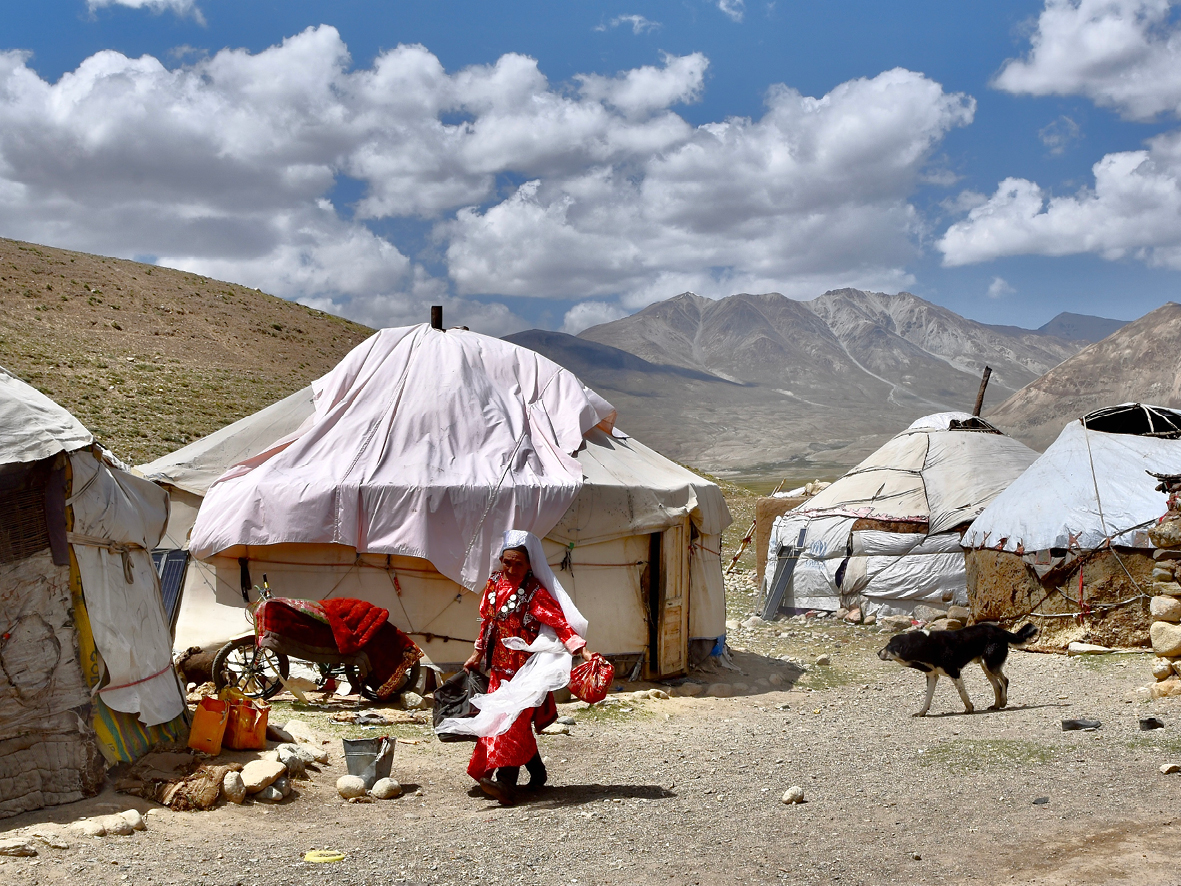
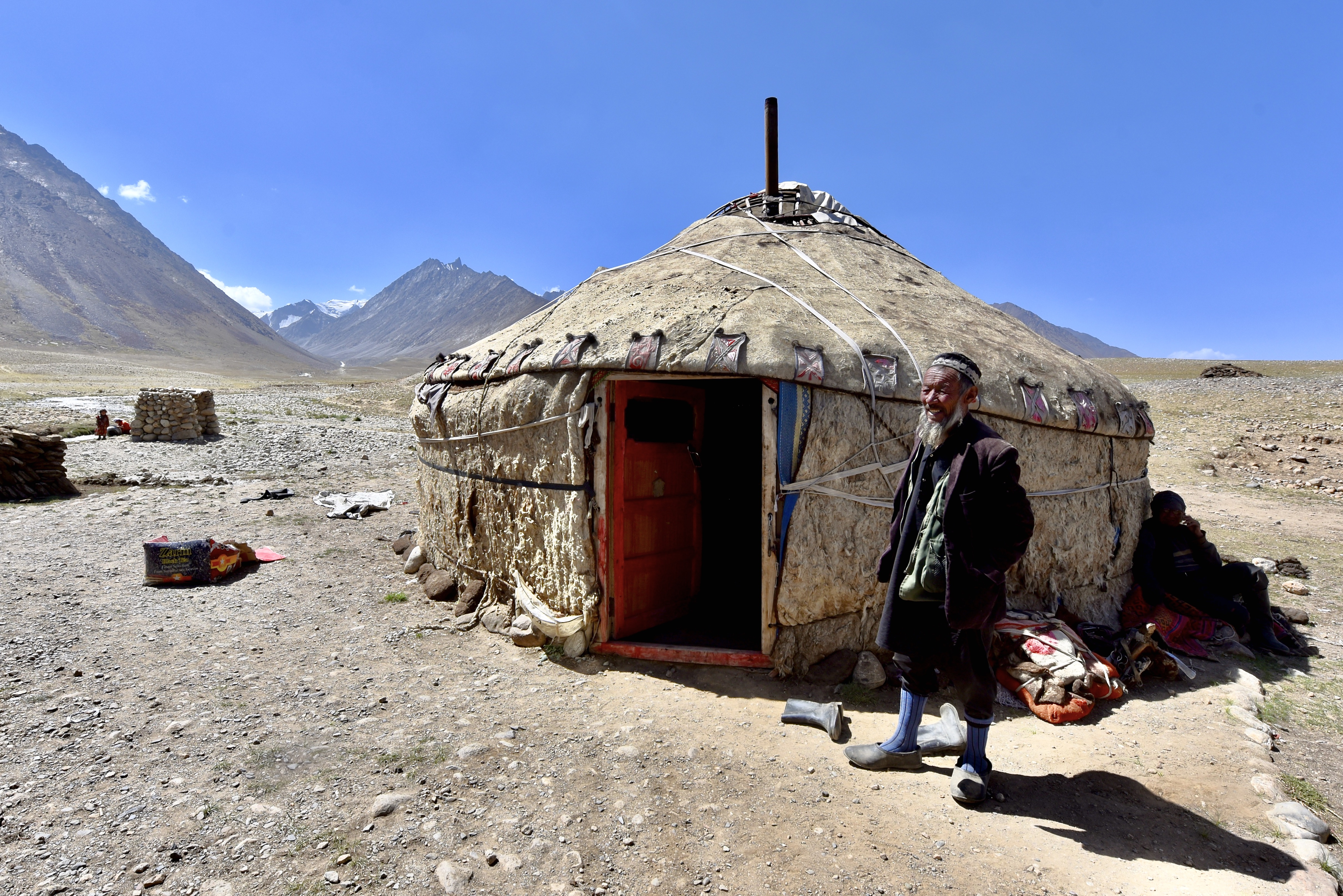
The Kyrgyz camp is sheltered from the wind at the foot of a hill in the immediate vicinity of a torrential stream. It consists of three simple stone houses, five yurts and two guest tents on the outskirts. Eimatambeg, the clan chief, assigns us one. We are not allowed to pitch our own tent, the nomads want to make sure that they also benefit from our visit. We soon realize that photography is not free either. Holger agrees with Eimatambeg on 1000 Afghani (approx. USD 15) for each of the four families. But even then, the women are reluctant to be photographed. It used to be different, Eimatambeg explains. Today, everyone is afraid of the Taliban.
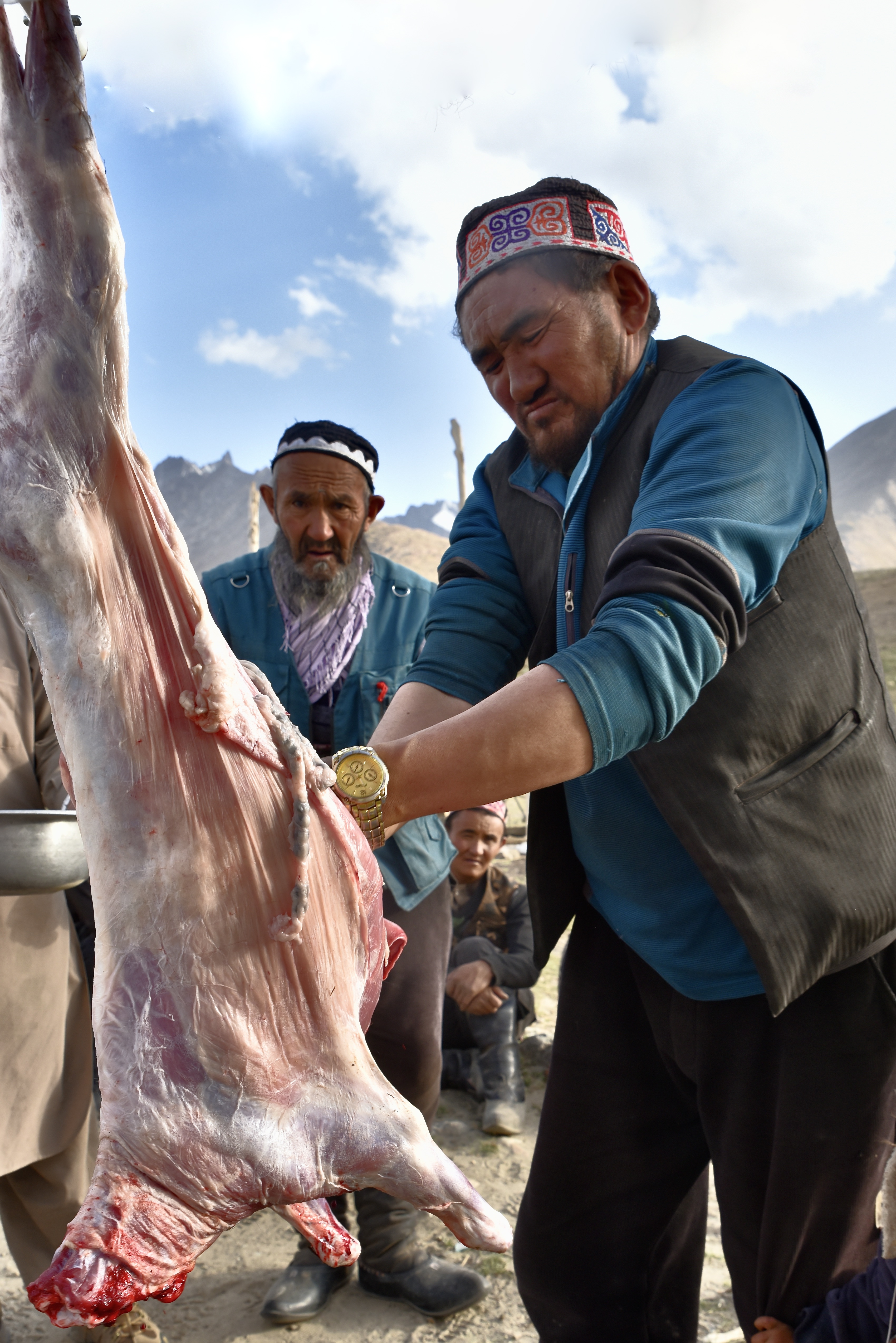
The mood relaxes when we ask Eimatambeg to slaughter a goat for us. This brings us more cash. For the Kyrgyz nomads, a sheep is still the basic unit of their currency:
A cell phone costs one sheep. A yak costs about 10 sheep and a good horse 50. The going rate for a bride is 100.
With the completion of the road, however, cash becomes increasingly important. They need it for the petrol for their motorcycles, for the occasional car and to pay for the goods that the traders from the lower Wakhan offer in their vans several times a week. Right now - it is mid-September - apples are the order of the day.
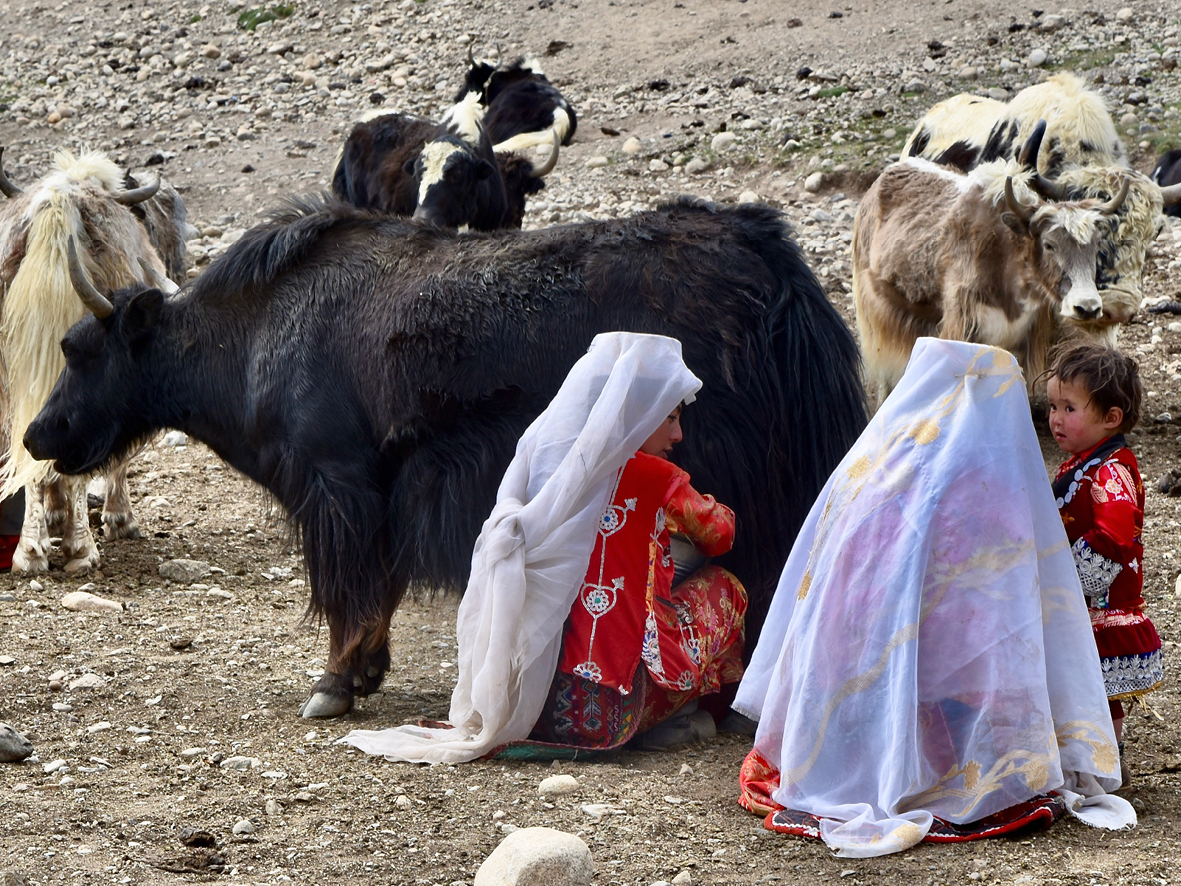
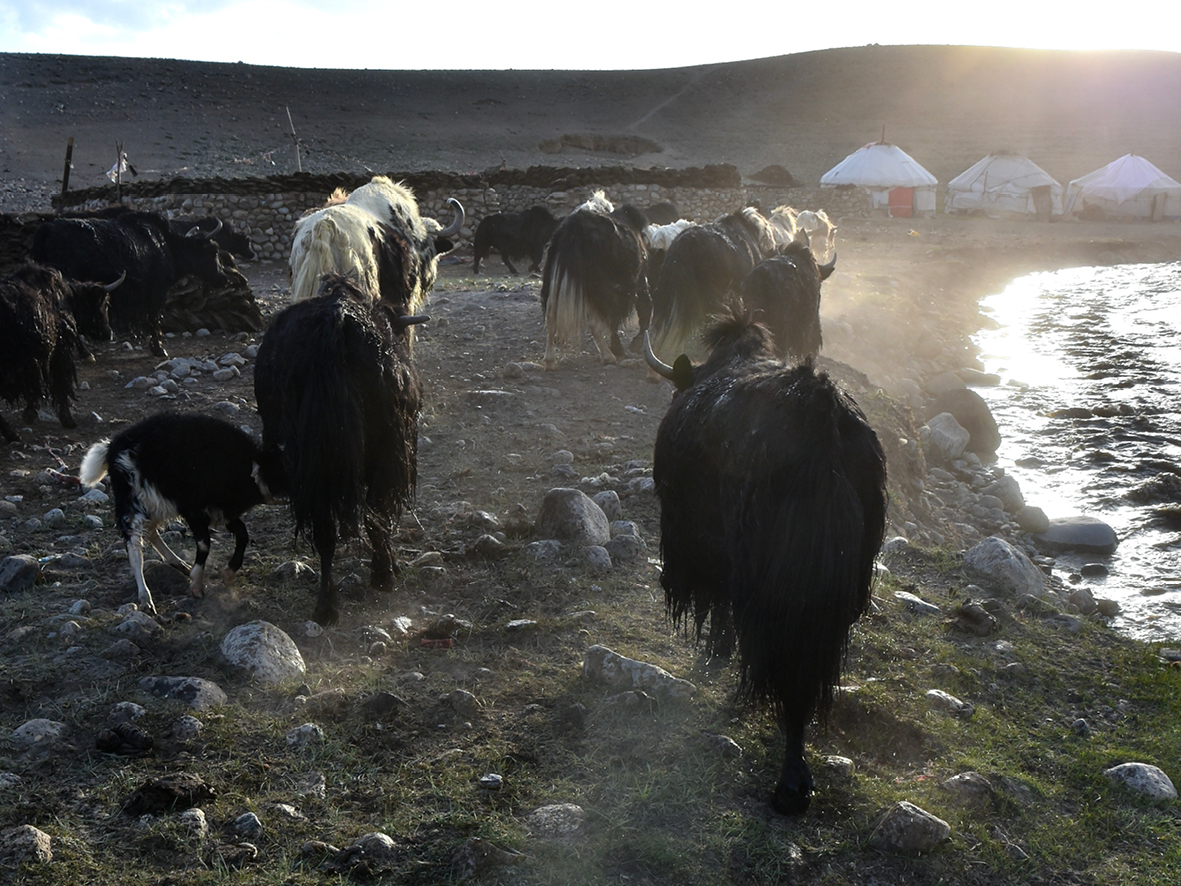
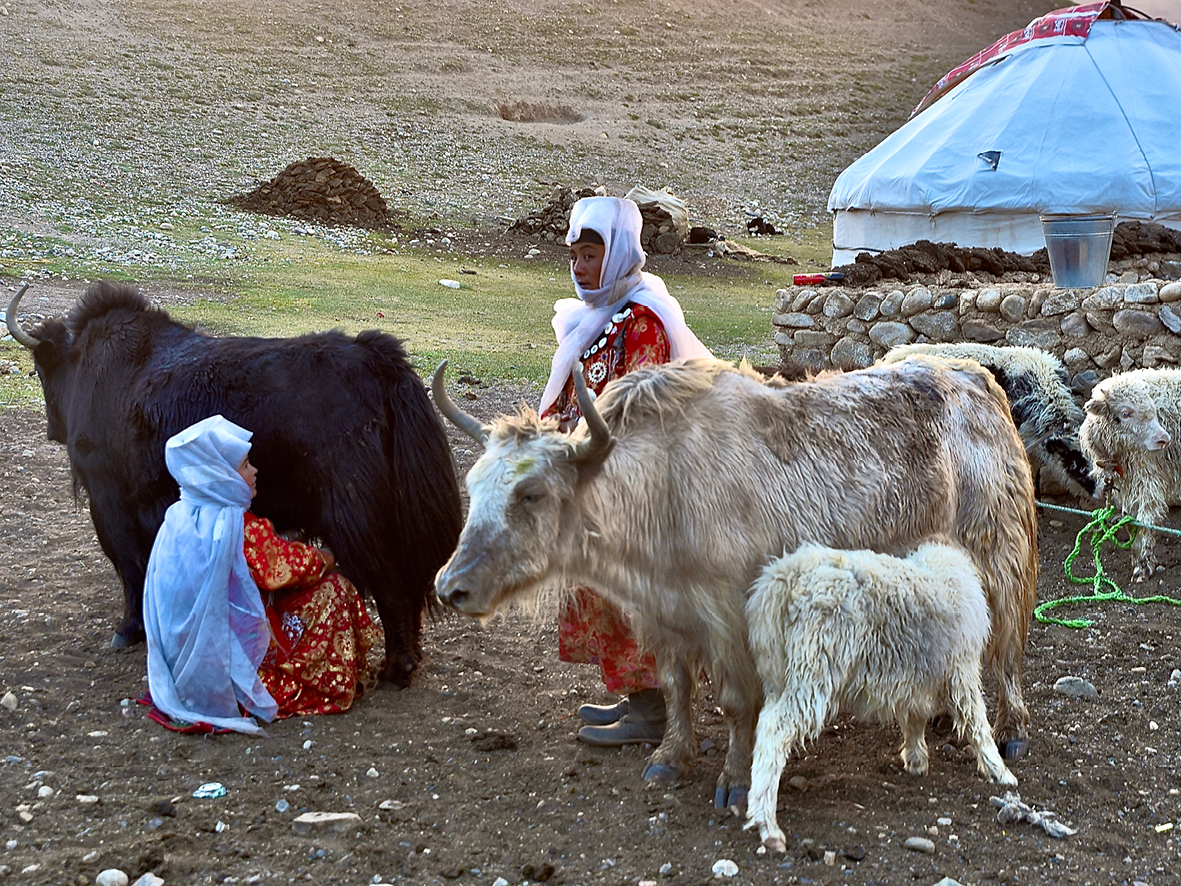
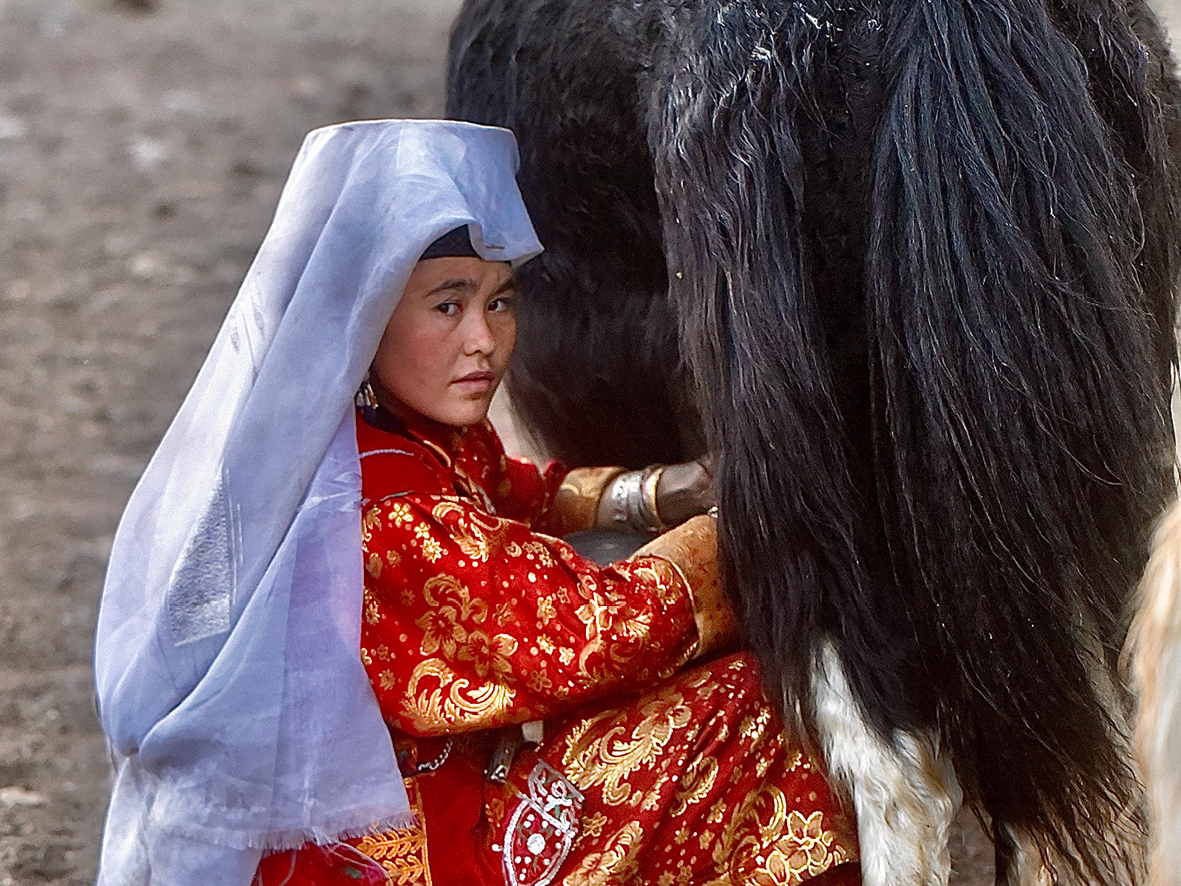
While Eimatambeg is still busy gutting and cutting up the slaughtered animal, the sun sends its last rays over the hill and the animals return from the pasture: first the yak calves from the south, then the adult yaks cross the stream from the east and finally the sheep and goats come down the hill from the west. The calves are tethered in rows and goats and sheep are driven into a stone pen. Then the women start milking the yaks by feeding each of the calves to their mothers individually, letting them drink briefly and then milking a few liters. In the morning, before the animals go out to pasture again, the process is repeated.
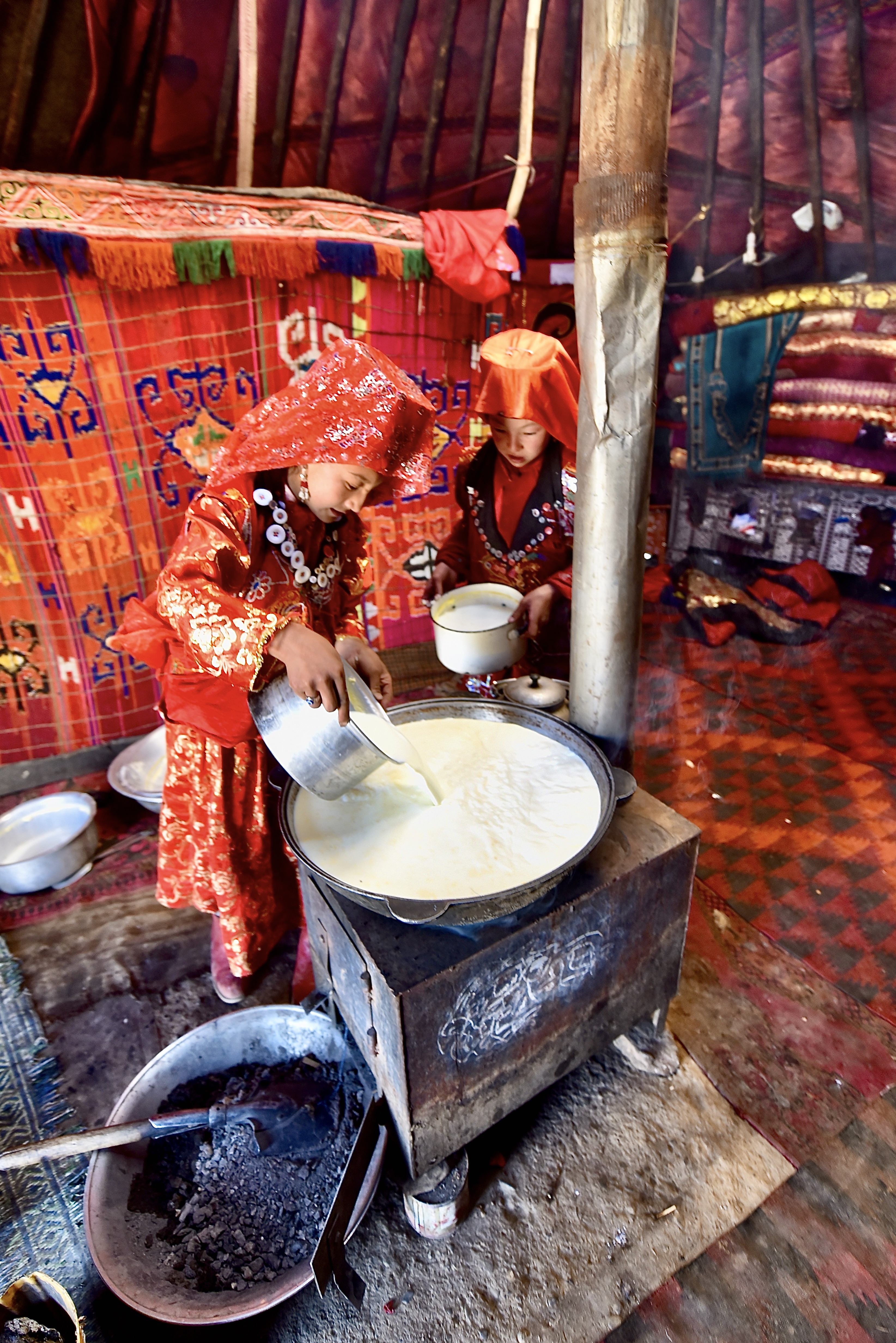
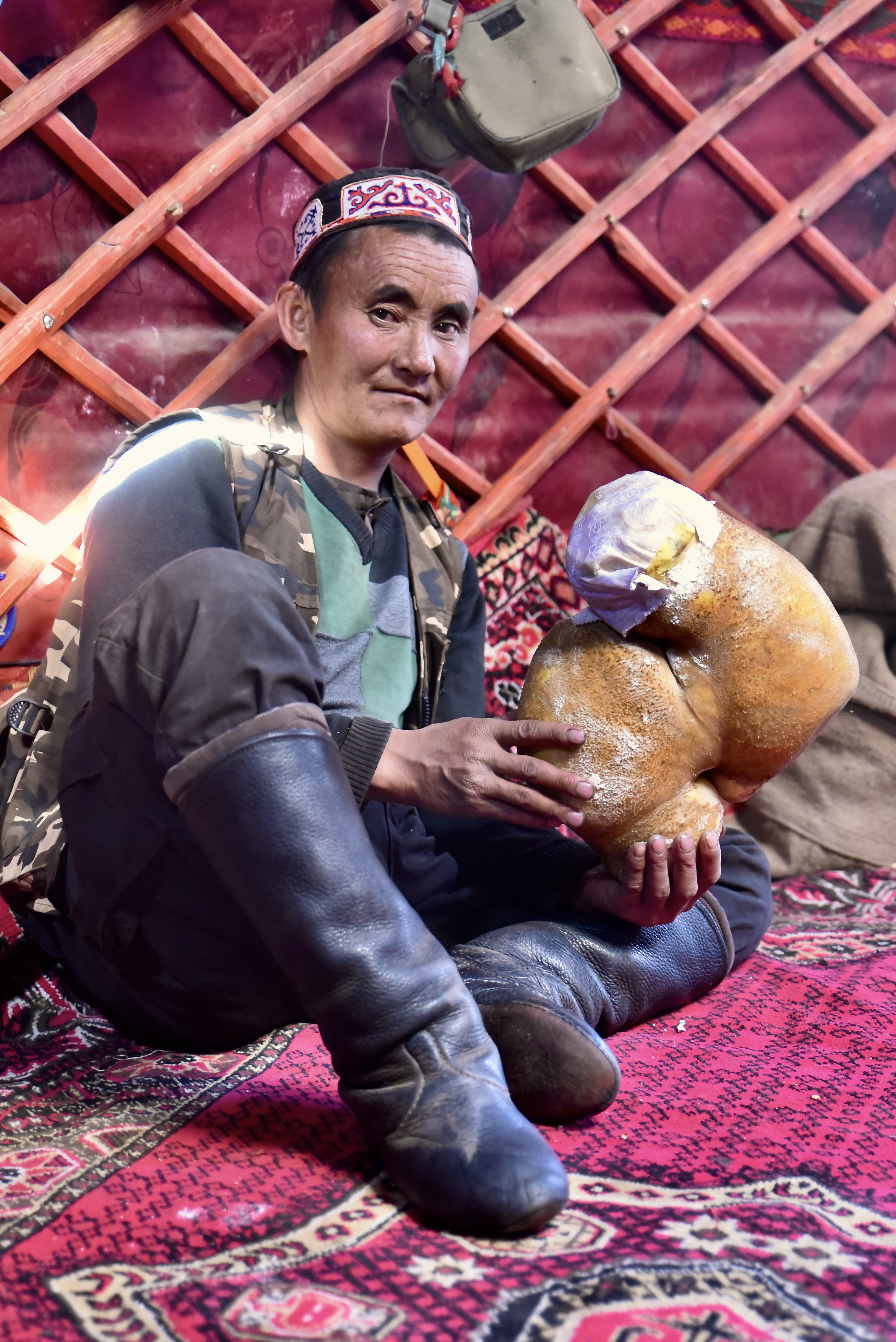
In the yurt, the women boil the milk and then process it into butter, yoghurt and "kurut", a rock-hard dry curd. They fill the butter into sheep stomachs. It keeps for months this way. Kurut is particularly popular in winter, when the animals give no milk.
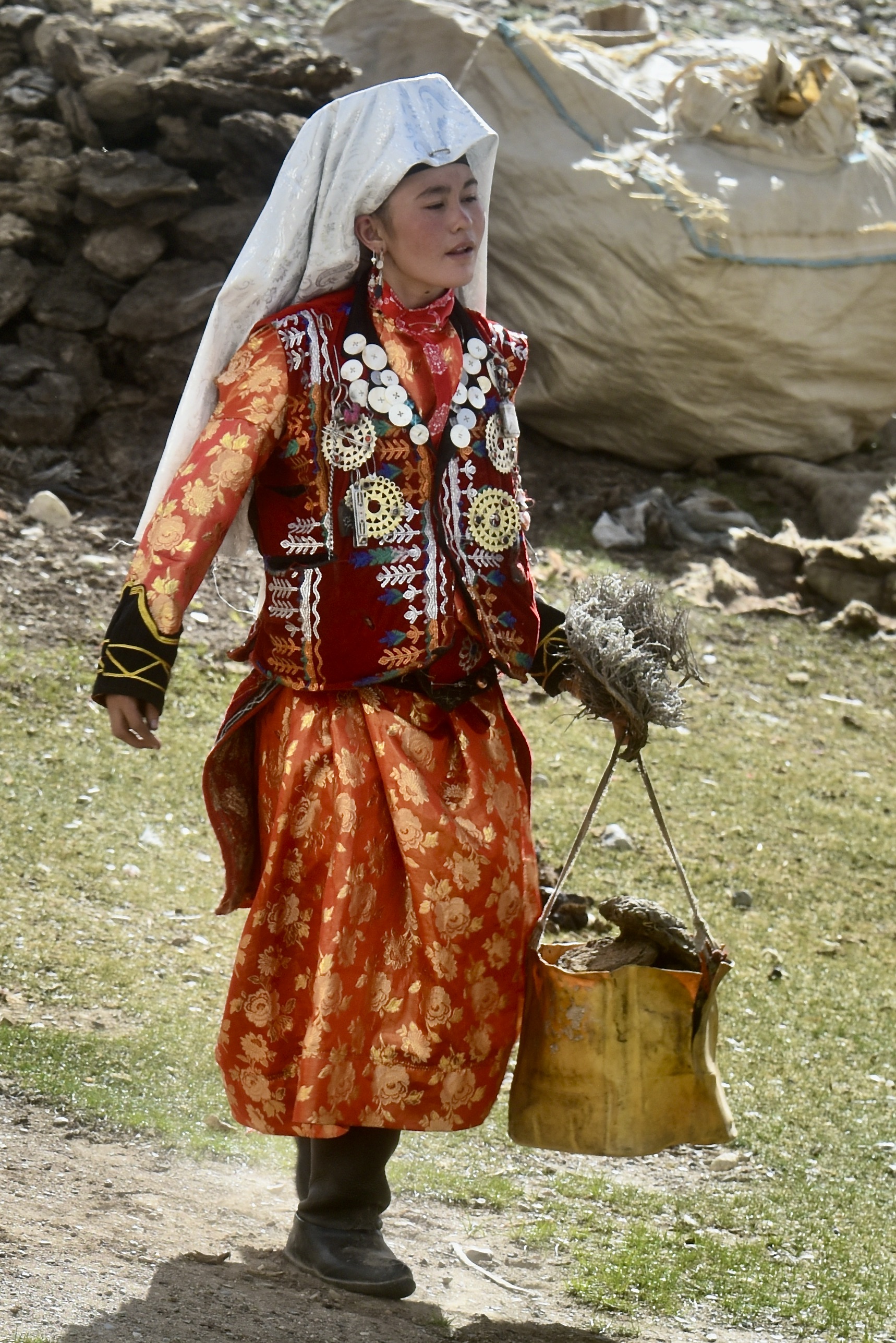
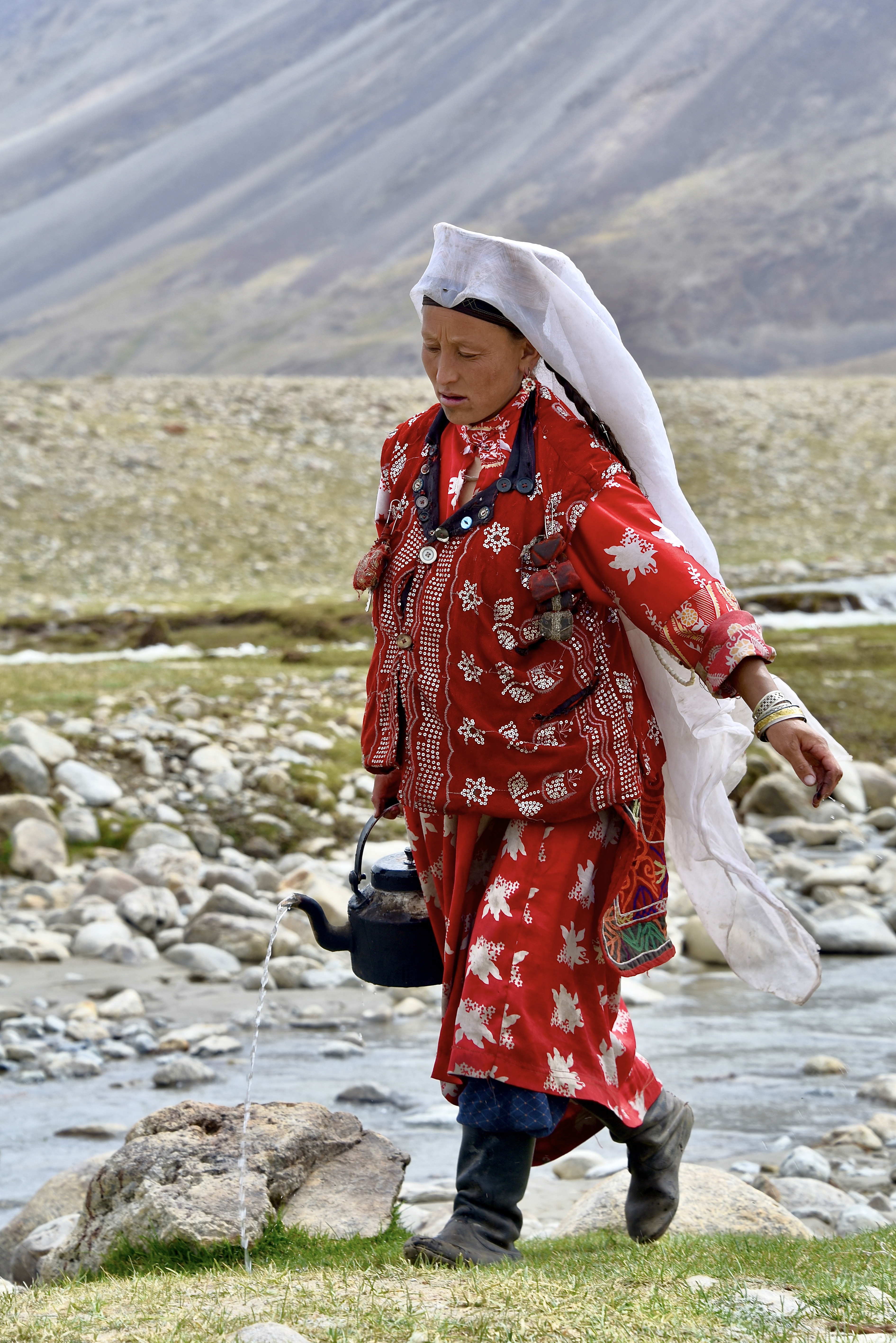
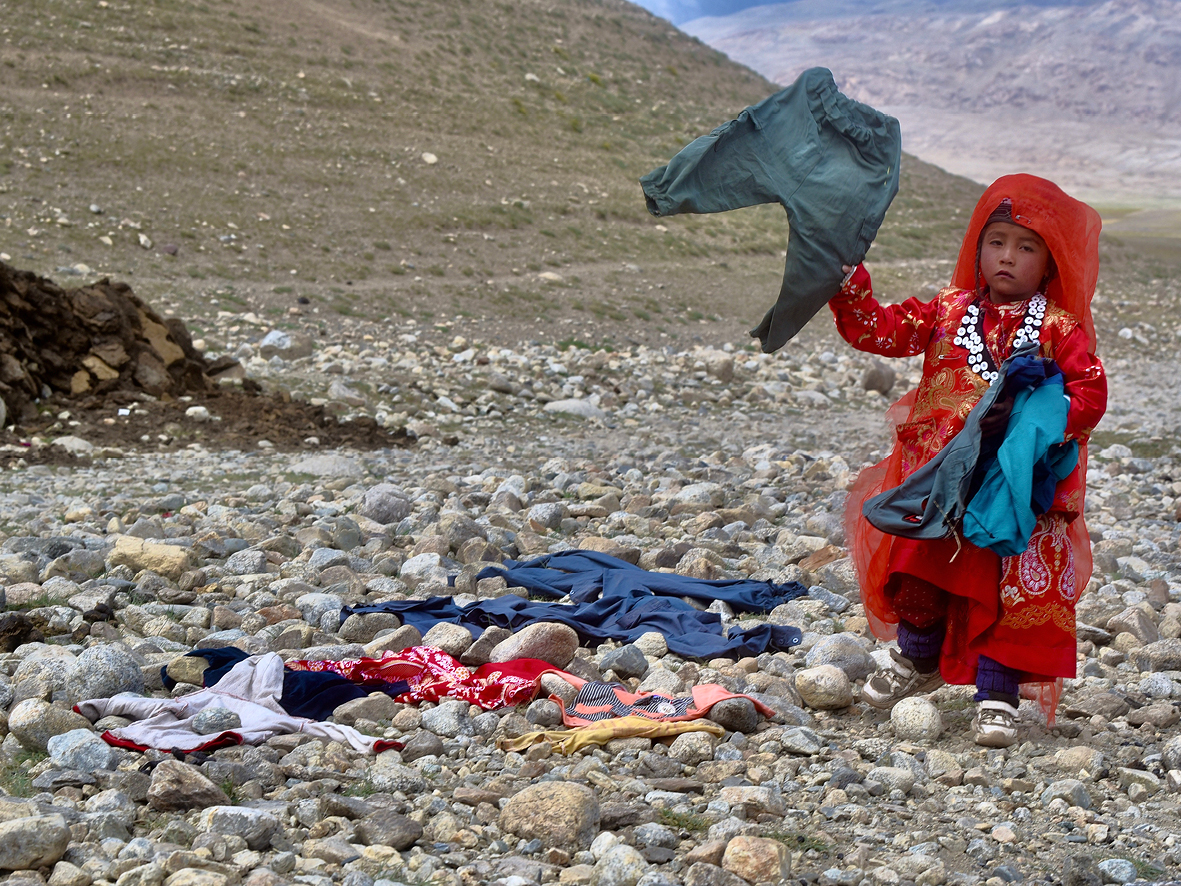
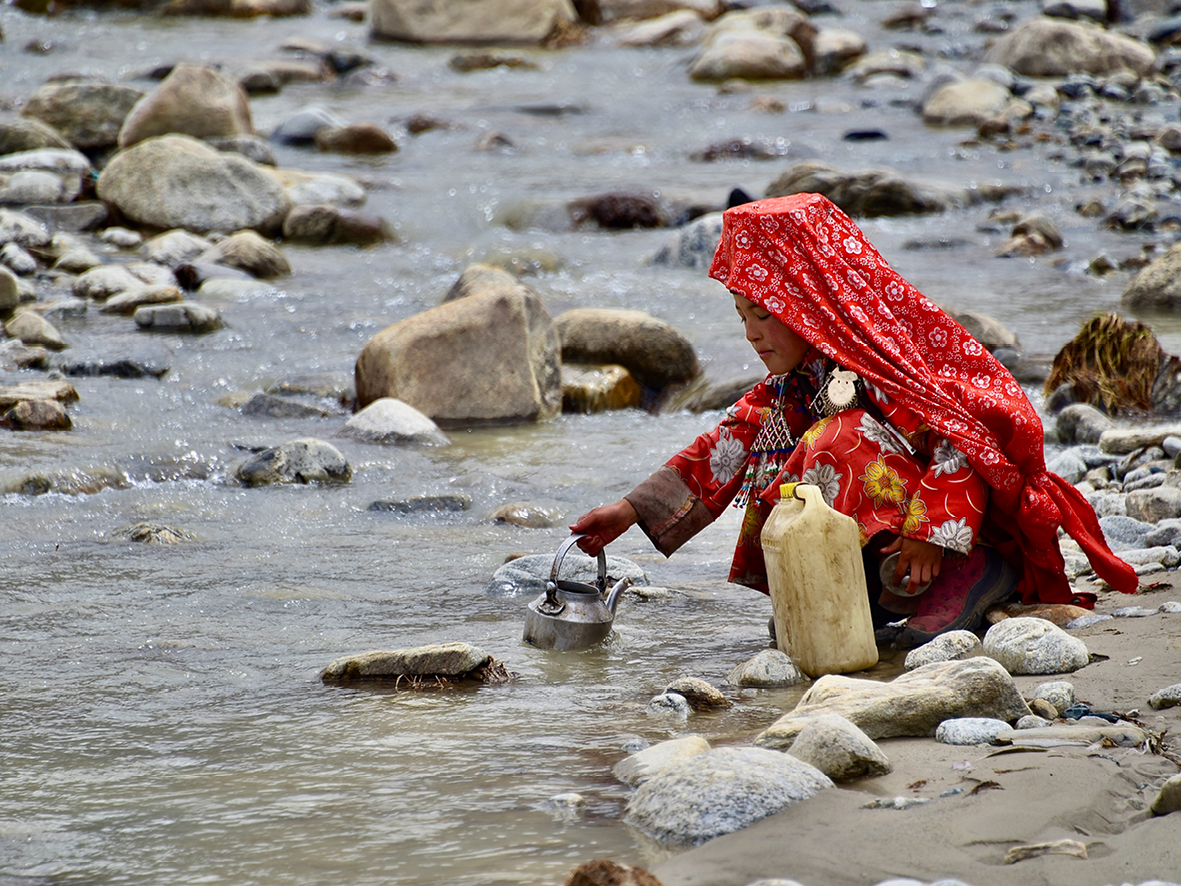
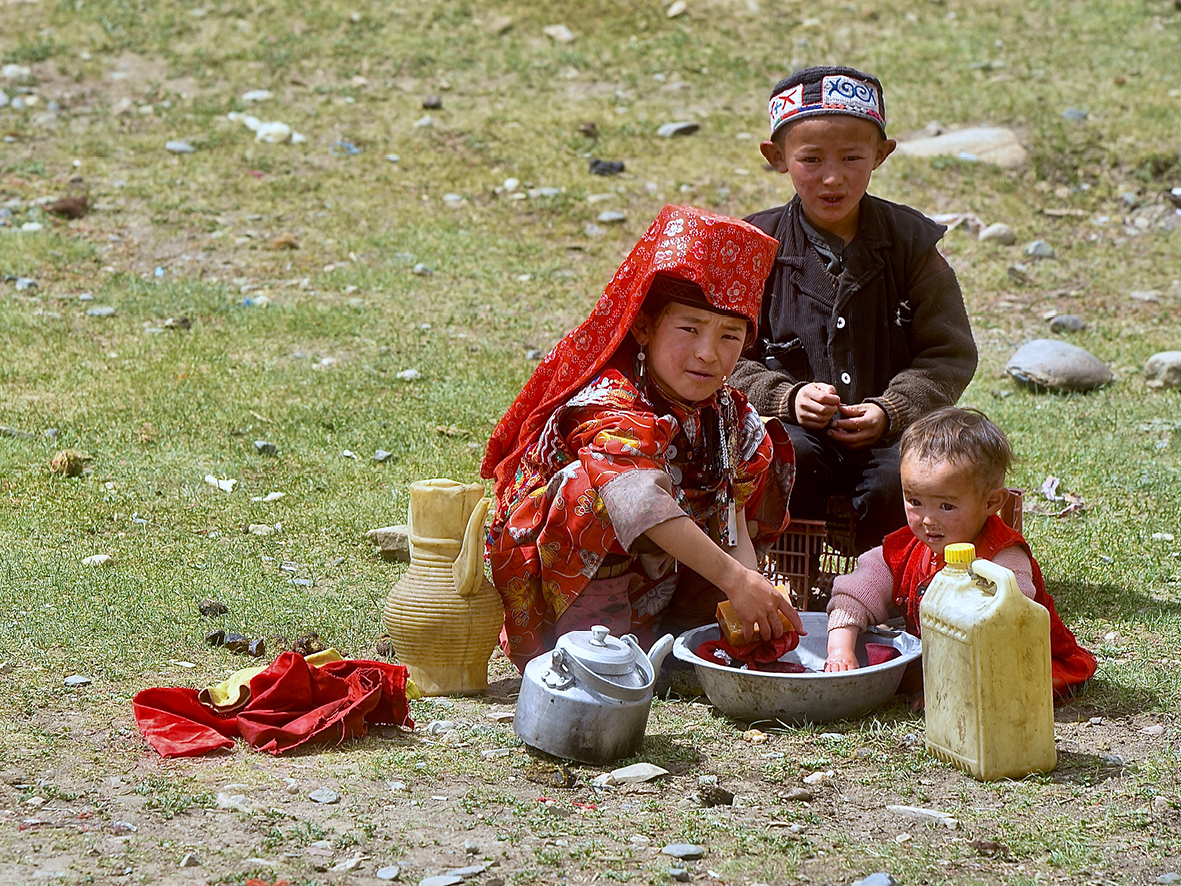
The women have little time to talk to each other. They are constantly busy looking after the children, caring for the animals, cooking, fetching water from the stream, washing and sewing clothes or collecting dung and piling it up to dry. The girls are involved in these tasks from an early age; we can only observe the youngest children at play.
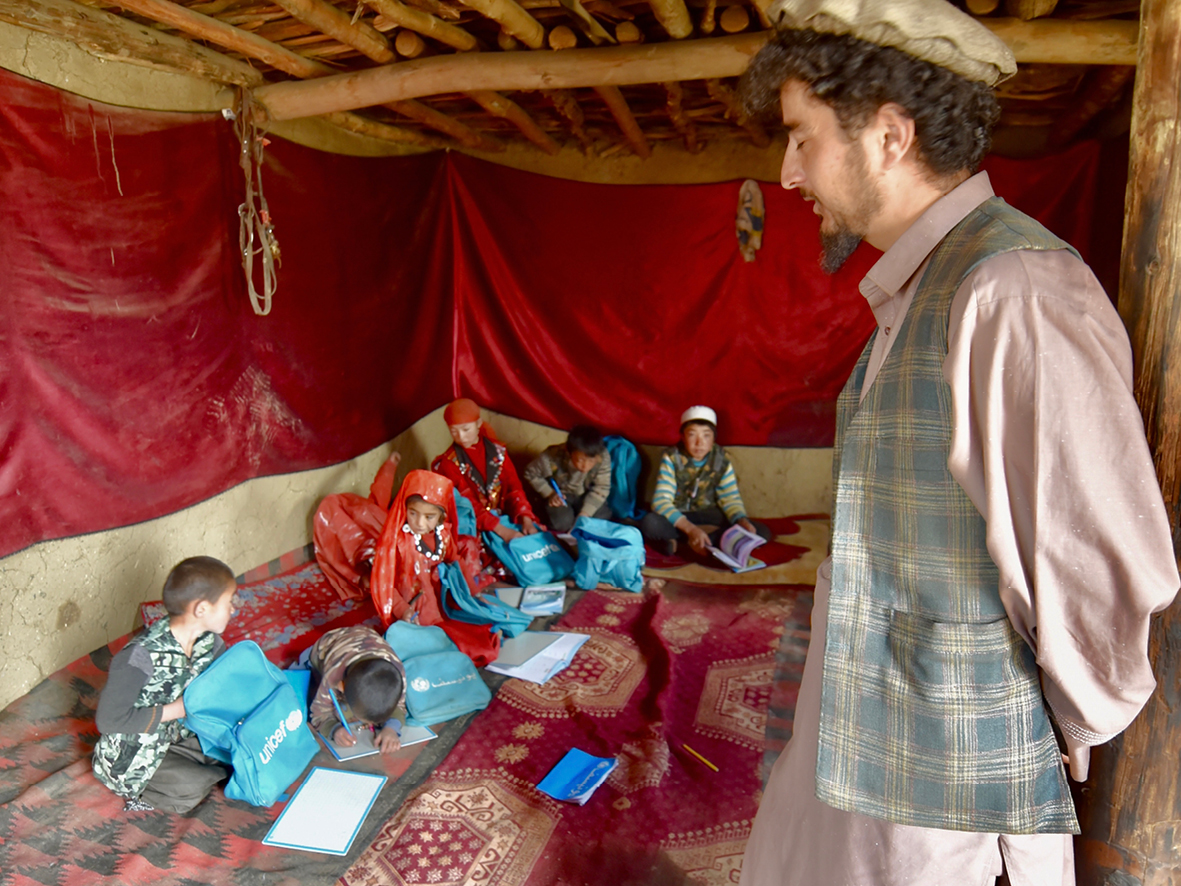
One of the houses in the camp serves as a school for the children of all the surrounding camps. There are currently 25 children, explains the young teacher from Kunduz. But only six came today.
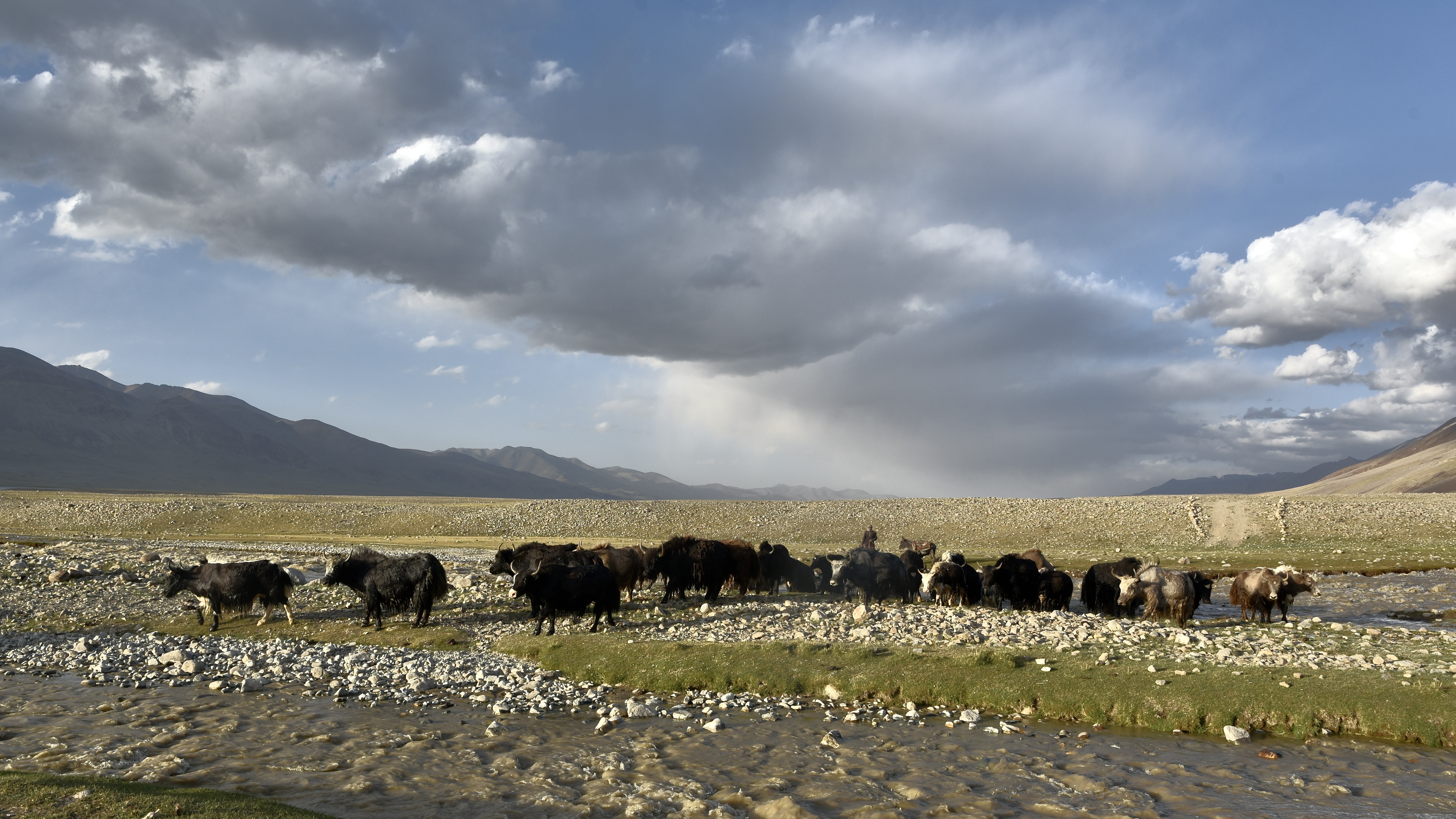
We ask Eimatambeg how many Kyrgyz live here on the plateau around Lake Chaqmaqtin? He doesn't know exactly, but he estimates there are around a thousand. The fact that so many Kyrgyz, far from their homeland, live isolated in this inhospitable environment, where the temperature falls below freezing point 340 days a year, the wind blows across the plain and even grass has trouble growing, has its origins in the 18th century. At that time, the Kyrgyz began to use the valleys of the "Little Pamir" as summer grazing land. When winter came, they moved to warmer areas. During the Russian Revolution in 1917, the Wakhan Corridor was a refuge for the Kyrgyz. With the establishment of the Soviet Union, the borders remained closed until 1950. The Kyrgyz thus "automatically became Afghan citizens" and could only migrate with their herds within the Wakhan Corridor. When the communist government of Afghanistan was installed in 1978, some of them fled to Pakistan, some of whom returned soon afterwards or settled in eastern Turkey. Now the Taliban have recently closed the borders in the Wakhan.
Afghanistan under the Taliban
Since the Taliban came to power (from 1996 to 2001 and again since 2021), Afghanistan has been under a fundamentalist Islamist rule that determines people's everyday lives. The regime is particularly harsh on women: they are hardly allowed to work, secondary schools and universities are closed to them and even going outside is restricted in many places. What is sold as stability is, for many, a life of invisibility and stagnation.
The country is also in a deep economic crisis. International sanctions, frozen aid funds and the withdrawal of foreign organizations have driven Afghanistan into isolation. Poverty, unemployment and hunger are on the rise, and the healthcare system is on the verge of collapse. There is a lack of qualified staff and medicines. There are almost no female doctors or midwives left and women are not allowed to be treated by men. The maternal mortality rate is one of the highest in the world.
Despite these desolate conditions, one thing has changed: After decades of war, there is relative peace in large parts of the country. The Taliban control almost all provinces and large-scale fighting has become rare. Many people see the absence of open violence as a relief - but this "peace" comes at a high price. It is not based on freedom or justice, but on fear, control and the silence of those who no longer have a voice.
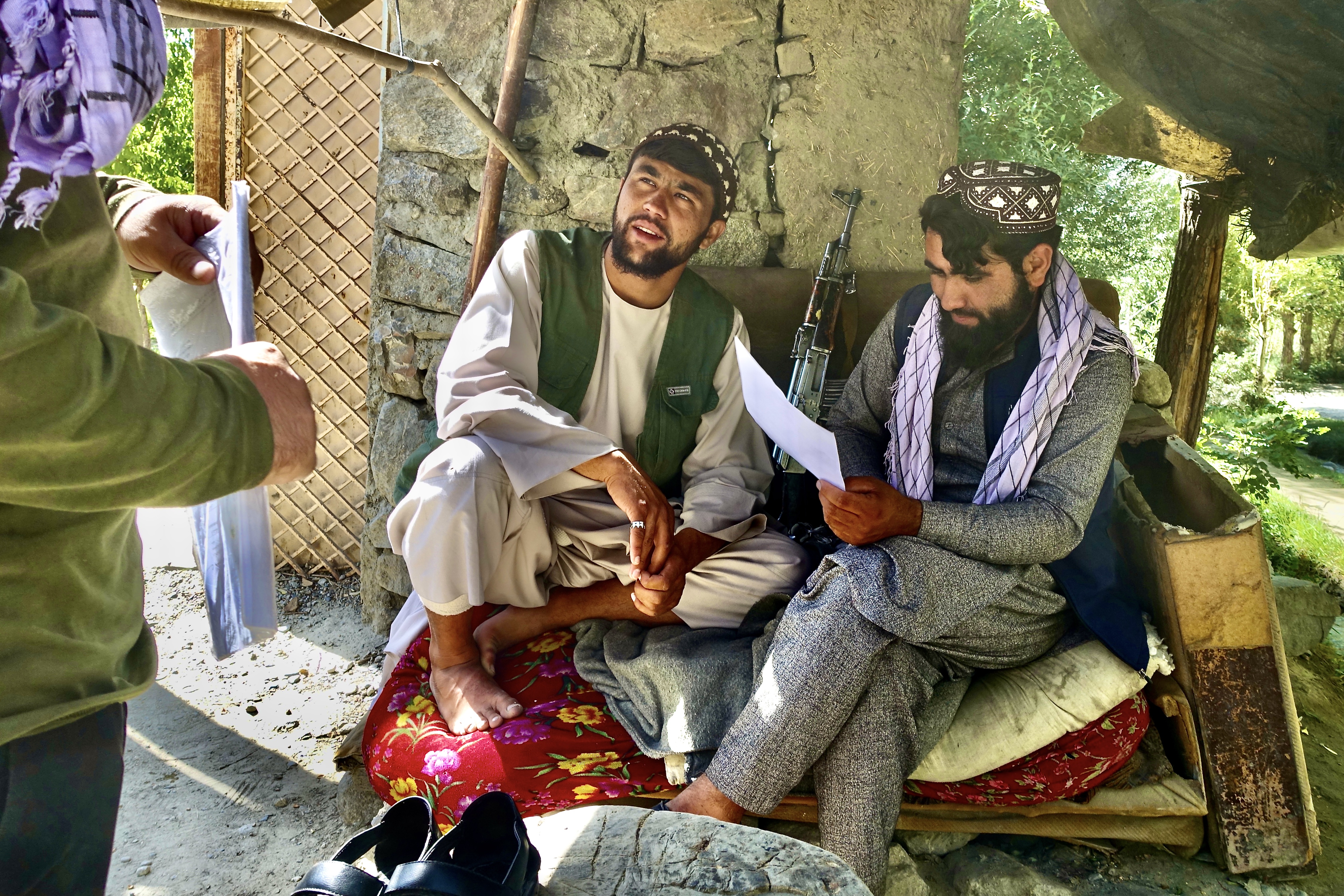
In April 2023, the Taliban issued a decree banning the production, trade and consumption of all types of drugs - namely opium - throughout Afghanistan. This also affected the Kyrgyz. In the absence of any medical care, opium was the only potent medicine available to them for a long time. As a result, opium addiction was widespread among the Kyrgyz. The situation has hardly improved with the opening of the road. The nearest hospital in Faizabad is four days away, too far for any emergency. The Kyrgyz therefore have one of the highest mortality rates in the world. Women and small children are particularly affected.
The new road has not only brought improvements, but also new risks and suffering. As a doctor, Holger is called to two men who had both suffered an accident on their motorcycles months ago. One of them had suffered a metatarsal fracture. The doctors in Faizabad had recommended a surgical fixation, but this was too expensive for the nomad. Back in Wakhan, he put too much weight on his foot too soon and now suffers from painful pseudarthrosis. The other, still a young man, suffered a whiplash injury - the computer tomography in Faizabad showed no injuries whatsoever - and has been seriously depressed in bed ever since.
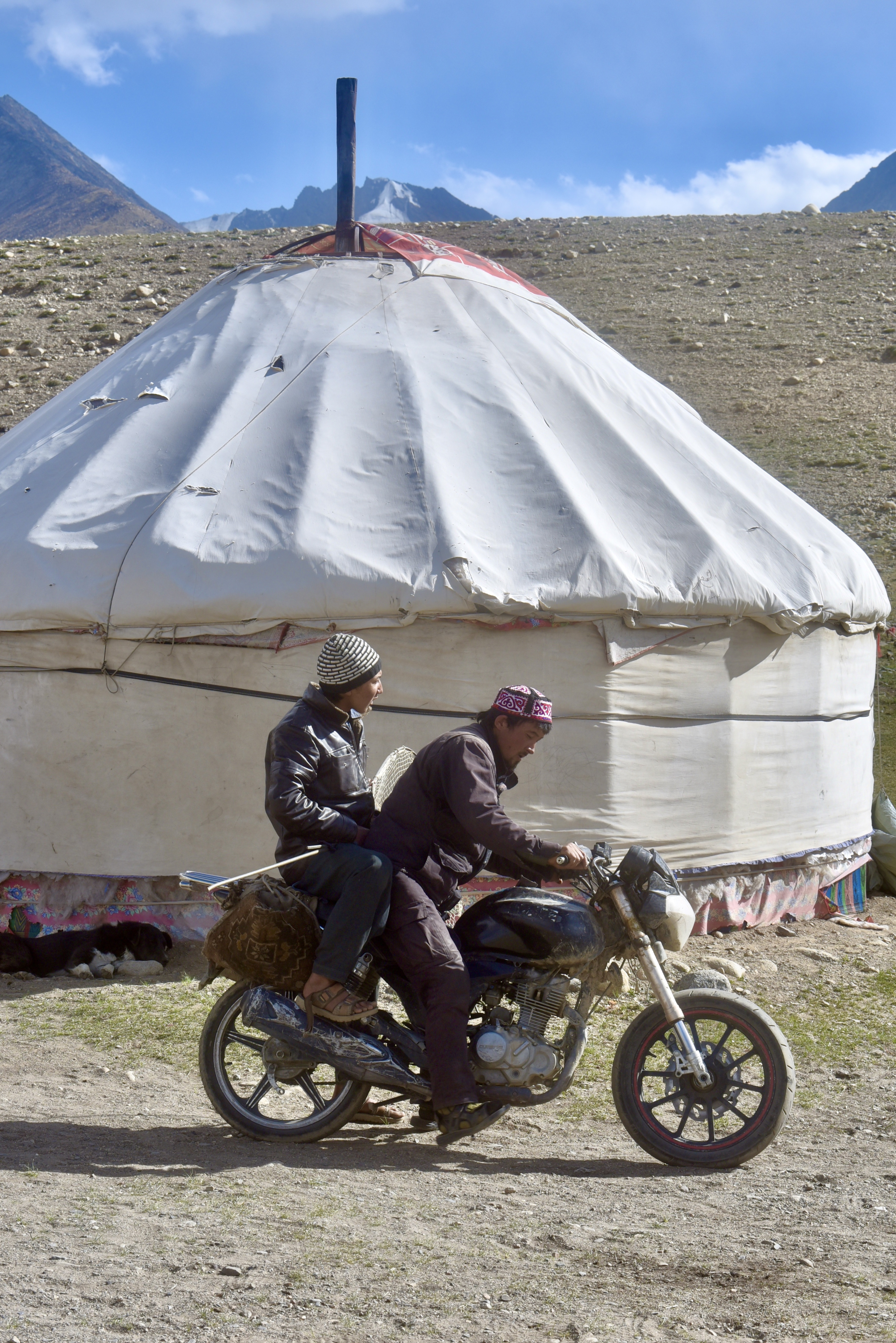
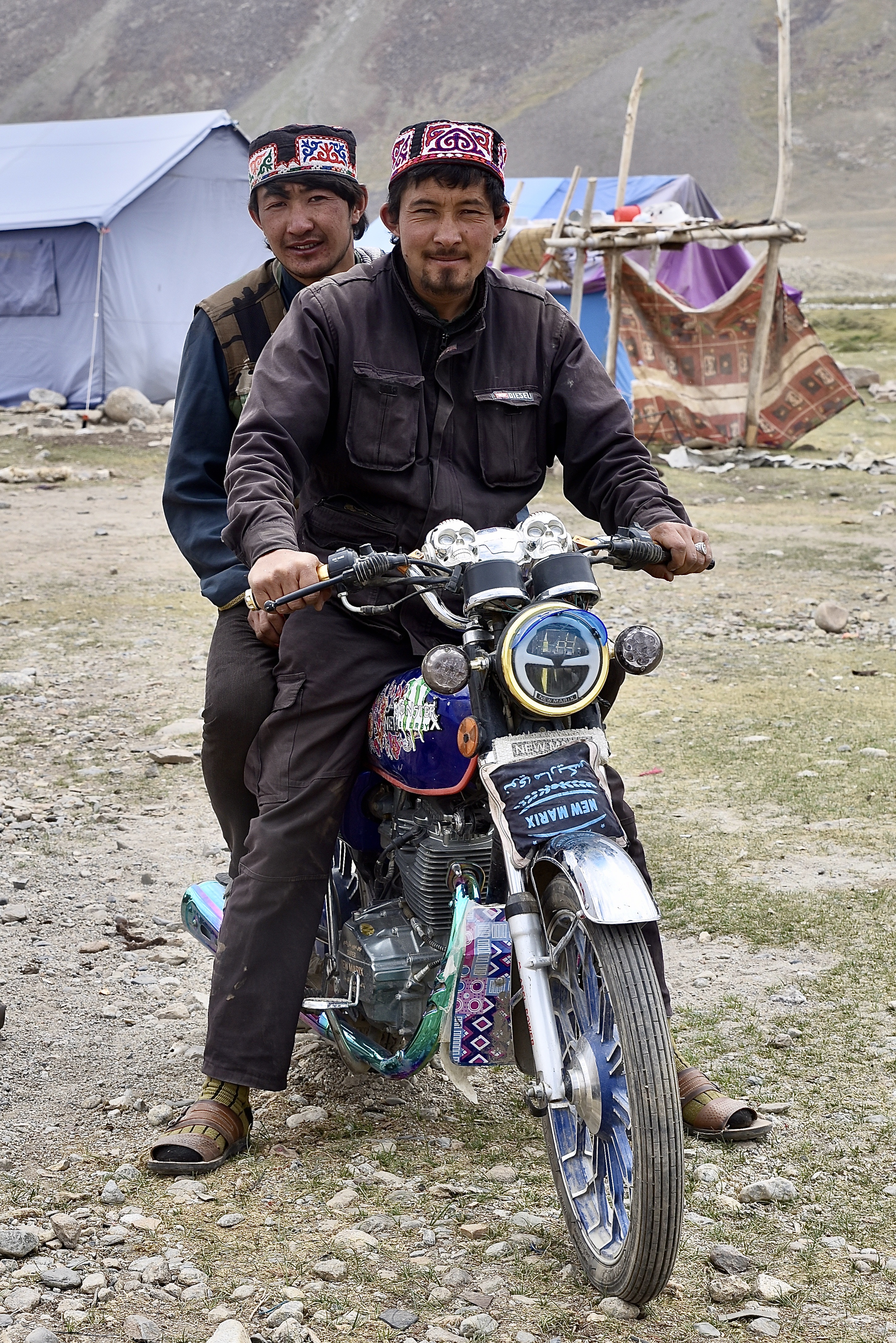
As long as the road did not exist, the Kyrgyz remained unaffected by the country's political turmoil. Even cell phones don't work up here. That the fear of the Taliban is real becomes clear when a pick-up truck with eight Taliban drives into the camp. There is an immediate sense of unease and hecticness, which also affects us. Eimatambeg tells us that we have to vacate the visitors' tent immediately. The Taliban let the nomads provide them with fresh meat and prefer to spend the night in Eimatambeg's house. They leave again the next morning. We were not told the purpose of their visit.
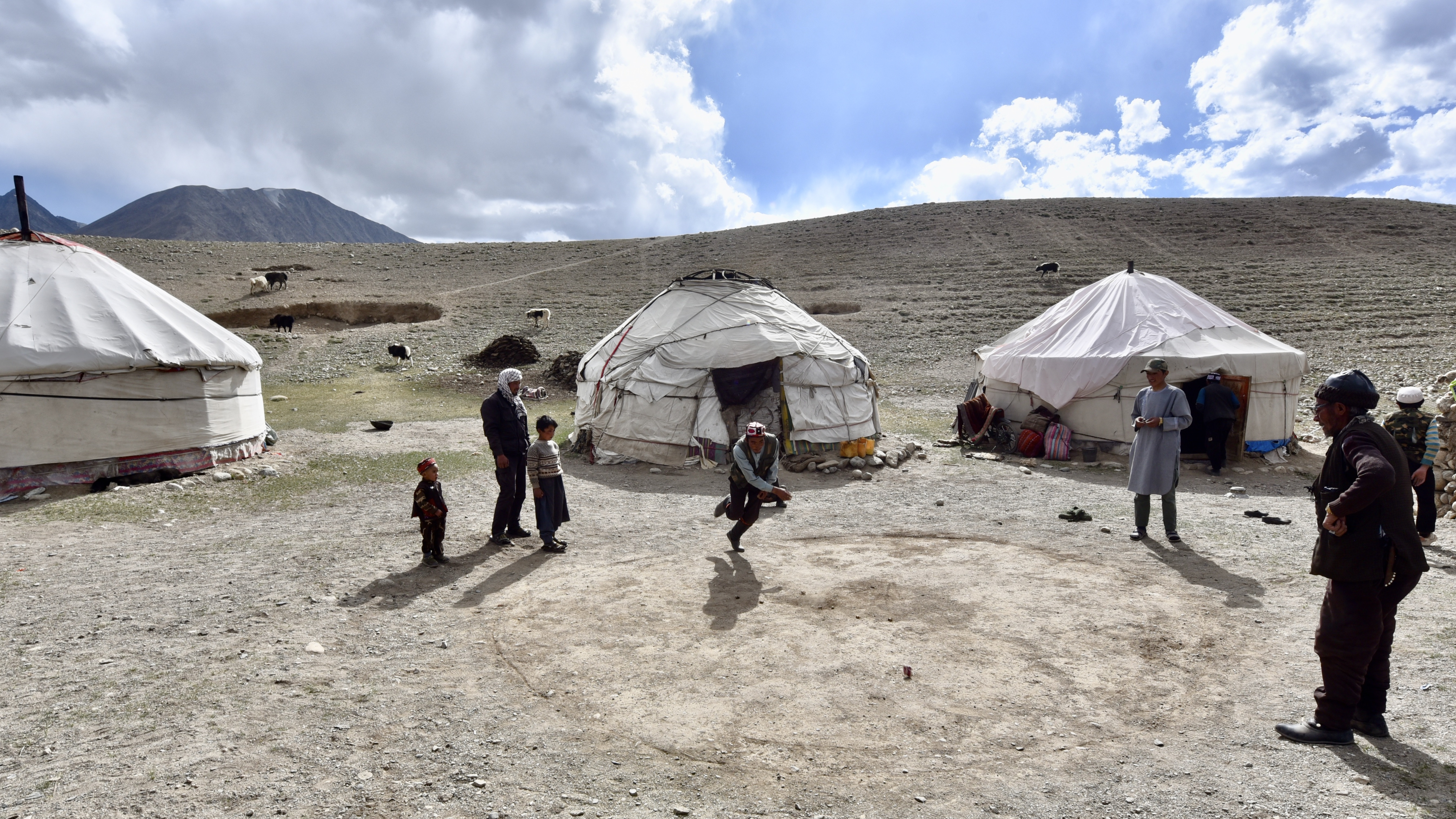
As soon as the Taliban have disappeared, the men - young and old - start playing "Ordo" in front of the yurts. Ordo is a traditional Kyrgyz ankle game that symbolizes the battle to conquer the Khan's headquarters. Using a large yak foot ankle, the players try to spike six smaller sheep ankles - the last being the Khan's ankle - out of a circle of four meters. This is the time for the women to meet undisturbed in one of the yurts for a chat. The mood in the camp is relaxed again.
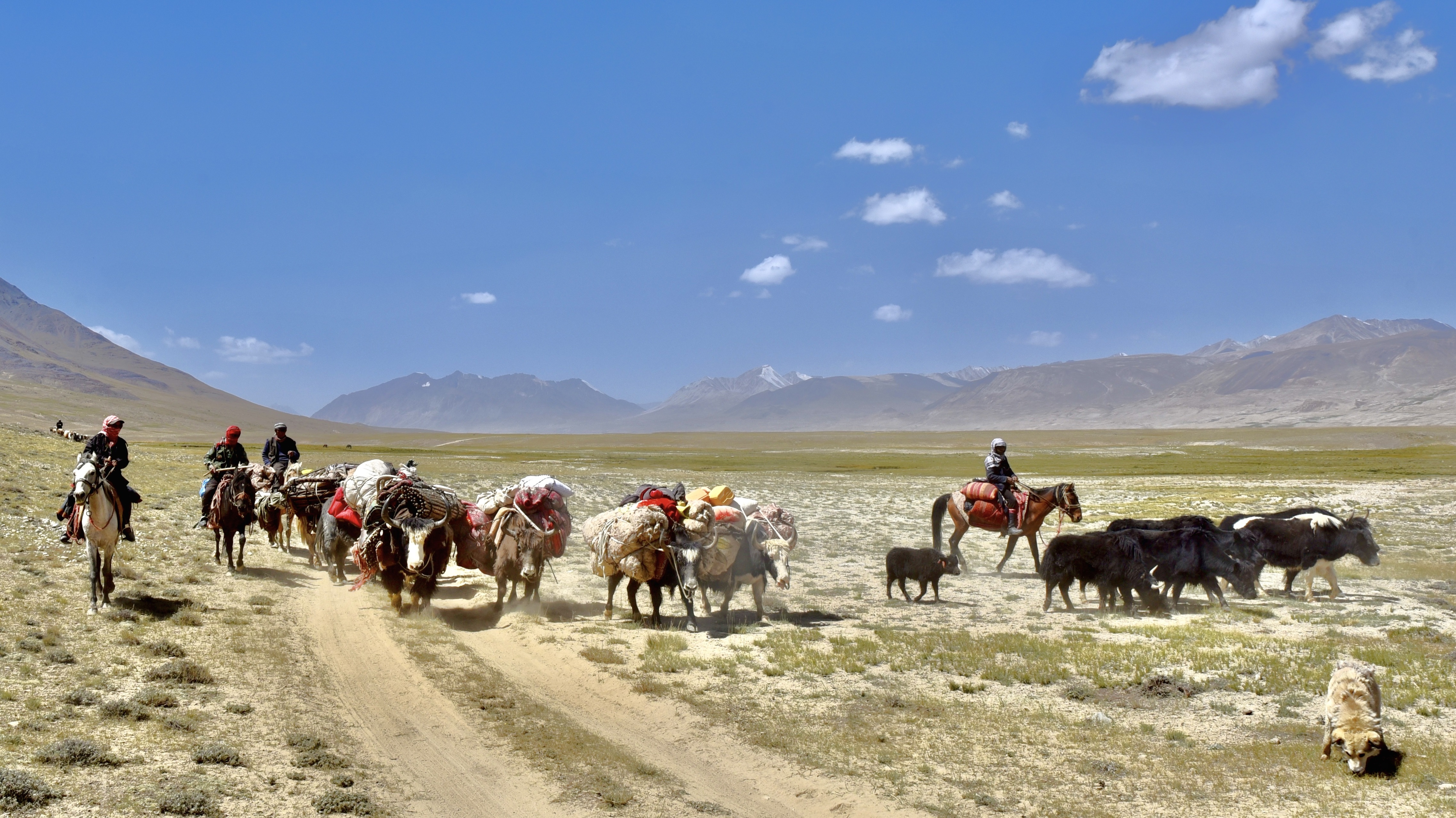
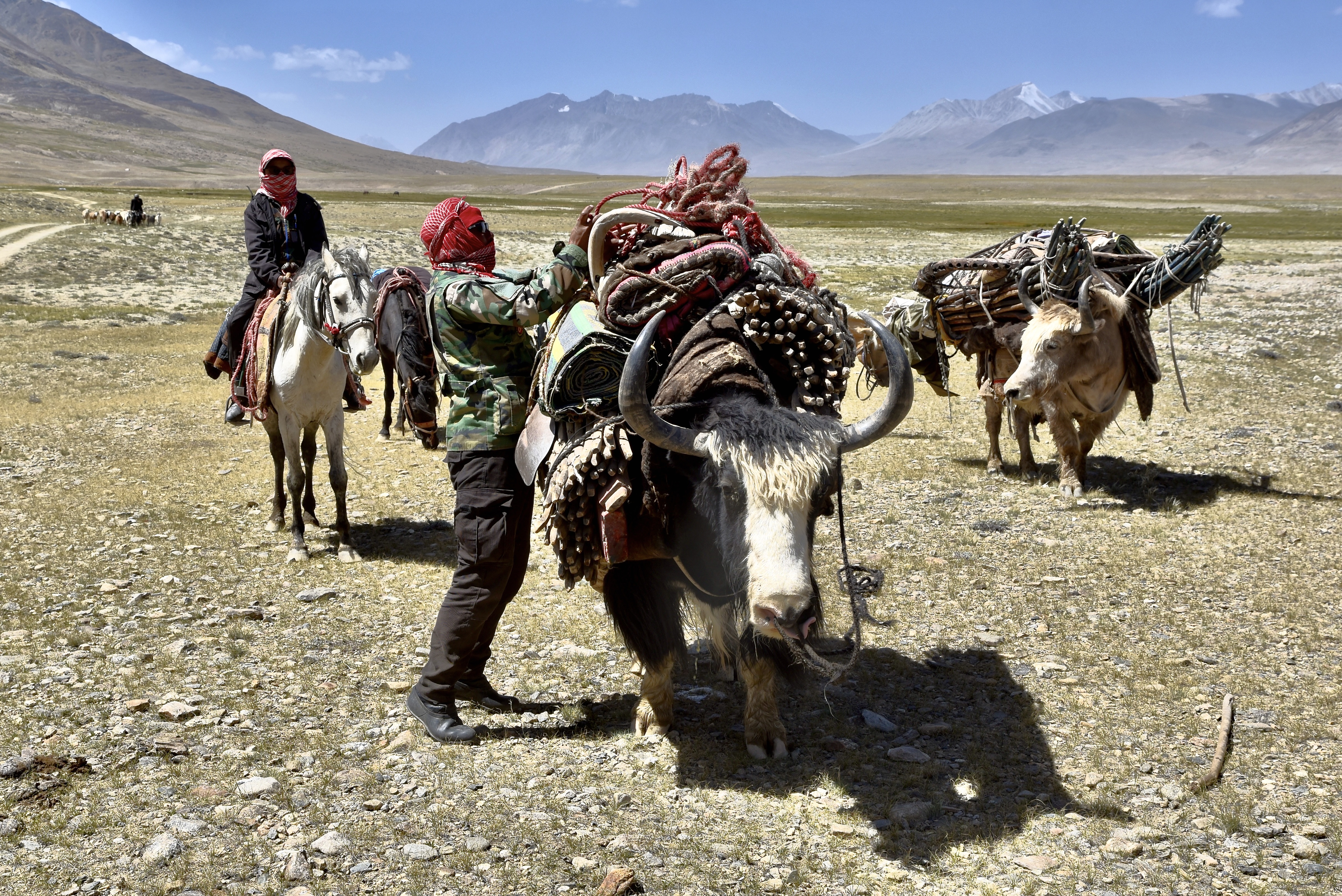
We would like to visit other camps. The nearest one is an hour away by car. On the way, we come across five nomads migrating with their animals on the vast, otherwise very lonely plateau. Four of them are on horseback together with the yaks. The yurt and the household goods are distributed among six yaks. The fifth nomad follows on foot with the sheep and goats. The second camp consists of just two houses and two yurts. We have brought the nomads flour, salt, sugar, apples and honey. The welcome is no friendlier for it.
Our driver advises us not to continue towards the lake. The terrain is becoming increasingly swampy. The altitude is also making things increasingly difficult for Holger. His face is already puffy. Developing pulmonary edema here, like the Australian whom Holger had sent back to Sarhad e Brohil two days earlier, seems too risky. We start the return journey sadly. Sad because the living conditions up here are so incredibly harsh and sad because we didn't have enough time to immerse ourselves in the culture of these admirable people.
Afghanistan travel tips
Should you travel to Afghanistan?
Travel advice from the governments of practically all Western countries advises against traveling to Afghanistan, as the situation is still volatile. Since taking power again in 2021, the Taliban have almost completely taken control of the country, creating internal peace and stability. In their efforts to gain recognition abroad, they are very keen for tourists to come to their country and feel safe there. The Swiss SDC has had an office in Afghanistan again since March 2025, which also suggests that the situation is easing.
Anyone hoping to find an Afghanistan like the one travelers experienced before the wars in the 1960s and 1970s will be disappointed. The cities today are modern, poor and ugly. Only in the countryside will you encounter the old charm. Those who have not yet traveled to the surrounding countries should perhaps try it there first.
How to get there:
By plane to Kabul or Islamabad (cheaper, but more time-consuming) or overland from Pakistan, Tajikistan or Uzbekistan (make sure to check beforehand whether the border crossing is open; the one in Ishkashim, for example, is currently closed). We traveled overland from Pakistan to Afghanistan. Crossing the border is only possible on foot, which "only" takes about 3 hours for tourists. The thousands of Afghan refugees who have been expelled from Pakistan - laden with bag and baggage - have to allow considerably more time in the heat, dust and cattle gates.
Entry into the country:
All foreign travelers need a valid visa before entering Afghanistan - this must be applied for and issued in advance at an embassy or consulate. We obtained the visa within half a day at the Afghan embassy in Islamabad, much faster and cheaper than in Switzerland.
Traveling as a woman in Afghanistan:
As difficult as the situation is for Afghan women, it is uncomplicated for female tourists. The only thing to bear in mind is that the head, arms and legs must be covered. A headscarf is sufficient, but most female tourists (and the same applies to men) feel more comfortable in local dresses, which can be bought for a few dollars. In the restaurants, you don't necessarily have to sit in the family section as a tourist (our refusal was always tacitly accepted). We also met women traveling alone, but only when accompanied by a local guide. When greeting, women should refrain from shaking hands unless the man extends his hand first. Otherwise, hold your right hand over your heart and bow slightly. This also applies to men.
Climate & travel time:
Afghanistan has a continental climate with hot, dry summers (with temperatures above 35°C) and very cold winters. If you want to travel to the Wakhan Corridor, you should not travel before mid-August, only then do the water levels of the rivers drop and the roads usually become passable throughout.
On the road:
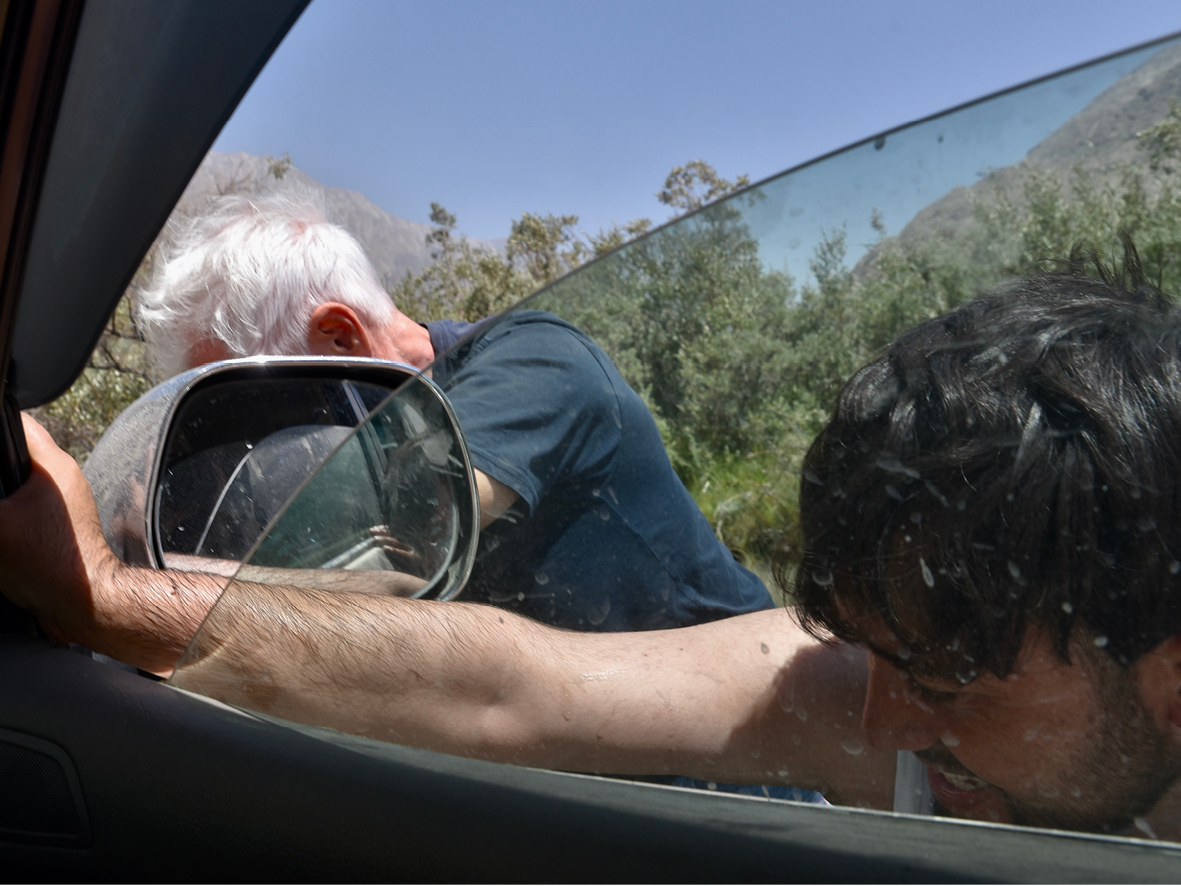
The biggest risk in Afghanistan is driving: the roads are mostly bad and the driving style of the Afghans is breakneck. Apart from that, we felt safe and treated correctly everywhere. This applies in particular to the numerous Taliban checkpoints and contact with the authorities. Hotels with Western standards are rare, even in Kabul, but generally affordable. The food is tasty, but offers little variety and culinary highlights should not be expected.
Internet:
There are three major providers whose networks vary in quality from region to region. Ideally, you should get three SIM cards (very time-consuming). However, reception is poor to non-existent in many places.
Health:
Healthcare is only guaranteed in the larger cities. There is only a risk of altitude sickness in the upper part of the Wakhan Corridor. Hygiene is generally worse than in the surrounding countries. You have to put up with digestive problems. Yoghurt is available everywhere and soothes a stressed stomach.
Language:
Afghanistan is a multi-ethnic country. The official state languages are Dari ("Afghan Persian") and Pashto. English is not widely spoken and the use of Google Translater is dependent on unreliable internet reception.
Travel providers:
You will still search in vain for offers from "mainstream" tour operators in German-speaking countries. This will only change when the travel warnings are adjusted accordingly. However, there are now a whole range of Afghan agencies that offer individual and group tours in Afghanistan on the internet or on social media. We have had very good experiences with Malik Darya([email protected]) from "Let's Travel to Afghanistan".
Text: Sylvia Furrer l Photos: Holger Hoffmann
Follow Sylvia and Holger at www.chaostours.ch and www.instagram.com/chaostours.ch