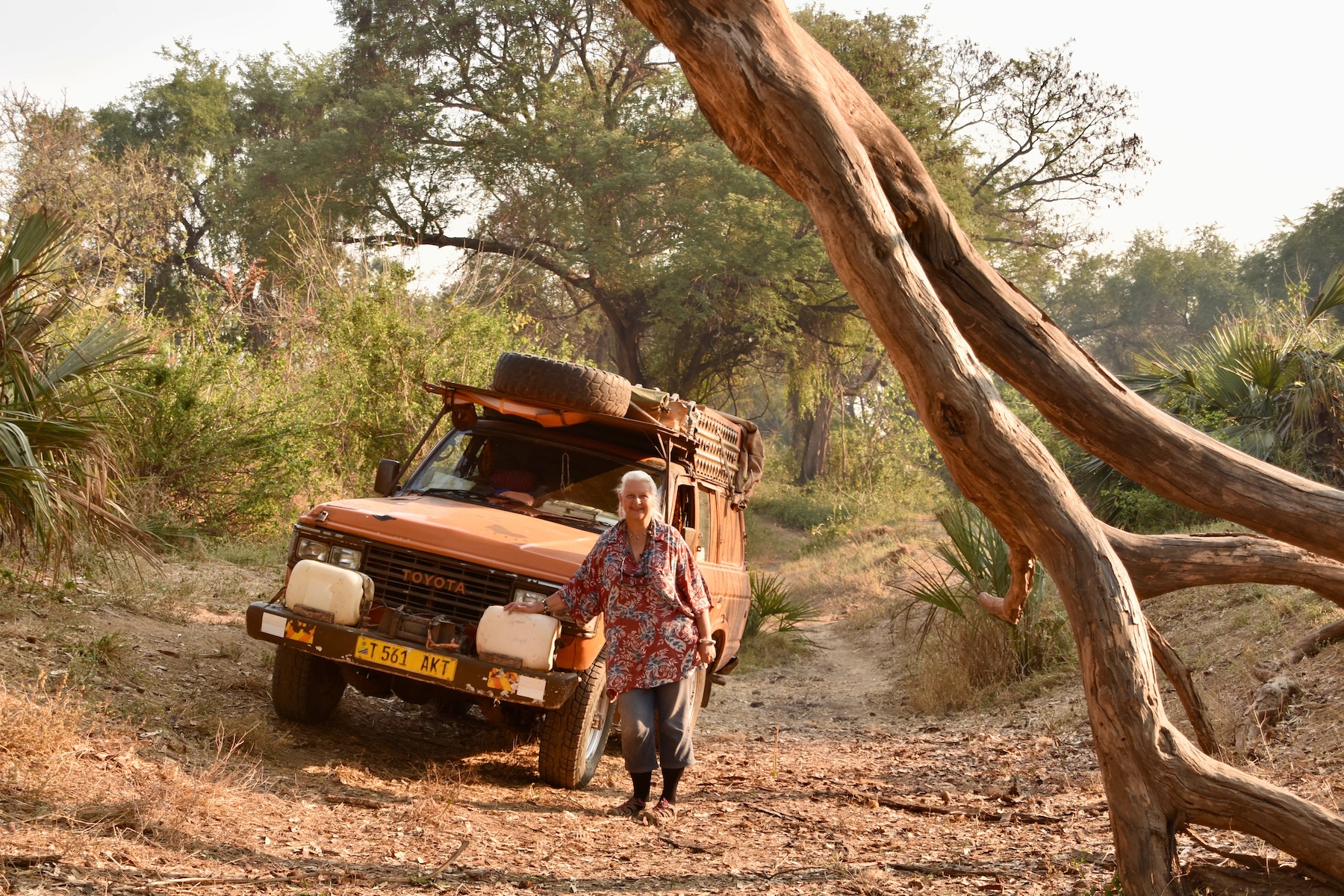
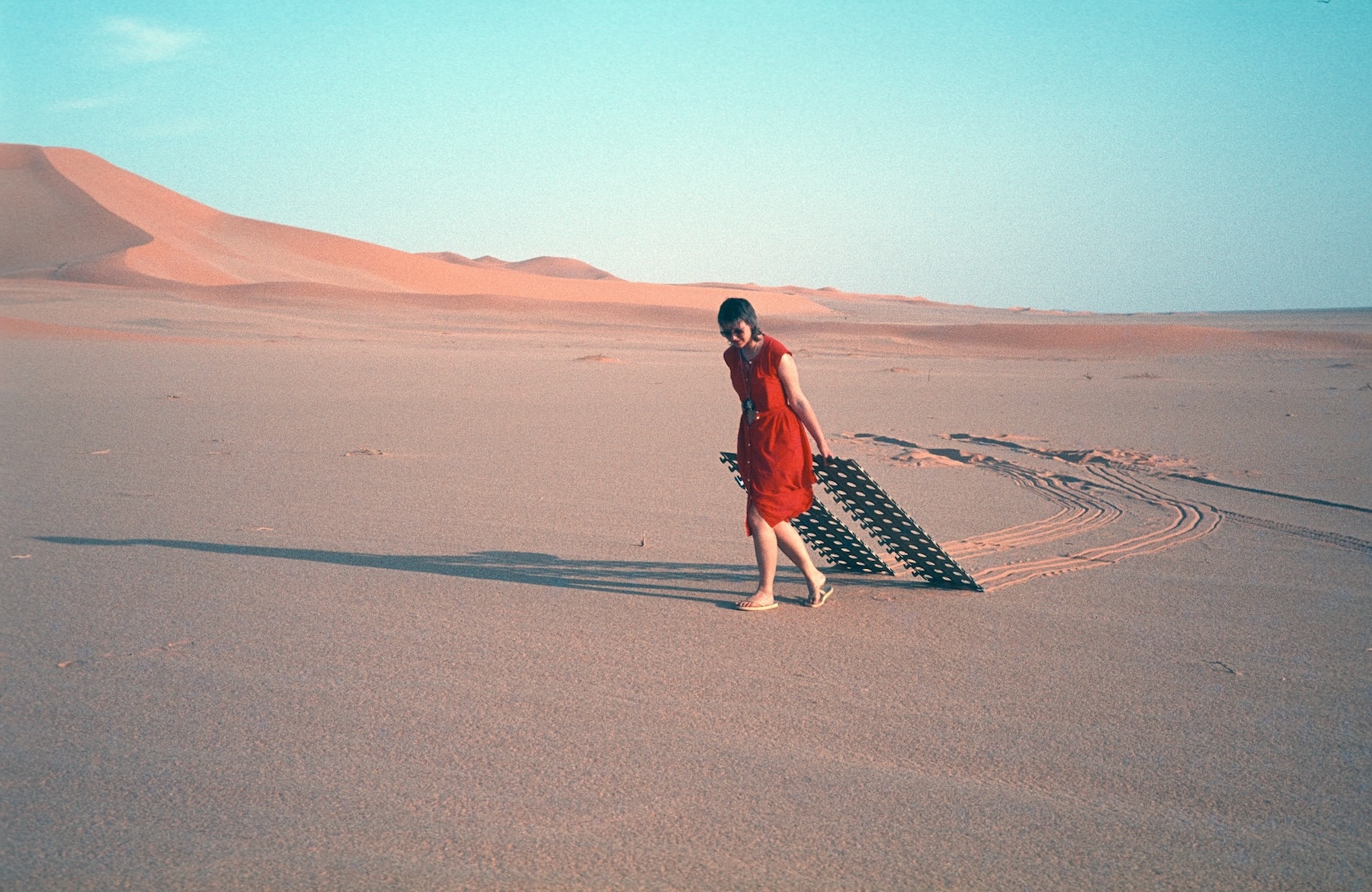
Lilli Mixich has been traveling through Africa for nearly 50 years—for many years now on her own and in a 1988 Toyota Land Cruiser HJ60, which has long since become more of a home than a vehicle for travel. In this OLLI interview, she talks about five decades of overlanding, nights spent among lions and elephants, breakdowns, robberies, financial uncertainty, and the freedom that, despite everything, remains priceless to her.
In OLLI Stories, OLLI Friends share their tales of travel, off-road adventures, and life on the road—and show just how many different ways “One Life. Live It.” can look.
From Bad Reichenhall to the Sahara: Almost 50 Years on the Road
Who are you? How long have you been on the road? What have you experienced so far? Where are you right now, or where do you live? And what’s next?
Lilli Mixich, born in 1957 in beautiful Bad Reichenhall, Bavaria.
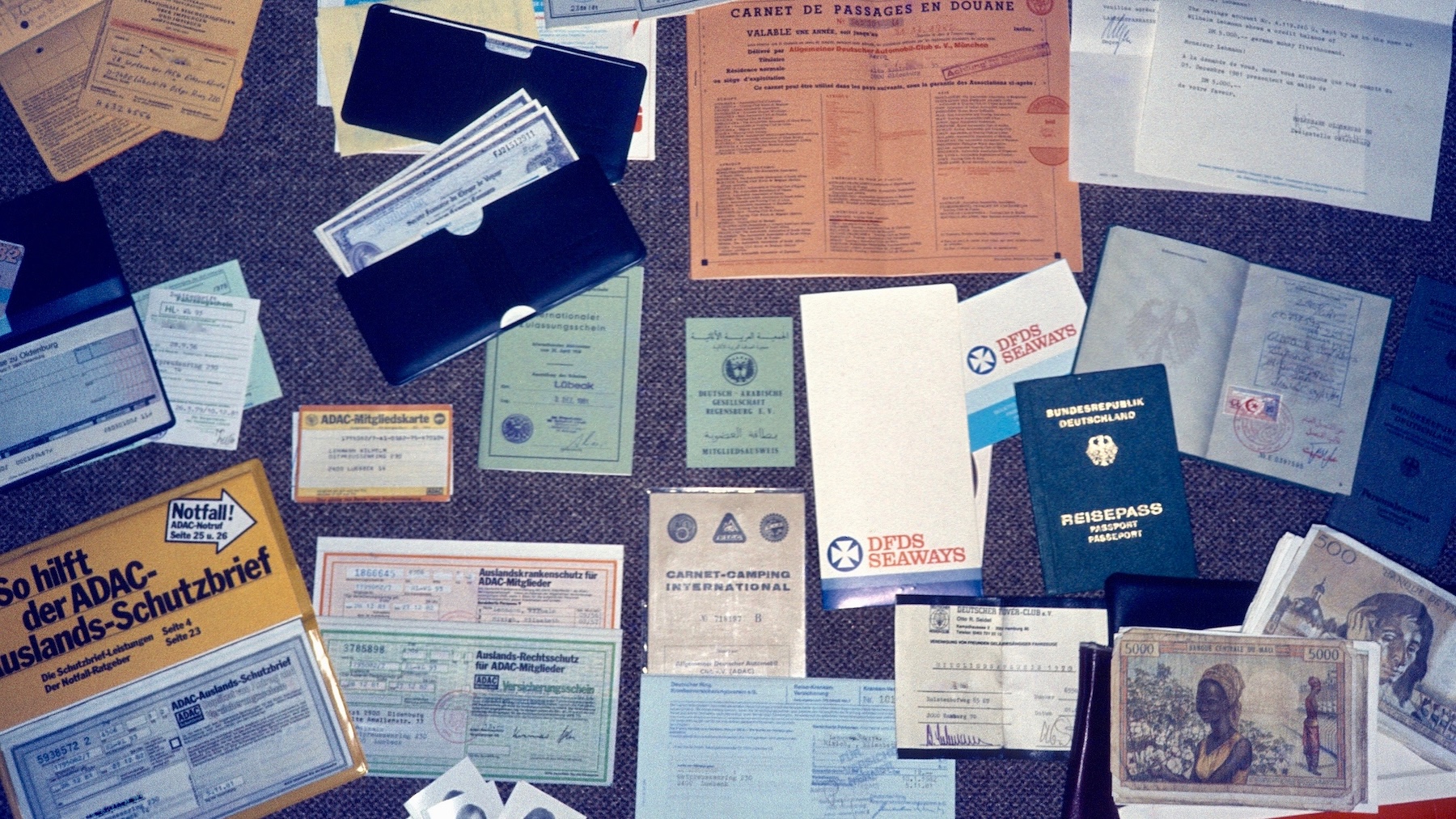
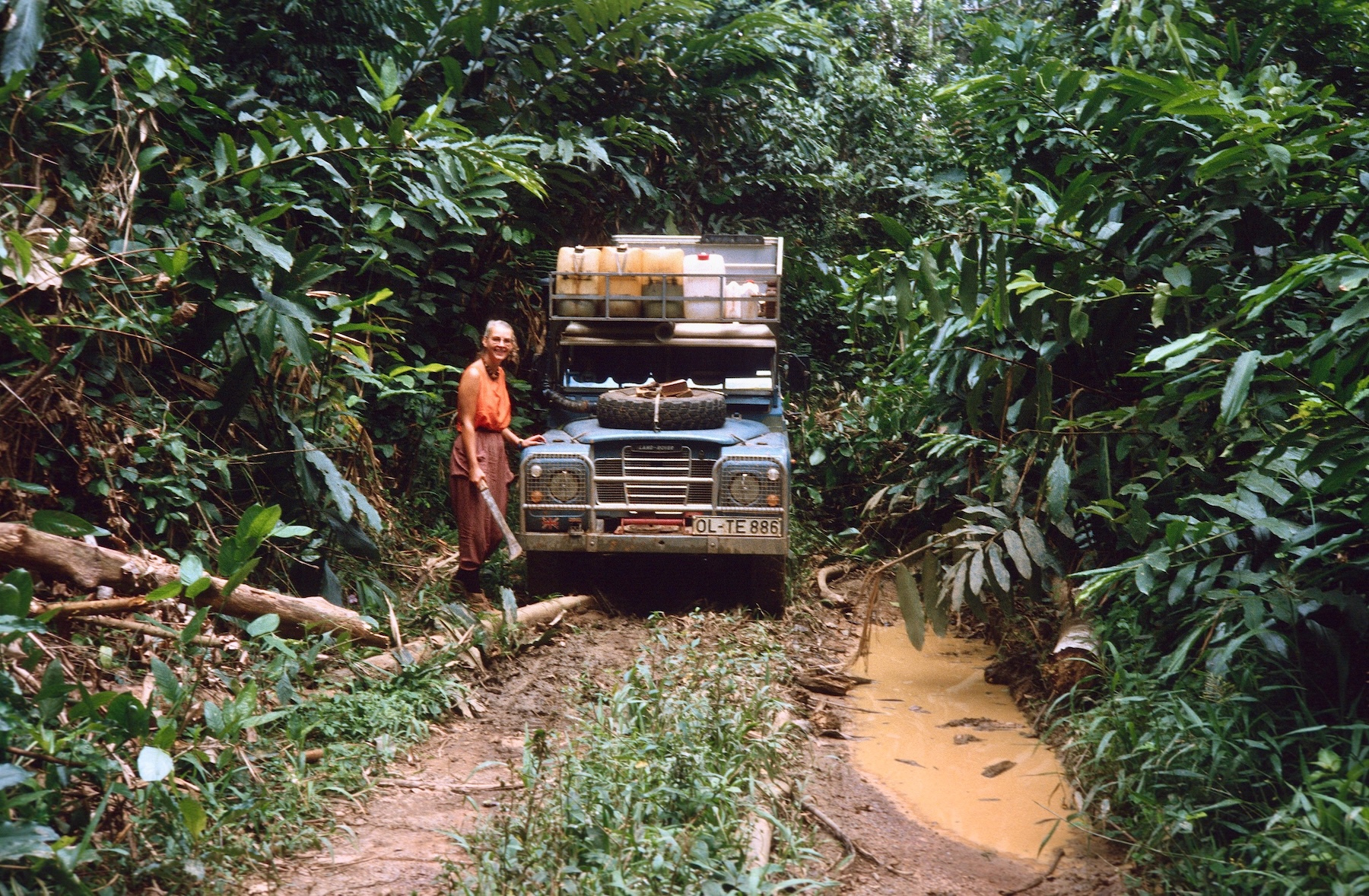
I’ve actually been traveling my whole life. As a child, I often visited my father’s relatives in Romania, and later went on camping trips to Italy, France, and Spain with my first partner. In 1978, I made my first trip to the African continent, to Morocco. Then, in 1979, I went back to Morocco, this time in a Land Rover 109, Series 3. From then on, in the ’80s, I took trips lasting several weeks to the Sahara and West Africa, as well as backpacking in Indonesia and Malaysia.
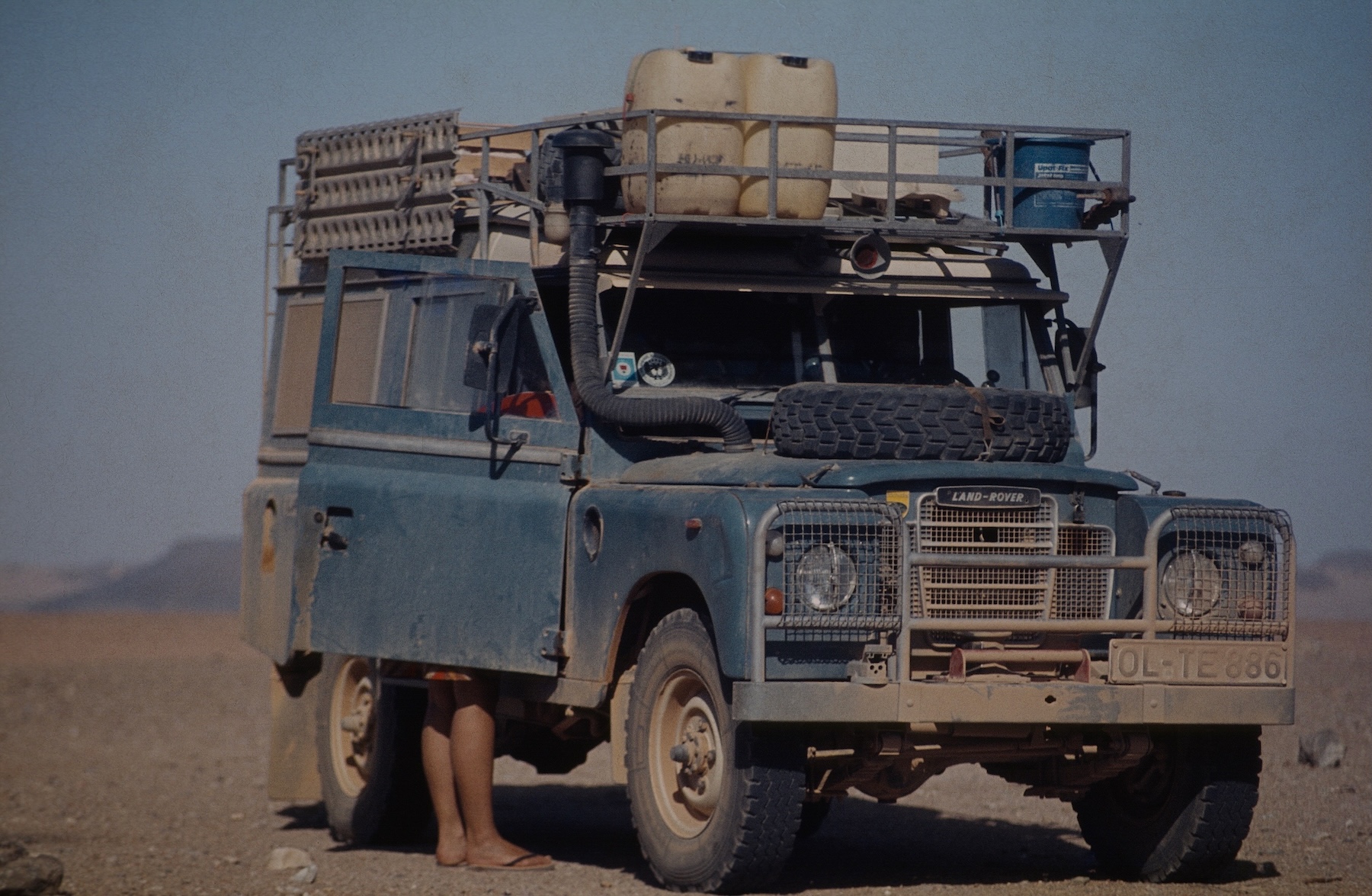
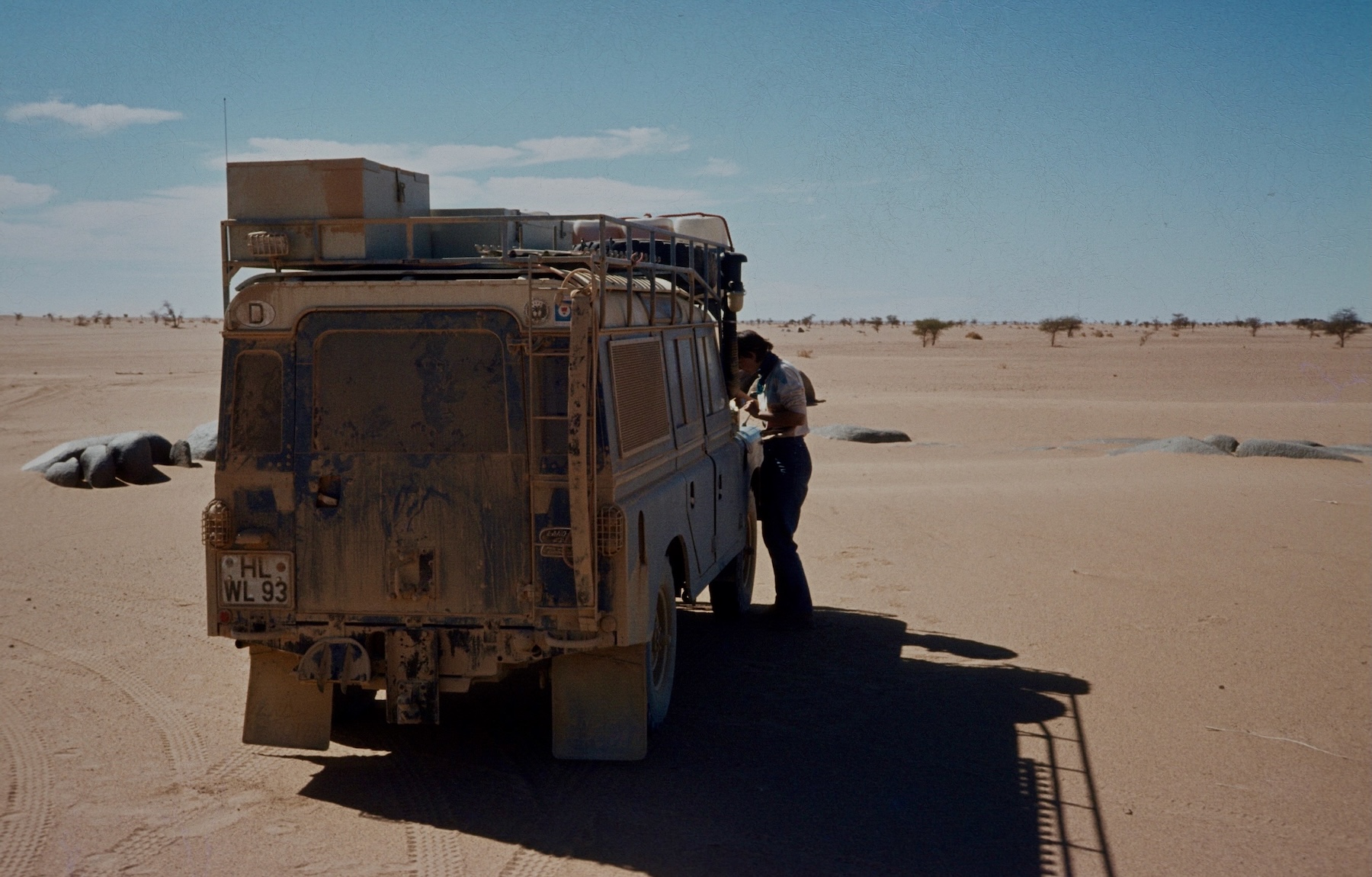
From 1987 to 1990, I spent three years traveling from north to south along the Central African route and back to Europe via the Eastern route. After that, I lived in Johannesburg, South Africa, for three years.
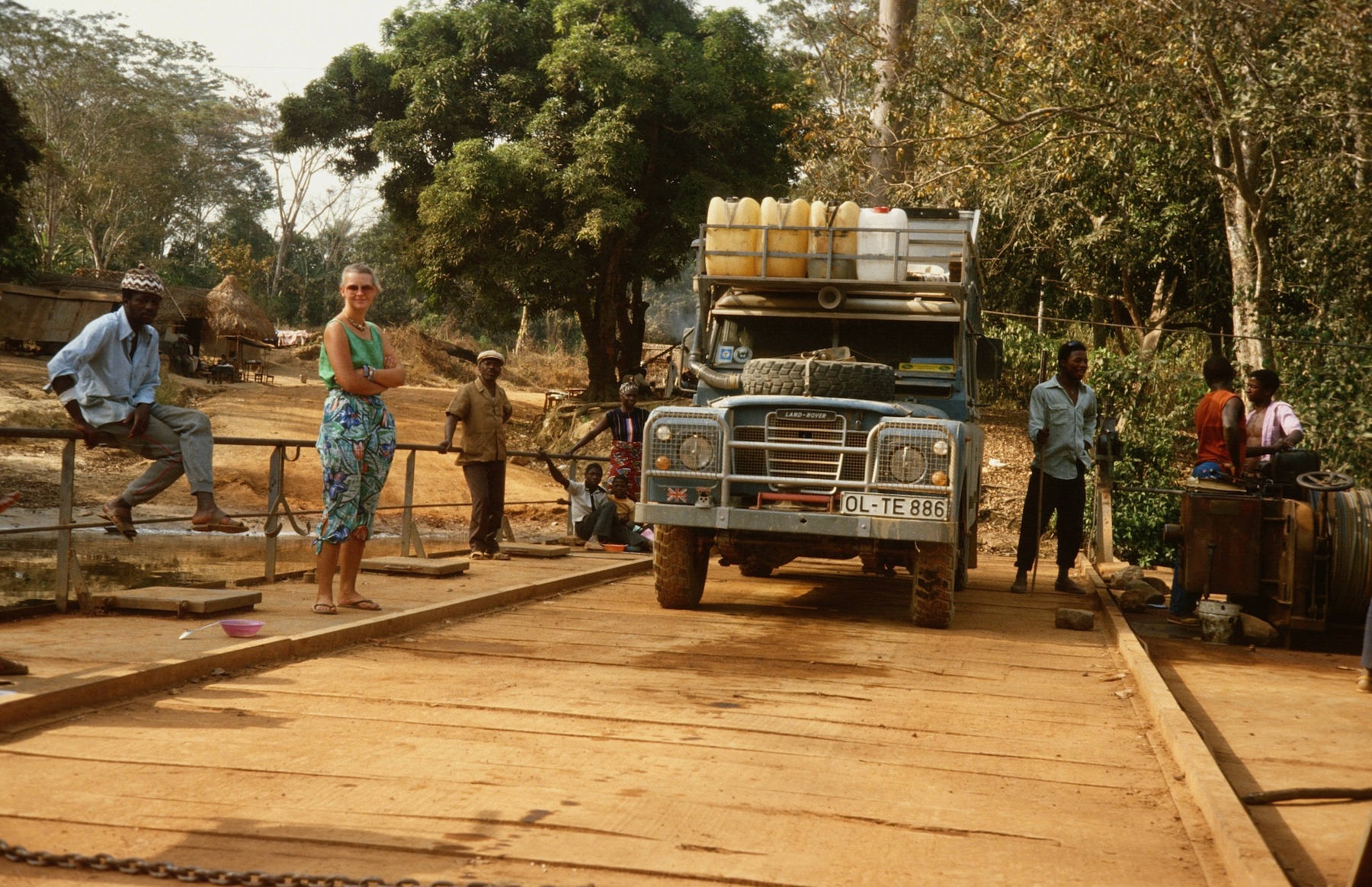
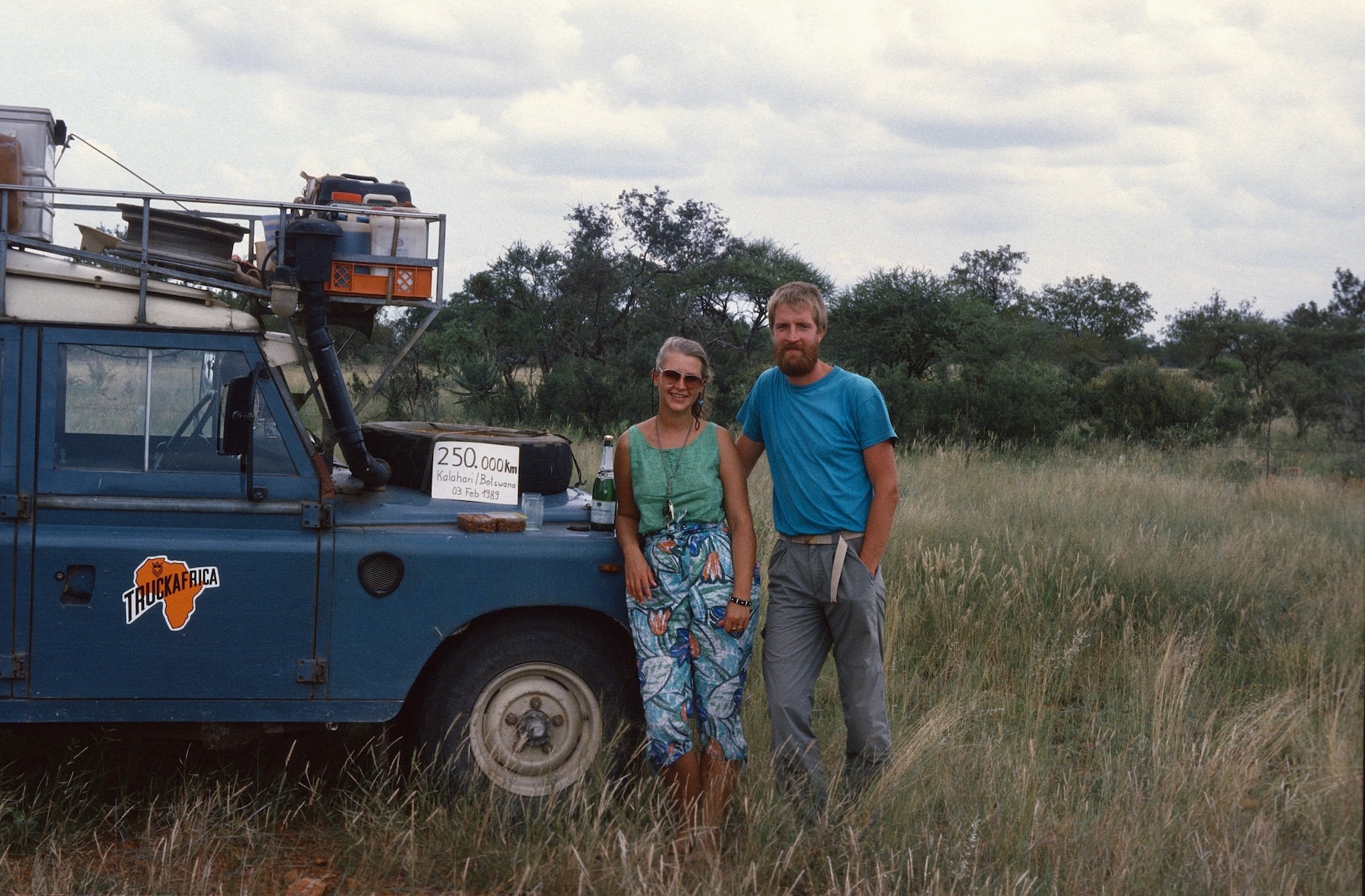
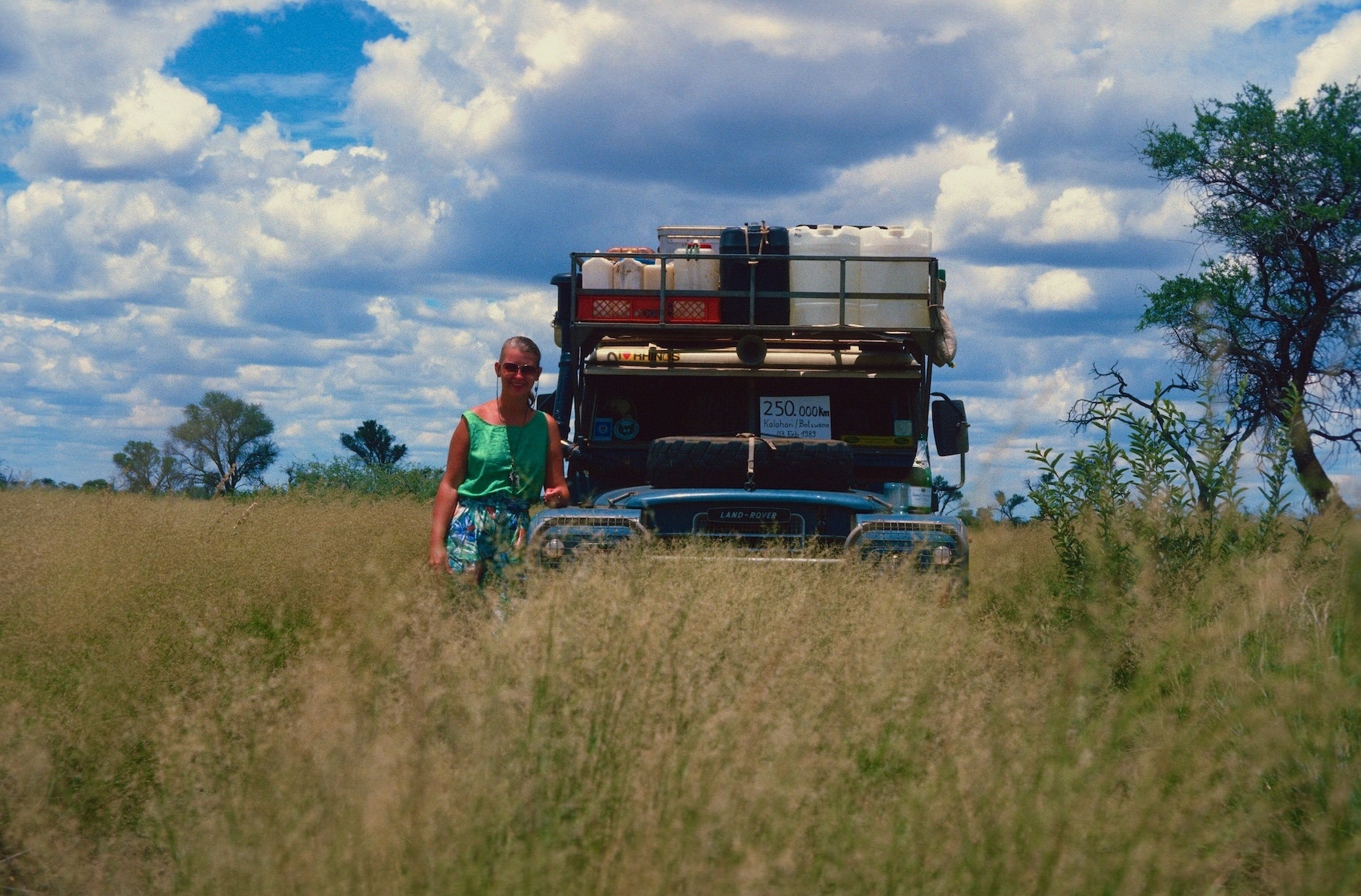
1993–2001: Together with my partner, I built expedition vehicles in the Bonn-Siegburg area; during this time, I again undertook trips lasting several weeks across the Sahara to Tunisia and Libya.
From 2002 to 2004, I crossed Africa again, this time from north to west and from there to the east, with a stopover in Tanzania on the way to Zambia—15 months on the road.
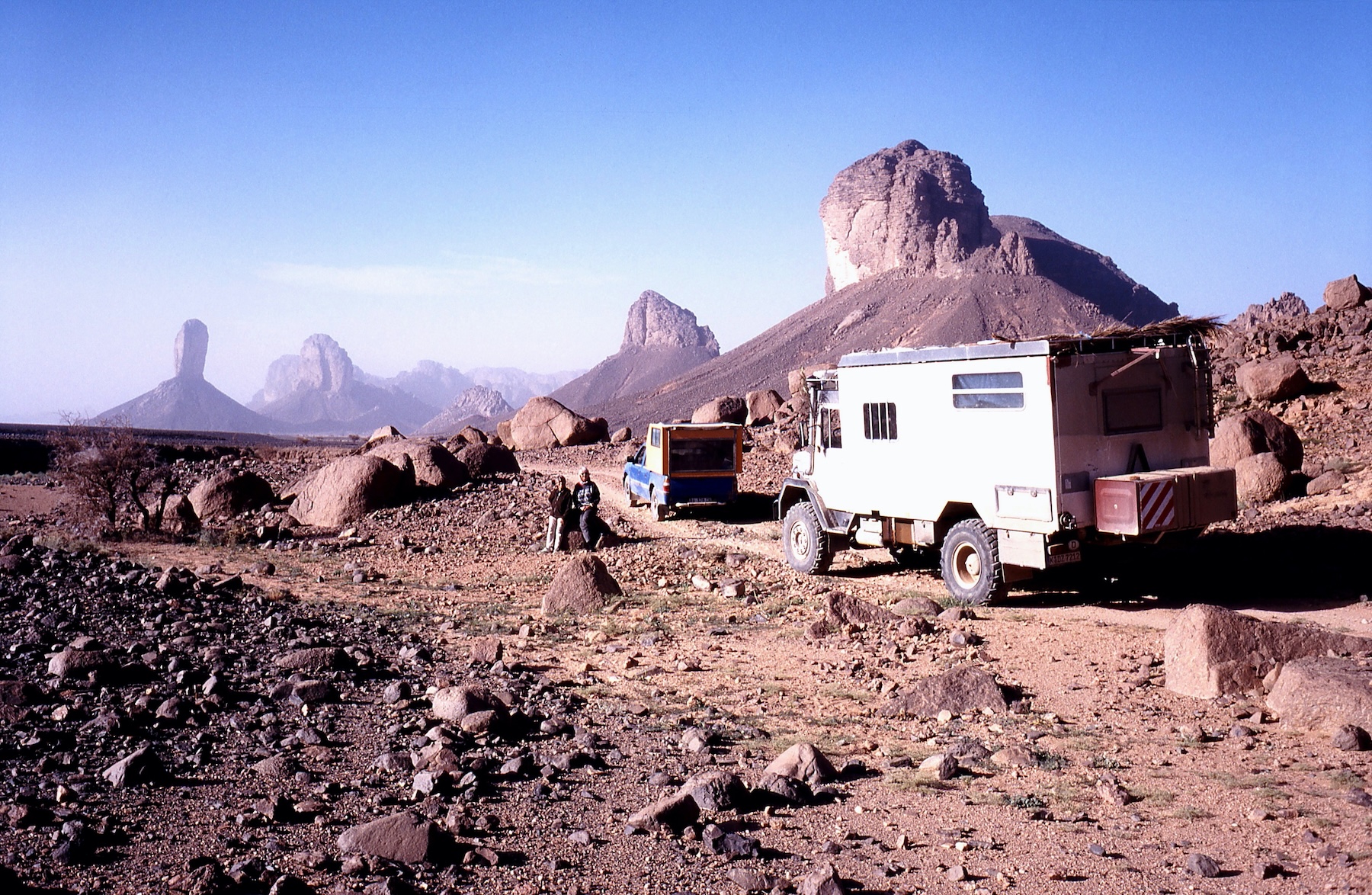
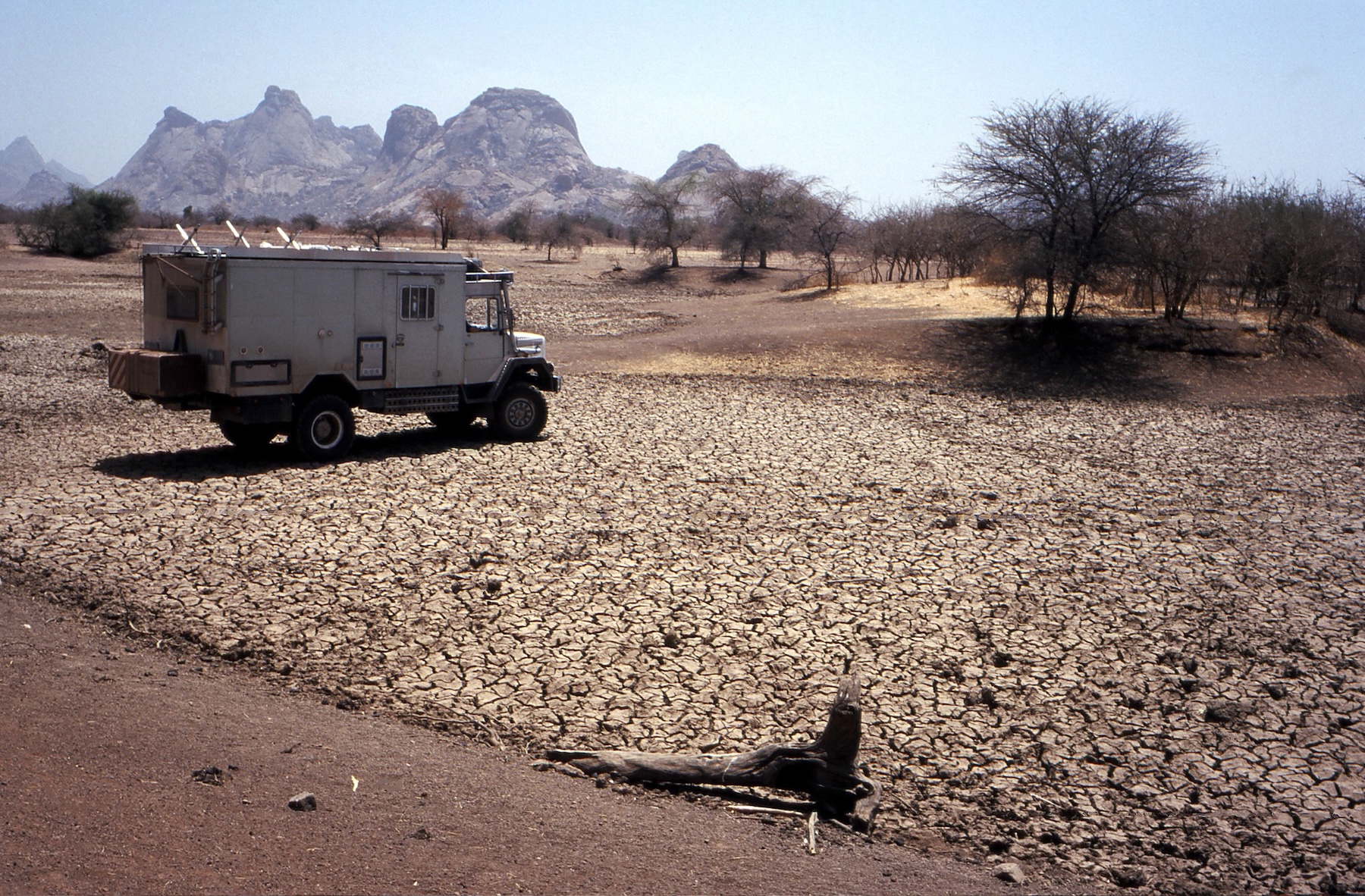
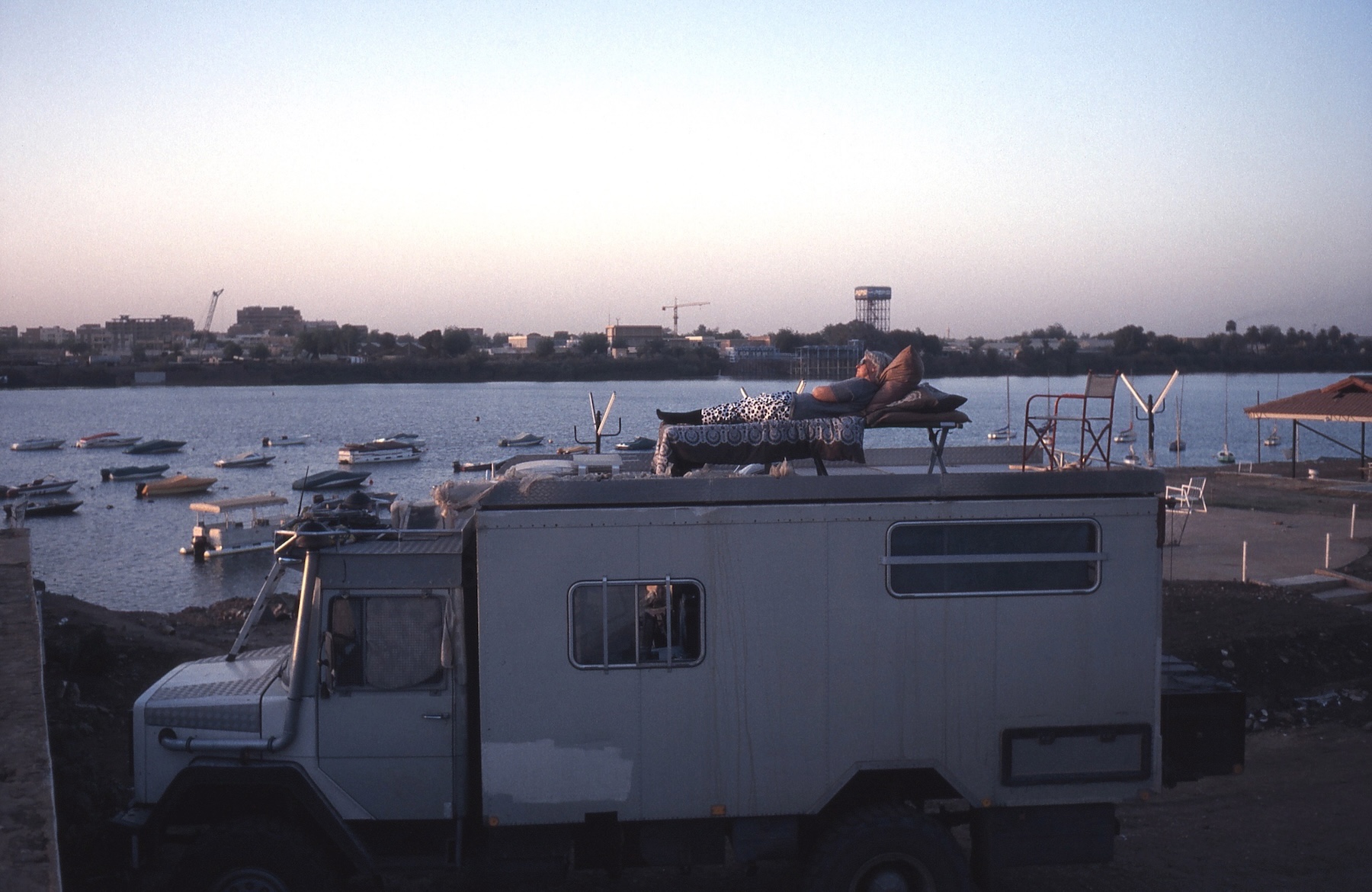
2003 – I bought my current Land Cruiser HJ 60 in Tanzania; at the time, it was still white and just a regular station wagon.
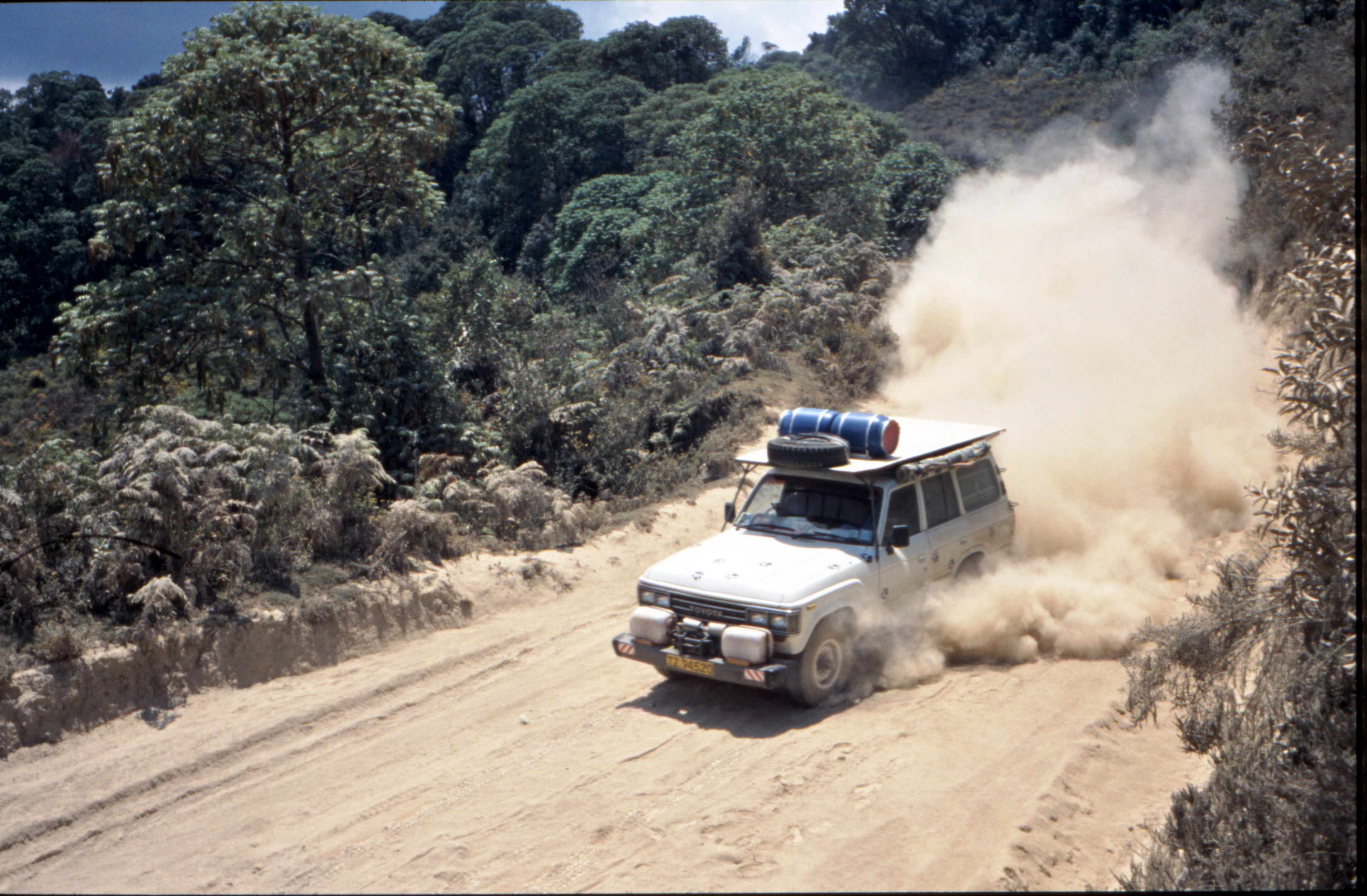
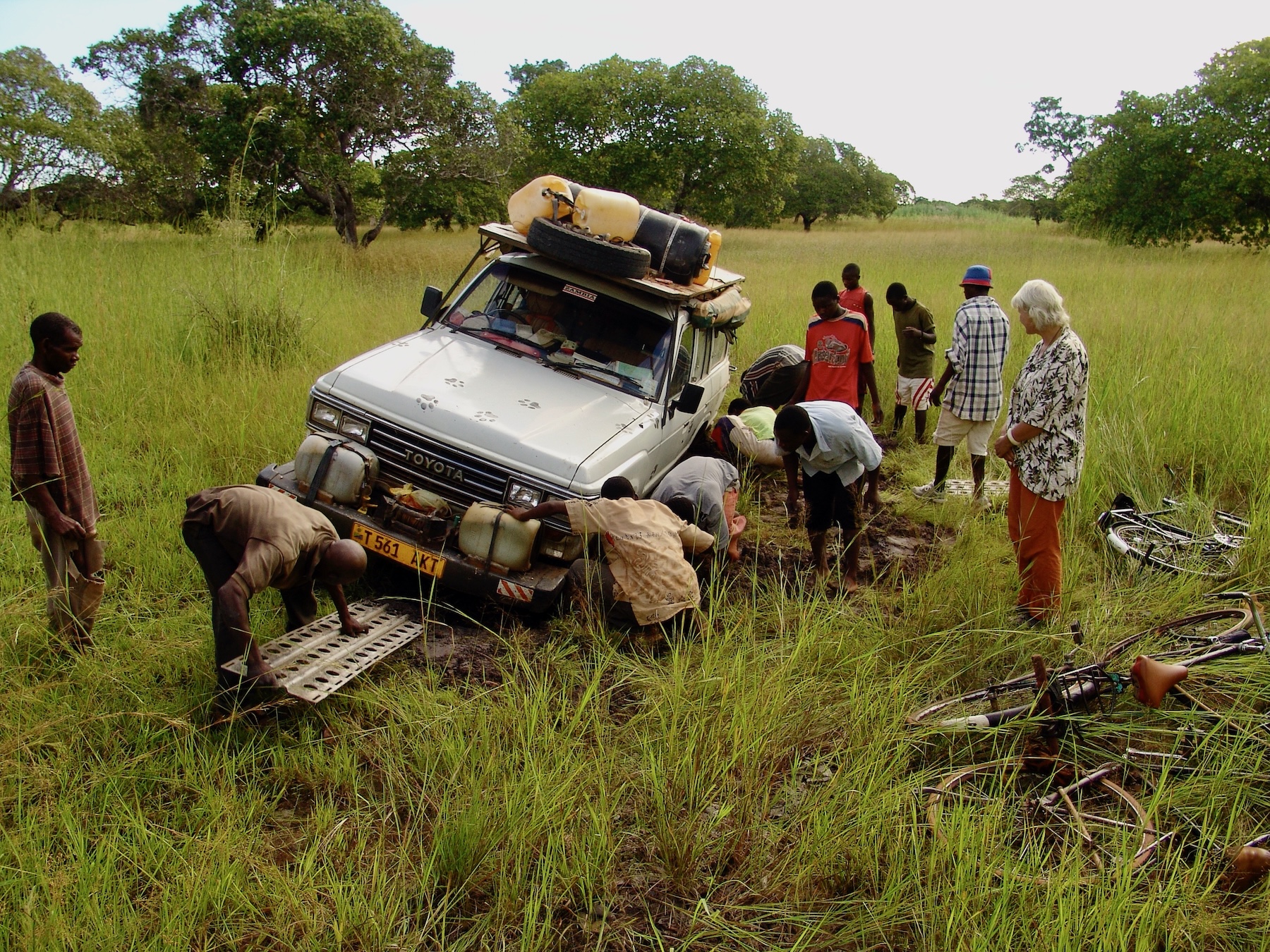
In between, 2004–2005: 1 year in Australia. 2005–2007: another 32 months touring Africa—Eastern and Southern Africa. Then, 2007–2008: another 1 year in Australia. 2009–2012: Still not done with Africa—30 months. 2016–2020: Finally, my first solo trip with my current Land Cruiser—3.5 years traveling through southern and eastern Africa.
And now, since September 2021, back in eastern and southern Africa—hopefully until February 2027.
In 2027, I’ll turn 70; after that, I’ll have to see how I can manage financially. I’ll only be getting a tiny pension, and travel health insurance will become very expensive. But in any case, it’ll be Africa again—my trusty 1988 Toyota is waiting for me there.
“That’s the kind of freedom I want”
What sentence, thought, or moment changed your life? Maybe it was something you said yourself. Maybe someone else said it. Or maybe it was just a thought. What was the catalyst that brought you here today?
In 1976, my first partner took me on a trip to Venice. Until then, I’d never been to the Mediterranean. I was lying in the dunes on the lagoon off Venice, gazing up at the blue sky, listening to the lapping of the waves, and thinking: This is the freedom I long for. And that sense of vastness and freedom has never left me.
Then in 1982, at the border between Algeria and Mali, the Malian border guard greeted me with a broad grin and the promise to give me beautiful children after I’d mentioned that I was still childless with my travel companion at the time. That sense of humor—and the contrast with the more northern Arab world—opened up the horizons of West Africa to me, and I knew I wanted to go further, beyond the next hill to the next horizon.
How did family and friends react? Mostly: “Awesome!” or: “You’re completely crazy.” 😄
My father always traveled with us by tracing his finger across the map; back then, communication was still done by letter and the occasional very brief phone call. When I came back from a trip, he’d show me my letters along with his notes and questions about them.
My mother never understood my travels—even until her death—but she accepted them.
Her favorite sayings were:
- “You must be a millionaire to be able to afford such long trips.”
- “You must just be sleeping in the car all the time because you can’t afford a decent hotel.”
What was the hardest part about actually setting off? Not daydreaming. But actually turning the key.
Setting a firm departure date or actually buying that one-way plane ticket—and knowing that by then, you have to be done with all the preparations.
The Toyota Land Cruiser HJ60: “It’s my divorce settlement”
What do you drive—and why that particular car? Is there a story behind it?
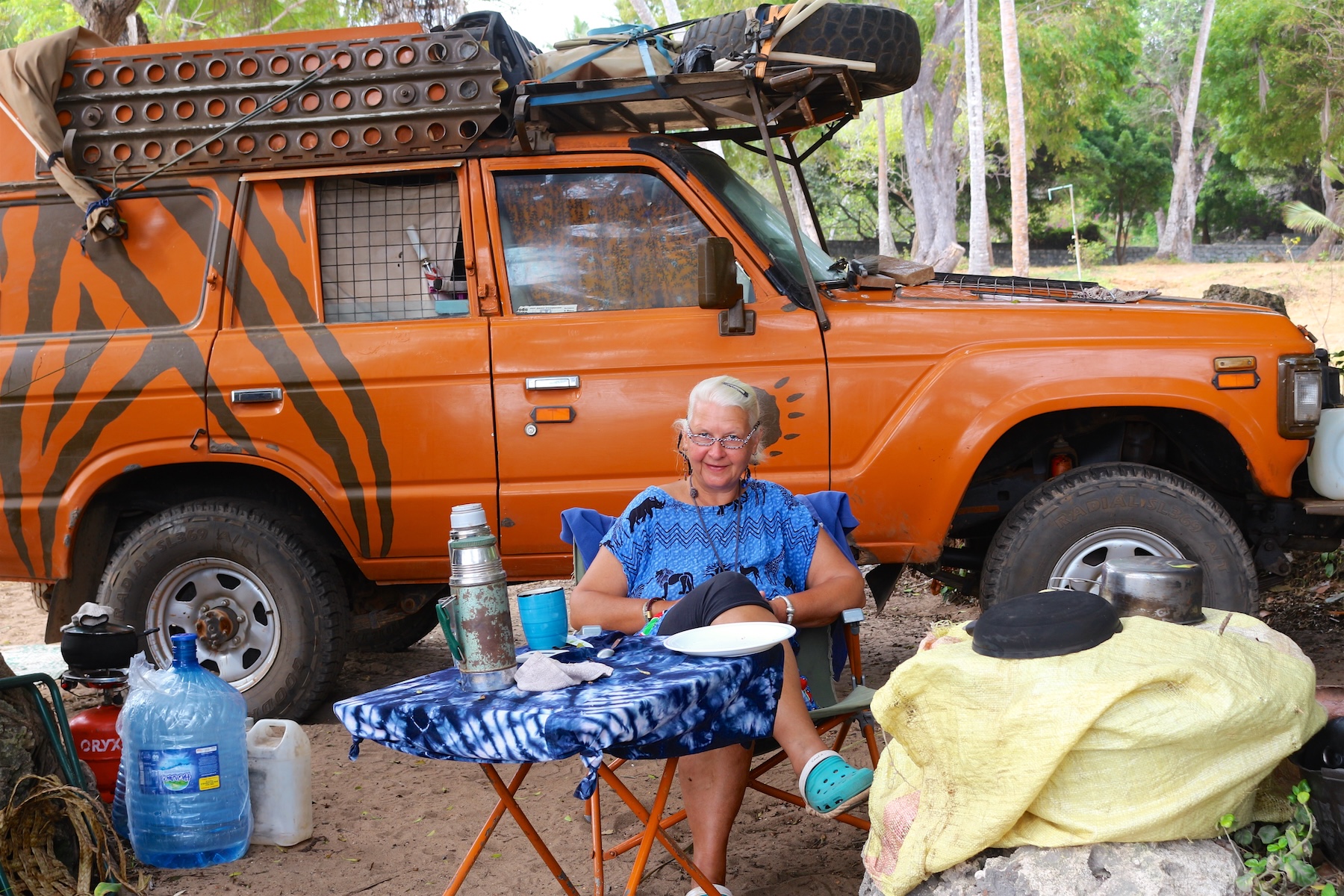
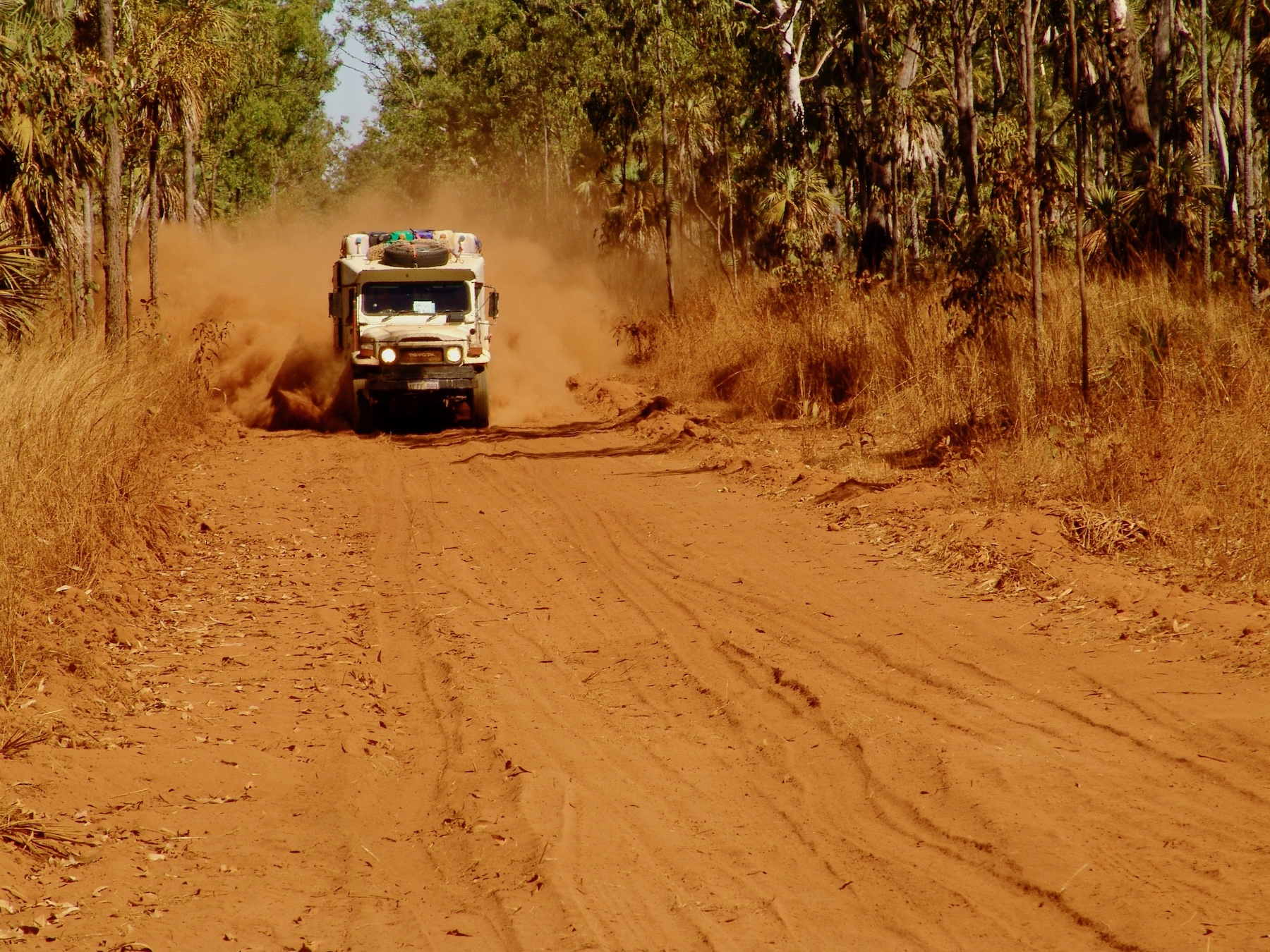
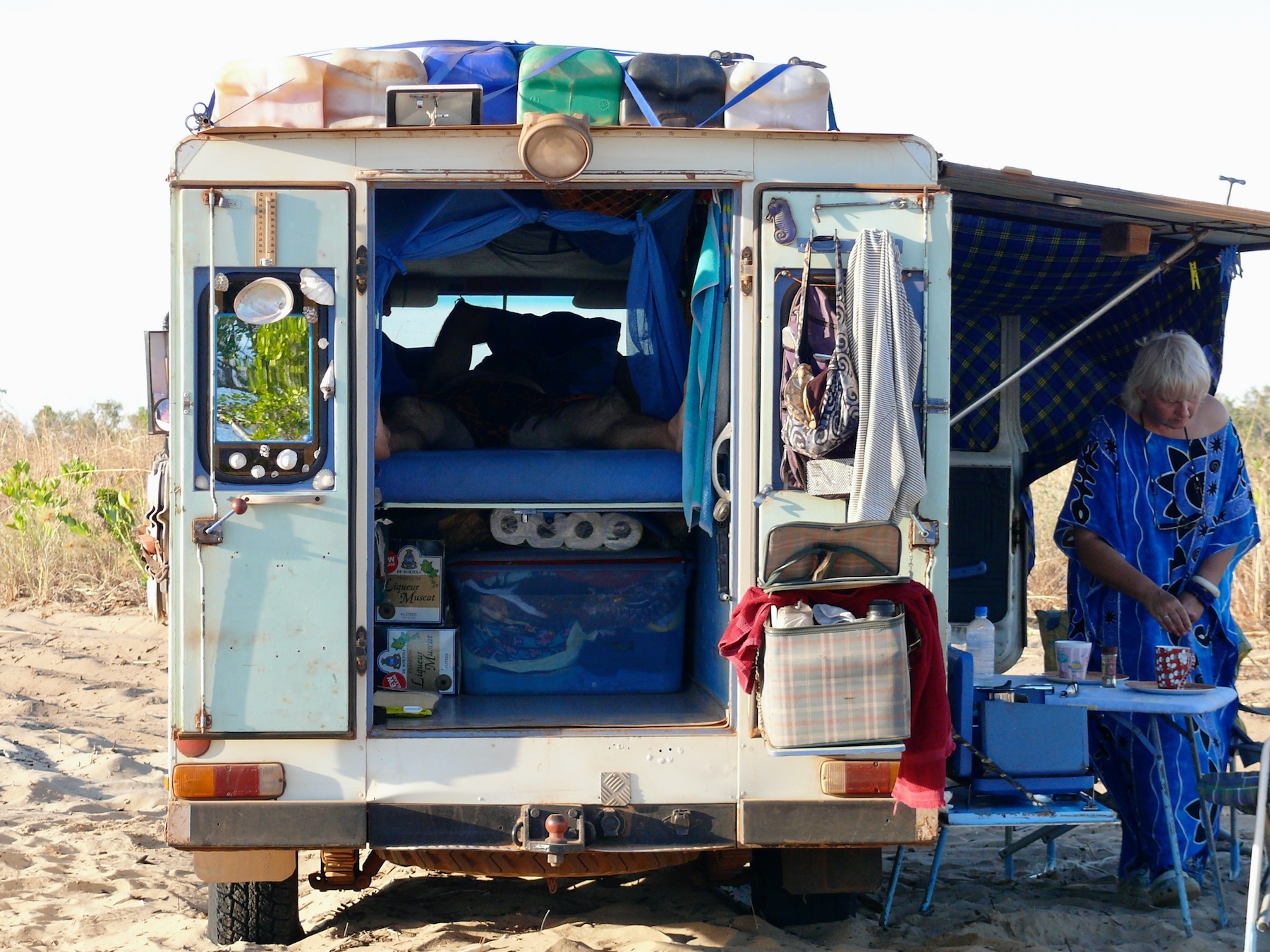
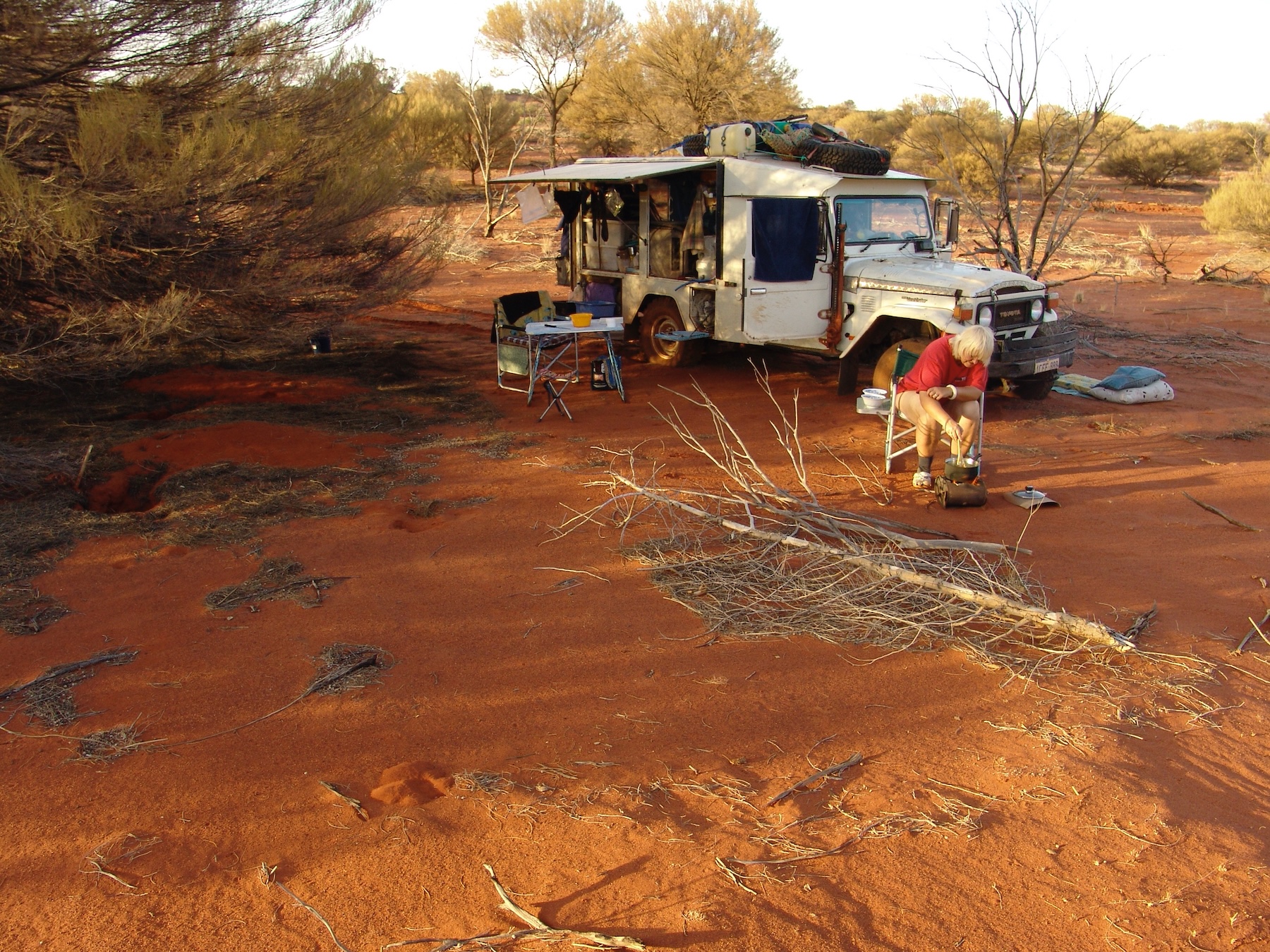
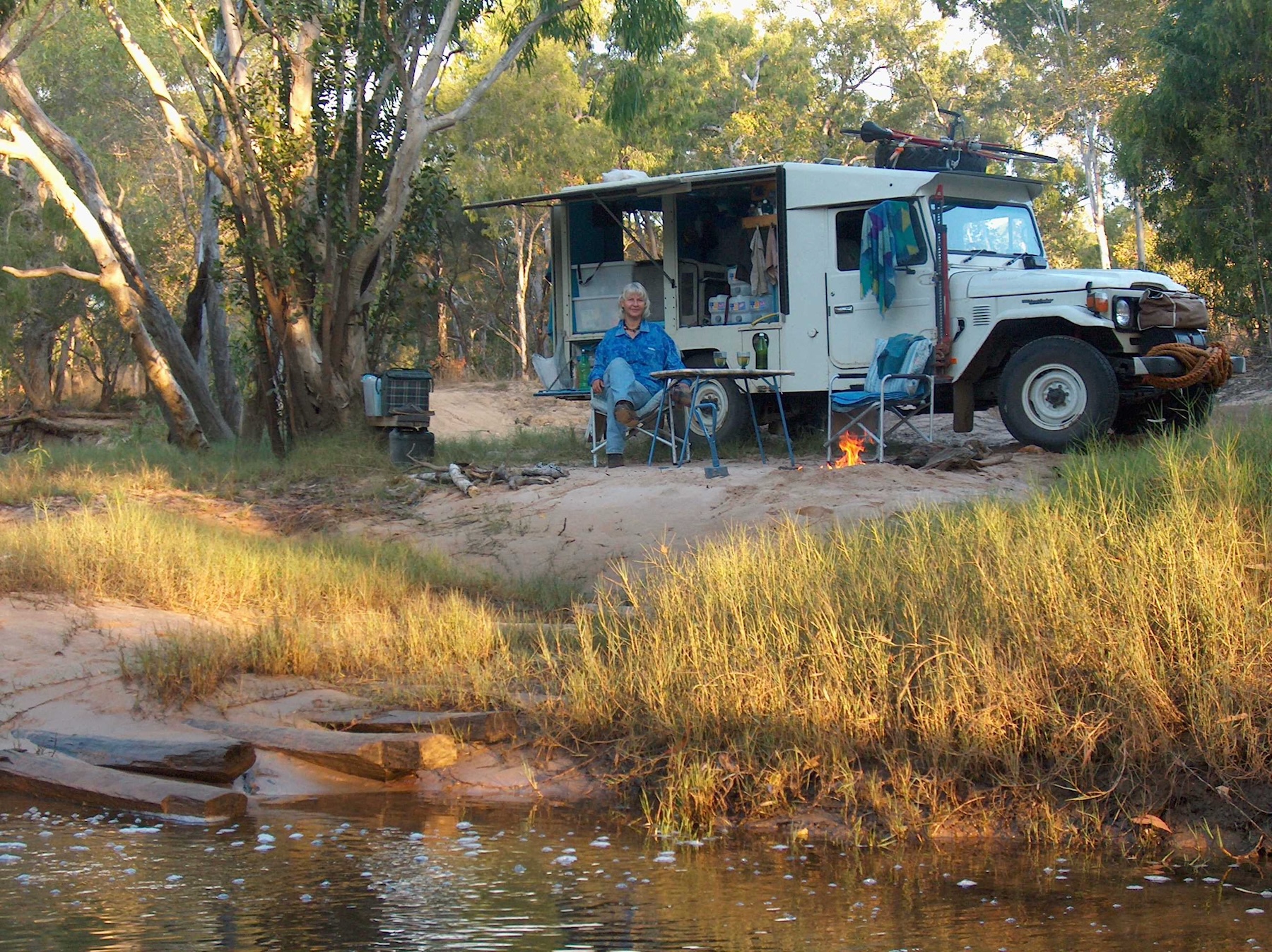
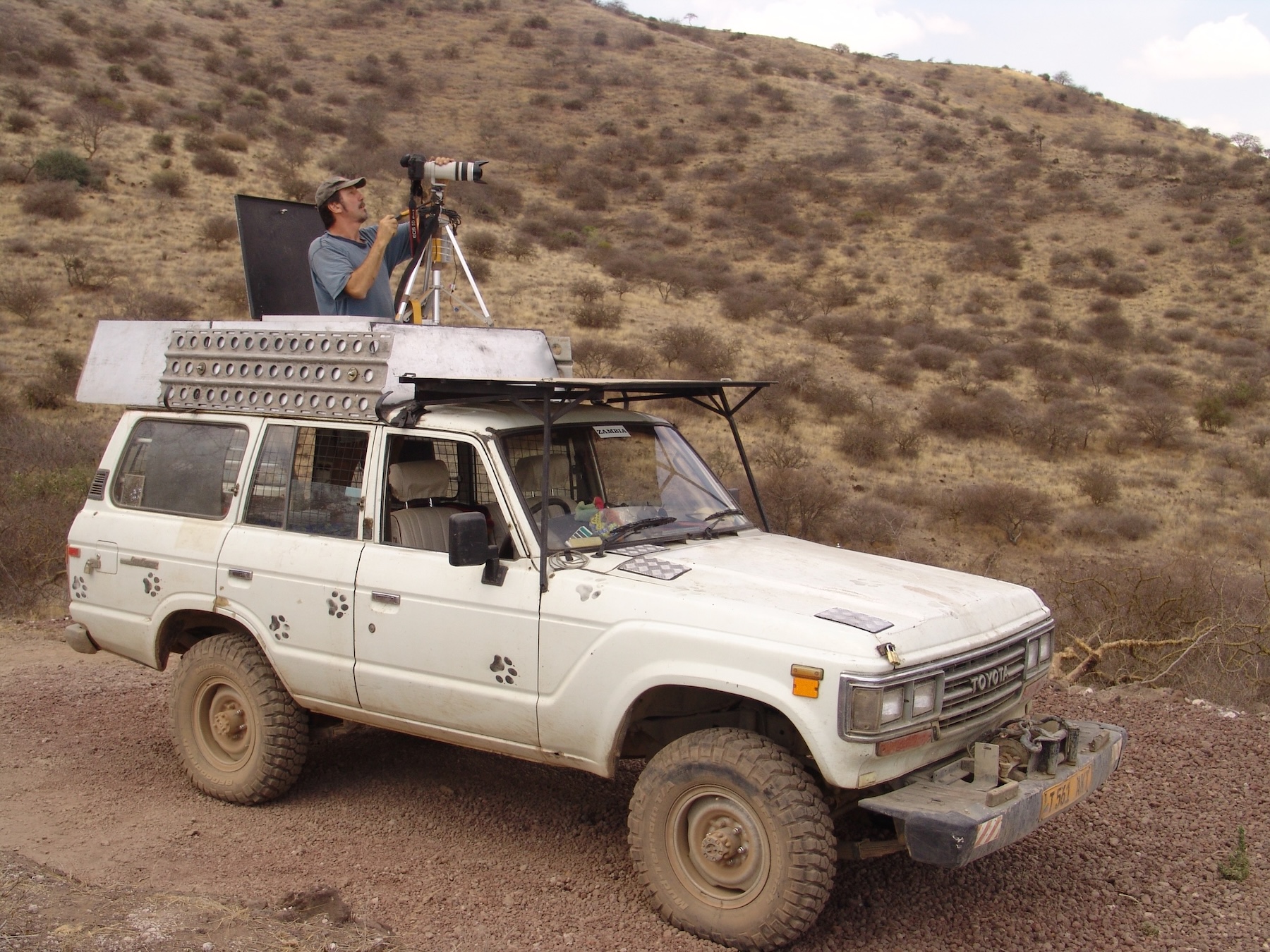
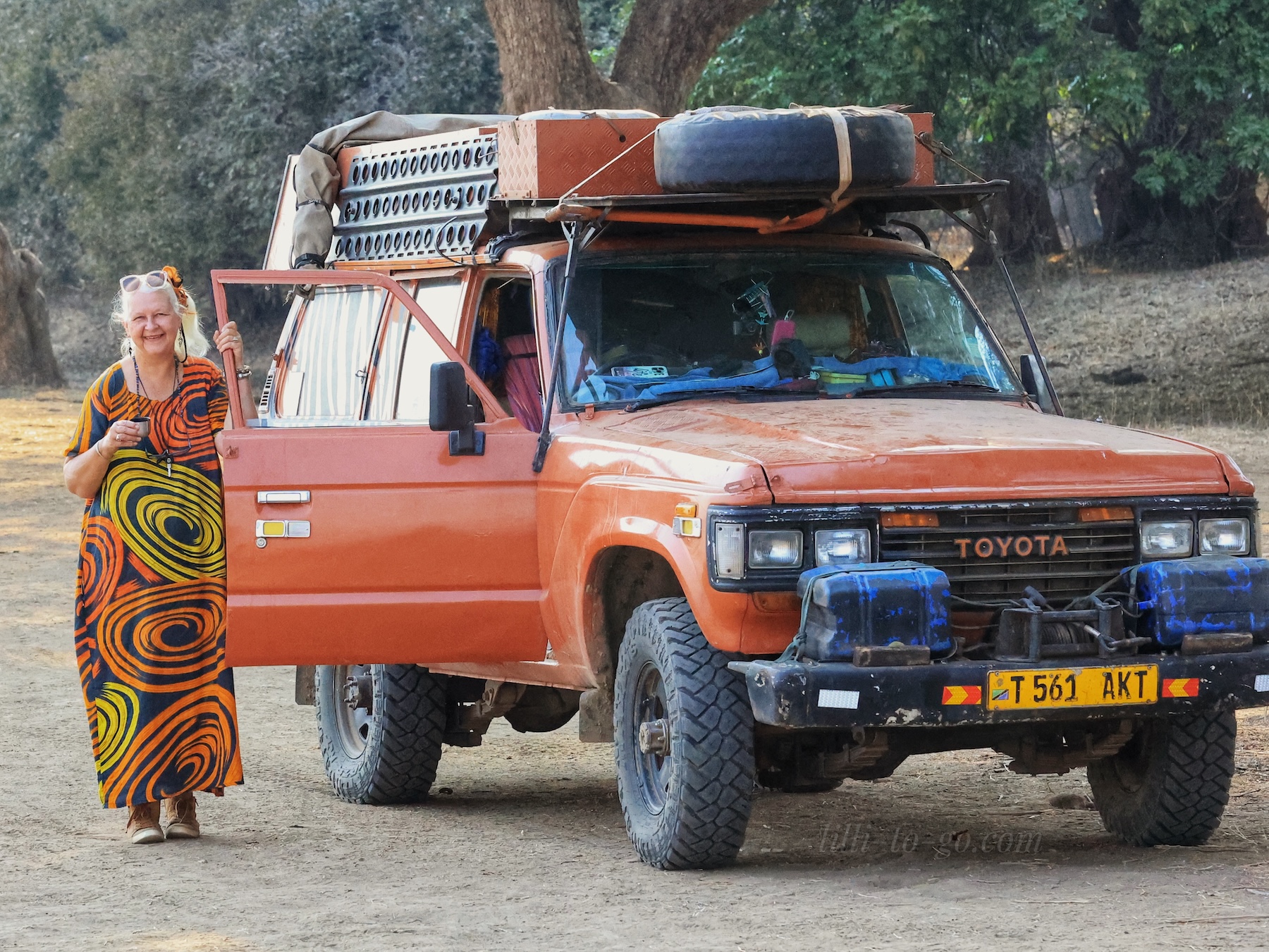
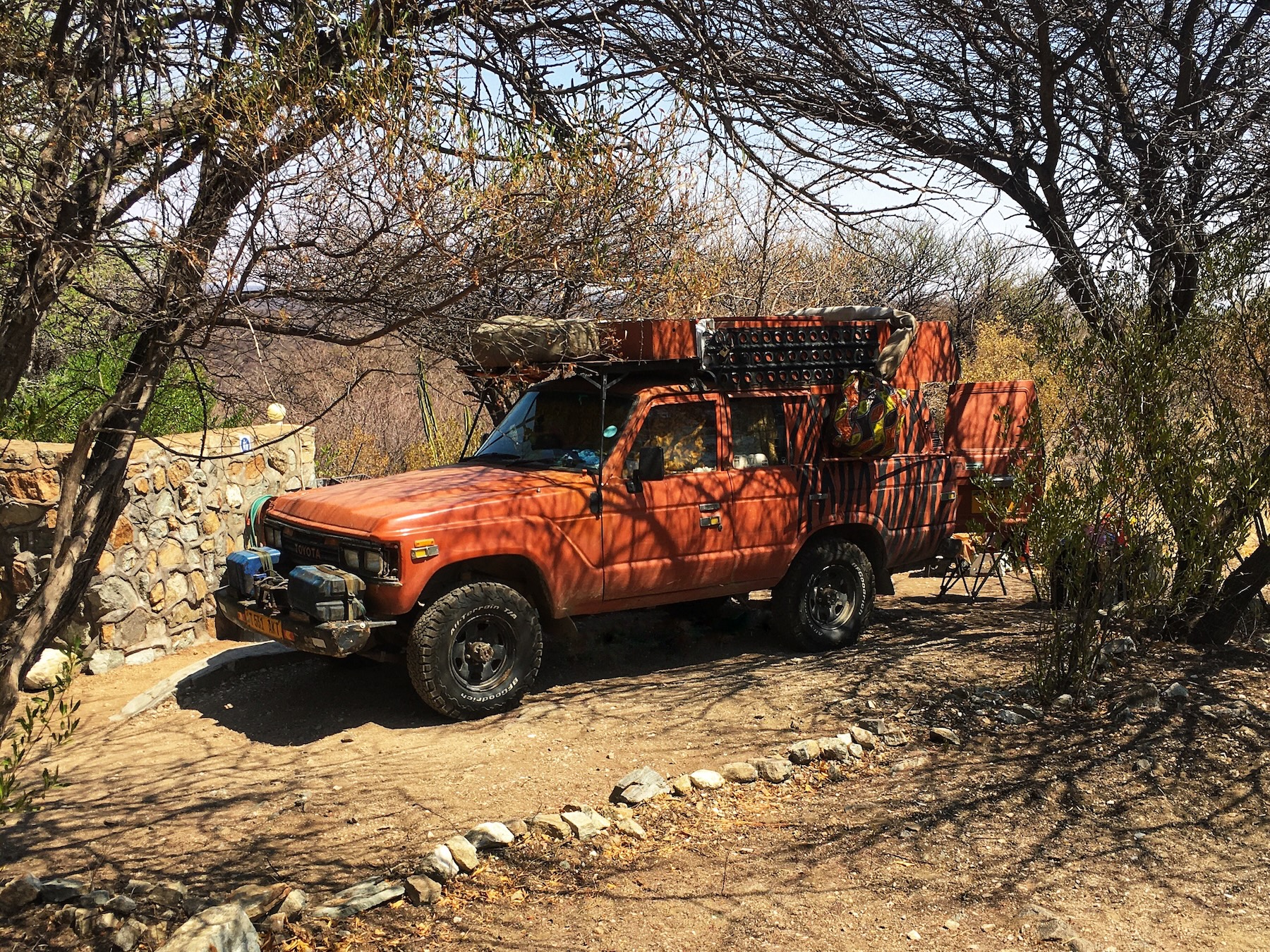
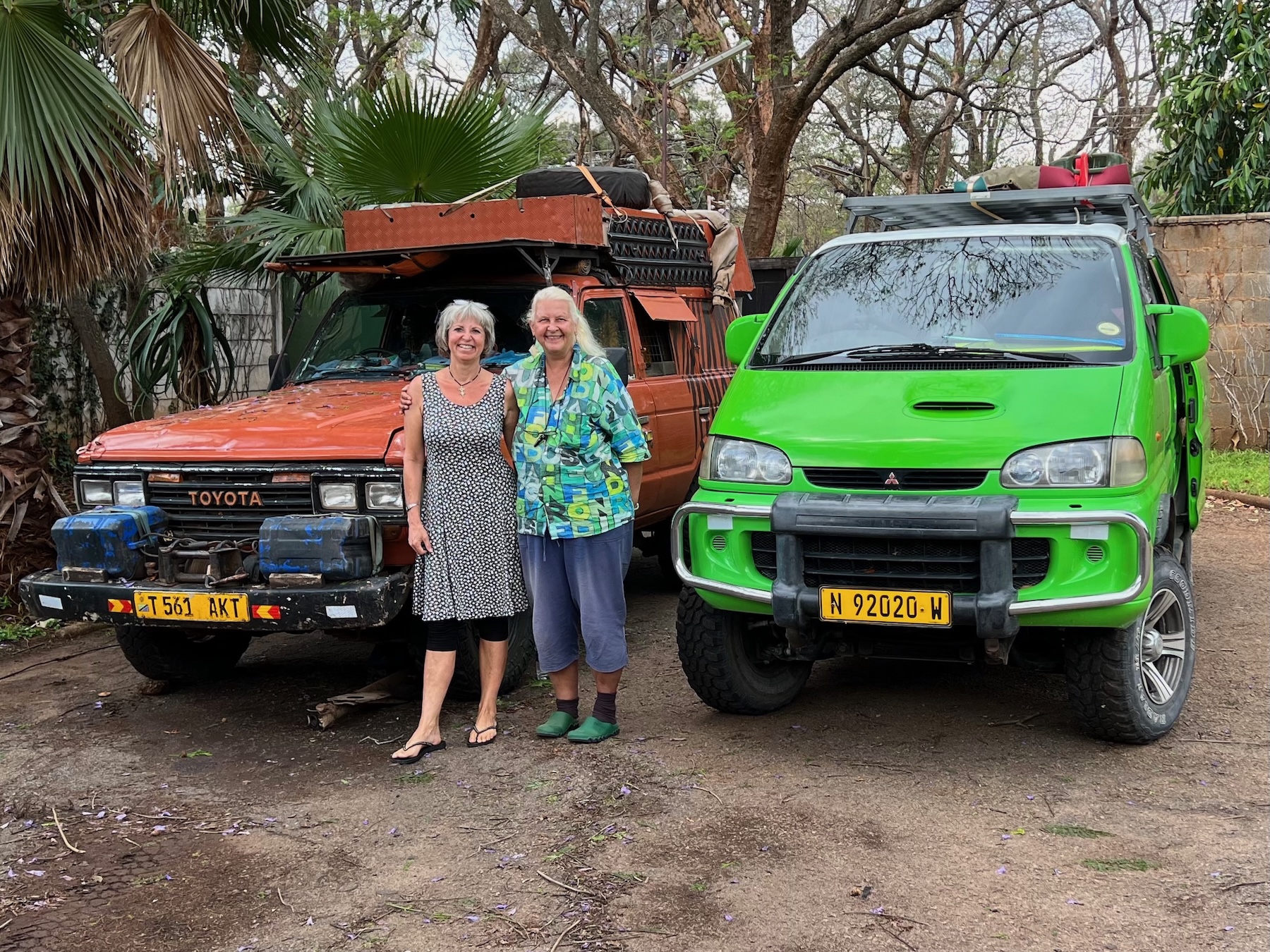
Right now, I’m driving a 1988 Toyota Land Cruiser that’s been rudimentarily modified with a raised roof. It’s my divorce settlement—the only asset I was left with after my separation from my second travel partner and husband. We had three vehicles on three continents: one large expedition truck in Europe, a Toyota Land Cruiser HJ47 (converted into a bush ambulance) in Australia, and this Toyota HJ60, which I drive now and which we bought together in 2003 for “just” half a year of traveling in Tanzania—and in which, 23 years later, I’m still sitting and driving—and which has become my sole home.
Were there any situations along the way that probably would never have happened without your car—for better or for worse?
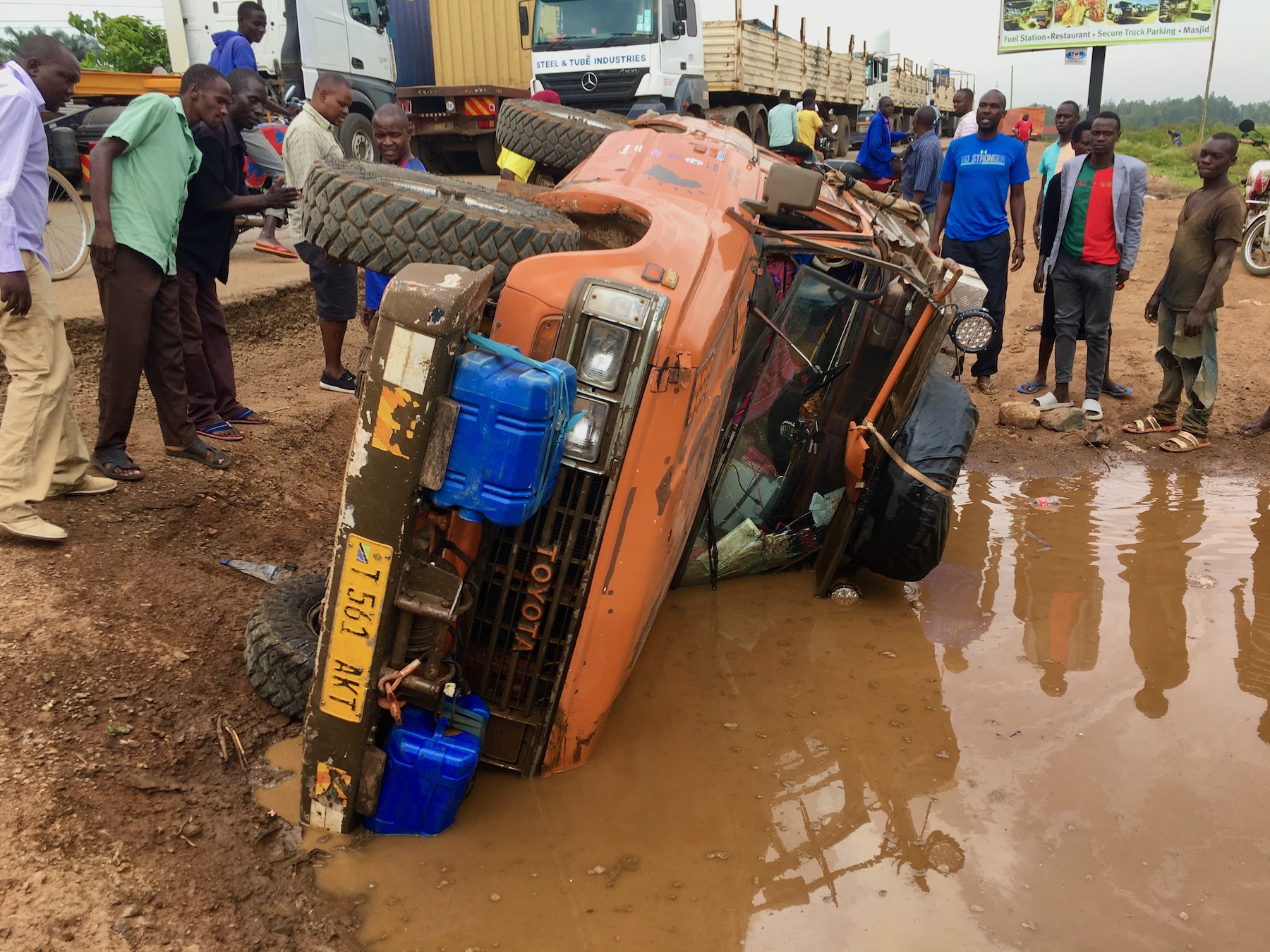
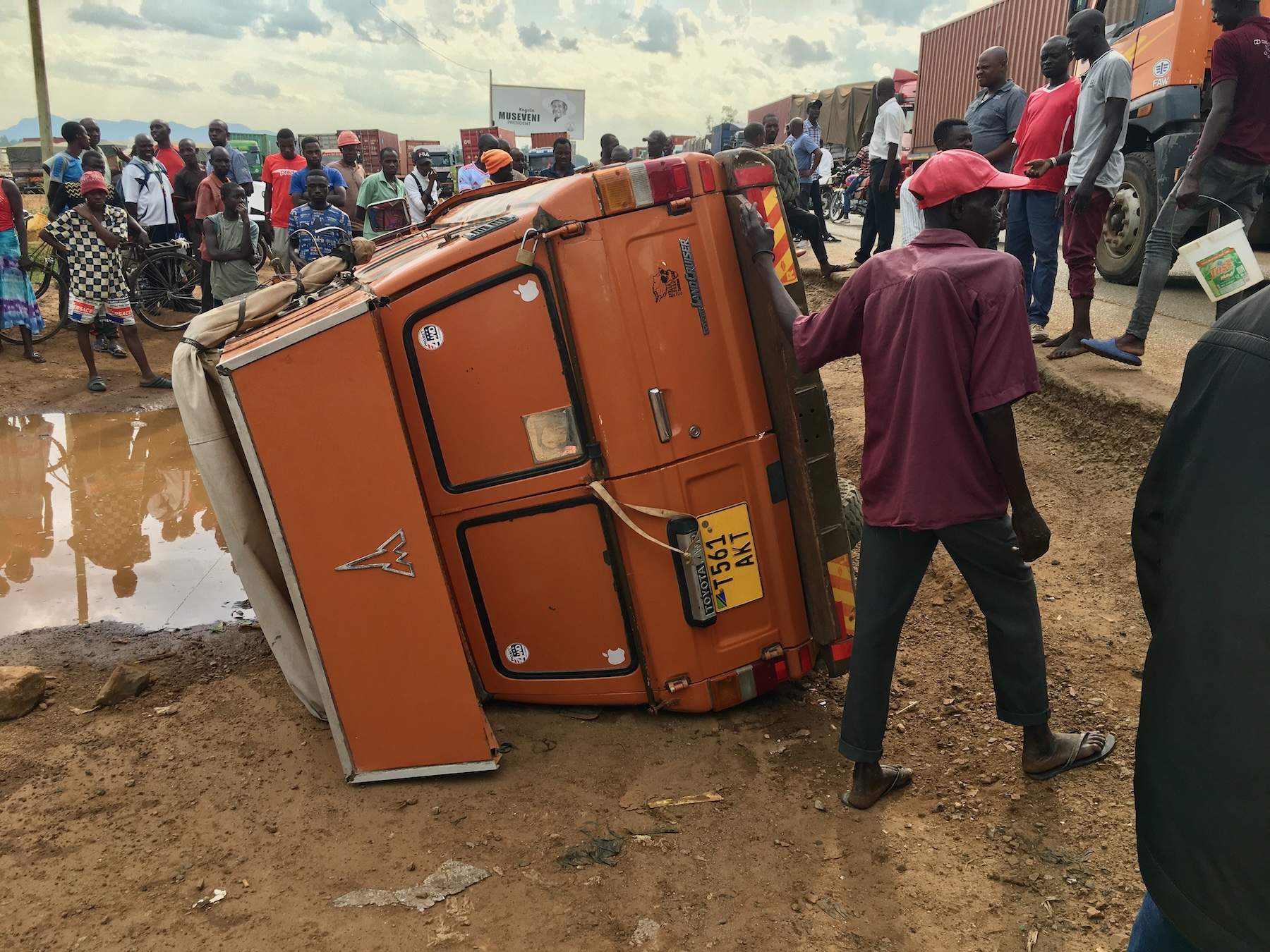
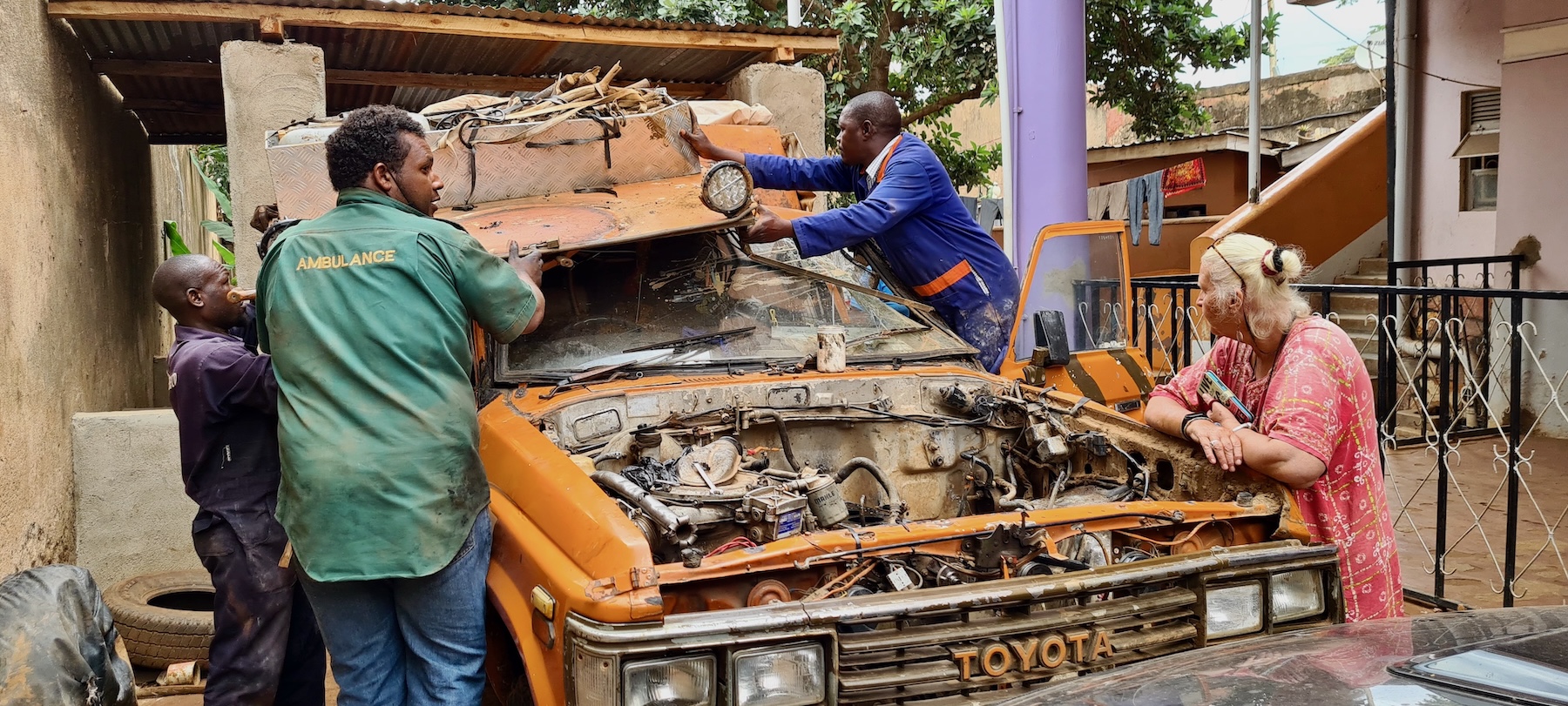
I had an accident in Uganda in 2022, and my car was basically a total loss. But a garage owner of Indian descent took me in as part of his family and patched my car back together so that I—who was still almost at the beginning of my 5-year journey—could keep going.
How do people react to your vehicle? Are there any encounters or stories that came about precisely because of it?
First, see above—and actually, everyone who sees my car is thrilled—it seems to be the epitome of a safari vehicle and the freedom to go anywhere. It’s a little annoying that every roadside checkpoint stops me, probably because my car looks so unusual and they’re curious. But that usually leads to funny conversations, and most people want to hop in right away and come along for the ride.
What do you love about your vehicle? And what sometimes drives you crazy? 😄
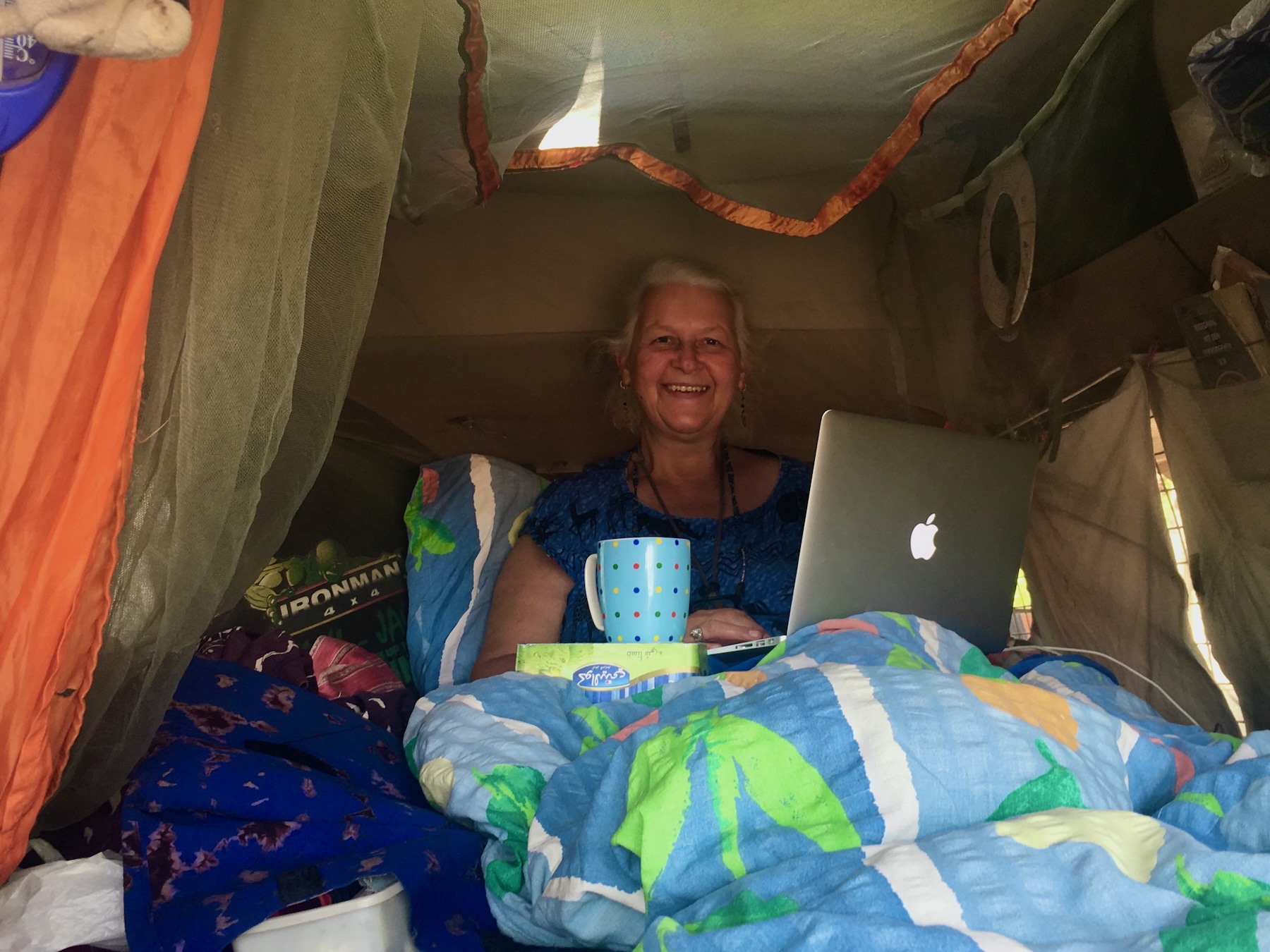
I love the simple convenience it offers me for my lifestyle. I like to stay in bed for a long time in the mornings and evenings, and with the raised roof, I have plenty of headroom and can lean back against the front seats in a very comfortable upright position.
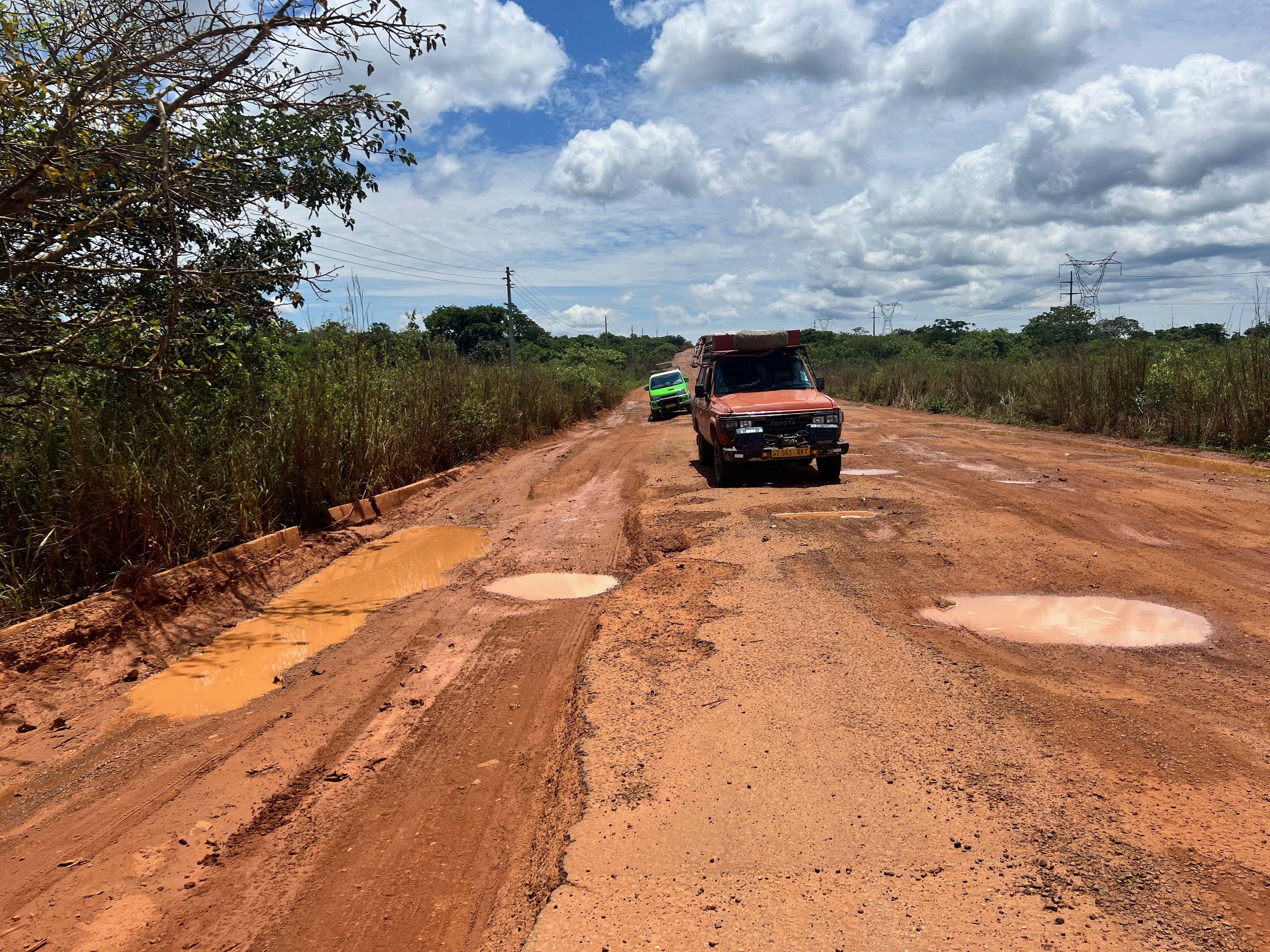
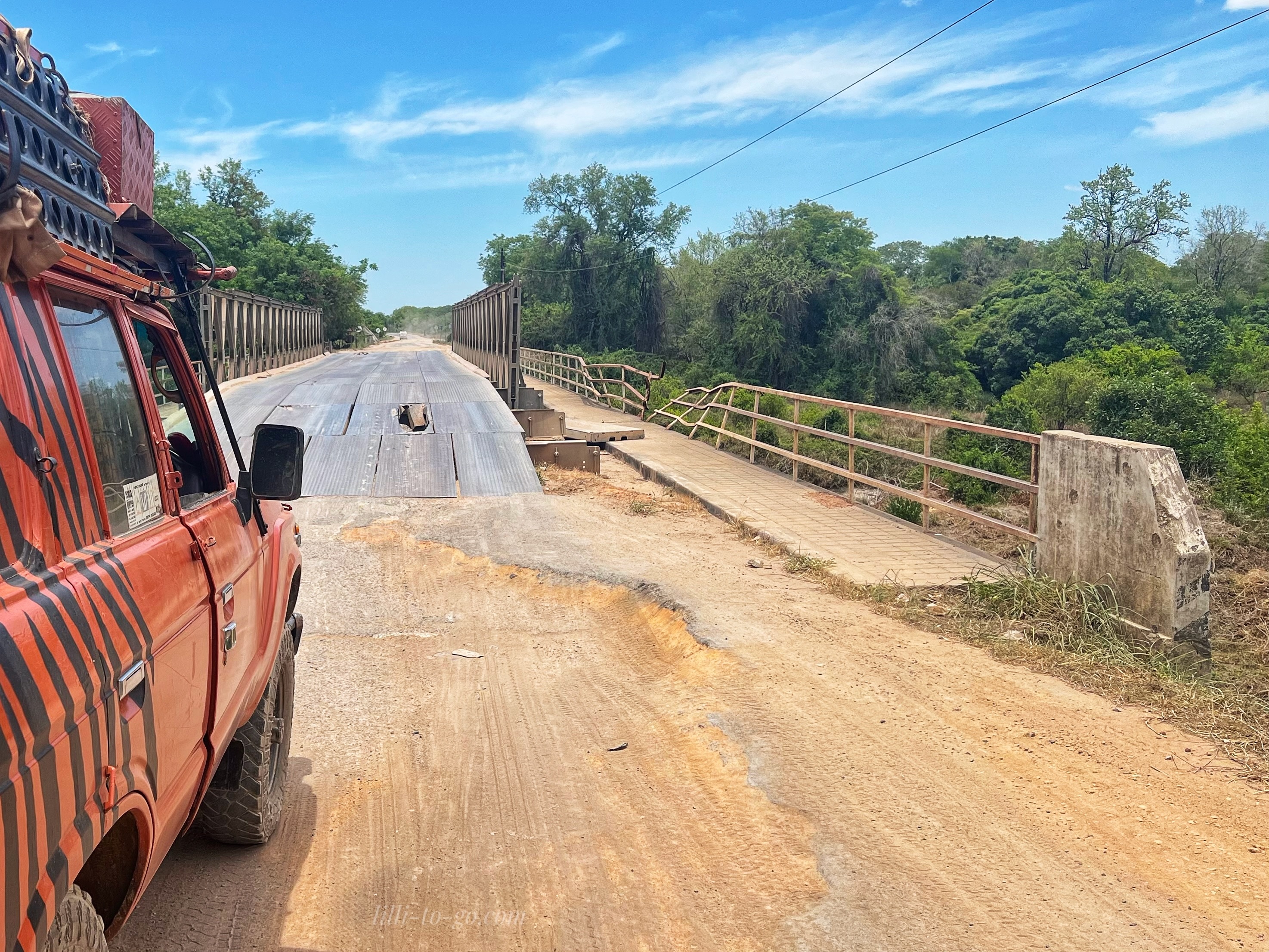
As I get older, bad roads and rough trails drive me to despair. When I was young, no road could be too bad or too remote for me to drive on. Today, I curse every pothole and every bump, not to mention long stretches of corrugated road. Every jolt to my chassis shakes me to the core, and I curse the wear and tear and stress this causes for Toyo (that’s the name of my Land Cruiser).
If you were to set out again today, would you choose this exact vehicle once more? Why?
Today, I’d probably get an older Land Cruiser without any electronics, with a compact cabin attached to the back. Simply because it’s more comfortable and would feel even more like a real home. But I’d probably have to get one as a gift, through an inheritance, or as a sponsorship. My financial situation doesn’t allow for a new vehicle. If I had to spend a lot of money on a new vehicle, I wouldn’t have any money left to travel and live this nomadic life in a “snail shell.” So I’m quite happy with what I have.
A Typical Day in the Land Cruiser
What does a typical day look like for you when you’re on the road?
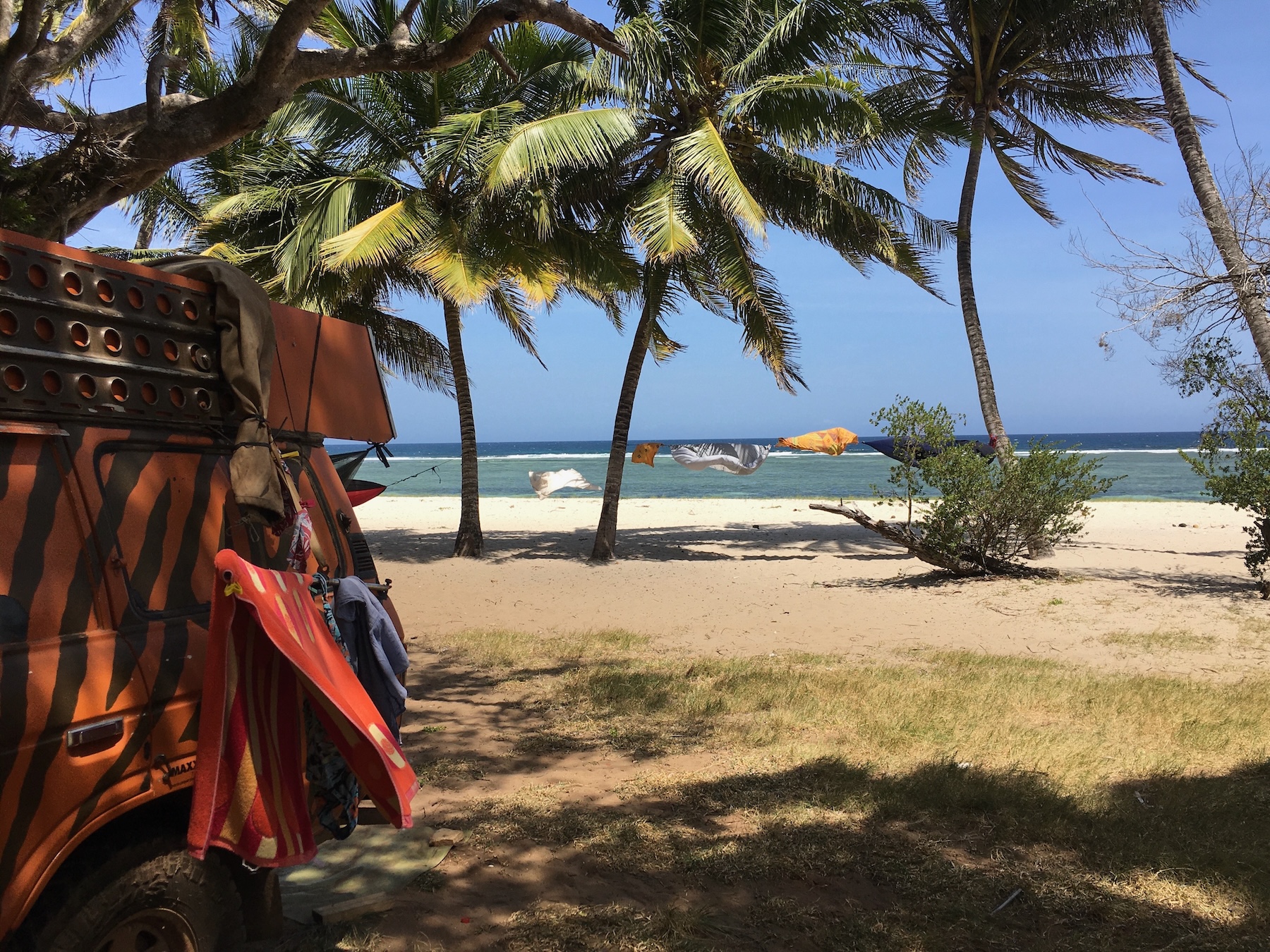
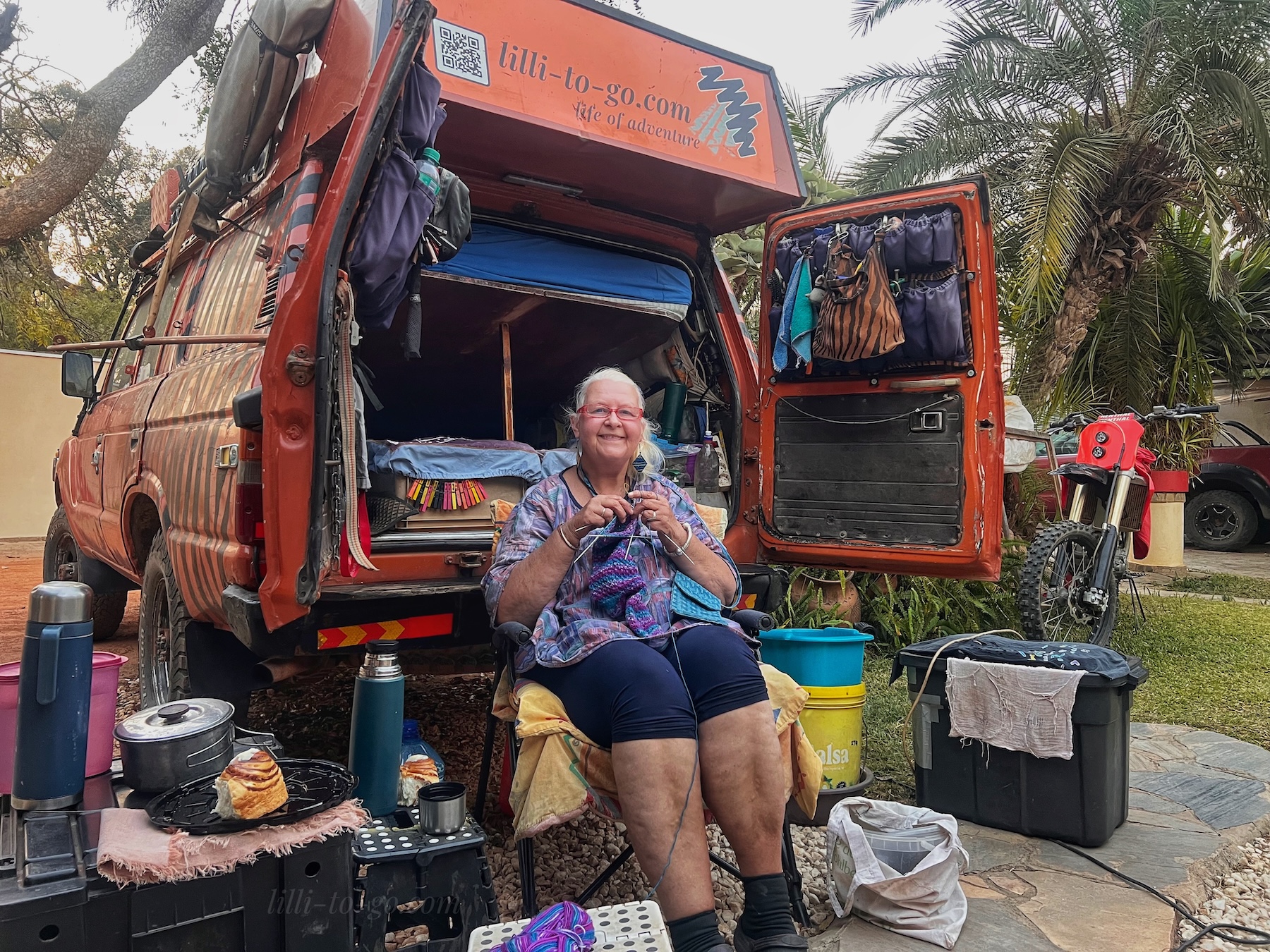
When I stay in one place for a few days: I sleep in, usually until 9 a.m., then spend another 1–2 hours in bed reading or doing computer stuff, like writing this right now. Then I have a nice cup of coffee. I usually don’t eat until around noon, so I skip breakfast. Then there are always household chores like doing laundry, cleaning, small repairs, and prepping meals for the next few days. Otherwise, I relax by listening to podcasts and knitting, taking a swim if I’m by the sea, or simply observing nature if I’m out in the wilderness. I prefer to cook and eat before it gets dark, since there are always lots of mosquitoes and insects out and about after that. In the evening, once it’s dark, I usually read or watch movies in the Toyo, protected under my mosquito net. If I have a good internet connection, I download movies from streaming services.
Travel Days: Get up early, around 7 a.m., make the bed and pack it away dust-proof, pack and stow everything—takes about an hour. Then hit the road; it’s usually only between 100 and 250 km to the next place to stay. I usually find places to stay using the iOverlander app. Once there, I unpack everything again and set up camp, then cook dinner (hopefully just reheating pre-cooked meals), brew 3 liters of tea for the evening and the next day, and then it’s the usual evening routine.
When I meet people or other travelers, I also enjoy spending a lot of time chatting. A solo traveler likes to talk a lot anyway—sometimes too much. 😇
Where have you stayed much longer than planned—simply because you didn’t want to leave?
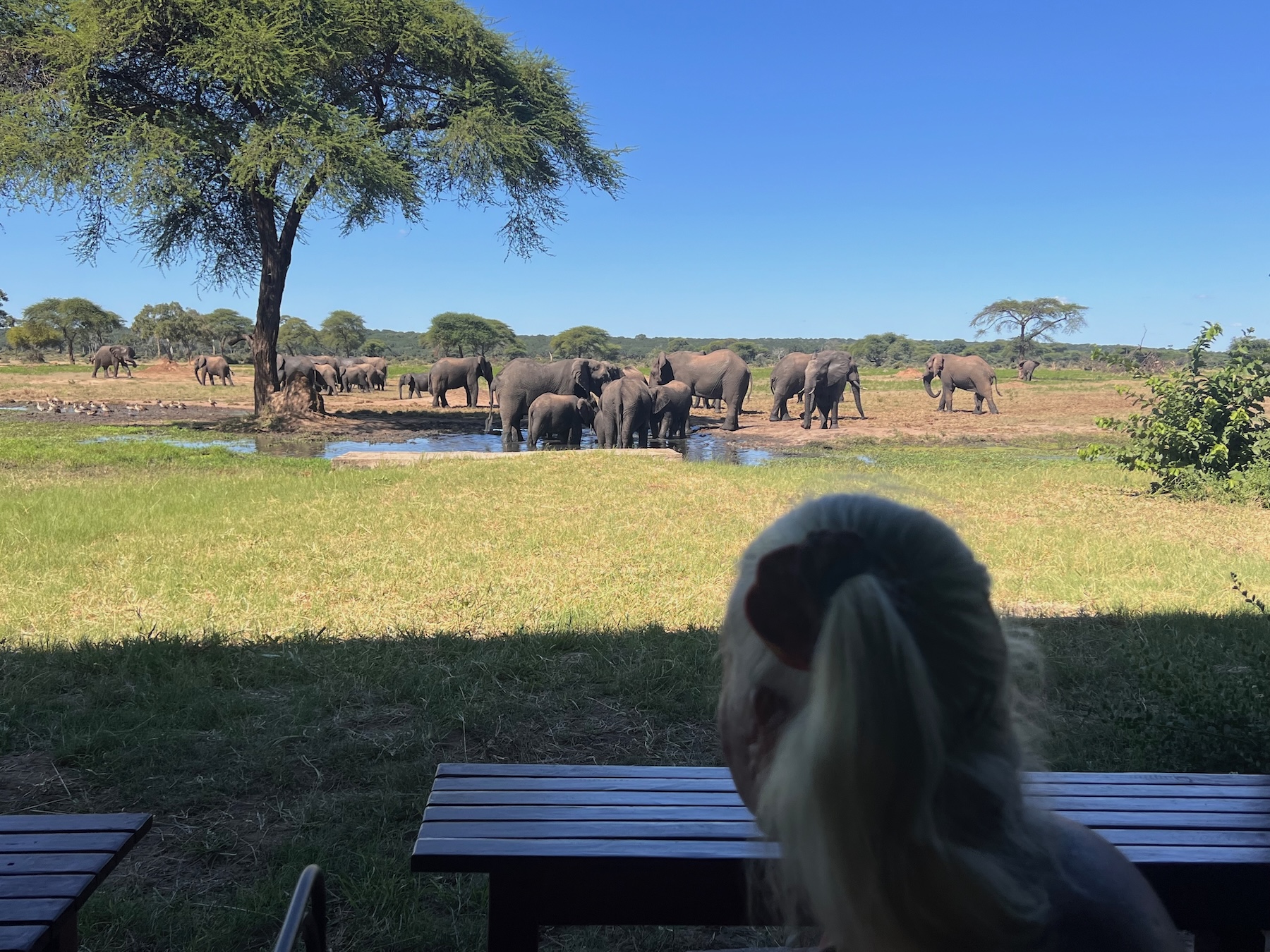
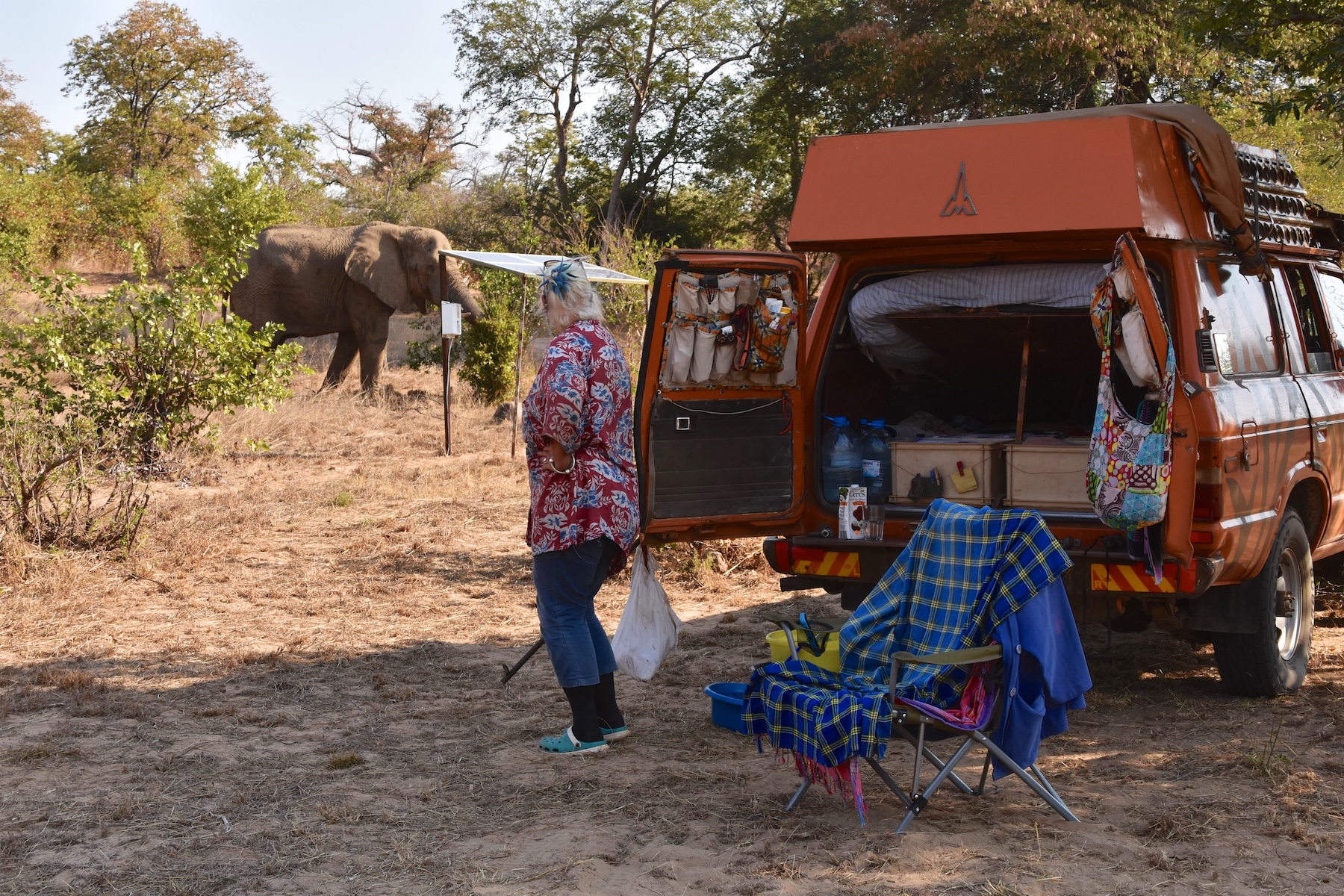
In Botswana, at an unfenced camp. It’s located in a migration corridor, and depending on the season, the entire African wilderness marches right past you. Mostly elephants, which come there to a special waterhole with fresh water, but also many species of antelope, giraffes, zebras, and wildebeests. It’s even spiced up with the excitement of lions, hyenas, and other predators.
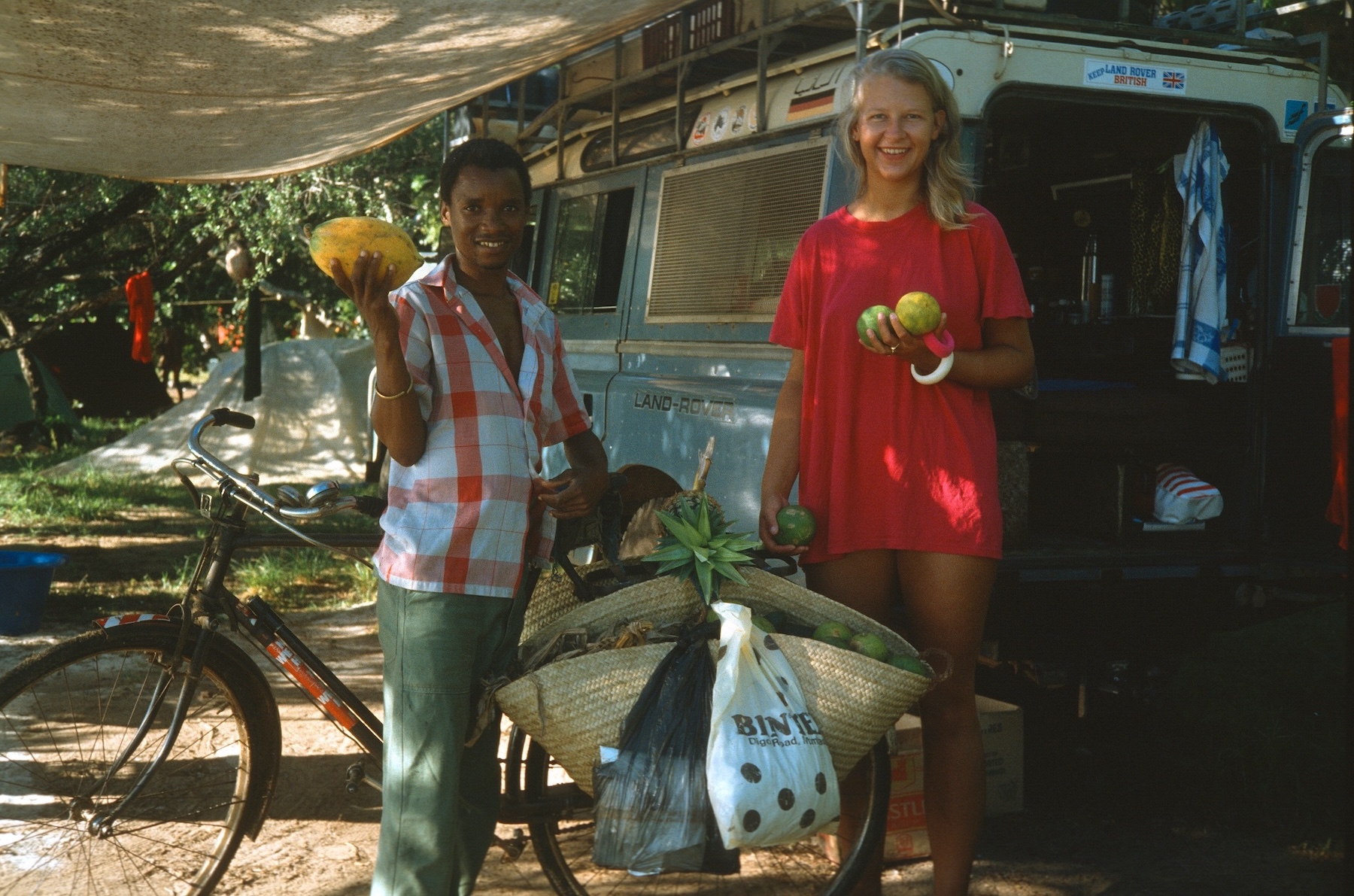
And in Kenya, at a campsite on the Indian Ocean that has hardly changed since 1988, when I was there for the first time. I’m actually on my way back there right now to wrap up my five-and-a-half-year journey.
Robbery, Lions, Cliff Edge: Nights You'll Never Forget
Tell us about an evening you’ll never forget.
Unfortunately, this is one I’d rather not have experienced. I was sitting in my car at a perfectly normal campsite around 9:30 a.m. when I was mugged. They tried to drag me out of the car, and I fought back by kicking them. Unfortunately, it didn’t do much good, and they snatched my phone from my hand and my laptop from my lap. Luckily, the robbers weren’t armed; otherwise, things might have turned out worse for me. So I was left with just some bruises, the shock, and the loss of my smartphone and laptop. I’ve often been asked if I wasn’t afraid at the time. But the dominant emotion I remember was simply ANGER. Anger that these guys were invading my personal space and trying to take something from me.
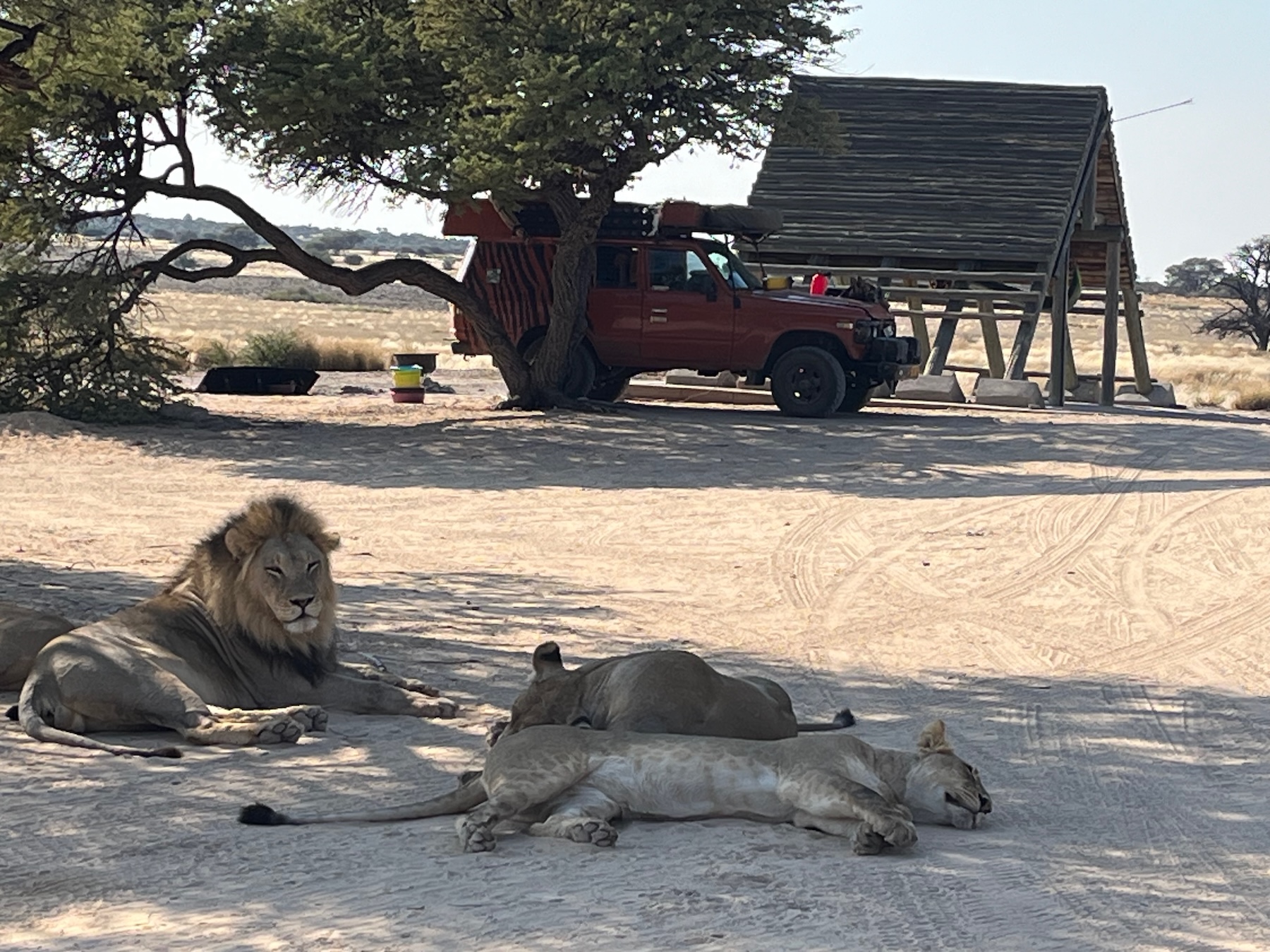
Then there was another morning I’ll never forget. Back then, I woke up in the middle of a pride of lions in a national park in Botswana. Four lionesses with four cubs had settled right around us (at the time, I was still traveling in that Toyota with my partner). It was a hot night, and we had the back doors of our Toyota wide open when we were awakened by the meowing and squeaking of the lion cubs. We started by securing our blanket across the open door, since only a thin mosquito net separated us from the lions lying all around us. The Toyota has a skylight in the roof that opens 180 degrees. Looking out through it, we had to wait about two hours until the lions finally wandered off, and then we were able to go outside and make our morning coffee.
When were you out on the road and thought, “What the heck am I doing here?” What happened?
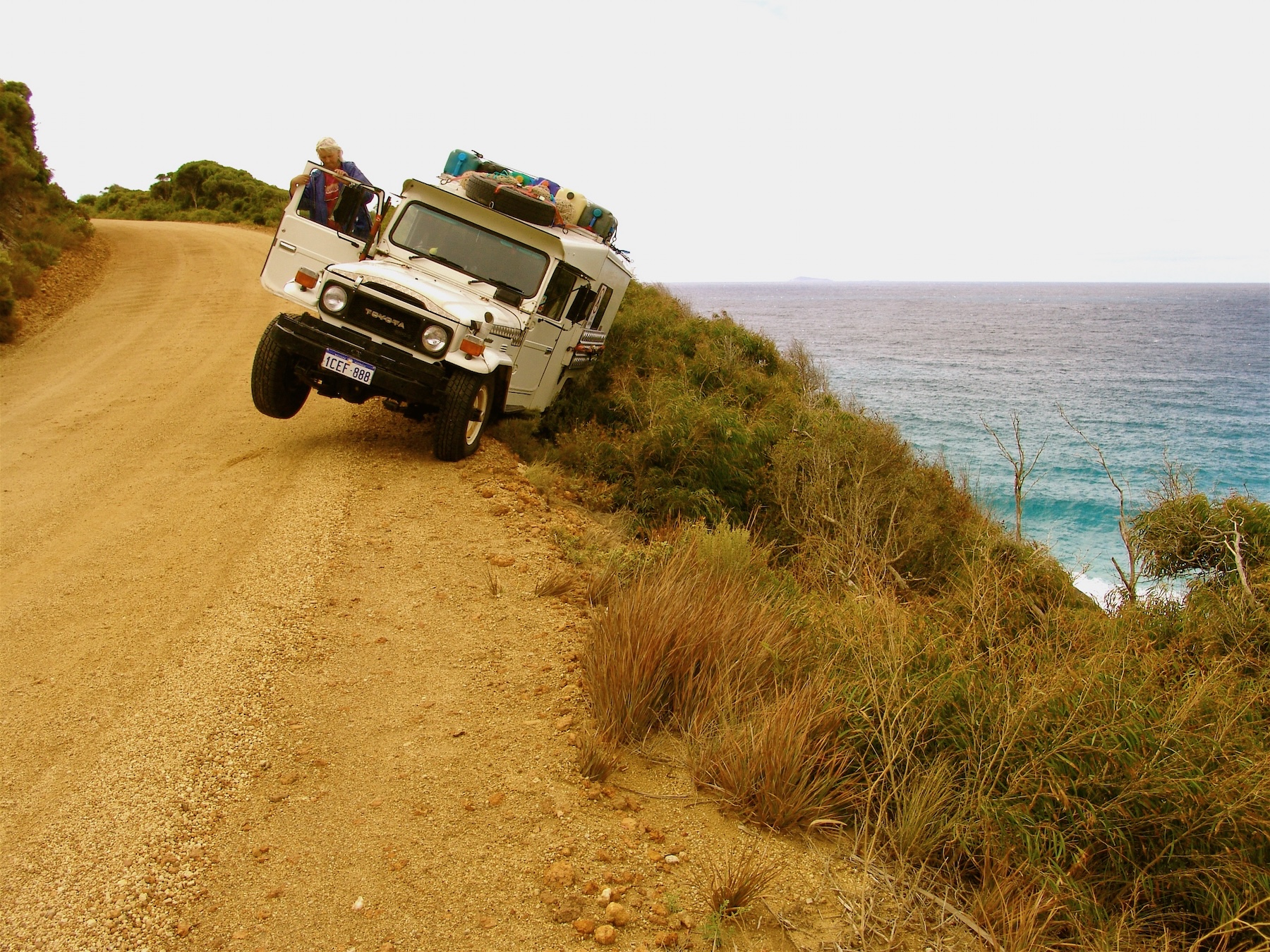
It happened once in Australia. To get a good spot for a photo, my ex drove too close to the edge of the trail, which gave way under the weight of our vehicle. So there we were, hanging at an angle with one rear tire in the air, perched on a steep rocky cliff above the roaring sea. I was then supposed to climb very slowly and carefully—without making any sudden movements—from the passenger seat over the cliff to the driver’s seat and hang out the driver’s side, leaning far out of the vehicle, to create a counterweight to our dangerously swaying vehicle. That’s when I definitely thought to myself, “What the hell are you doing here!”
And when did you think exactly the opposite? “That’s exactly why I’m doing this.”
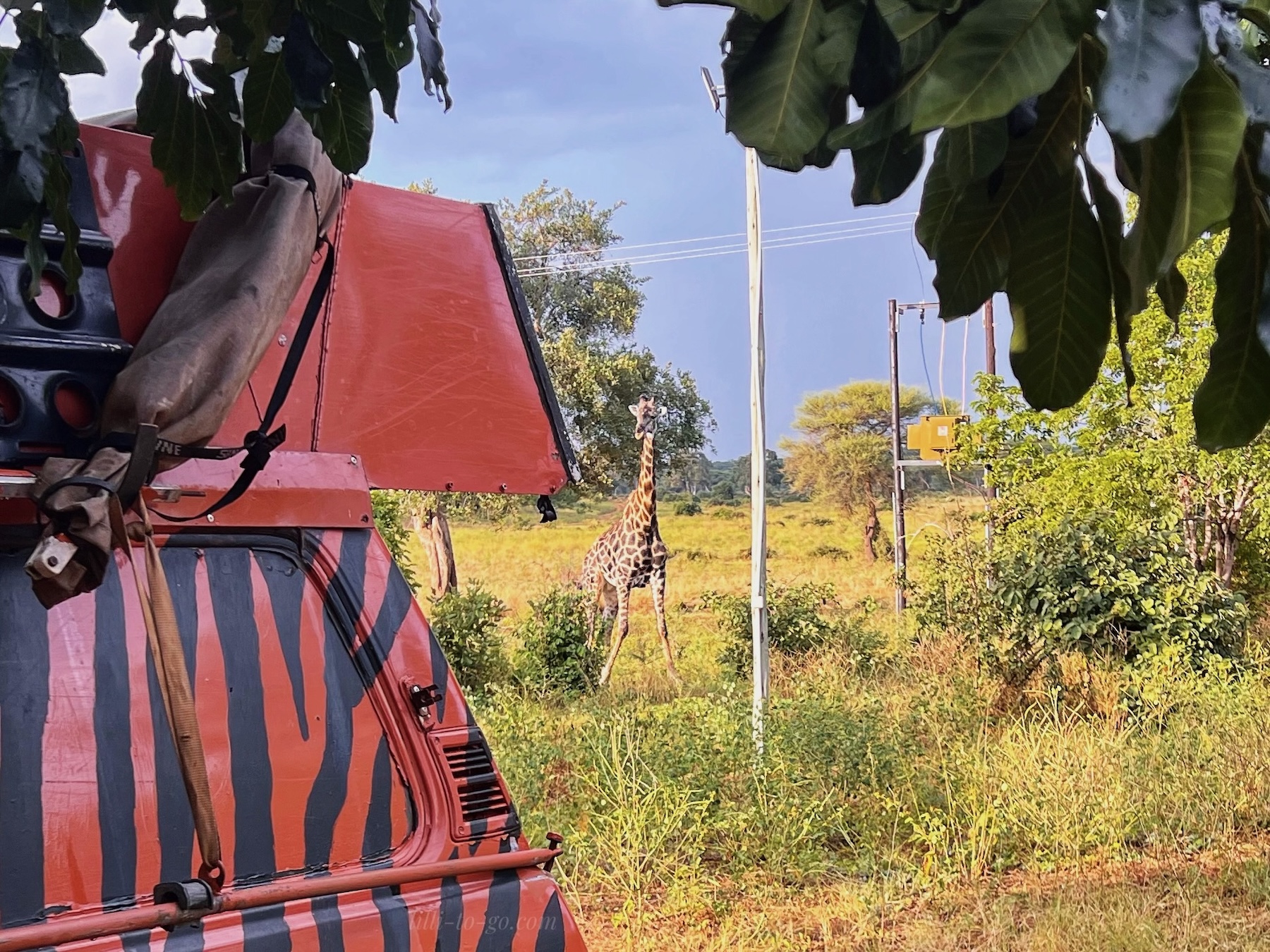
When I’m sitting at a campsite in Botswana, like I was a few weeks ago, with giraffes peering curiously through the bushes next to me and elephants thirstily making their way to the nearby waterhole—that’s when I know—this is what I want to experience—this is exactly where I belong.
Mishaps and Expensive Lessons
Tell us about a mishap that you can laugh about now.
It’s not really a mishap, but a funny story about getting sick while traveling that I love to tell.
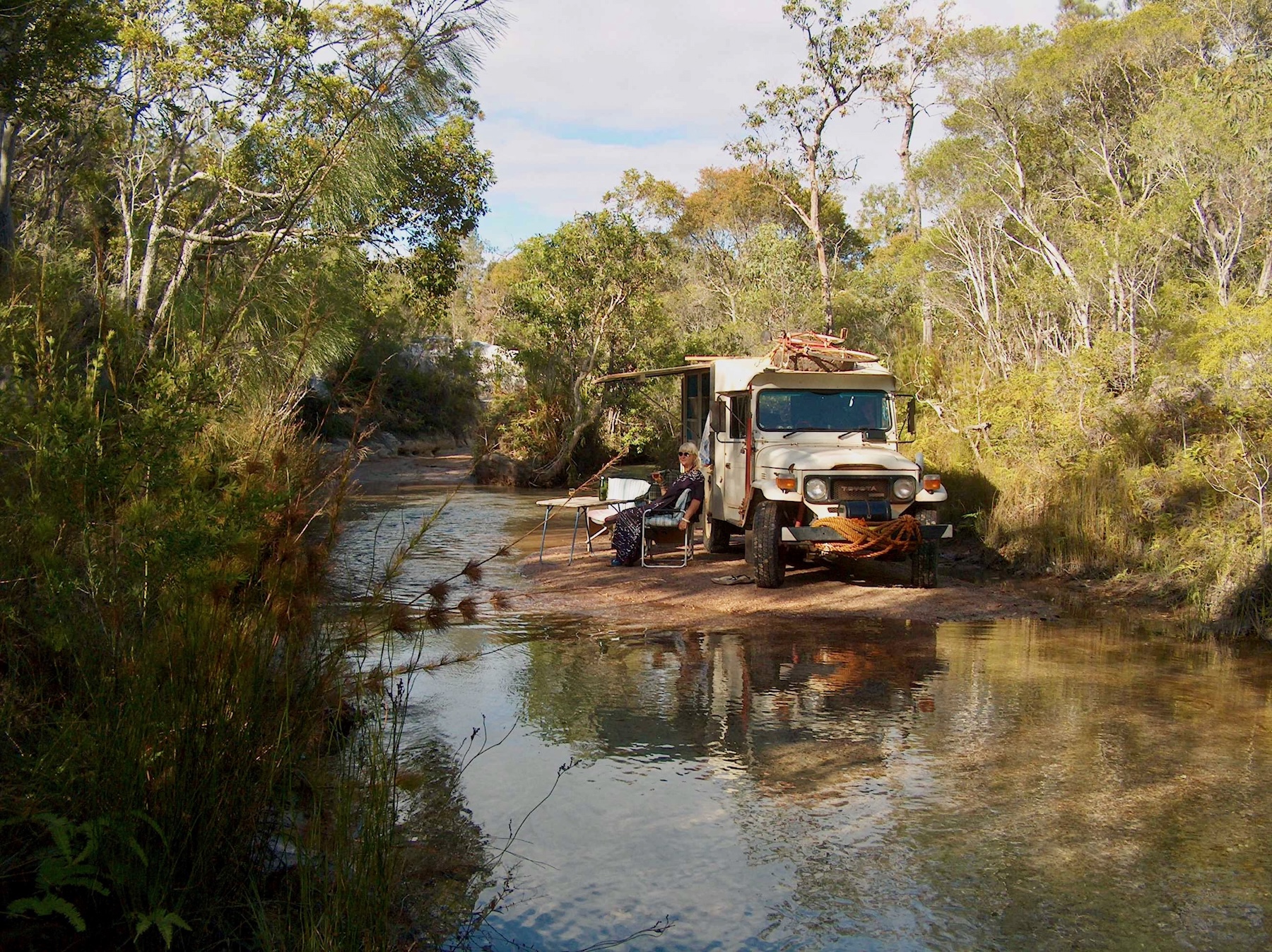
I’d been traveling with my ex-husband for quite some time in the tropical north of Australia, on the Cape York Peninsula. Since we’d only been camping out in the bush there, we naturally had to use the restroom outdoors. Dig a little hole, do your business, pack up the toilet paper for the evening campfire, and then cover the hole and the waste with dirt and tamp it down nice and smooth. All by the book for the great outdoors! But—as I took one last look at the waste—oh no—there were little white worms wriggling around in the soft stool. And the disturbing part was that it didn’t just affect me, but my travel companion as well.
So we must have picked up some worms somewhere.
The easiest solution was to go to a pharmacy in the next major town, buy a dewormer, and take it diligently for several days.
And the result after a few days: the worms are gone.
But it didn’t take long for the parasites to return, happily wriggling around in our stools again.
So off to the pharmacy again, and this time, in a private conversation with the pharmacist—who couldn’t explain it either—we bought a stronger deworming medication. We took it as directed again, and—what do you think? The same cycle started all over—worms gone—worms back again…
By then, we’d arrived at Bamaga, at the very tip of Cape York. There, we saw no other option but to go to the local hospital with the problem of a persistent worm infection.
But they didn’t have a proper explanation either and sent us on our way with another deworming medication—this time, one that was guaranteed to be very strong.
And now we come to the end of the story—we’re sitting with other travelers by the campfire on the beach in the evening, and as always, all sorts of stories are making the rounds. Suddenly, I pricked up my ears. The person across from me was talking about worms in his stool and what he’d discovered—they aren’t worms at all, but live maggots that are born alive from the fresh, still-soft feces by the ubiquitous flies in Australia. So the Australian flies have adapted to the predominantly dry conditions of the Australian outback by not laying eggs on suitable food sources, but instead laying live maggots, which then have much better chances of survival thanks to their speed in burrowing into the ground. So our “worms” weren’t actually intestinal parasites at all, but fly larvae. And these maggots burrow into the soft dung and don’t wriggle their way out, as we’d always observed with worms.
I fell completely silent out of embarrassment and, of course, didn’t say a word about it. As an experienced traveler, I felt too ashamed not to have known something like that.
The strong deworming medicine remained untouched in our first-aid kit for a while—you never know!
But what really surprised me in hindsight was the lack of knowledge among all the health experts who advised us at the pharmacy and the hospital. But they probably only relieve themselves in modern flush toilets, where everything gets washed away right away. None of them has probably ever dug a hole in the bush and made the corresponding observations while filling it back in.
What was the most expensive lesson you learned on your trip? Not just financially.
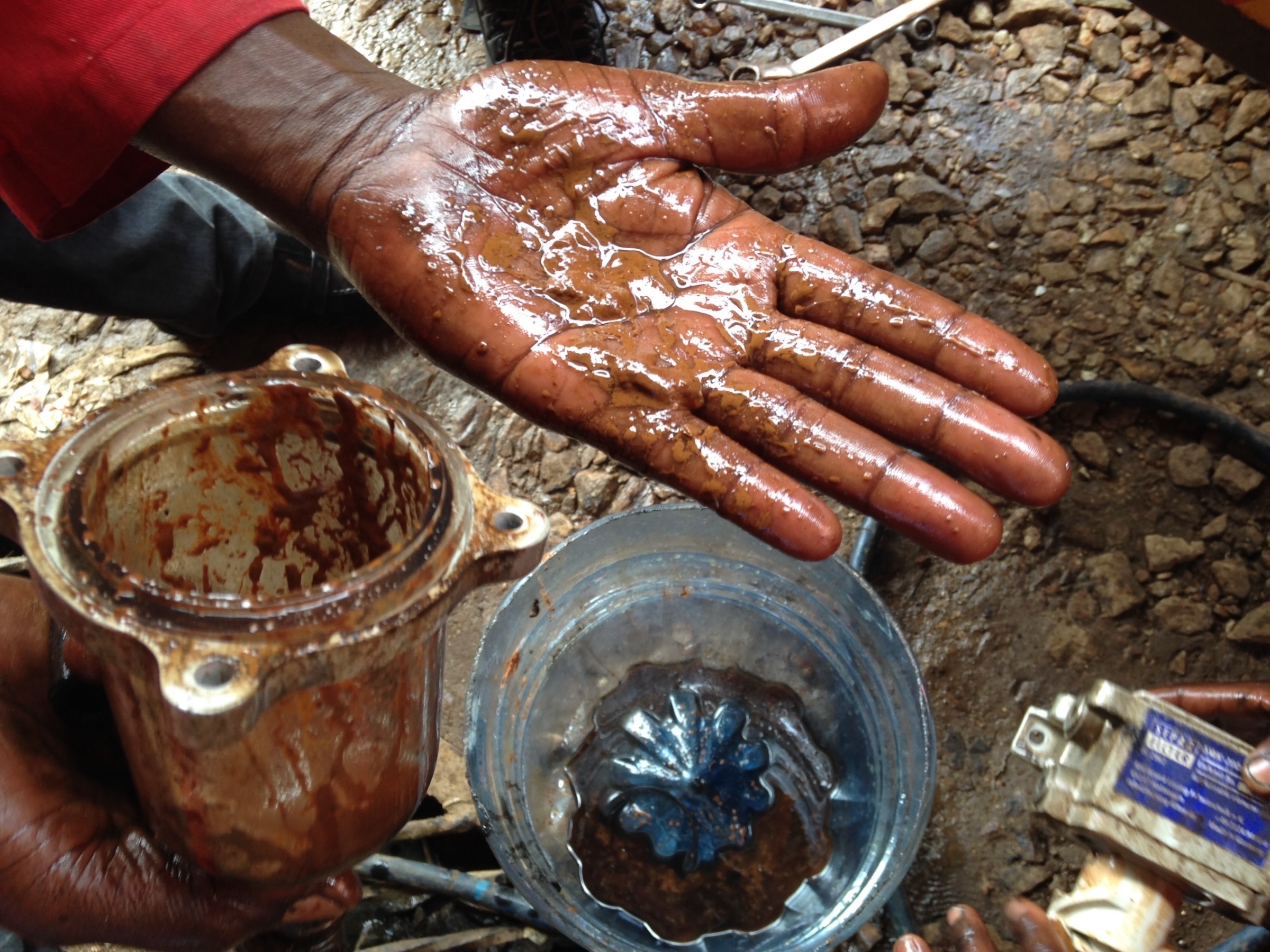
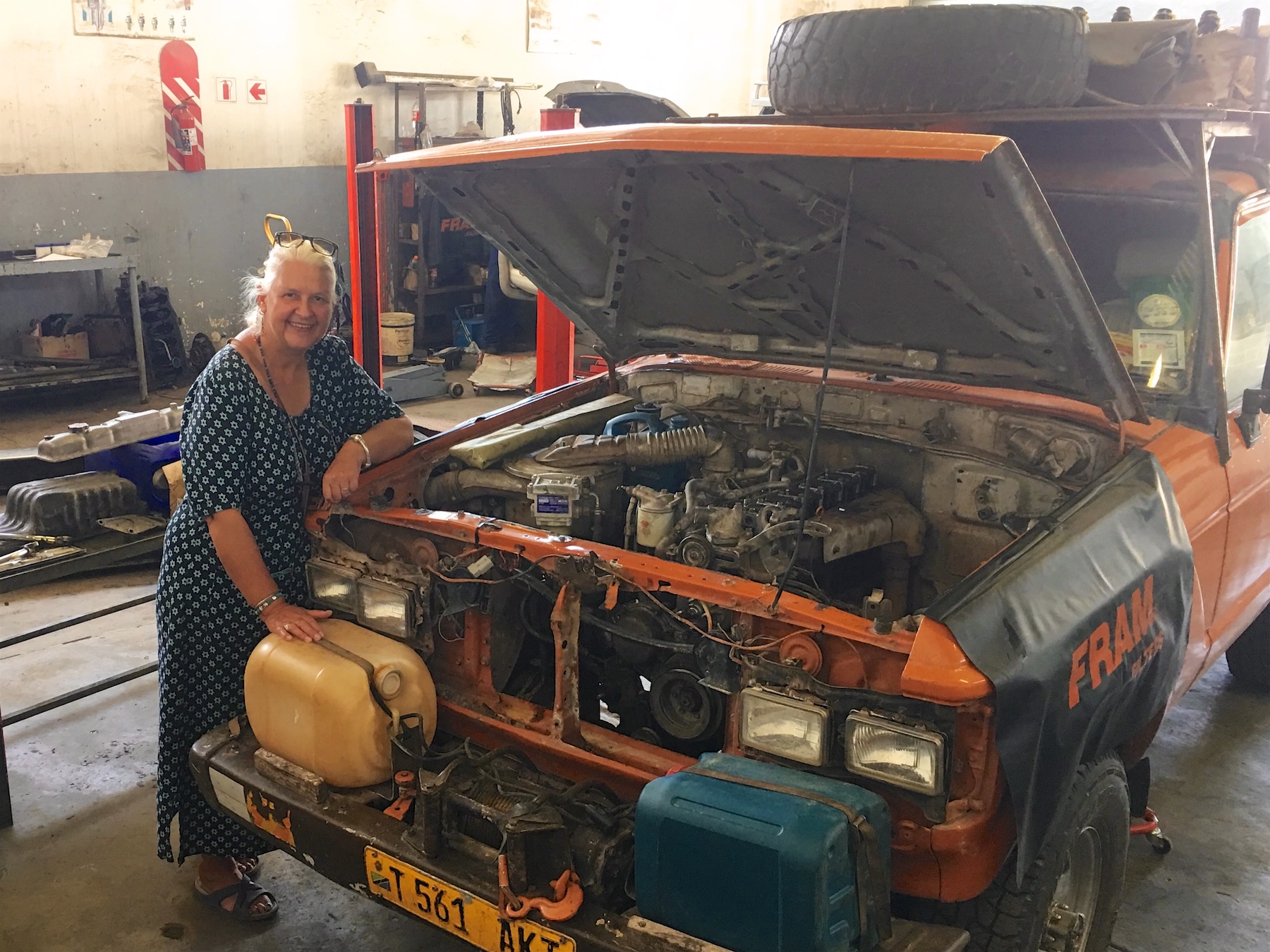
My ex-husband is a car mechanic, and during the 10 years we traveled together, I never had to worry about maintenance or repairs on our travel vehicles. I also can’t stand having oil-stained hands or dirty fingers, which is why I don’t like tinkering with cars. After our somewhat unpleasant breakup, I was left alone with our African vehicle, the old Toyota HJ60. Probably as a form of denial, I didn’t take care of my travel companion’s maintenance at all during the first few months of my solo trip. This went on until the fuel filter burst while I was on the road and I saw all the grime that had built up inside it.
Basically, it took me a year and a half before I truly took full responsibility for my Toyota—treating it for what it is: the vehicle that takes me to the places I want to go. This denial cost me dearly. And I had to learn to trust the local mechanics—and also to accept it when something was done wrong. Because, of course, no one can know the car as well as a mechanic who works on it constantly, as opposed to just any mechanic seeing the car for the first time.
What would you do completely differently today—and why?
I can’t really say anything about that. I’ve always acted to the best of my ability. I don’t think I could have made different decisions given my personality. In that sense, looking back only shows me that I have to stand by my decisions and accept them and their consequences. They’re in the past, which can’t be changed. But I can learn from them for the future, and all those experiences are what make me the person I am today.
Encounters: “A Freedom That Is PRICELESS”
Who is the person you still can’t get out of your head? Why?
There are actually many people you meet as a long-term traveler who enrich your life with their stories and experiences. When I was once again at a low point because of the expensive repairs to my old Toyota, a fellow traveler brought me back down to earth. He reminded me forcefully: “Stop complaining about how much money you’re pouring into this old car. Yes, it’s old, and it’s certainly developed many weaknesses over the years. But it—the Toyota—can always be repaired and made roadworthy again. And by being able to lead such a free life with this car, you gain a sense of personal freedom that is PRICELESS.”
I remind myself of this advice time and again and renew my gratitude for being able to lead such a life.
Was there an encounter that changed you? A story you’ll never forget?
I once met a man in Tanzania with whom I had a long conversation on the beach of the Indian Ocean in a small village. We talked about development aid and how the First World supports the Third World and provides assistance. He asked me if I thought Africa would ever be in a position to help us, Europe. And I replied, “Yes, I’m firmly convinced of that.” Africa is the cradle of humankind; people have been living and surviving here for 2.5 million years. And I think they’ll continue to survive on this continent for the next 2.5 million years as well, and the time will surely come when they can help us, the over-civilized people.
Was there anyone along the way who helped you even though they really had no reason to? What happened?
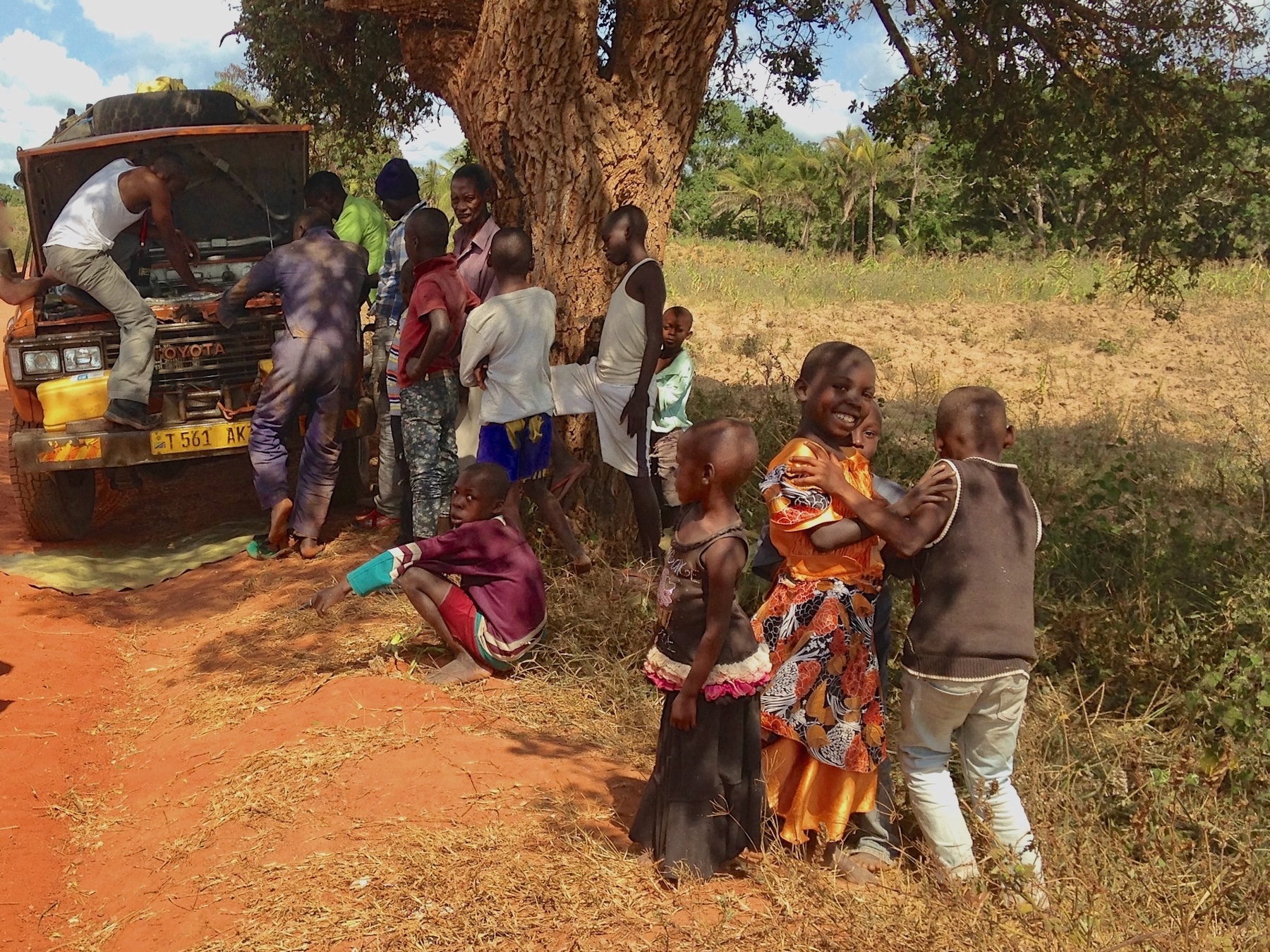
That reminds me of the story of my first breakdown with the Toyo. As I mentioned earlier, I had criminally neglected the maintenance of my travel companion at the beginning. So I set off with a V-belt that was already alarmingly frayed. And, as was bound to happen, that V-belt snapped right in the middle of the bush on a small dirt road in Kenya. I was standing by the side of the road, pretty desperate, with the hood open, when a safari vehicle full of tourists pulled up next to me. The driver got out to ask what my problem was.
“V-belt snapped—no problem—do you have a spare and tools with you?” “I do (I took everything over from my ex, who’s a mechanic 😇)”—“Good!” “Changing a V-belt is no big deal; I’ll just take care of it,” said the driver. However, he soon realized that things seemed a bit more complicated with my DIY-modified car. And after all, he had guests on board who needed to be taken to the next lodge. So, on the spot, he flagged down one of the ubiquitous motorcycle taxi drivers and sent him off with the task of finding a mechanic in the next village who had the right tools to replace a V-belt and then coming back here to me. Barely 45 minutes later, the duo came chugging up, and my replacement V-belt was installed within another half hour. This repair wasn’t expensive either—in a village setting, people don’t see dollar signs in their eyes just because they spot a foreign woman. 😂
Money, Retirement, Uncertainty: How Lilli Pays for Her Travels
How do you finance this lifestyle? And how do you deal with the uncertainty that might come with it?
I used to work, save money, travel, work…
During the 10 years I spent traveling with my ex—after we’d given up our company that built expedition vehicles—we’d already started working on the road. He was an all-around handyman, and I worked in the management of lodges and camps in Tanzania. I continued doing that after my separation and earned good money from it, which was enough to get by for several months at a time.
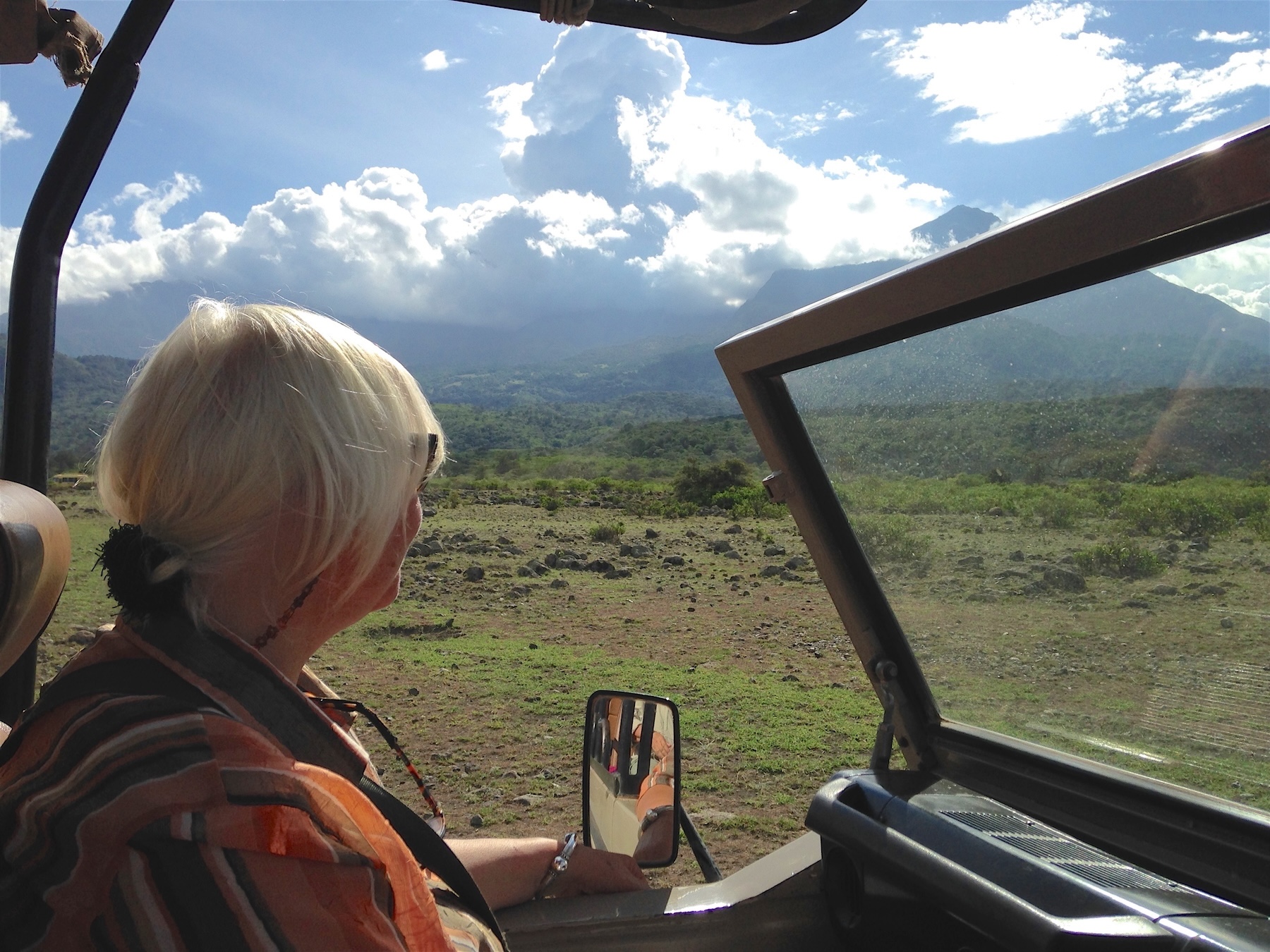
So far, I’ve invested my savings wisely (who knows what the future holds), and I’ve been receiving a very small pension for a few years now. As long as I don’t drive much—since every kilometer costs me money from my savings—I can make ends meet. Whether I’ll still be able to afford this lifestyle after my 70th birthday, when travel health insurance becomes very expensive, remains to be seen. But in any case, I want to continue my vagabond life for as long as possible.
I’ve learned to accept this uncertainty. I’ve made certain decisions in my life that, in hindsight, can’t be reversed. In exchange, I’ve been living a life of travel since 2001 and, since 2012, with a great deal of personal freedom—which, as mentioned above, is simply priceless.
What was your greatest luxury while traveling—even though it didn’t cost any money?
My greatest luxury is my personal freedom, but that does cost money—in the form of living expenses. But I have the freedom to decide at any time which direction I want to go and how long I want to stay in a particular place.
But back to the question of the greatest luxury. Whenever I have access to a bathtub filled with hot water—or, as is the case right now, a 41°C thermal spring—that’s the ultimate feel-good experience for me.

Traveling Solo in Africa: The Best and the Worst
You’re traveling alone. What’s the best part about it?
Time and again, it’s the personal freedom that I’ve come to appreciate so much.
But in my case, it’s also a certain refinement of my personal travel style—especially on Africa, the continent closest to my heart. On my first trips with my first partner, I explored Africa for myself and learned to appreciate it. With my second partner, I discovered even more and went on some very exciting trips. Now, my travels in Africa are reaching their peak, and I’m discovering MY Africa—which makes me feel more complete, creates my own memories, and brings me great fulfillment. After all my previous experiences, this wouldn’t have been possible without traveling alone.
And what’s really frustrating sometimes?
That I have to make every decision all by myself and no one can take that burden off my shoulders. For me, this applies especially to decisions about my car. Because even if I don’t repair my car myself—even though I know it better than anyone—I still have to decide on my own, whenever a technical problem arises, what needs to be done and how to proceed. And I have to stand by that decision, even if a mechanic messes up. Even then, I have to accept that, based on what he knows, he probably did his best—even if fixing his mistake ends up costing me a lot of money again. Then I try to forget about those costs as quickly as possible and write them off as living expenses. I’ve gotten better at that over the years. 😇
Do you think your trip would have been different if you’d shared it with someone?
Of course it would have been different, because in a team you’re always forced to make compromises. But I don’t want to make those compromises anymore, which is why it’s so hard to find a suitable travel partner. On my current trip, I’ve only managed to do that with a woman who’s also traveling solo in her own vehicle, has the same travel style as me, and fully adapts to my slow pace. I think she does this for my sake, because we get along very well, even though we have completely different daily routines. For me, someone like that is naturally very pleasant to be around, because I don’t have to make any compromises.
Clichés, Social Media, and Reality
Be honest: What’s the one question you’re really sick of hearing?
How many kilometers has your Toyo driven? For starters, I don’t know, because the odometer reading when we bought the car was definitely tampered with and rolled back (though we didn’t find that out until later), and my odometer has been broken for years. Besides, I’m not a statistician, so I don’t keep track of mileage, diesel consumption, nights spent in the Toyo, etc. I drive with a digital speedometer that shows me my speed and keeps track of the kilometers I’ve driven. When I reach about 5,000 kilometers, the Toyo needs some attention and an oil change. That’s enough for me and for it. 😇
What do many people think about your life on the road—even though it’s not true at all?
Probably that it’s easy and carefree, but I can’t say for sure. Sometimes I’m accused of just lazing around. But that’s based more on envy than on reality. Of course, I’m often invited to stay with people, and I accept those invitations. But I’ve also learned that people with settled lives appreciate the company of a nomad like me, love my stories, and enjoy showing hospitality.
What aspects of travel are romanticized on social media, even though the reality is sometimes quite different?
On social media, you can only show snapshots, and people naturally tend to share only the beautiful, exciting, or special moments. That doesn’t reflect reality. You see a lot of litter and poverty, but also boring, dreary landscapes and cities. You might think those aren’t worth a photo or video unless you have a specific project and want to shock people with disturbing images. Only very skilled photographers can capture these contrasts—for example, a smiling child sitting on a pile of trash or a contented person in a devastated environment.
For me, social media means sharing my life. I only started doing this after I began traveling alone. Before that, I had no desire to share my life. But I’m good at telling a story through my photos, and social media gives me that opportunity. There are many good photos, but a photo without a story is actually worthless—AI will soon be able to do that much better. But capturing an image that sparks a story in the viewer’s mind is something very few people can do, and I can only do it occasionally. Yet with a photo and the right story, I can reach people and at least show them my reality.
What has traveling taught you that no school in the world could have taught you?
Especially since I’ve been traveling alone, I’ve learned that you can actually get help just about anywhere when you need it. People are generally friendly and helpful.
What was your opinion before your trip—and would you say the exact opposite today?
Before my travels? That was almost 50 years ago now. I really can’t remember what I thought back then.
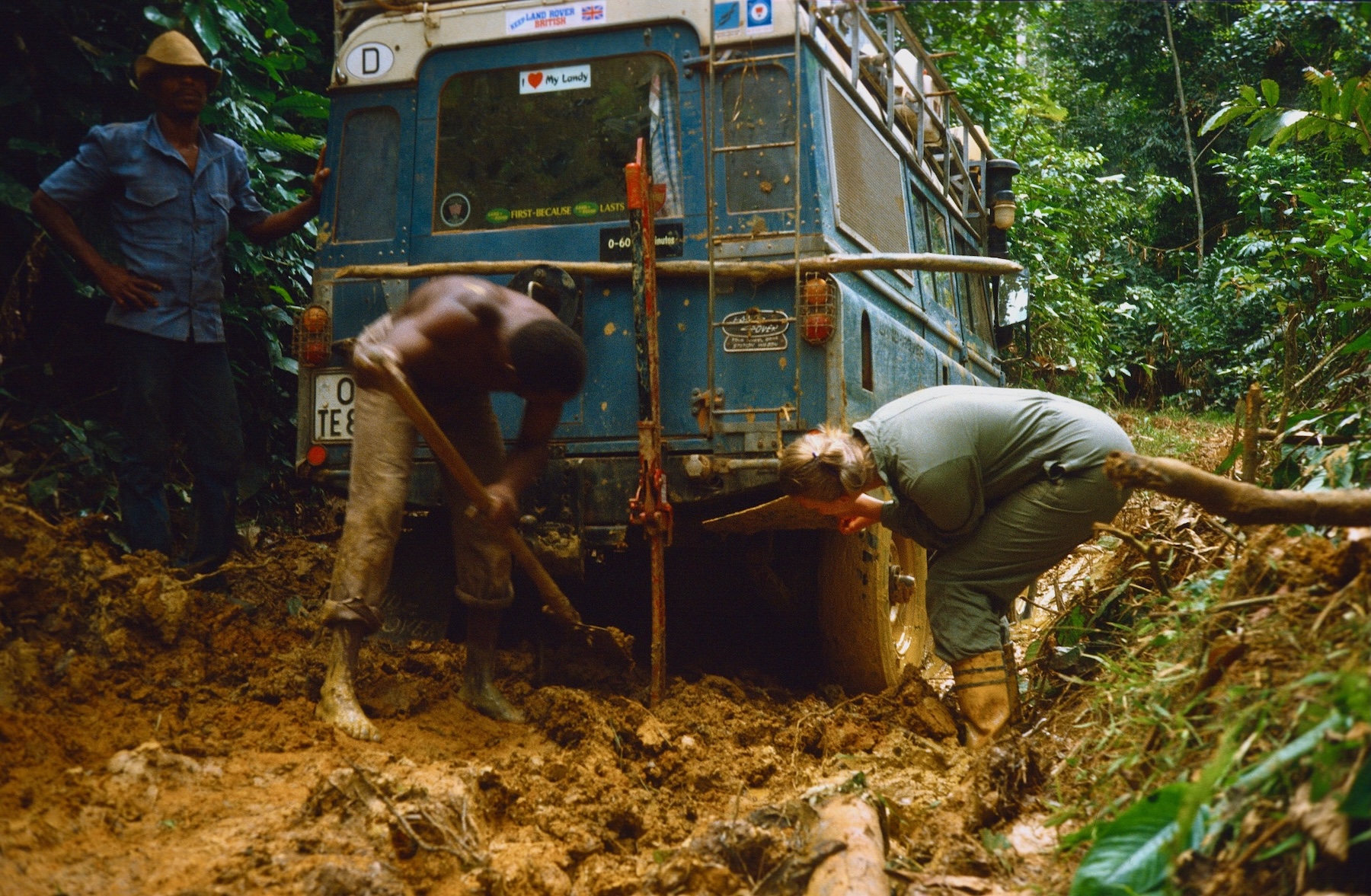
But one thing has changed. When I was younger, no place was too remote, no road too rough, to keep me from going there. I used to push my partners—who were, back then, the “vehicles” for my desires—and was very disappointed when we couldn’t reach certain destinations, for example, when we had to turn back in the Congo during the rainy season in 1988 because the road became impassable for a vehicle. Today, since I have to drive myself to reach certain spots, I can understand why people might give up.
These days, I personally no longer enjoy driving on rough roads; every pothole hurts my soul, and on every bumpy, corrugated road, I feel like my beloved Toyo is falling apart and that I’ll have to pay for expensive repairs again after the trip. In that respect, my attitude has done a complete 180, but it probably also has to do with the fact that I’ve already seen and experienced so much, and at my age, I don’t need to put myself through that again, come what may. I’ve been in so many dicey situations that these days I try to avoid getting anywhere near them. Although that’s never entirely possible. A single detour—say, because a bridge has been washed away—can lead to disaster, and then it’s back to “eyes closed and through with it”!
If you could give your “self” one sentence to take with you before you leave—what would it be?
Take what you have, try to make the best of it, and then go your own way—everything else will fall into place.
When was the last time you were on the road and thought, “Damn… I’m so lucky to be living this life”? What was happening in that moment?
I actually think that quite often, and of course especially in moments when I feel completely at ease. Right now, for example, as I’m sitting by this hot spring in the middle of the forest, enjoying this idyllic setting.
But sometimes I also think the opposite—along the lines of, “Do I really have to put myself through this?” Especially when I’m expected to pay a lot of money for very basic facilities. The last time was in a cramped shower where the cold stream of water hits you the moment you turn on the faucet, there isn’t a single hook for clothes or a towel, the door won’t close, and on top of that, you have to undress naked outdoors in a well-lit area because the shower is too cramped to even turn around, and everything around you is dirty.
But then my thoughts quickly return to the main point—I’m willing to put up with that so I can live this life and travel for as long as possible.
What does “One Life. Live It.” mean to you personally?
I knew early on what I wanted—to travel—and that’s always been my focus. I’ve always instinctively shied away from tying myself down to a career, children, or loans and becoming dependent on them. My family environment also made it easy for me to break free and take control of my own life. I never became wealthy, but I’ve had two long-term relationships that were right for me and enriching. I’ve learned to accept the decisions I’ve made to live this traveling life as carefree and low-cost as possible. There’s no turning back. I miss having a home and a place that belongs to me, from which no one can drive me away. But I have to accept that. So I’ll remain a wanderer between countries for as long as I can. That’s how my life has unfolded, and that’s how I live it.
If someone else finds the courage to set out on a journey after reading your story—what advice would you give them to take with them?
There’s always a way. Don’t let anything hold you back. And along the way, you’ll usually find more help, kindness, and warmth than you can imagine. So let’s get going!
Lilli’s Travels and Vehicles
- 1879: Morocco in a Land Rover 109
- 1882/1983/1984: The Sahara in a Land Rover 109
- 1985 and 1986: Backpacking trips in Southeast Asia
- 1987–1990: First overland trip through Africa in a Land Rover 109
- 1990–1993: Emigration to South Africa in a Land Rover 109
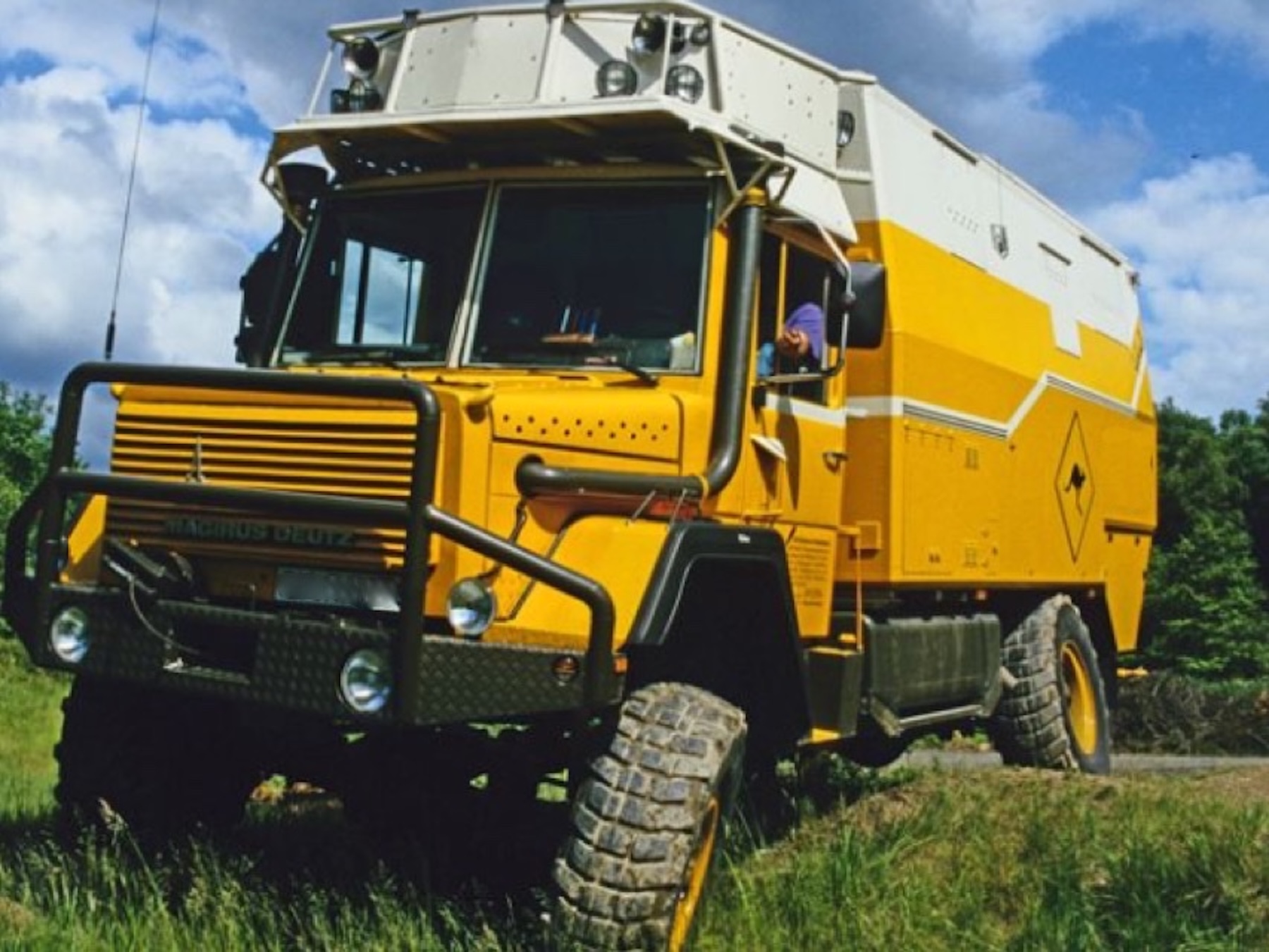
- 1993: Joined my second partner’s company and built the Magirus expedition truck
- 1997–2012: Yellow Magirus Deutz 170D as a living and travel vehicle in the Sahara and in Europe
- 2002–2003: Second overland trip through Africa in a gray Magirus Deutz 170D
- 2003–2004: Overland trip through Africa in a white Toyota HJ60
- 2004–2005: Australia in a Toyota HJ47 bush ambulance
- 2005–2008: Overland trip through Africa in a white Toyota HJ60
- 2008–2009: Australia in a Toyota HJ47 “Bushambulance”
- 2009–2010: Overland trip through Africa in a white Toyota HJ60
- 2010–2012: Overland trip through Africa in an orange Toyota HJ60 with a roof rack
- Since 2012, I’ve been traveling alone following my breakup
- 2012–2013: VW bus
- 2013–2020: Hymer motorhome in Germany and Europe
- 2016–2020: Toyota HJ60 (orange) as a woman traveling alone in Africa
- 2021–present (through 2027): Toyota HJ60 (orange) as a woman traveling alone in Africa
The Albino Project in Uganda
Is there a project, a person, or an initiative that has become particularly close to your heart while traveling? Or something we should definitely share with the OLLI community?
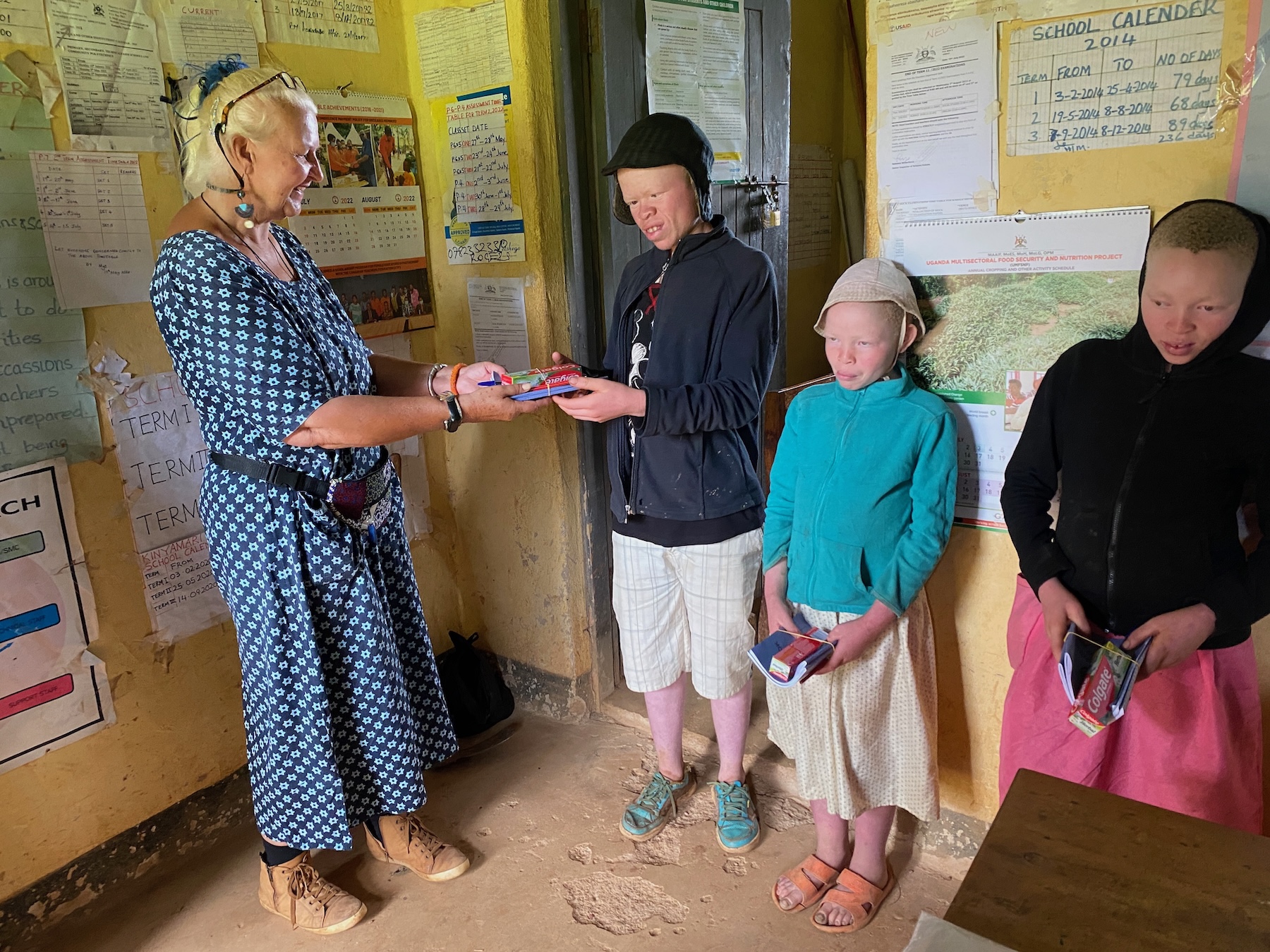
While I was traveling in Uganda, one project in particular caught my attention. A local teacher who specifically cares for people with albinism. He built his project entirely on his own, without any outside help from a foreign development organization. The project aims to enable albino children in particular to attend school and receive an education, to provide adult albinos with a means of supporting themselves, and to grant albinos suffering from skin cancer access to medical care.
Until then, I hadn’t fully realized the unique hardships that people with albinism face in Africa, particularly due to superstitions and beliefs in witchcraft. Albinism is disproportionately prevalent in Africa due to a specific African genetic defect.
People with albinism are often cast out as the spawn of a white demon, and their body parts are traded by sorcerers and indigenous healers. As a result, babies and children are abducted and often killed—even by their own fathers or mothers. It is important to note that the albinism gene can only be passed on if both parents carry it, although in African patriarchal societies, mothers are usually blamed for the child’s condition. Albinism is often accompanied by an eye condition, meaning that these children not only need protection from abduction on their way to school but also require special accommodations at school due to their impaired vision. Yet they are usually highly intelligent and very ambitious. Their susceptibility to skin cancer severely limits their activities under the African sun, and they are usually unaware of this vulnerability and could not possibly afford expensive sunscreens as a “special treatment.”
Michael’s long-held dream of founding a special boarding school for albinos from all over Uganda was thwarted by the COVID-19 pandemic, but today, in addition to a small market stall run by his wife, he has founded a safari company to generate the funds needed to maintain a boarding school. Slowly but surely, he is getting closer to his goal, and I’m happy to support him by raising awareness on social media. Whether that means asking travelers to Uganda to donate long-sleeved clothing and hats, or bringing ingredients to Uganda—which aren’t available there—so he can make the necessary sunscreen cheaply right in Uganda.
Follow Lilli on: