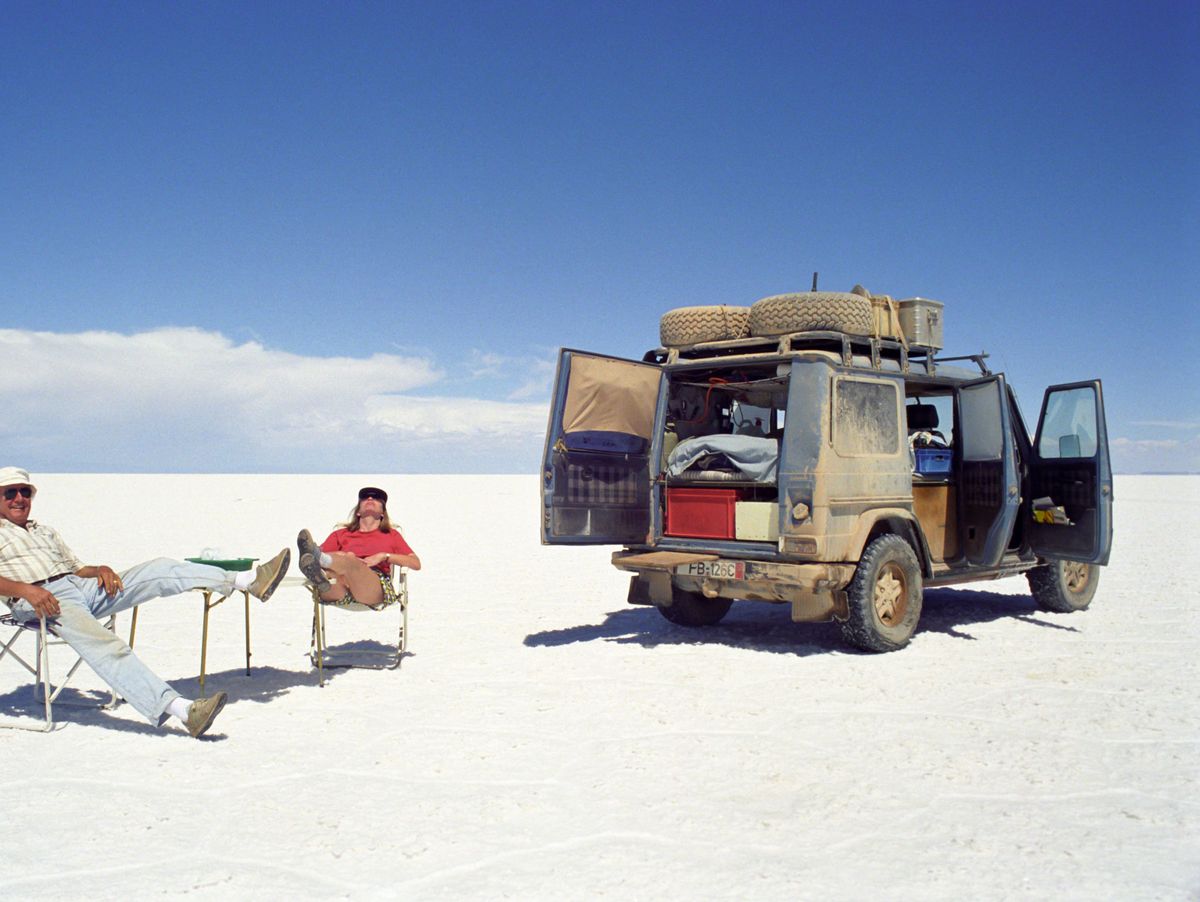
26 years of traveling the world with Otto in the Mercedes G-Class through 215 countries
Gunther Holtorf drove his Mercedes 300 GD almost 900,000 kilometers through 215 countries, making his G-Class "Otto" probably the most famous overlanding vehicle in the world.
There are vehicles that age. And there are vehicles that eventually become contemporary witnesses. Gunther Holtorf's blue Mercedes-Benz G-Class belongs to the latter category. Because Otto was never just a car. Otto was a home, a tool, a shelter, a pack mule, a place to sleep and a traveling companion on one of the most extraordinary journeys around the world in automotive history.
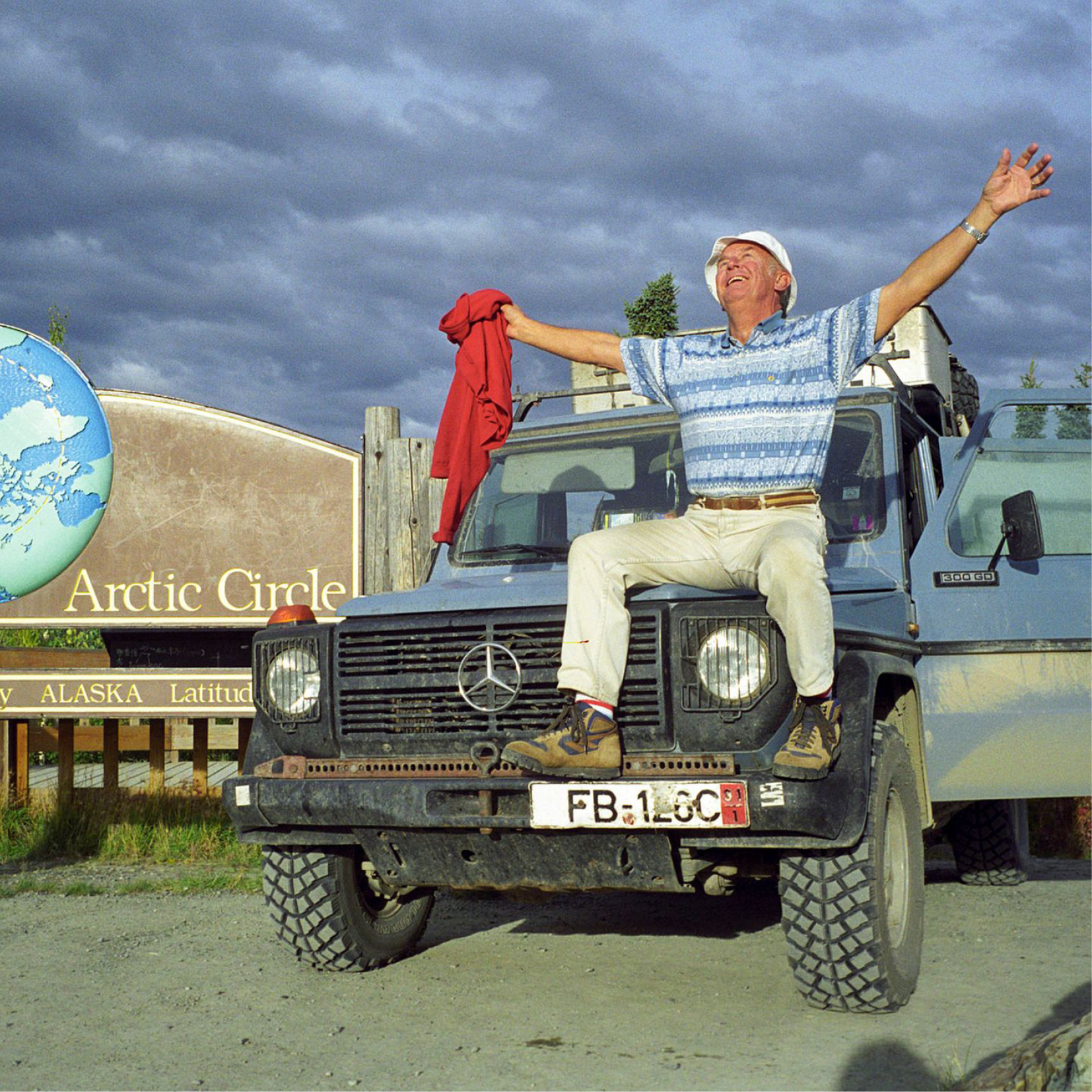
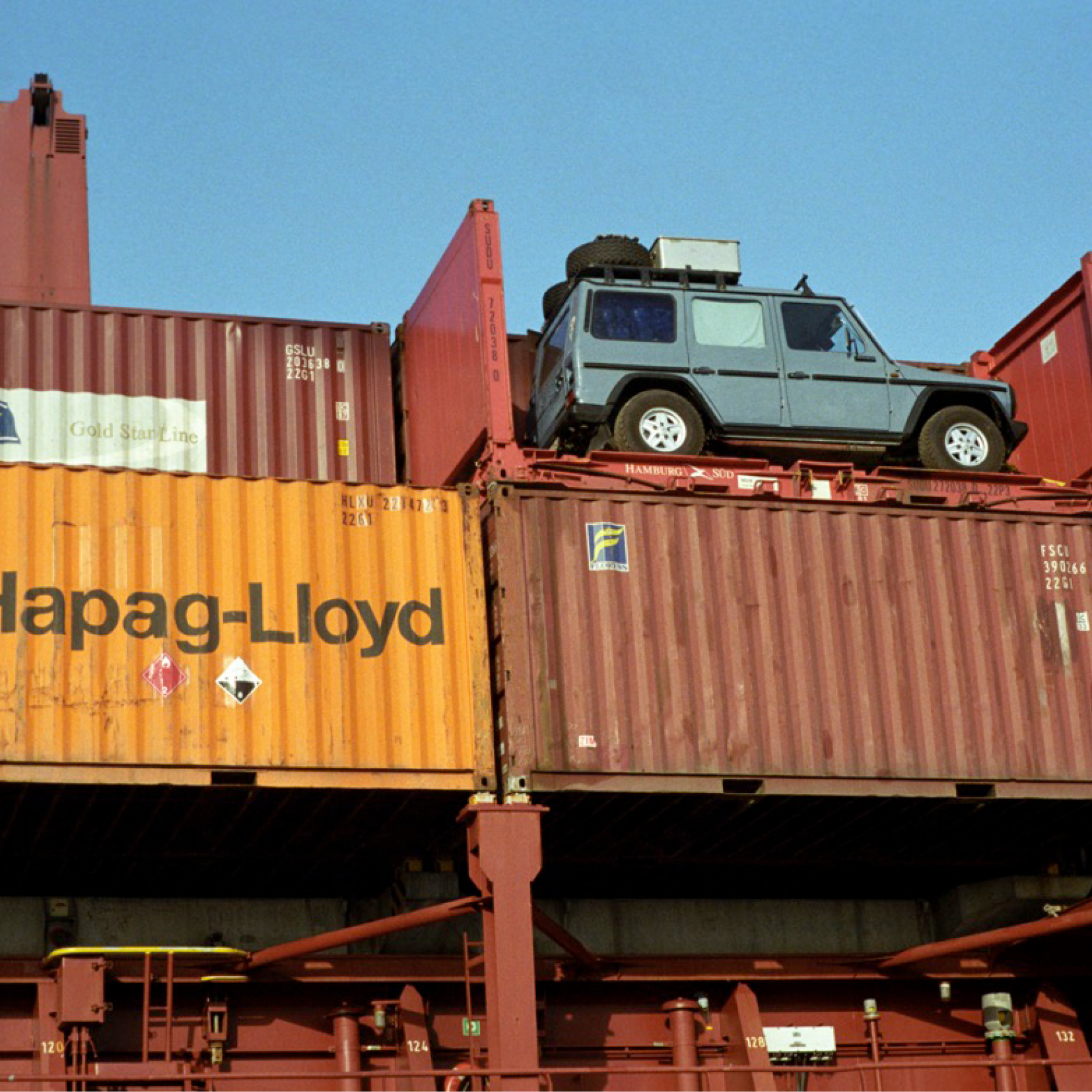
When Gunther Holtorf bought his Mercedes-Benz 300 GD in 1988, nobody could have guessed that it would one day become a 26-year journey through 215 countries. Originally, only a longer trip to Africa was planned. But months turned into years, years into decades and a robust off-road vehicle into a worldwide legend of the overlanding and expedition scene.
How Gunther Holtorf and Otto became overlanding legends
Gunther Holtorf was no influencer, no adventurer looking for sponsors and no man who wanted to travel to sell stories. The former Lufthansa manager had spent decades looking down on roads, mountain passes, deserts and remote regions from airplanes and at some point decided to stop looking at the world from above and instead travel through it slowly.
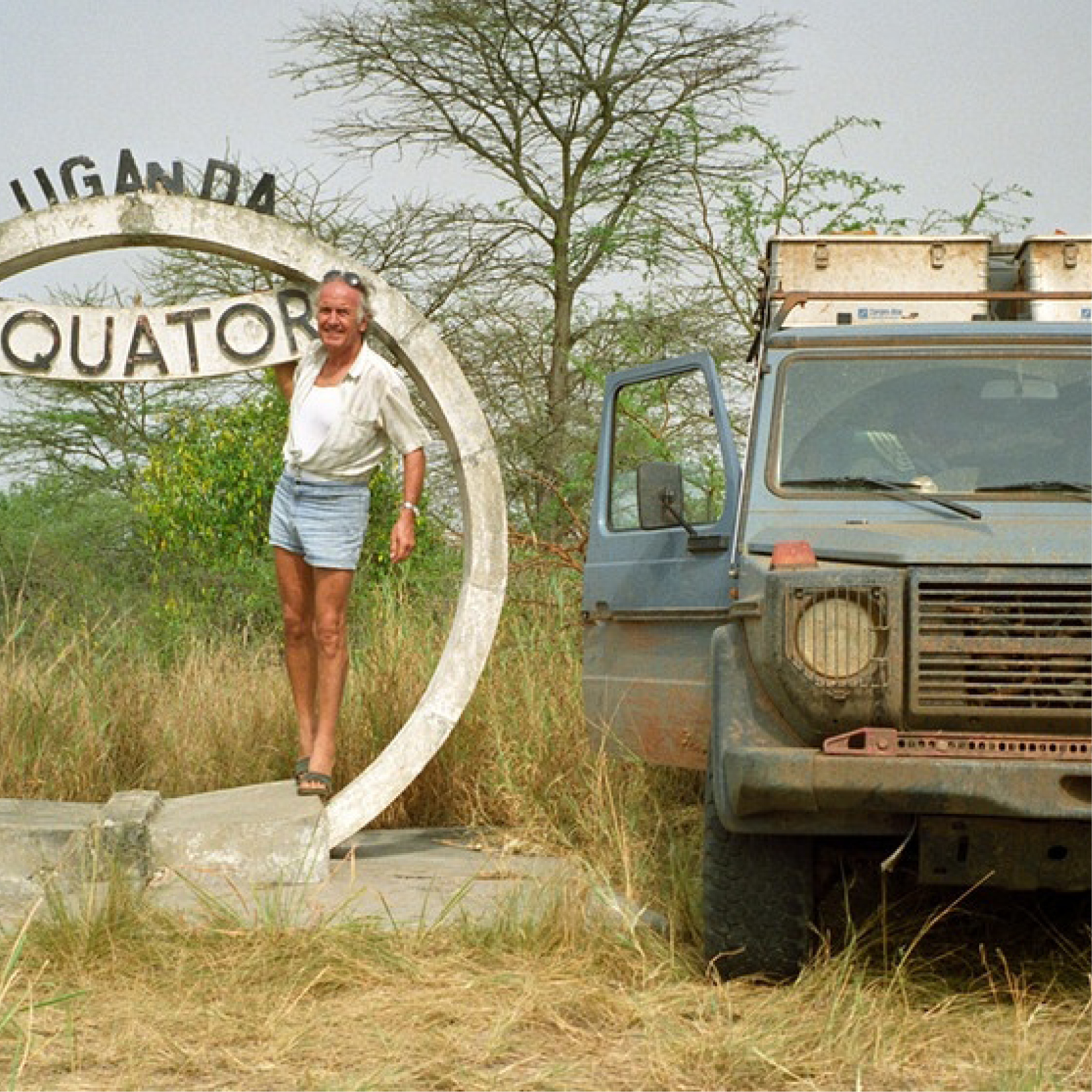
In 1990, he met Christine, who shortly afterwards became their travel companion. Together they set off for Africa again. The plan was simple: spend as little time as possible in cities and instead live outdoors, meet people and experience landscapes. Hotels hardly played a role. They slept in Otto or in hammocks, cooked on a small gas stove at the back of the vehicle and shopped at local markets.
For Holtorf, traveling never meant crossing as many borders as possible. For him, a country was only considered traveled when you had spent time there, got to know the people and understood how life actually works on the ground. It is precisely this attitude that makes Otto's story so extraordinary to this day, because it is not about speed, but about depth.

Why the old Mercedes G-Class was almost indestructible
During this trip, the old Mercedes 300 GD became rolling proof of why the early G-Class is still considered an icon among expedition vehicles today. Otto was mechanical, robust and comparatively simple. No sensitive electronics, no complex control units and no systems that could suddenly stop working somewhere between the Sahara and the Himalayas.
Holtorf later said that Otto consisted mainly of nuts, bolts and mechanics. That was precisely his greatest advantage. If something broke along the way, you could usually understand it - and often repair it yourself.
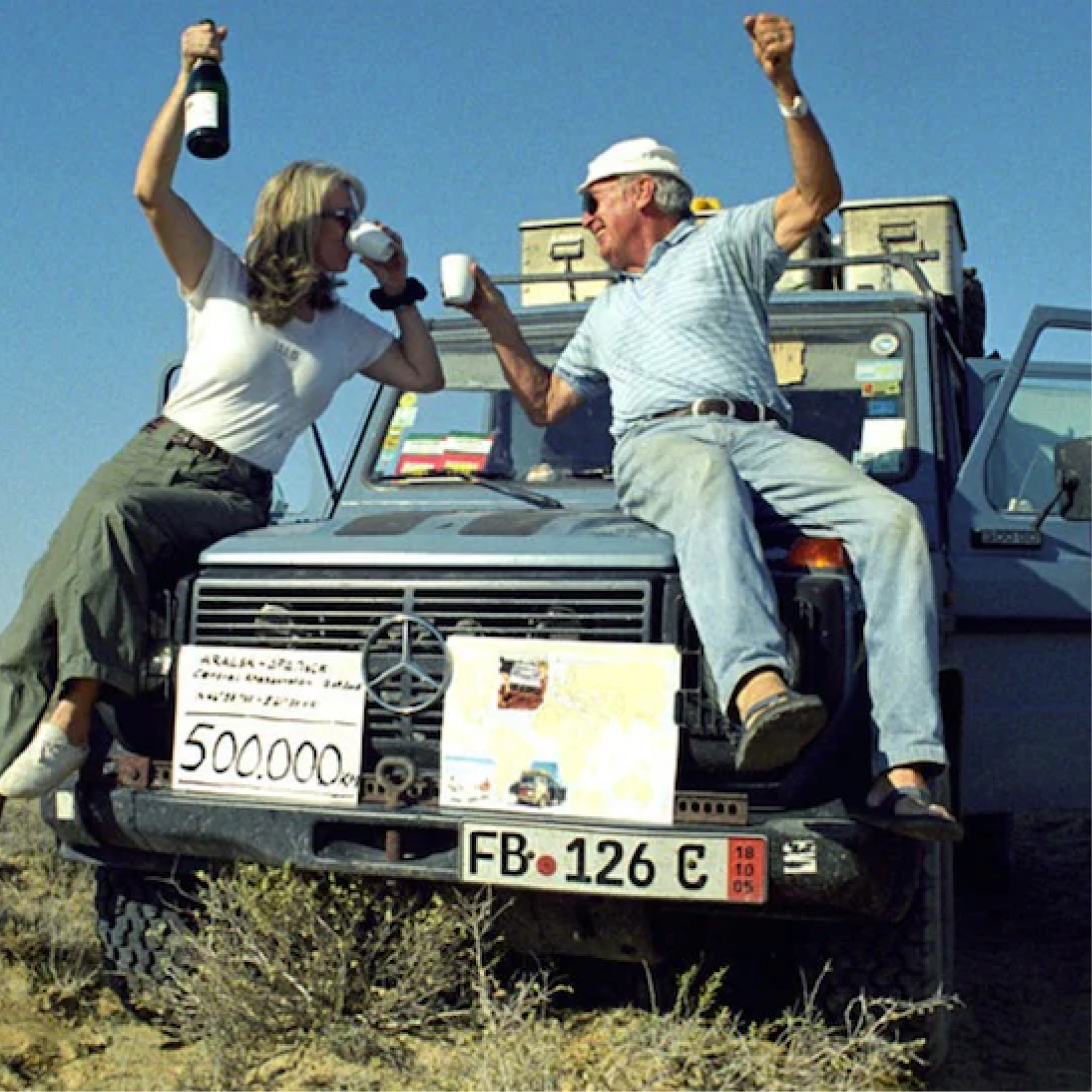
For decades, Otto transported tools, spare parts, water, food, spare tires, fuel and the entire travel life of its owners. Fully loaded, the G-Class sometimes weighed in at around 3.3 tons, far exceeding what was originally intended. Despite this, the engine, gearbox and large parts of the drivetrain remained original to the end.
Holtorf never treated his Mercedes like a prestige object. He rarely drove faster than 80 km/h, let air out of the tires, filtered bad diesel and listened carefully for any unusual noise. This mixture of caution, mechanical understanding and patience probably explains more about Otto's legendary durability than any technical analysis.
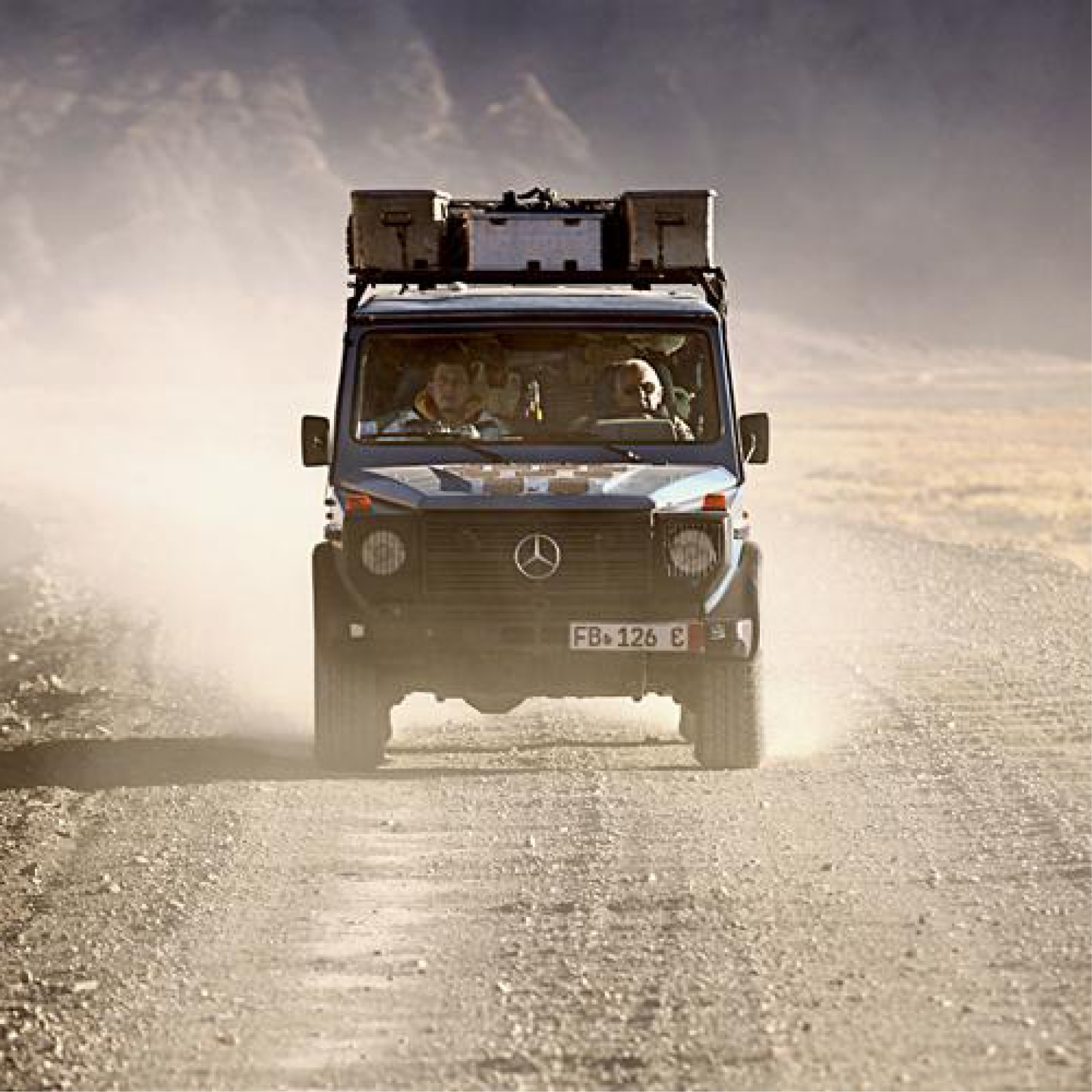
Through the Sahara, Andes and jungle with the Mercedes 300 GD
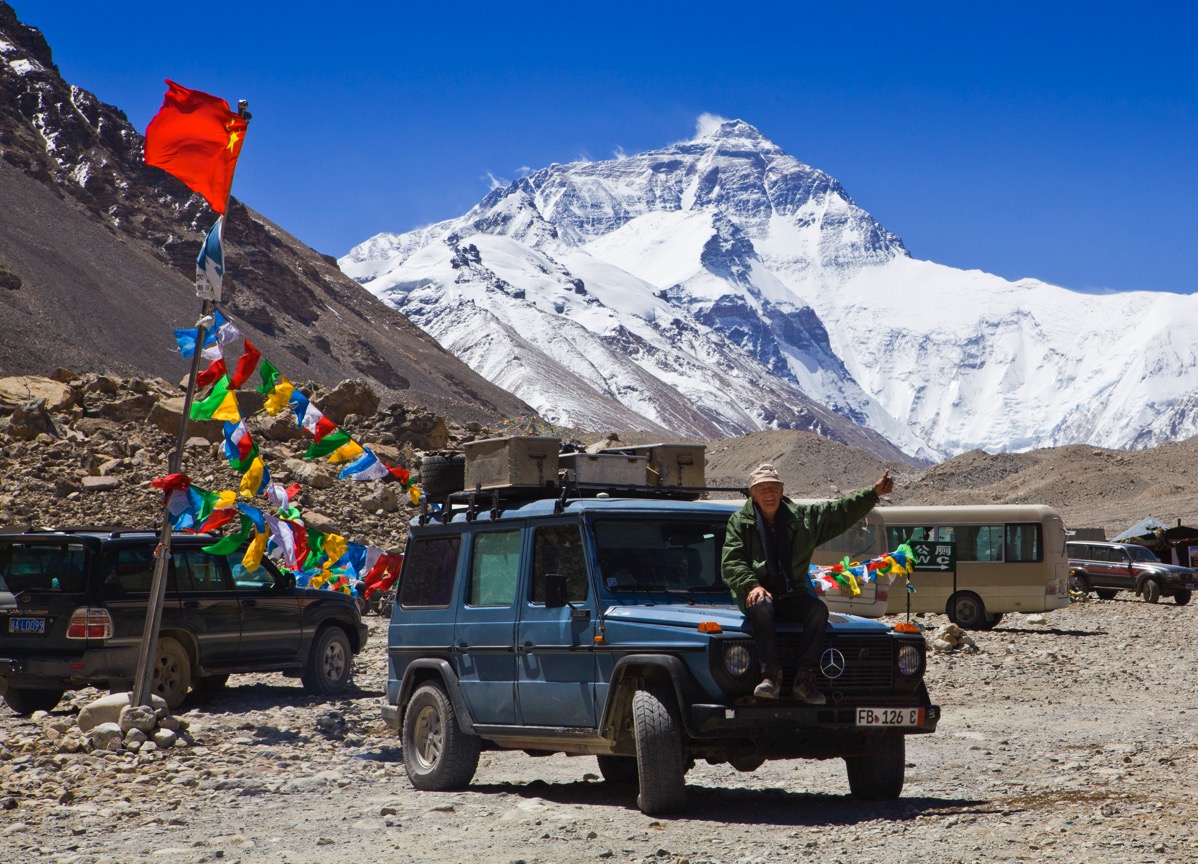
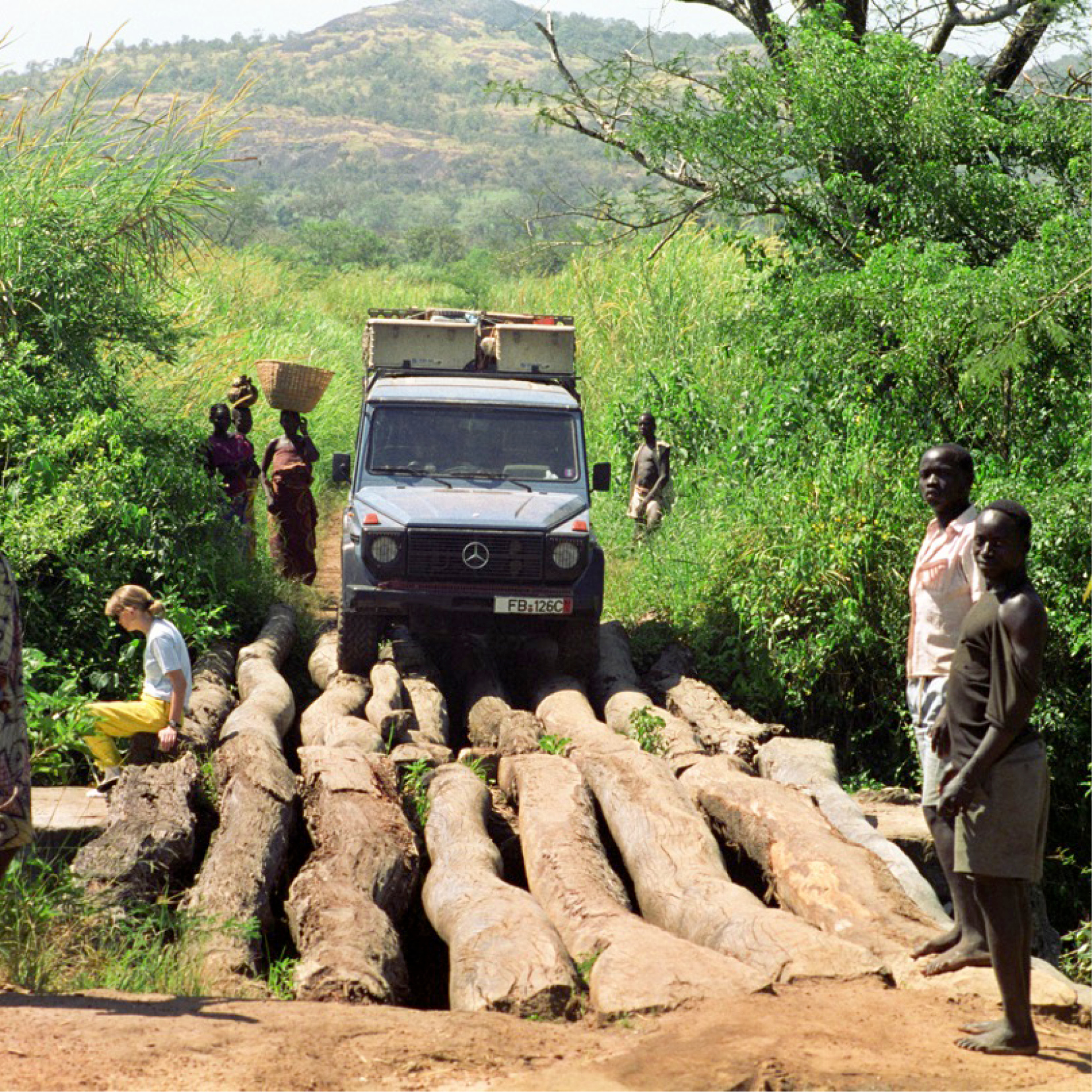
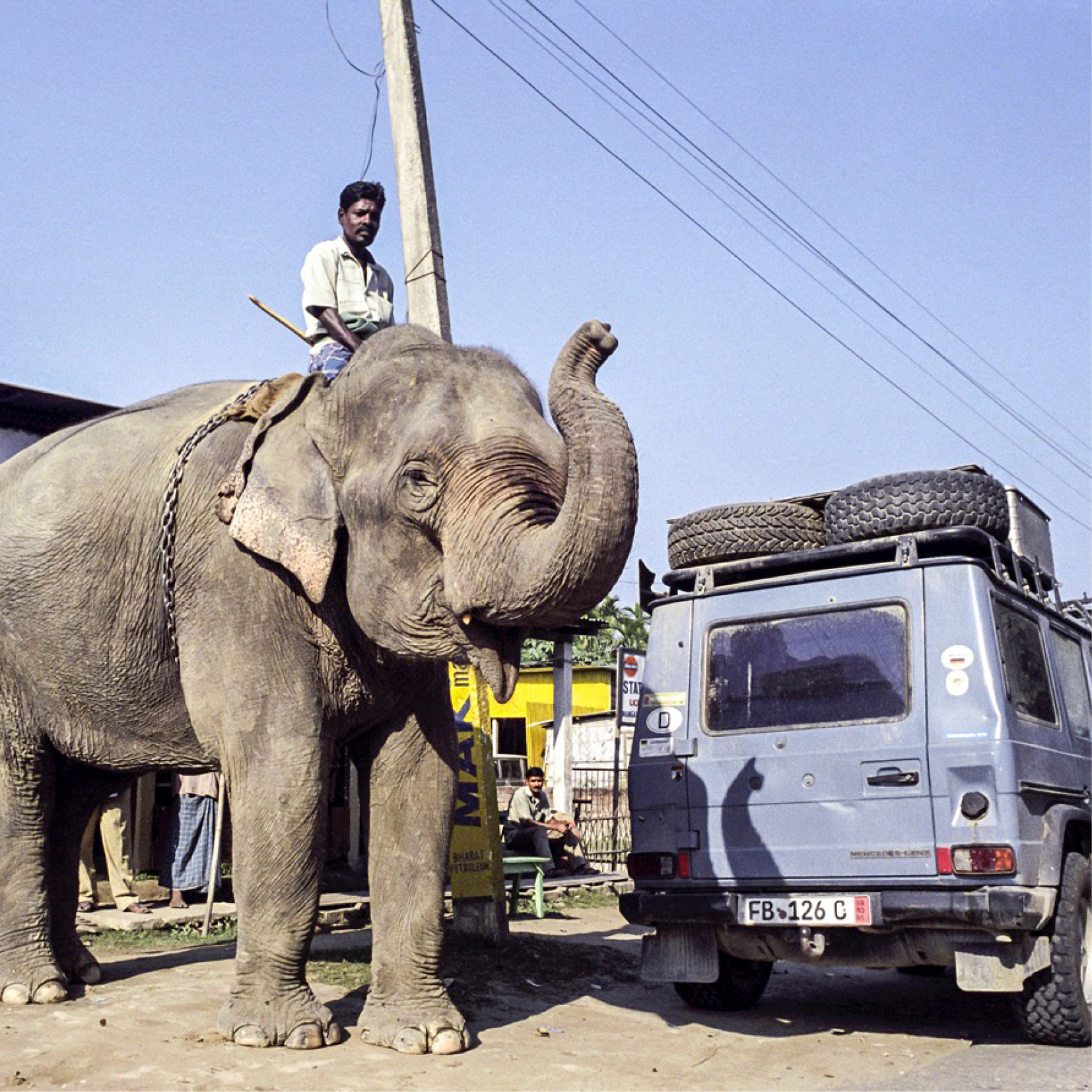
Otto crossed the Sahara, battled his way through the muddy tracks of Guyana, traversed high mountains in South America and reached regions that seemed almost inaccessible to individual travelers at the time. Gunther and Christine Holtorf traveled to Afghanistan, North Korea, Myanmar, Central Africa, Tibet and remote regions of China - often with months of preparation and countless permits.
The Sahara in particular remained a place of almost spiritual significance for Holtorf. He described the complete silence of the desert as something that could hardly be explained. At night, Gunther and Christine would listen to Beethoven, Brahms or Schubert on Otto's cassette deck under the starry sky, while all around them there was nothing but darkness and desert for hundreds of kilometers.
There were also moments when the journey became dangerous. Hyenas crept around the hammock at night. Armed men stopped the travelers in border regions of East Africa. Malaria, injuries and bad roads accompanied the expedition for decades. Despite this, Otto remained surprisingly reliable and always took his crew further.
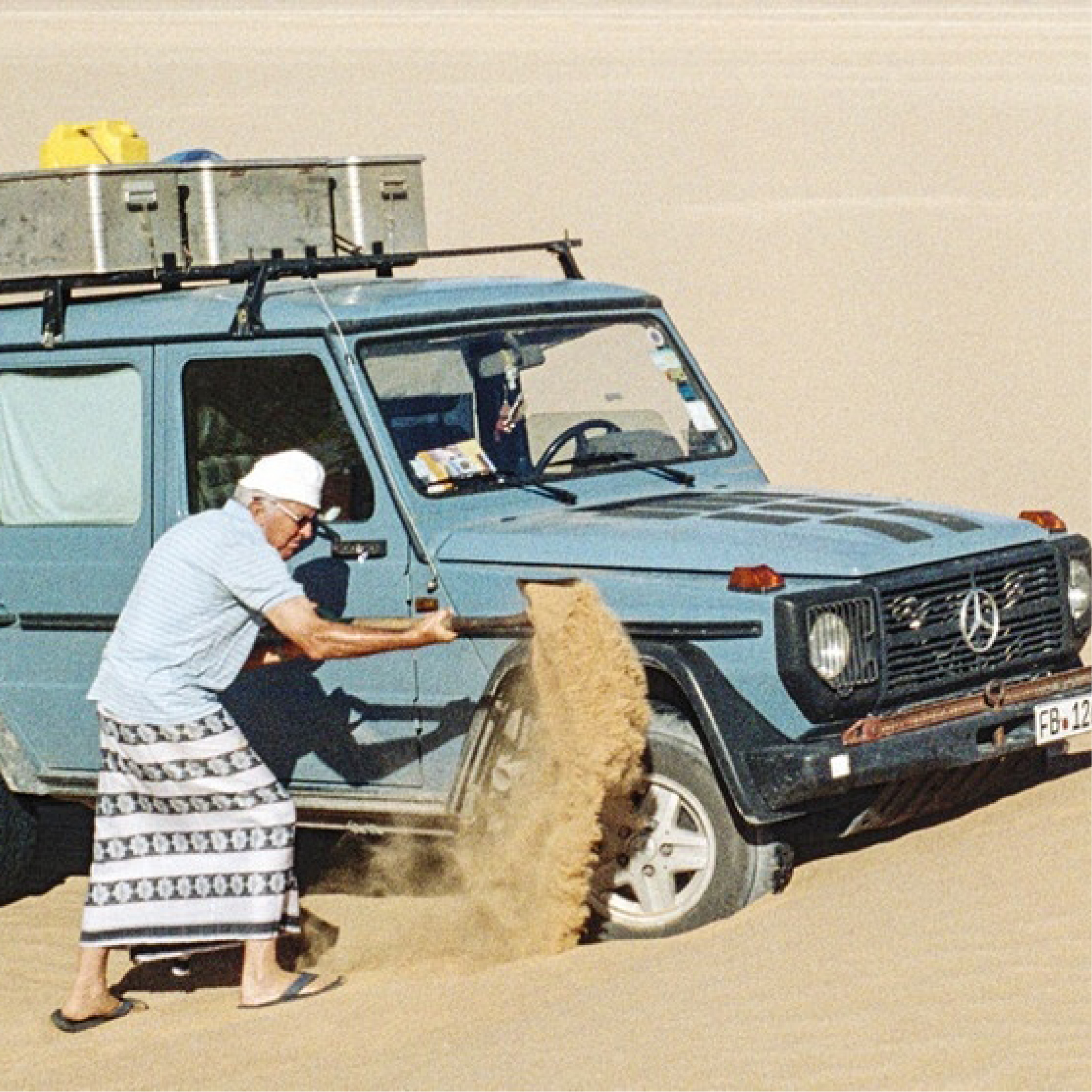

North Korea, China and the world's most complicated borders
The longer the journey took, the greater the desire to actually travel to as many countries in the world as possible. This eventually led Gunther Holtorf to borders that hardly anyone could cross in a private vehicle at the time.
China and North Korea were particularly complicated. For China, permits had to be organized for numerous provinces, and official escort vehicles were also required. The journey took us as far as Tibet and Everest Base Camp.
Entering North Korea was even more absurd. Months of diplomatic negotiations were necessary for Otto to obtain a temporary entry permit at all. In Pyongyang, the police had pictures of the vehicle, roadblocks were opened and the entire route was precisely mapped out.
Stories like this show just how extraordinary this trip around the world really was. Otto not only drove around the world. Otto reached places that were practically inaccessible to travelers with their own vehicle at the time.
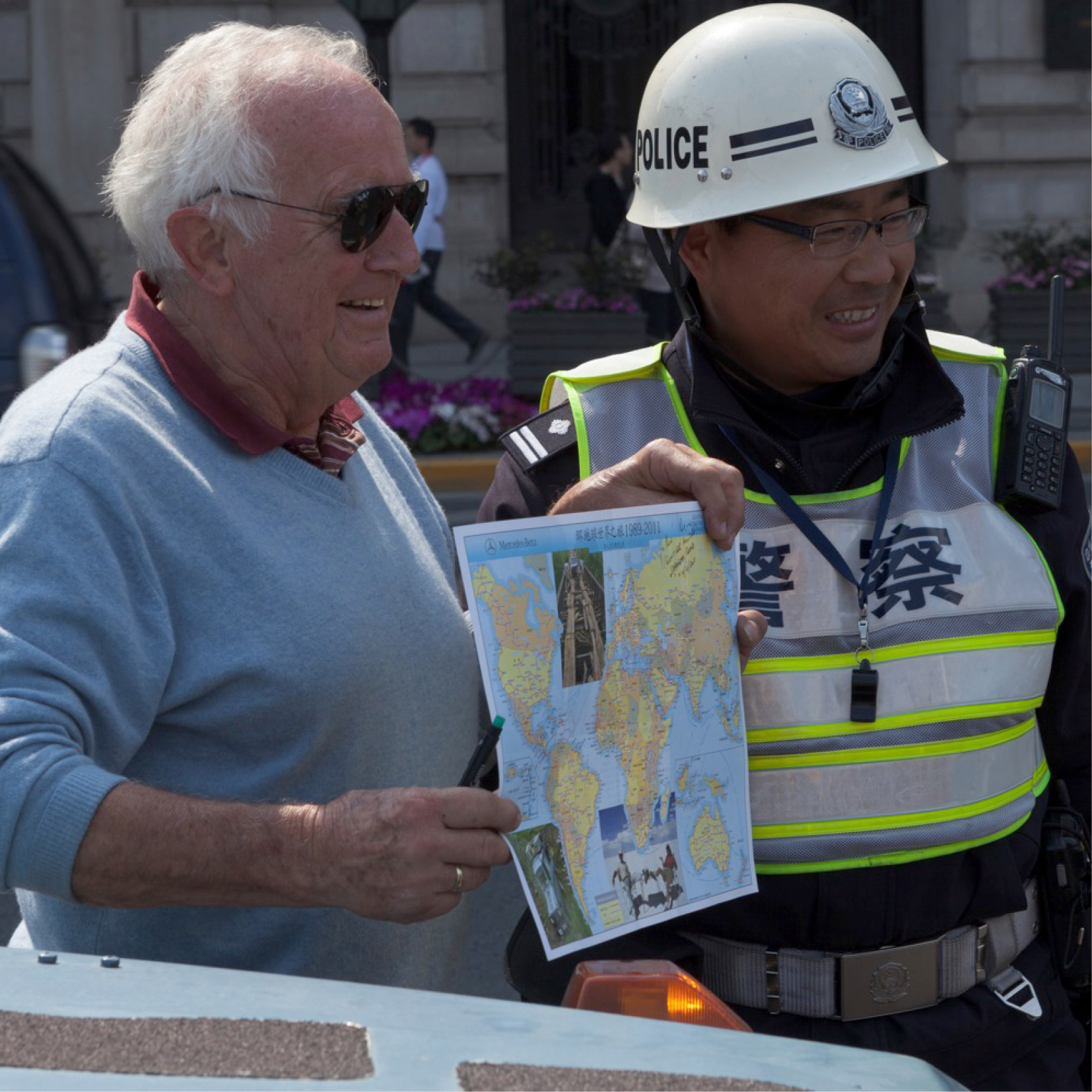
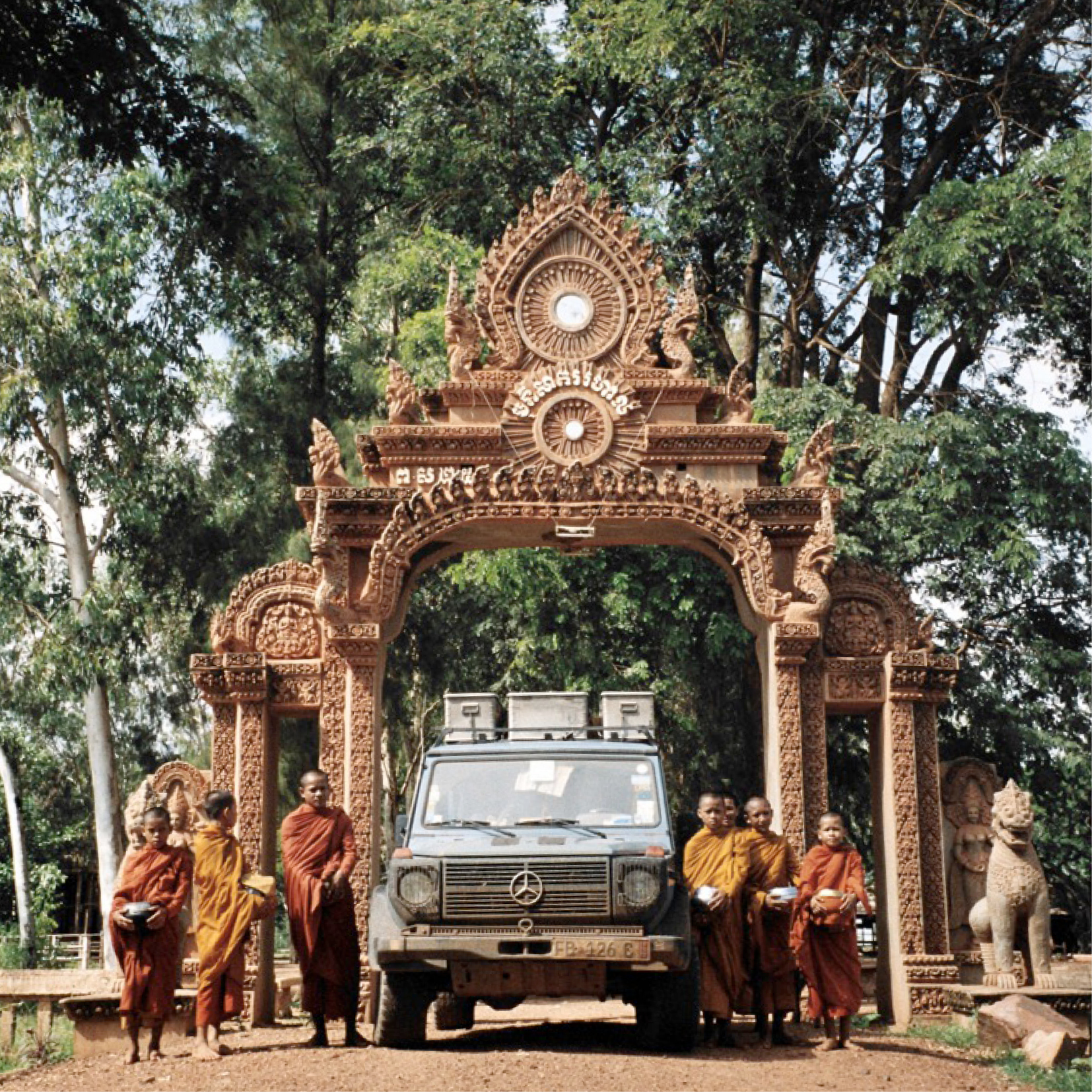
How Otto drove on anyway after a rollover in Madagascar
After 26 years on the road, what many had long expected finally happened in Madagascar. Otto slowly slid off the road on soft ground, overturned and came to rest on his side.
It was the first really serious accident of the entire trip. Gunther Holtorf was able to free himself from the vehicle unharmed. The next morning, Otto was recovered, put back on its wheels and checked. Holtorf then turned the ignition key. The engine started immediately.
Although the bodywork was damaged, the chassis, engine and technology continued to function. Otto was later given a new body, while the chassis, engine, interior and large parts of the vehicle remained original.
Hardly any episode describes the robustness of the old G-Class better than this moment somewhere on a remote road in Madagascar.

Christine Holtorf and the promise to keep going
In 2003, Christine Holtorf was initially diagnosed with a benign tumor. It later turned out that the disease was life-threatening. Nevertheless, she insisted that the journey together should continue.
Even when she was no longer able to travel regularly, she wanted Gunther to end the trip at some point. They married shortly before her death. Christine died in 2010.
The fact that Gunther Holtorf continued his journey afterwards had nothing to do with escape. Rather, it was the continuation of a joint life's work that the two had built up over decades.
The death of Gunther Holtorf (* 4 July 1937 in Göttingen; † 4 October 2021) marked the end not only of the life of an extraordinary traveler, but also of one of the last truly great analog adventures of our time.
Why Otto is still a symbol of true overlanding today
Today, Otto stands in the Mercedes-Benz Museum as a reminder of a time when traveling meant taking it slow, solving problems yourself and not having to constantly document the world.
Perhaps this is why Gunther Holtorf's story has a stronger impact today than ever before. Because it represents an alternative concept to the modern world of travel. No perfect social media backdrops, no drone shots from the desert and no daily self-promotion. Instead, dust, paper maps, improvisation, patience and a vehicle that worked because you understood it.
And perhaps that is precisely the greatest compliment to a car: that at some point it is no longer perceived as a machine, but as a genuine traveling companion.
Otto was never just a Mercedes G-Class.
Otto was a piece of world history on four wheels.
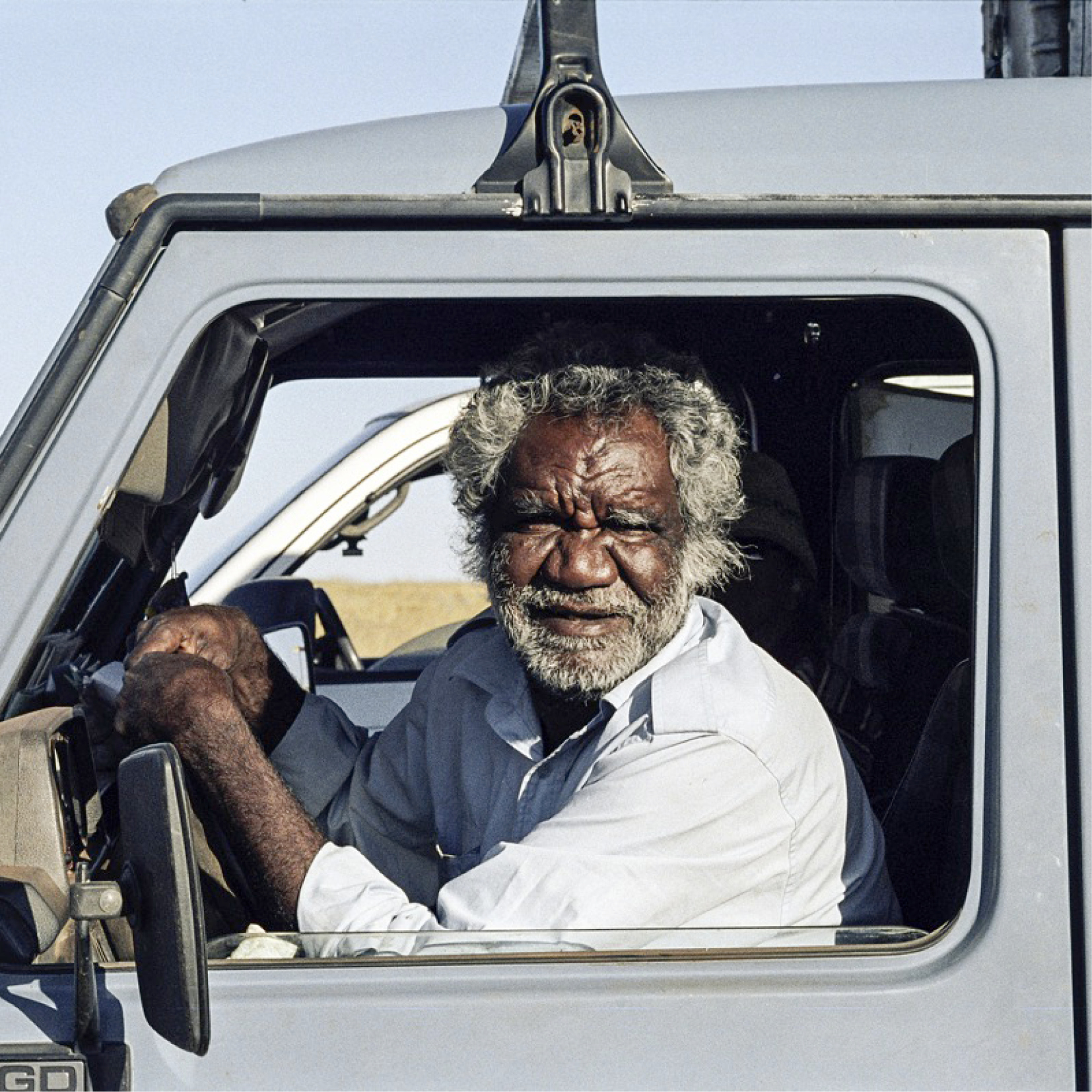
26 years of traveling the world with Otto in the Mercedes G Class
The detailed BBC long-form documentary is still one of the best reports on Gunther and Christine Holtorf's trip around the world. The article highlights not only the technical and logistical challenges of the expedition, but also the personal story behind Otto, the Mercedes G-Class and 26 years on the road.
Click here for the BBC report about Otto and the world trip.