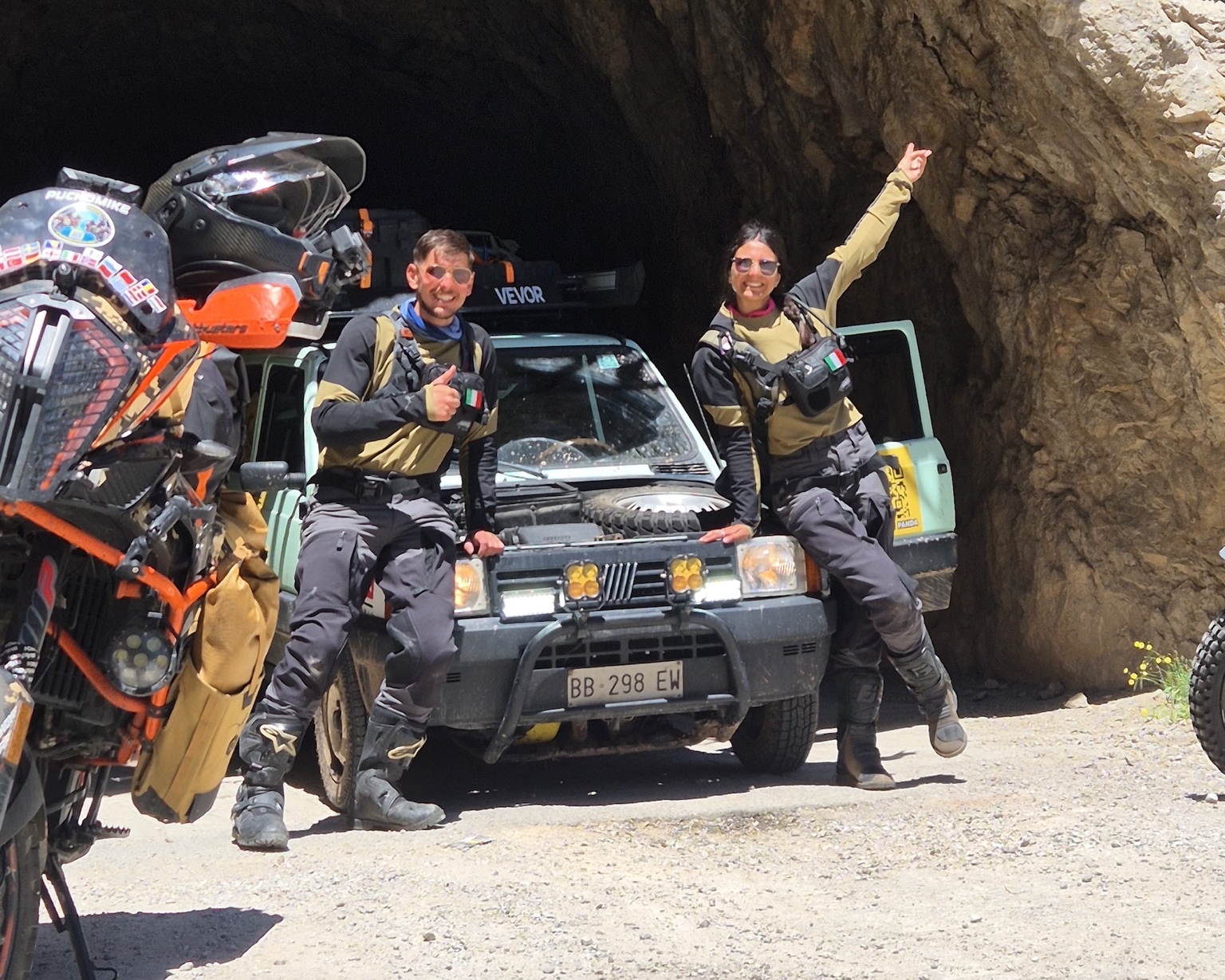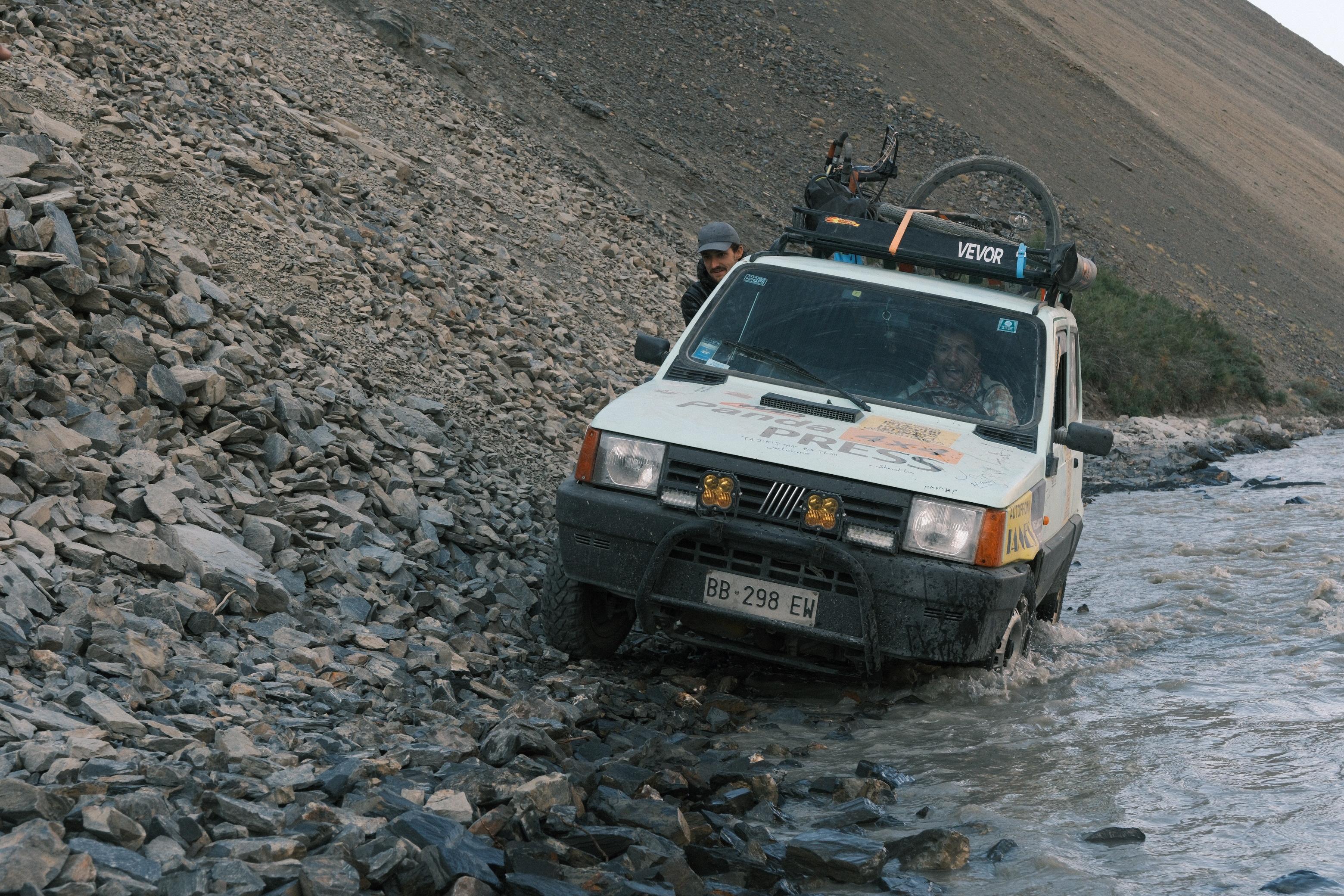
A 1998 Fiat Panda 4x4. Small, lightweight, restored by the owner—and not exactly the first vehicle that comes to mind for a trip through Central Asia and the Pamir Mountains. Still, Luca Orlandi set off in it. Alone. His Panda is named Pandanna, and his project is called the Panda Project. And quite a lot along the way is going according to Plan B.
OLLI Friends are people who get out there and do their own thing. We tell their stories—about being on the road, about arriving, and about everything that happens in between.
Tell me… Who are you—and what drives you?
My name is Luca Orlandi; I’m 28 years old and I’m from Brescia, Italy.
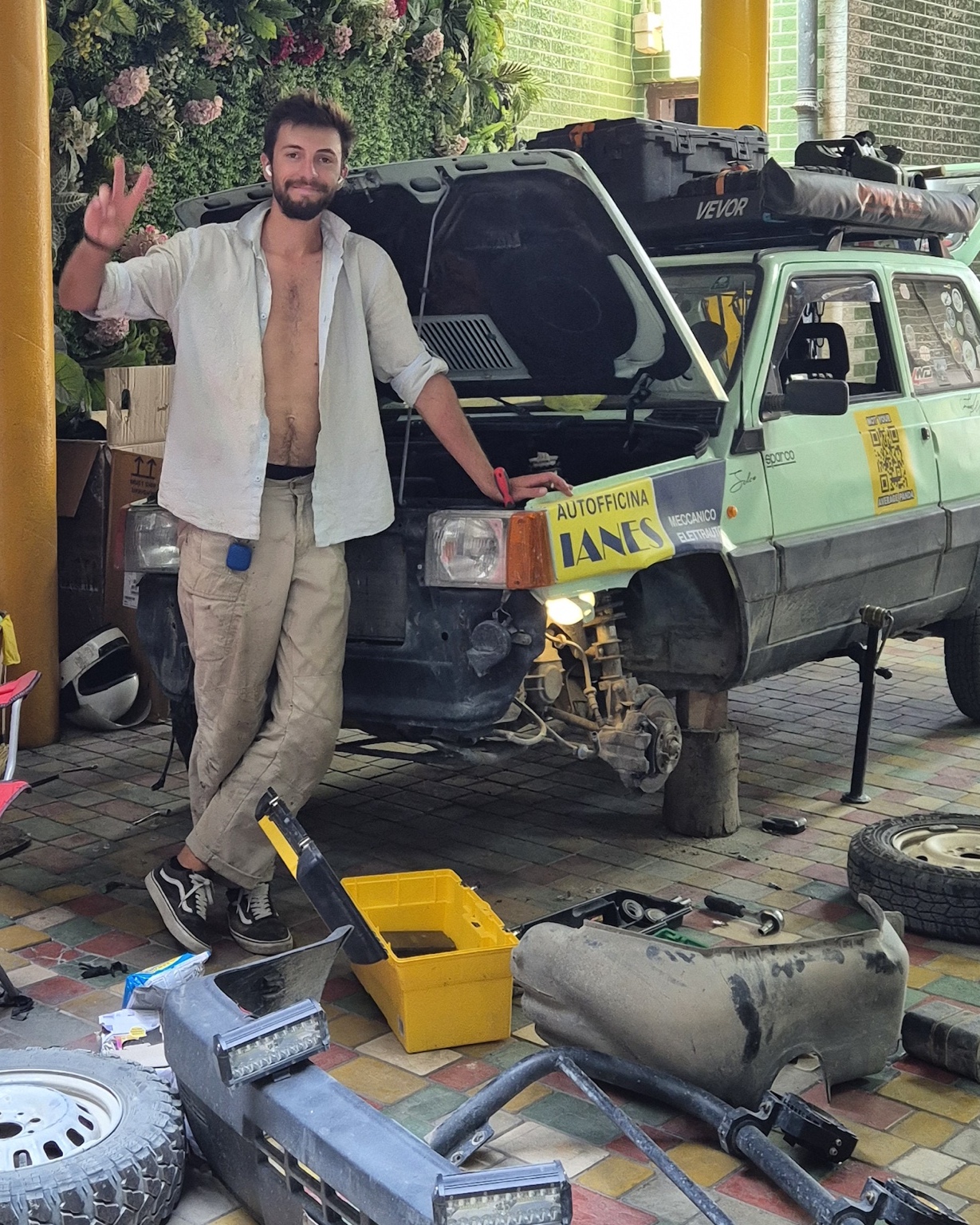
I’m a curious, probably somewhat restless person who’s always found it hard to stick to a life that feels like someone else has already written it for me. I need to understand things by trying them out, touching them, sometimes breaking them—and then finding a way to get them working again.
That’s how the Panda Project came about: from the need to build something real, to keep moving, to tell a story, and to find out what happens when you stop waiting for the perfect moment. Along the way, I became an improvised mechanic, an improvised developer, and, inevitably, a storyteller.
“I have to understand things by trying them out, touching them, sometimes breaking them—and then finding a way to get them working again.”
What does “One Life. Live It.” mean to you?
For me, it means not waiting for everything to be perfect before you start truly living something.
It doesn’t mean blindly throwing yourself into something or doing things without a purpose. It means accepting that you might never be completely ready. That you’ll never have all the money, all the security, or the perfect moment.
At some point, you have to decide: keep putting it off, or start with what you have.
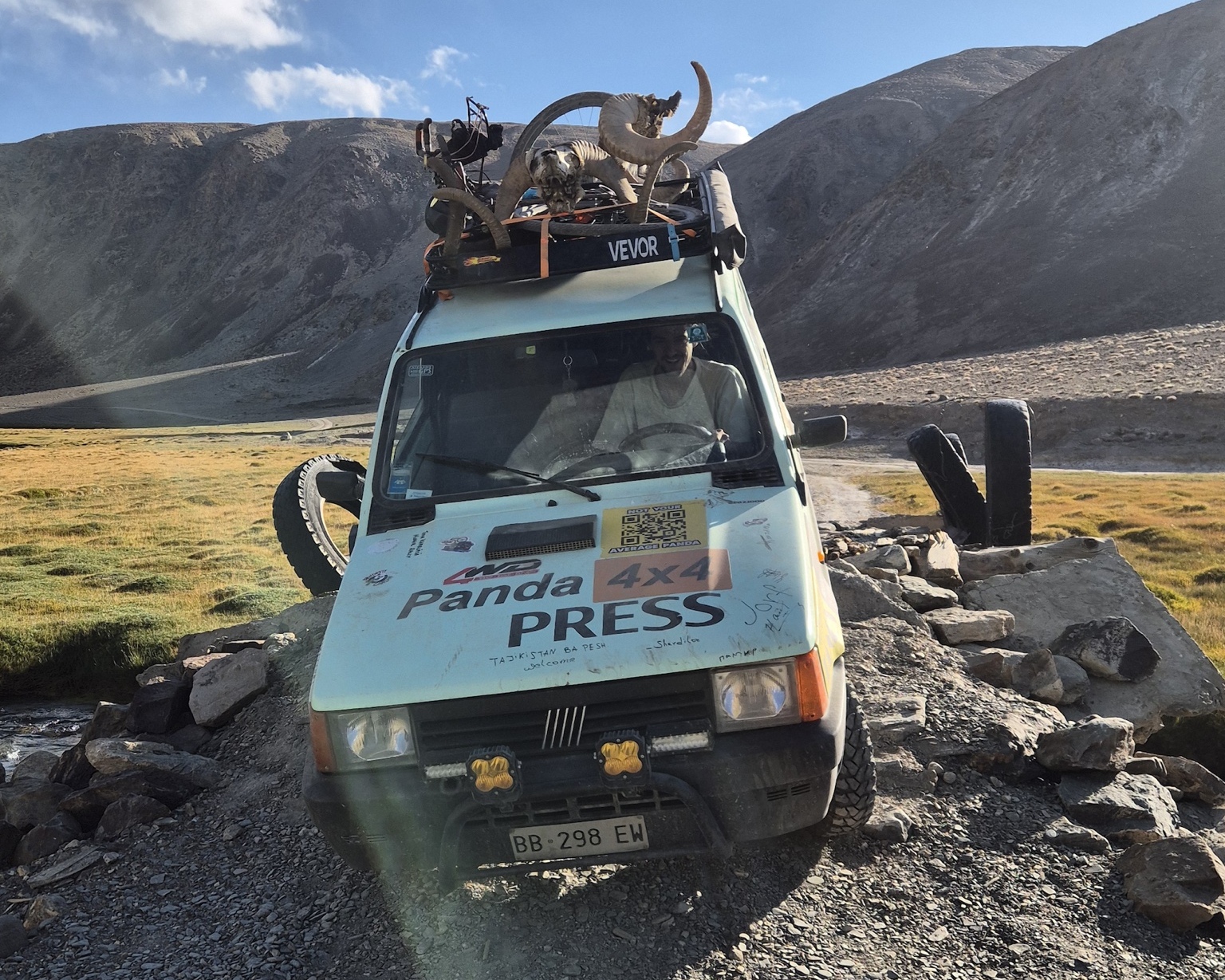
For me, that’s exactly what it was: taking an old Panda, building a project around it, hitting the road anyway—and figuring out along the way what might come of it. In the end, it turned into something much bigger than I’d expected. I crossed paths with projects and stories that were much bigger than myself.
“At some point, you have to decide: keep putting it off, or start with what you have.”
What kind of car do you drive—and why exactly that one?
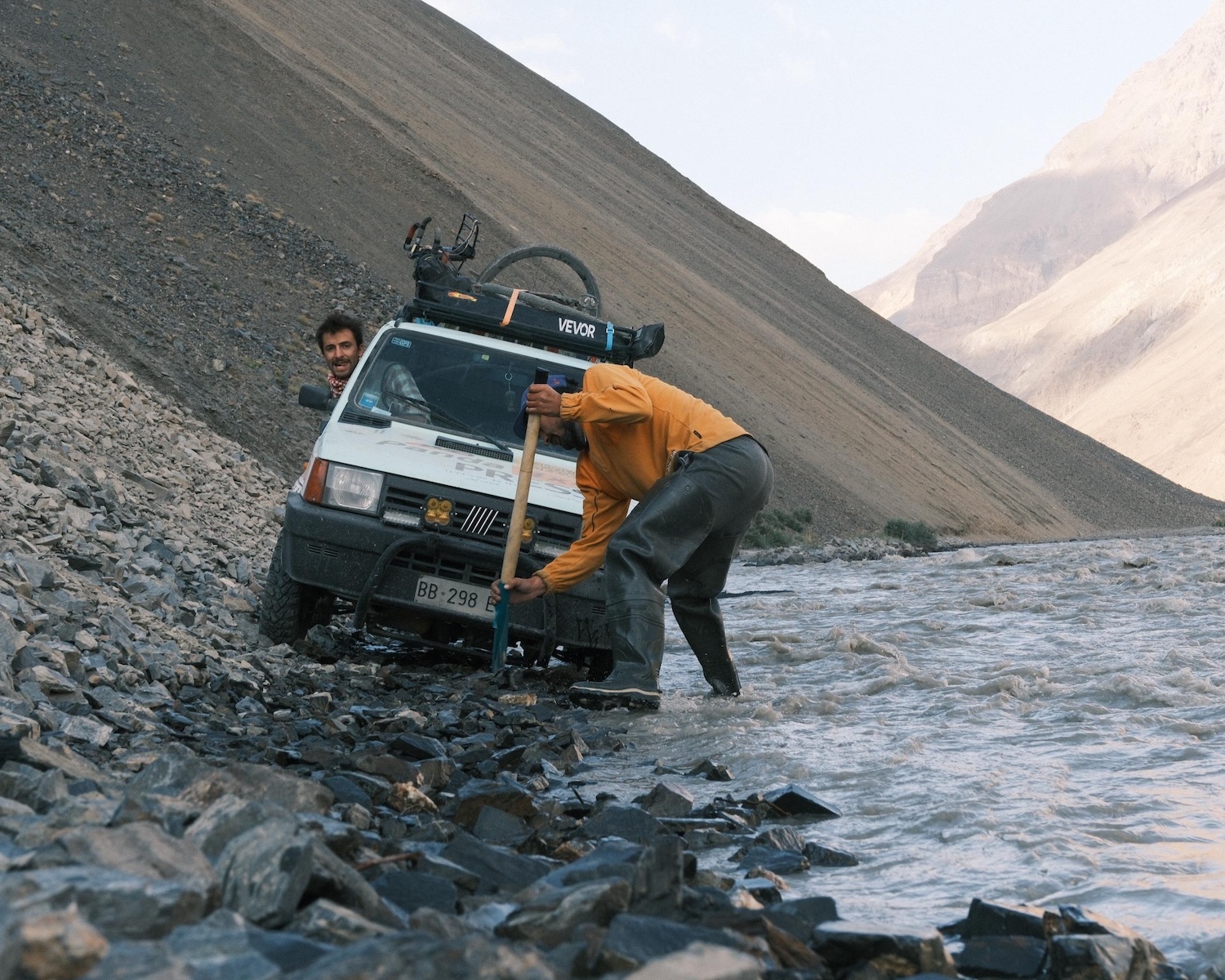
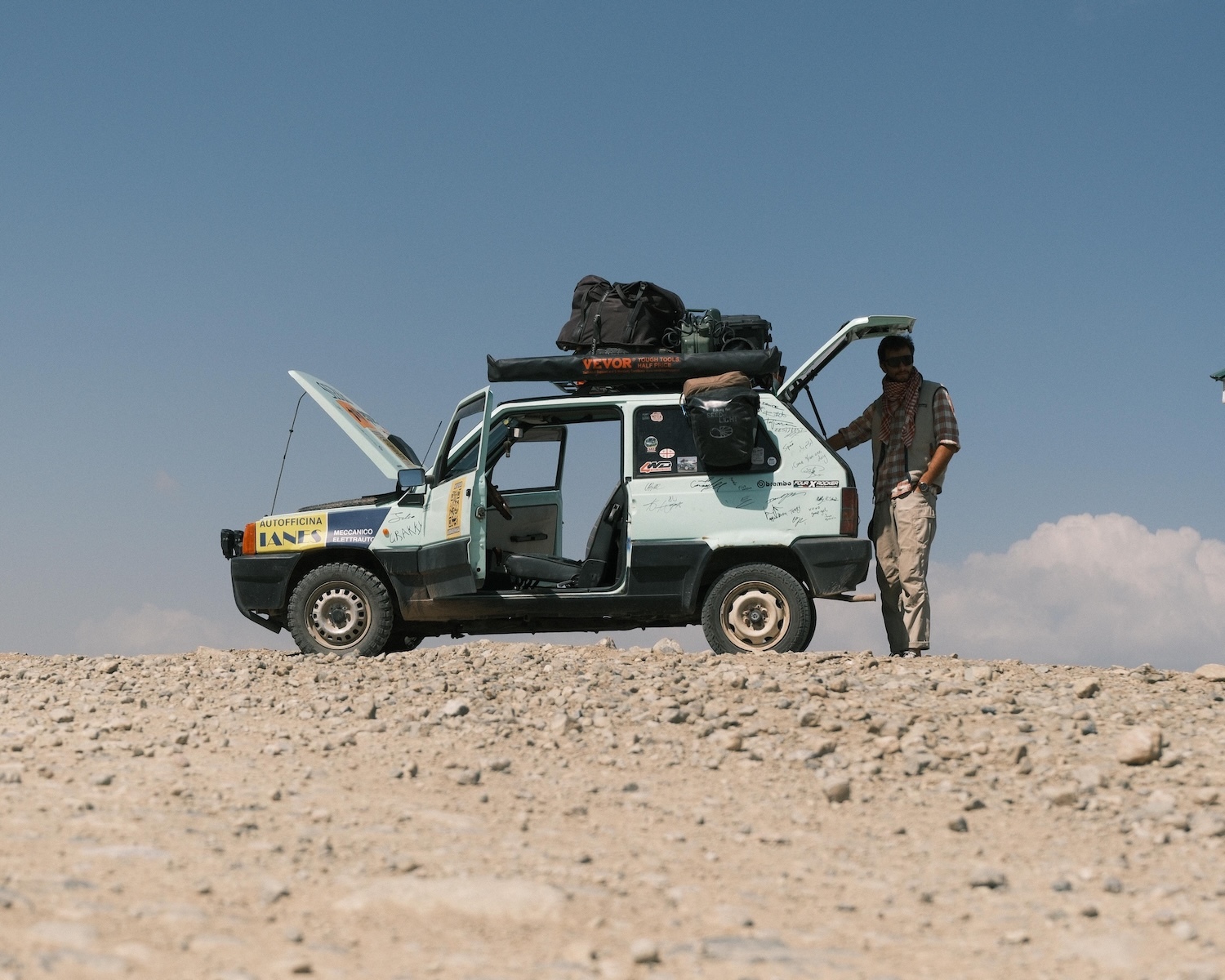
I’m traveling in a 1998 Fiat Panda 4x4 named Pandanna.
I chose it because it’s simple, small, light, and reliable. It’s not the perfect vehicle for a long overland trip—and that’s probably exactly why it turned out to be the right choice for me.
When I bought it, it was in very poor condition. I restored and prepared it almost entirely on my own, learning everything step by step along the way: the engine, transmission, bodywork, camping setup, roof rack, lighting, off-road tires, and all the little things that make life on the road possible.
Traveling in a car like this changes the whole experience. You can’t pretend everything is easy. You have to listen to it, take care of it, and accept its limitations. But that’s exactly what makes the story real.
It’s not just a vehicle. It’s become a travel companion, a little home, a workshop—and sometimes just the reason why people stop, smile, and strike up a conversation.
“It’s not the perfect vehicle for a long overland trip—and that’s probably exactly why it turned out to be the right one for me.”
What experience from your travels will you never forget?
It’s hard to pick just one moment, because this trip was full of experiences I’ll never forget.
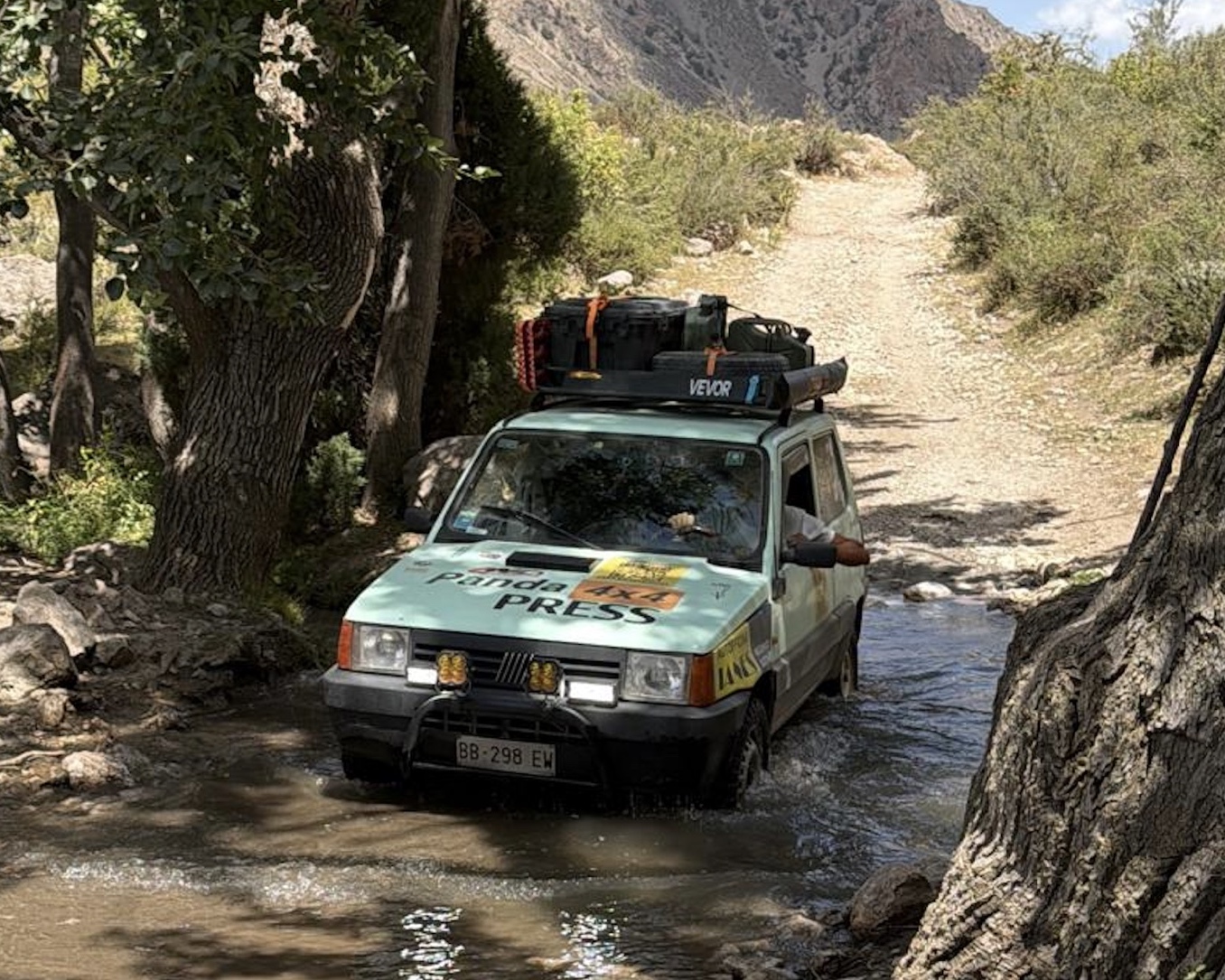
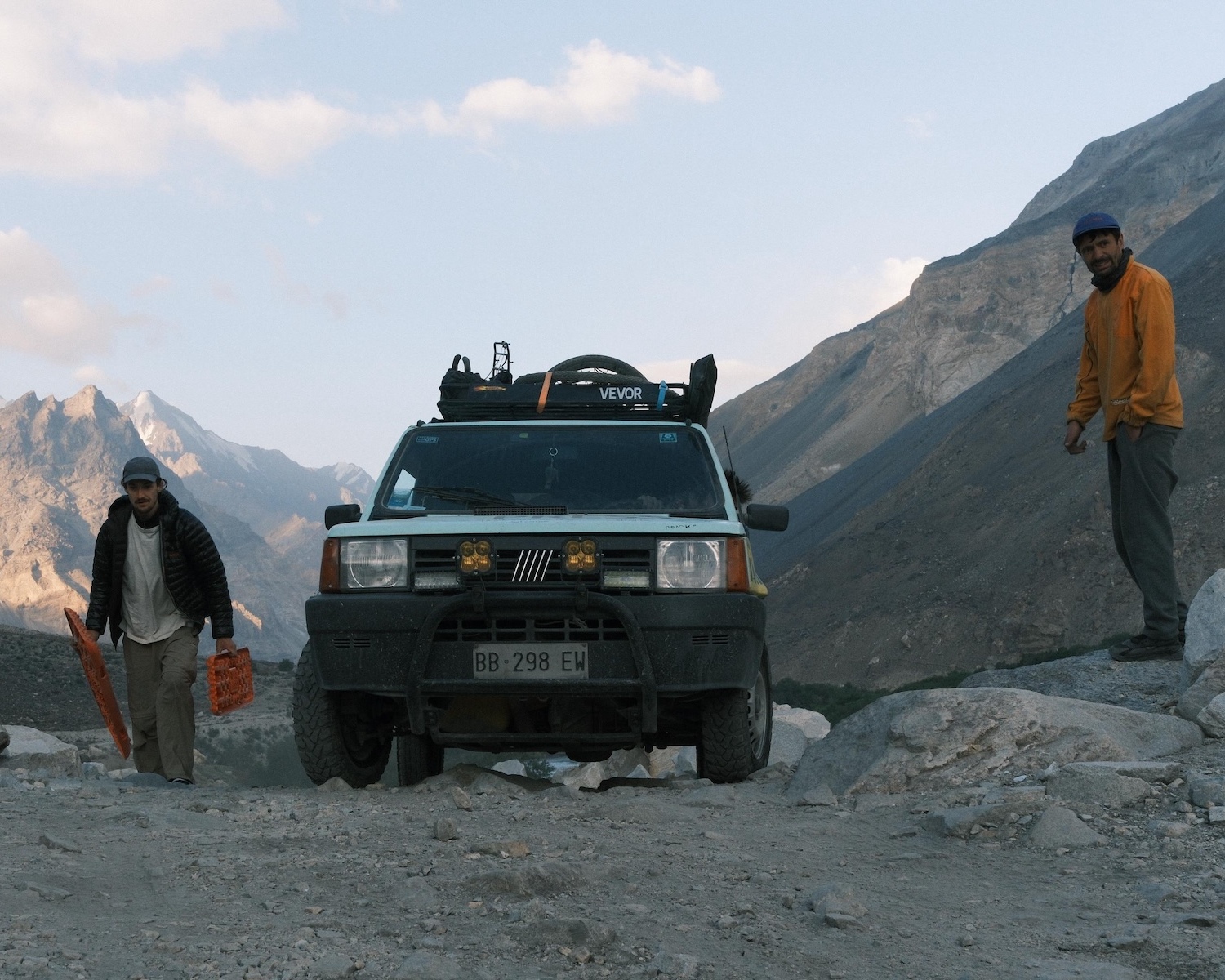
But if I really had to choose one, it would be one of the most difficult stretches I tackled in the Bartang Valley in the Pamir Mountains. It was a moment when I truly felt like I was staring death in the face for the third time in my life.
But this time, death didn’t come for me. I was the one who sought it out, provoked it, and skirted the edge.
It was intense, frightening, and profoundly real. One of those moments that stays with you because afterward you understand very clearly just how thin the line can be.
What has traveling taught you?
To adapt, to stay calm when something goes wrong, to ask for help, and to accept that not everything has to be under control.
Above all, though, it has taught me that people are often much better than we think. In many difficult situations, strangers have helped me without expecting anything in return. That has changed the way I see the world.
“People are often much better than we think.”
Plan A or Plan B?
Plan B. Almost always.
But not just as a philosophy for this trip. Maybe it’s a bit like the philosophy of my whole life.
I make plans, try to set a course for myself—and then I remember that the best things often happen precisely when they stop following the plan. So you end up with Plan B, then Plan C, then Plan D. And in the end, that’s often exactly where the interesting part begins.
I never really had a travel plan to begin with. The best moments of this trip almost always came from chance encounters and invitations that I accepted.
Alone or with others?
Both. But this trip had to start alone.
I think some things just start that way: alone. You can’t plan them too much, and you can’t wait for the perfect group or the right person to set off with. At some point, you just start.
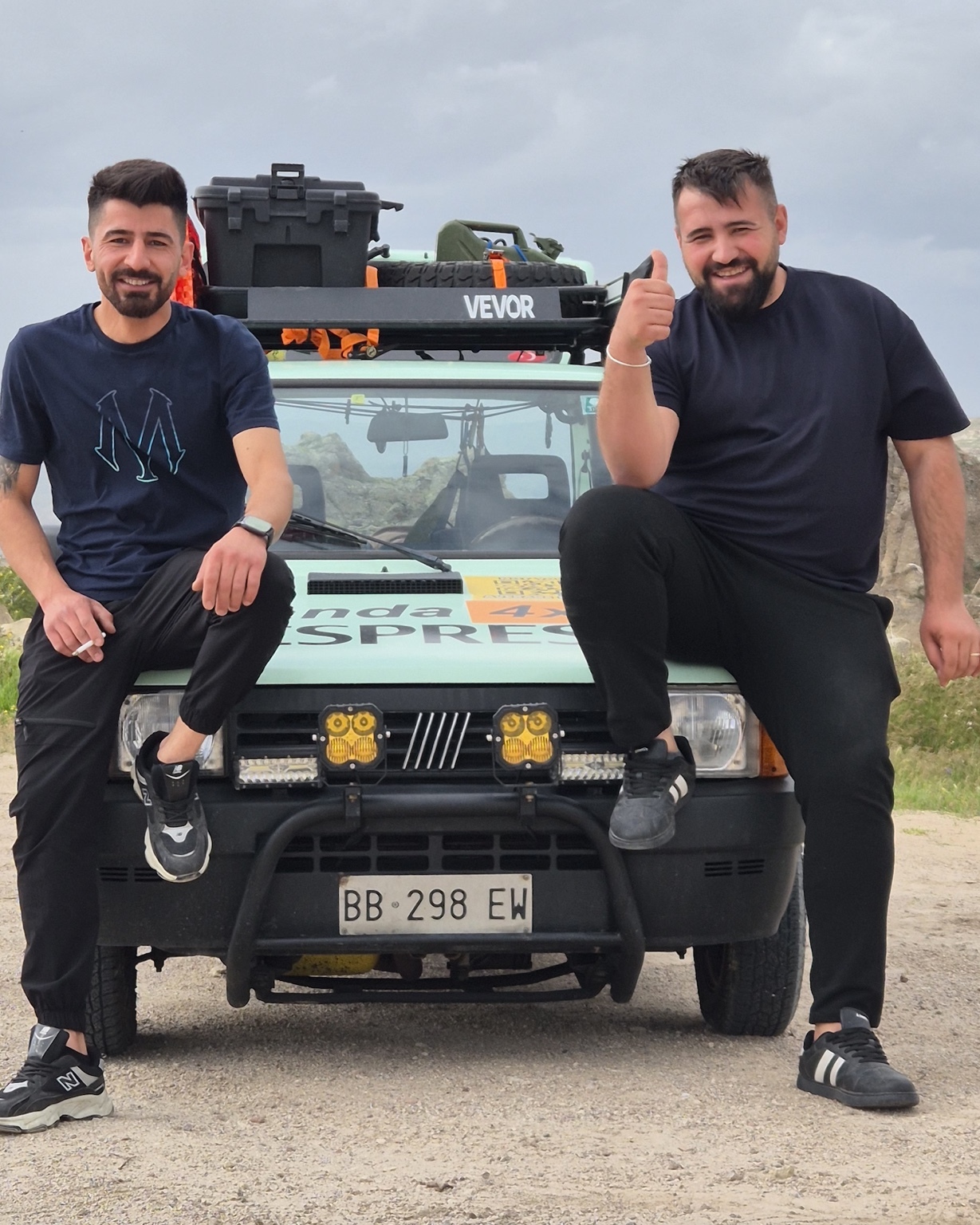
But I like to travel alone, not in isolation. And that’s why this trip quickly turned into a journey with other people, too. I traveled with a German woman for about twenty days, then on my own again, and later spent another ten days with a Dutch couple. After that, my project to produce a documentary film crossed paths with some Swiss people—and then I was on my own again.
So maybe the answer is: start out alone, but stay open to whatever may come. And I’m sure this trip still has a few surprises in store.
Comfort or freedom?
On this trip, I realized that I definitely choose freedom.
Even the freedom to not have to use a toilet—which basically consists of a hole in the ground, a small hut over it, and a smell that can ruin your whole day. Then, the freedom to relieve yourself in a flower meadow almost becomes a luxury.
But if freedom sometimes came with a hot shower and a clean bathroom, I definitely wouldn’t complain.
When something goes really wrong…
When something goes really wrong, I first try to figure out if I’m okay. Whether I can move, whether I’m still breathing, whether the car is still with me, and whether it can somehow be fixed. If I don’t have to call for international roadside assistance and the Panda can somehow be gotten back on the road, then maybe the problem isn’t that big of a deal after all.
On this trip, something is constantly going wrong. But since I had no imminent deadlines and no money, there was no reason to panic or to have to solve everything immediately without first thinking about what to do. And there wasn’t even the fear of losing money, because I didn’t actually have any.
What’s one thing that’s sure to drive you up the wall when you’re on the road?
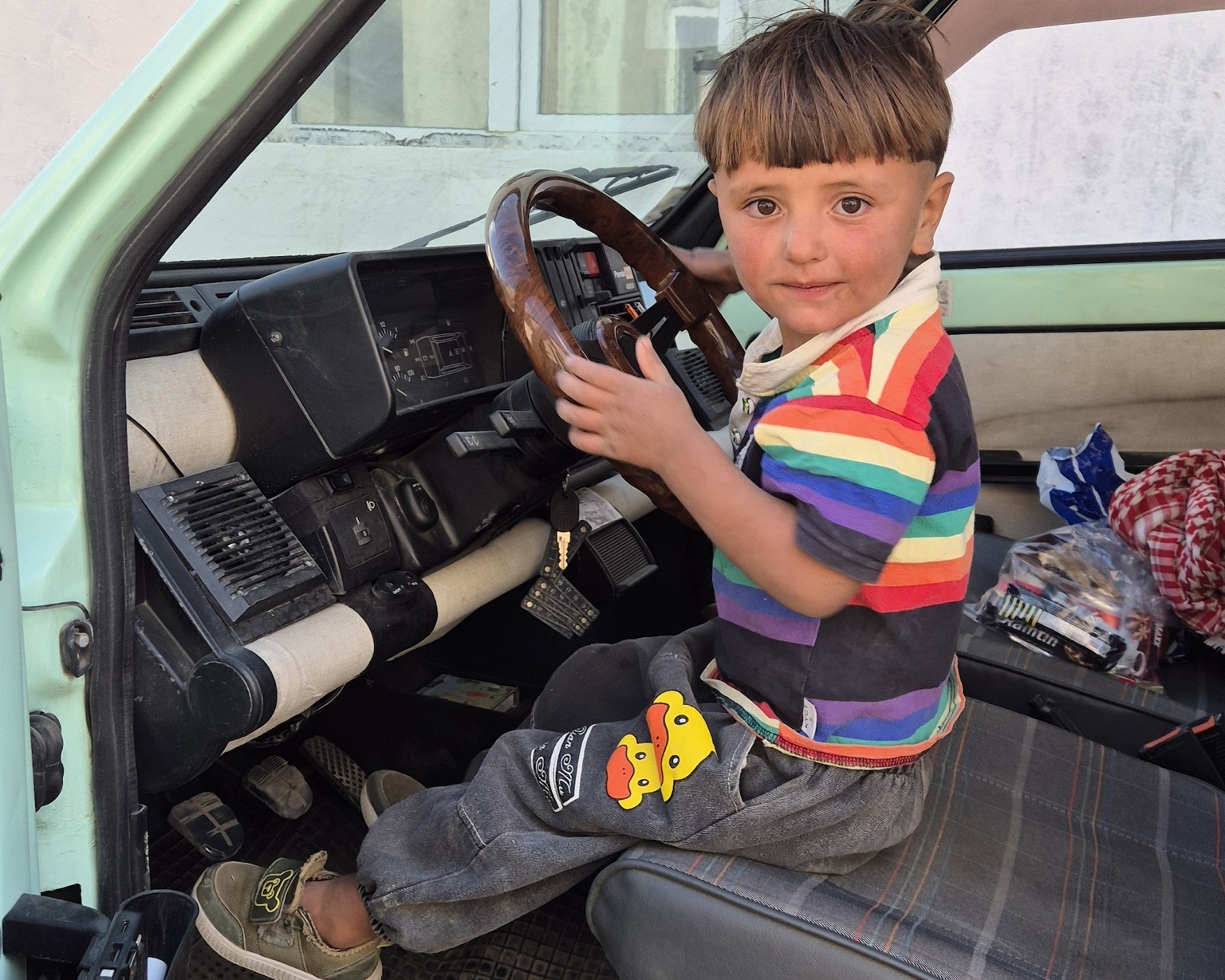
The fact that every time I stop somewhere in this part of the world, I hear the exact same phrases.
For the past four months, I’ve been automatically responding to: “Откуда?”—“Where are you from?”, “Ты говоришь по-русски?” – “Do you speak Russian?” And then comes the inevitable comparison: “Fiat Panda, как Жигули?” – “Is the Fiat Panda like a Zhiguli?”
Often I just look people in the eyes for ten or fifteen seconds without saying anything, because in my head I just want to scream or run away. Then I use those seconds to remind myself that I should be a polite person.
Which is harder for you: setting off or coming back?
Setting off wasn’t difficult for me. Actually, it was the very spontaneous result of a phase in my life and the natural development of this project. I didn’t see it as a difficulty, but as something completely normal. At some point, it just felt like the right thing to do.
Coming back, on the other hand, is something I have yet to truly experience. But it will probably be the hardest part. Because you’ve experienced too much to come back exactly the same as you were before.
I’m sure many people are waiting for me and will have a lot of questions that I, unfortunately, can’t really answer. Because you can’t recount a journey like that in one evening over a bottle of wine.
Of course, there will be funny stories. But I think coming back will be the most complicated part, because an experience like that changes you on the inside—the way you view yourself, other people, and life.
“You’ve experienced too much to come back exactly the same as you were before.”
What's one thing you really want to experience?
Maybe the satisfaction of making it home.
Not just physically arriving, but returning in the same car I set out in. And being able to realize that, with very few resources, by traveling this way, and without giving up, I’ve actually made it this far.
That’s the hard part right now. I’m on my way back. And when you know that home is finally in the right direction, you just want to run toward it. But I have to remind myself that I’m still traveling.
I also want to be able to experience the return journey—and not just turn it into a race home.
What dish do you cook over and over again while on the road?
Pasta, of course. I’m Italian—I have to live up to at least one stereotype.
Usually pasta with tuna, tomatoes, onions, and whatever vegetables I can find along the way. Otherwise, I often cook rice, instant noodles, or potatoes. Especially potatoes, if someone offers them to me.
Once in Kazakhstan, I traded a kilo of pasta for about ten kilos of onions. Then I traded those onions for a dinner. That, in turn, gave me food poisoning.
I’d call it a culturally enriching exchange.
What are the three things you can never be without when you're on the road?
- Tools, duct tape, zip ties, and anything else that can turn a mechanical problem into a “Maybe I’ll make it to the next town.”
- Something to tell or capture the story: a phone, camera, drone, notes, paper, pen, or anything that can preserve a piece of the journey.
- Room for the unexpected. Because in the end, the best things almost always happen when you’re not planning for them.
LUCA & PANDANNA
Luca Orlandi
28 years old
Brescia, Italy
Vehicle: Fiat Panda 4x4
Year built: 1998
Name: Pandanna
Project: Panda Project
Instagram: @lucaorlandi____
YouTube: PandaProject-Luca
Website: panda-project.it