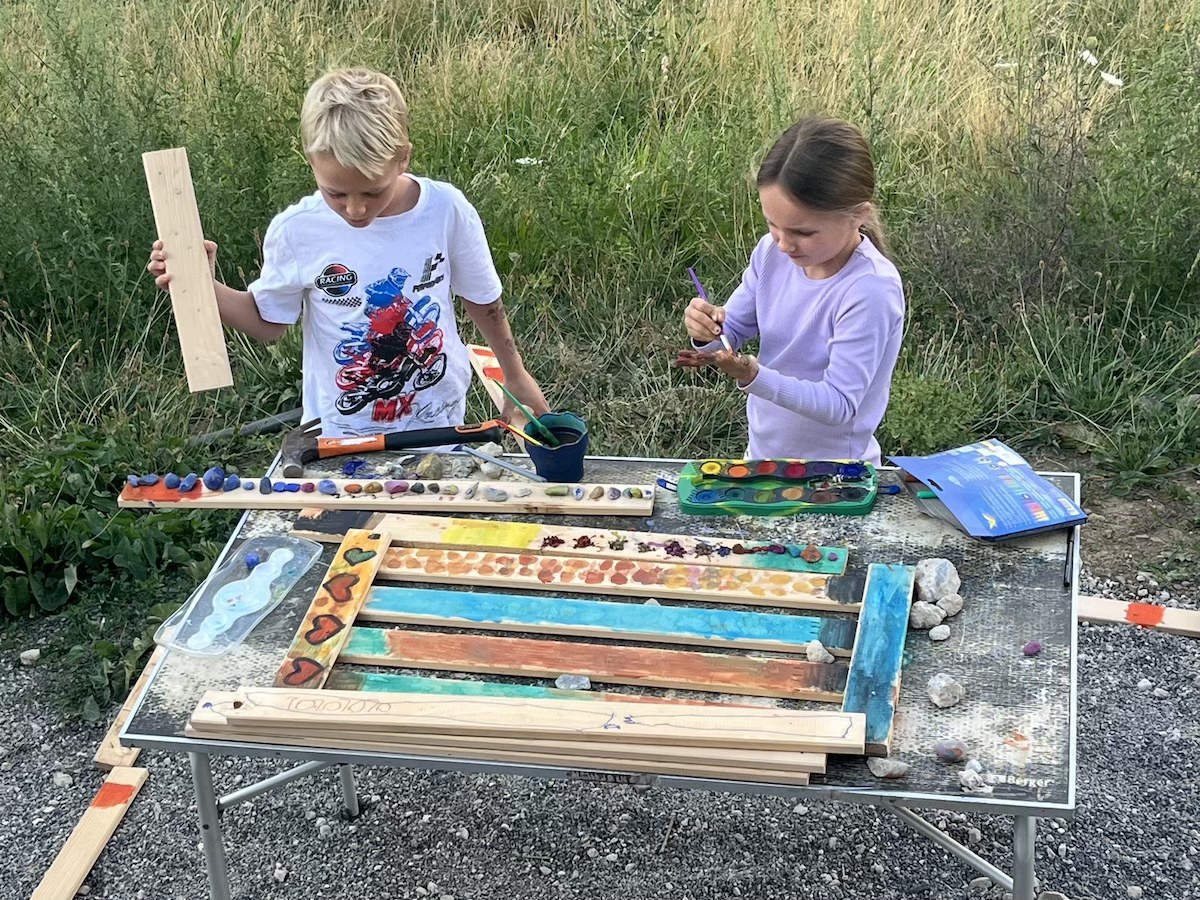
Romy Müller and her family spent four years traveling through Europe and Africa in their expedition truck, “Ellie.” While they worked remotely, they also faced a very practical question: How can children learn when the family doesn’t have a permanent home? Remote work thus gave way to remote learning—and the family’s experiences, in collaboration with ArcoBern, led to the creation of the Swiss online learning community ArcoOnline.
There was one question Ellie & the Family were asked particularly often while on the road:
“So how do you actually make a living?”
The answer begins in Switzerland. From there, Romy, her husband Mario, and their two children set off on their multi-year journey in Ellie, a Mercedes 1429 expedition truck. The route took them through Europe, Turkey, and Morocco, then through West Africa, continuing southward all the way to Namibia.
Their house became a truck, their children’s rooms became bunk beds, and their predictable daily routine turned into a life where it wasn’t always clear in the morning what the day would bring. The family slept in places they could hardly have pointed out on a map beforehand, drove on rough dirt roads, crossed borders, met people, and kept changing their plans.
From the outside, that looks a lot like freedom. But freedom doesn’t fill your stomach or your gas tank.
Even on the road, there are bills, groceries, insurance, repairs, and internet. And an expedition truck that needs diesel, no matter how beautiful the scenery happens to be. That’s why Ellie & the Family didn’t set out with a huge travel budget that would simply allow them to live off it for several years. They had to keep earning money along the way. So the short answer to the question is, in fact: They worked. But the longer answer is more interesting.
THERE WAS NO SUCH THING AS THE ONE PERFECT REMOTE JOB
Even before they left, the family had decided not to put all their financial eggs in one basket. Savings, a steady income, and invested capital formed three pillars that would give them enough freedom to avoid being under constant financial pressure while on the road.
Added to this was their mobile cocktail bar, which Romy and Mario ran as a small business in Switzerland. A team continued to manage operations on-site, while much of the work could be organized remotely. When it became clear that the family would be on the road for longer, they sold the cocktail bar.
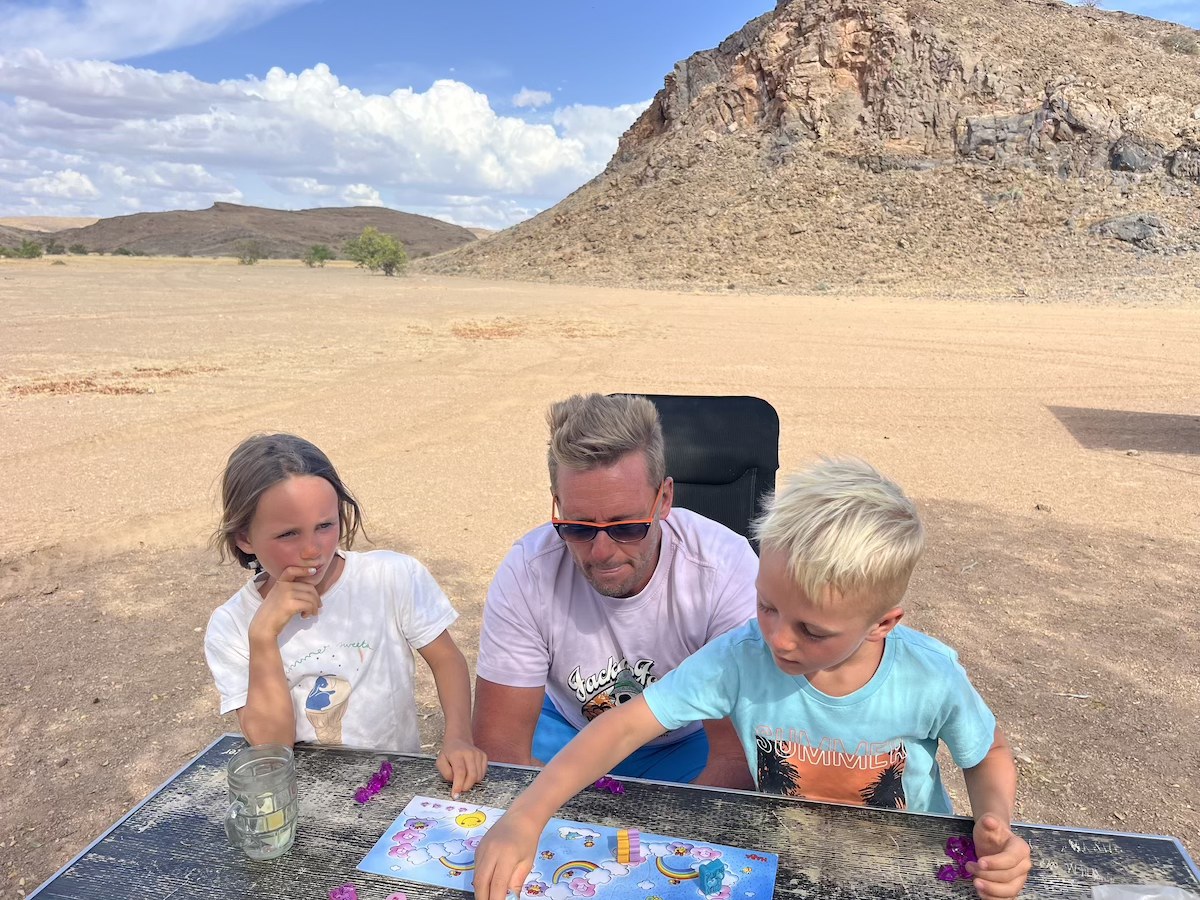
At the same time, Romy had increasingly structured her own work so that she could do it from anywhere. As a self-employed virtual assistant, she supported companies with tasks such as organization, back-office operations, customer communication, and digital processes. Her office essentially consisted of a laptop, an internet connection, and a reasonably quiet corner—though with two children in an expedition truck, the latter was certainly a matter of negotiation.
Over the years, working on the road became the norm. Sometimes the laptop was set up in a place where others would go on vacation. Sometimes the kids’ questions, travel planning, and the next border crossing all had to somehow fit into the same workday at the same time. Some sources of income became more important, others faded away, and new ones emerged. And at some point, this improvisation led to a rather fundamental realization:
Location independence doesn’t necessarily come from finding that one perfect remote job. It can also come from starting to shape your work yourself.
It was precisely this idea that would once again become important for the family. Only this time, it wasn’t about work anymore. It was about their children.
THE WORLD PROVIDES PLENTY OF LEARNING MATERIAL
The longer Ellie & the Family were on the road, the more pressing a question became—one that, with two children, can’t be put off indefinitely: How are they actually supposed to learn when their life no longer has a fixed location?
Of course, it’s not possible to do this entirely without formal rules. Whether and under what conditions homeschooling is permitted is regulated at the cantonal level in Switzerland—and the differences are significant. The family is registered in the canton of Aargau, where parents are allowed to teach their children themselves even without formal training as teachers. Other cantons have stricter requirements. Anyone who wants to travel for an extended period with school-age children should therefore first clarify which rules apply where they live.
The first thing that comes to mind is obvious: a schedule, textbooks, homework—just on the go. You take school with you and try to somehow fit the existing system into your new daily routine.
But Romy and her husband noticed something different about their children. They were learning anyway. All the time.
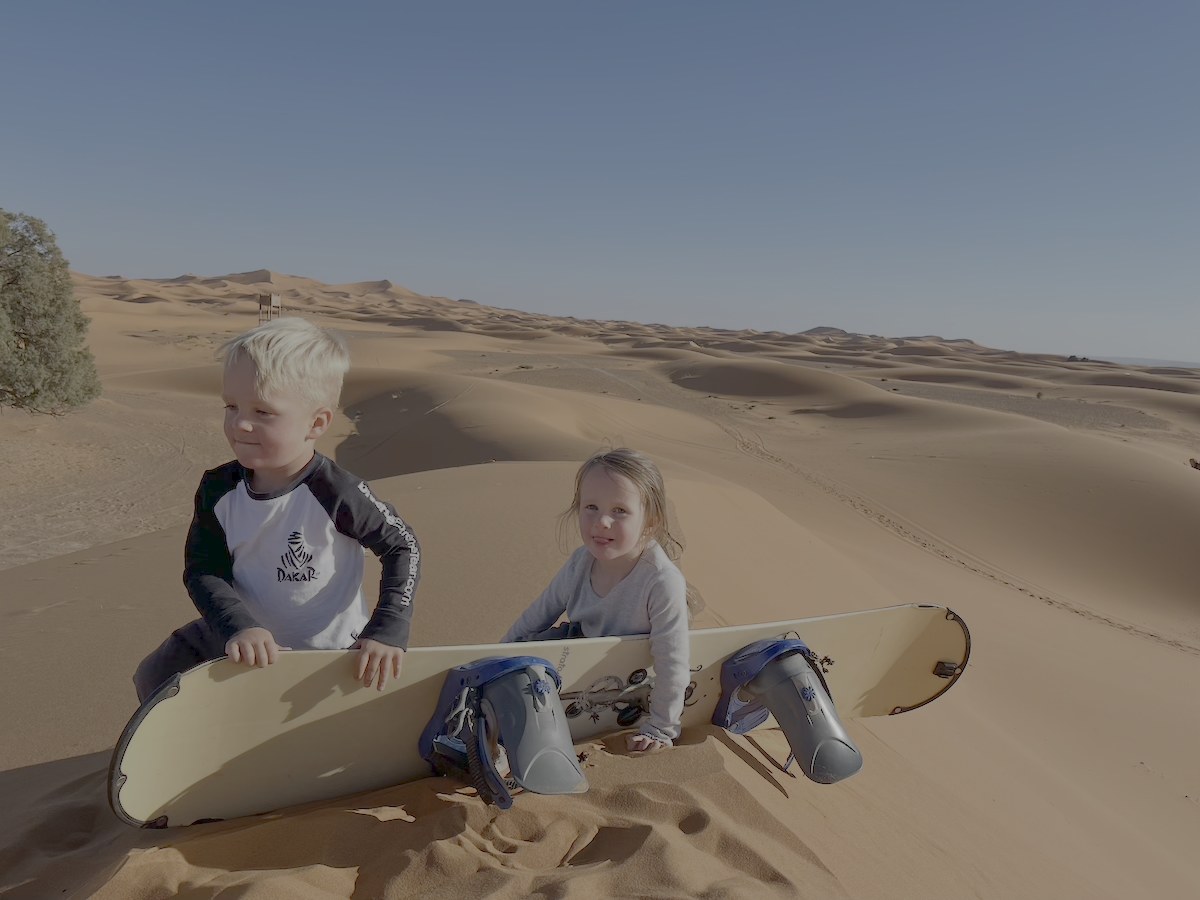
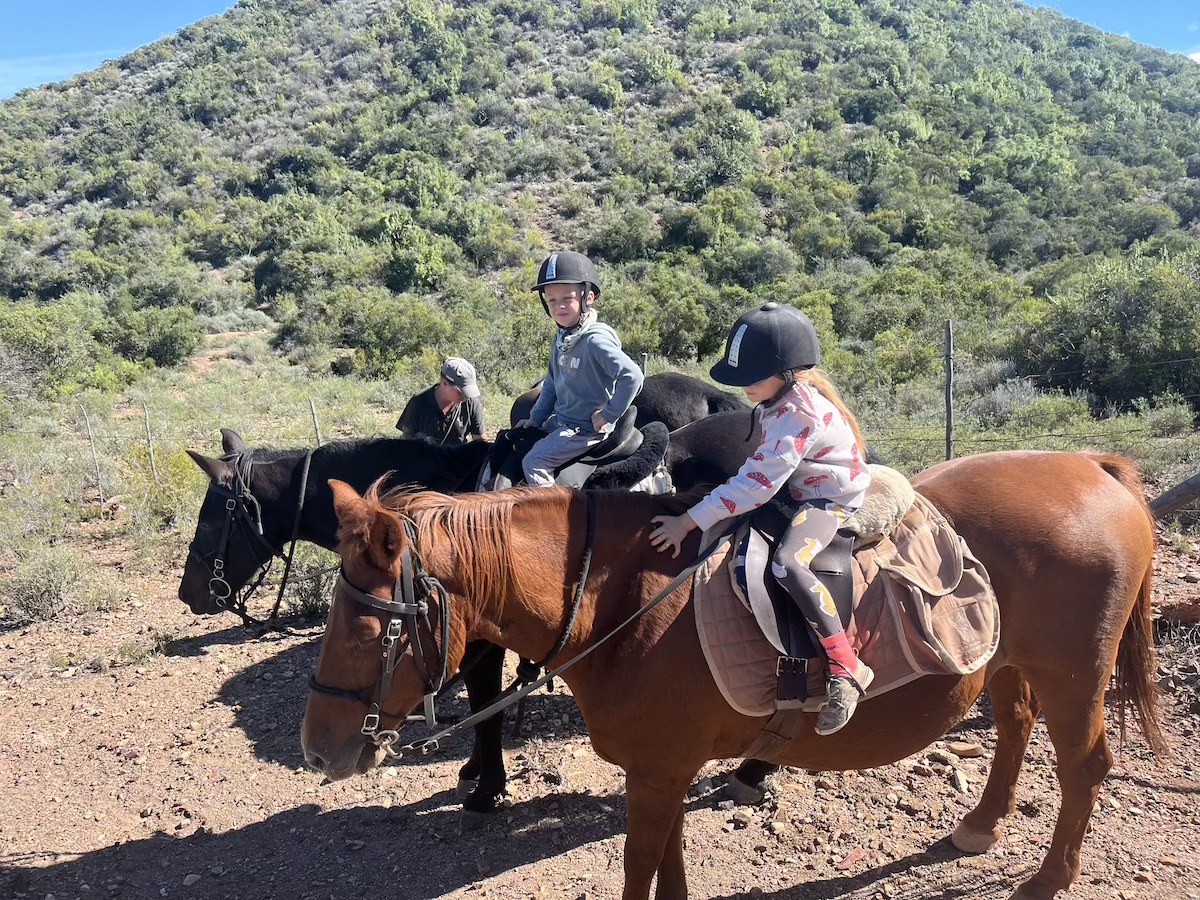
Why do landscapes change? Why do people speak different languages? What animals live here? How does a border work? Why is there hardly any water in some regions? Where does the electricity in the truck come from? And what exactly is Dad doing when he’s fixing something for Ellie?
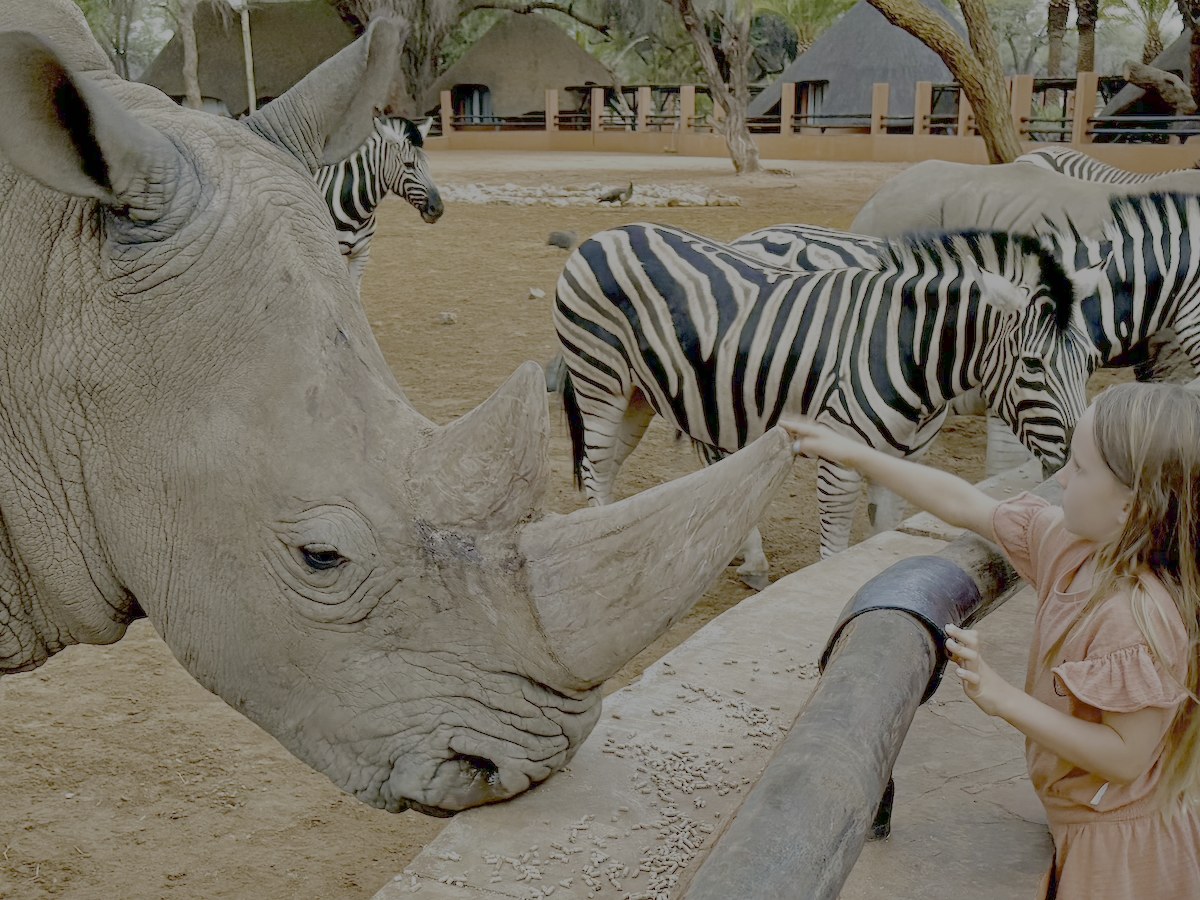
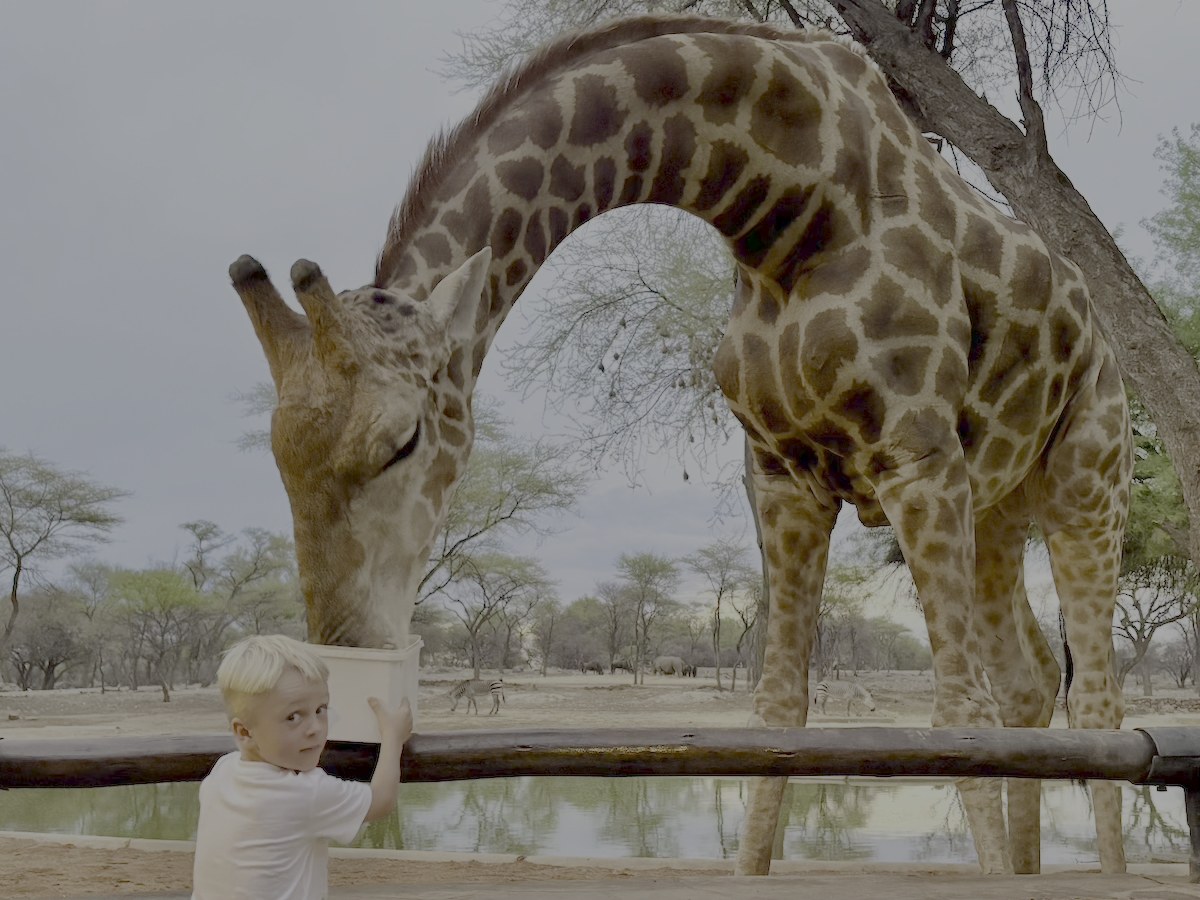
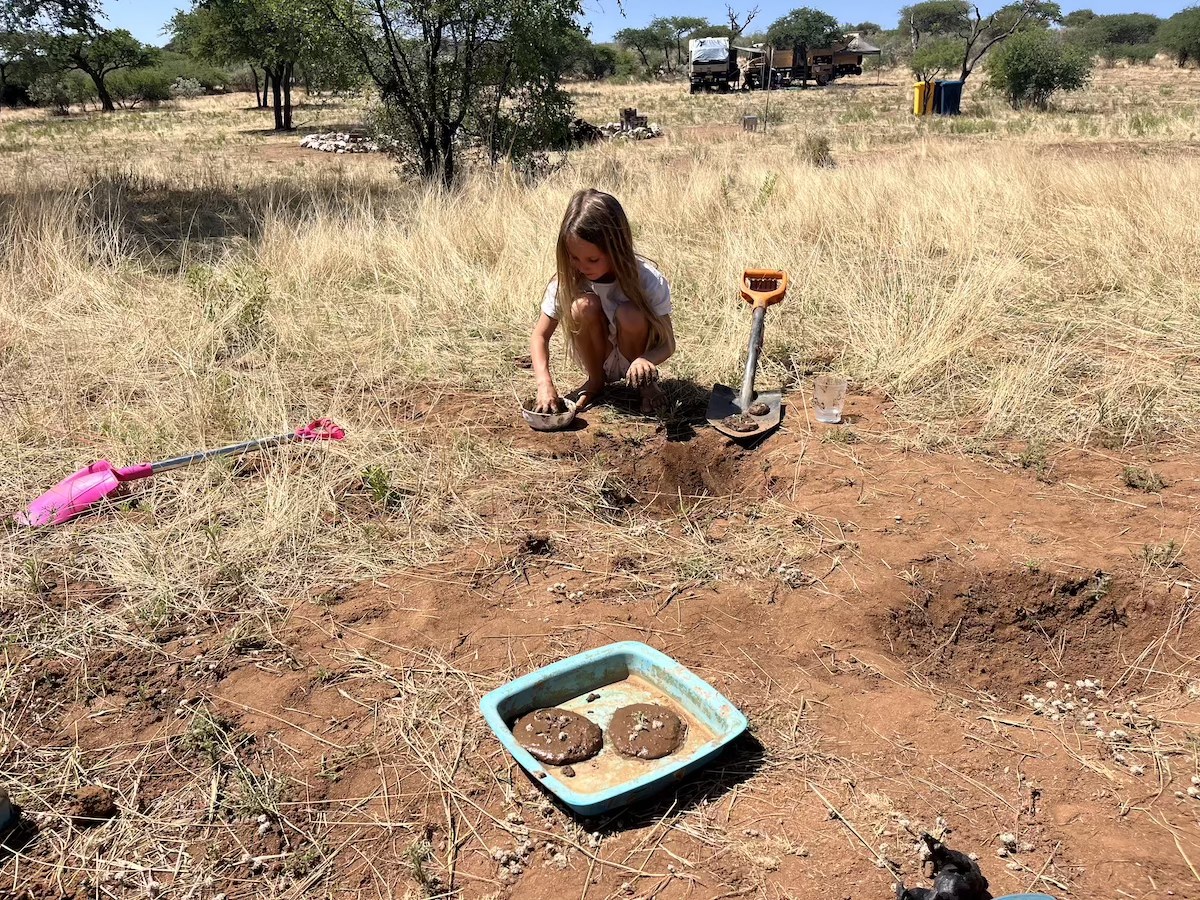
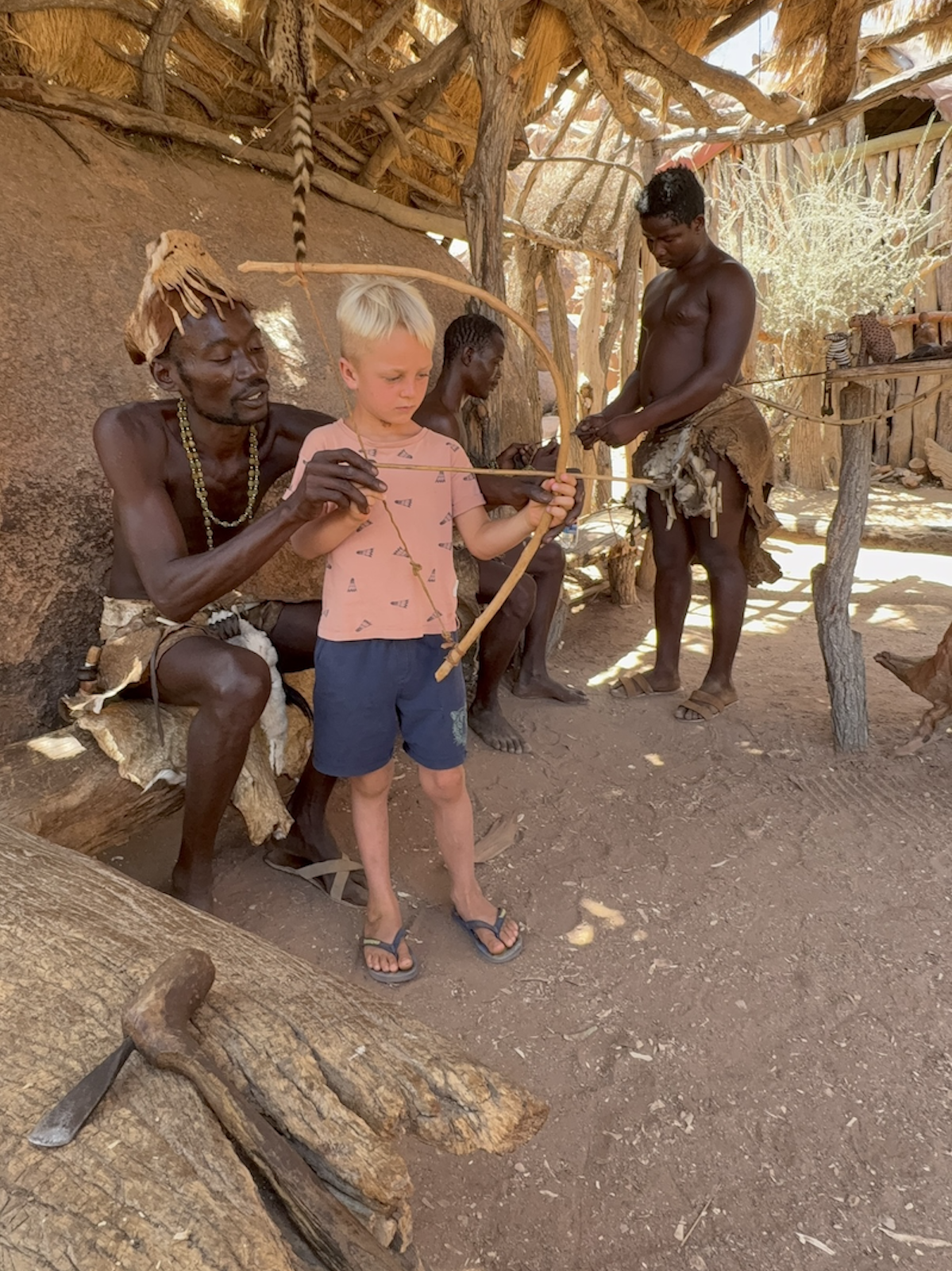
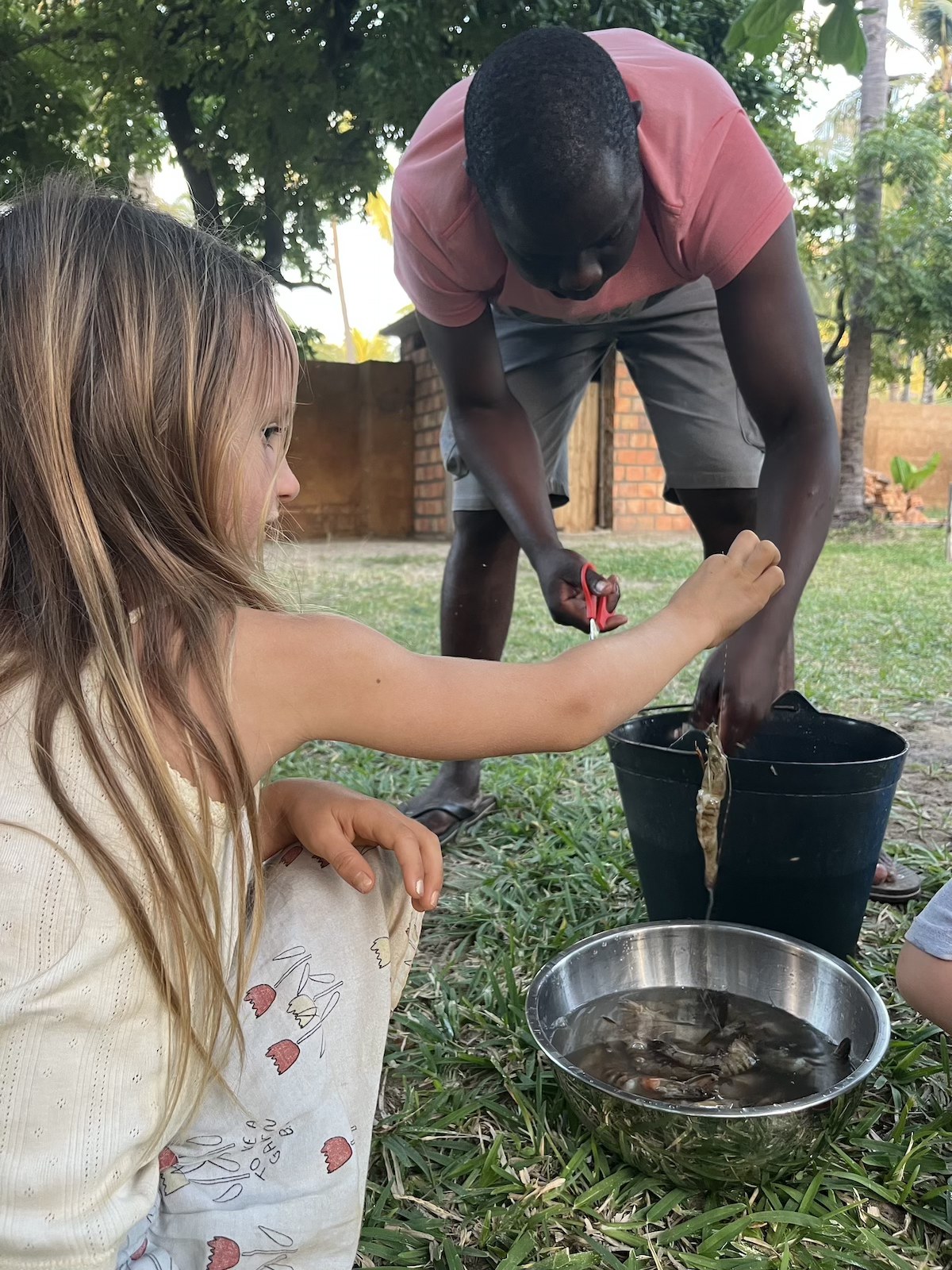
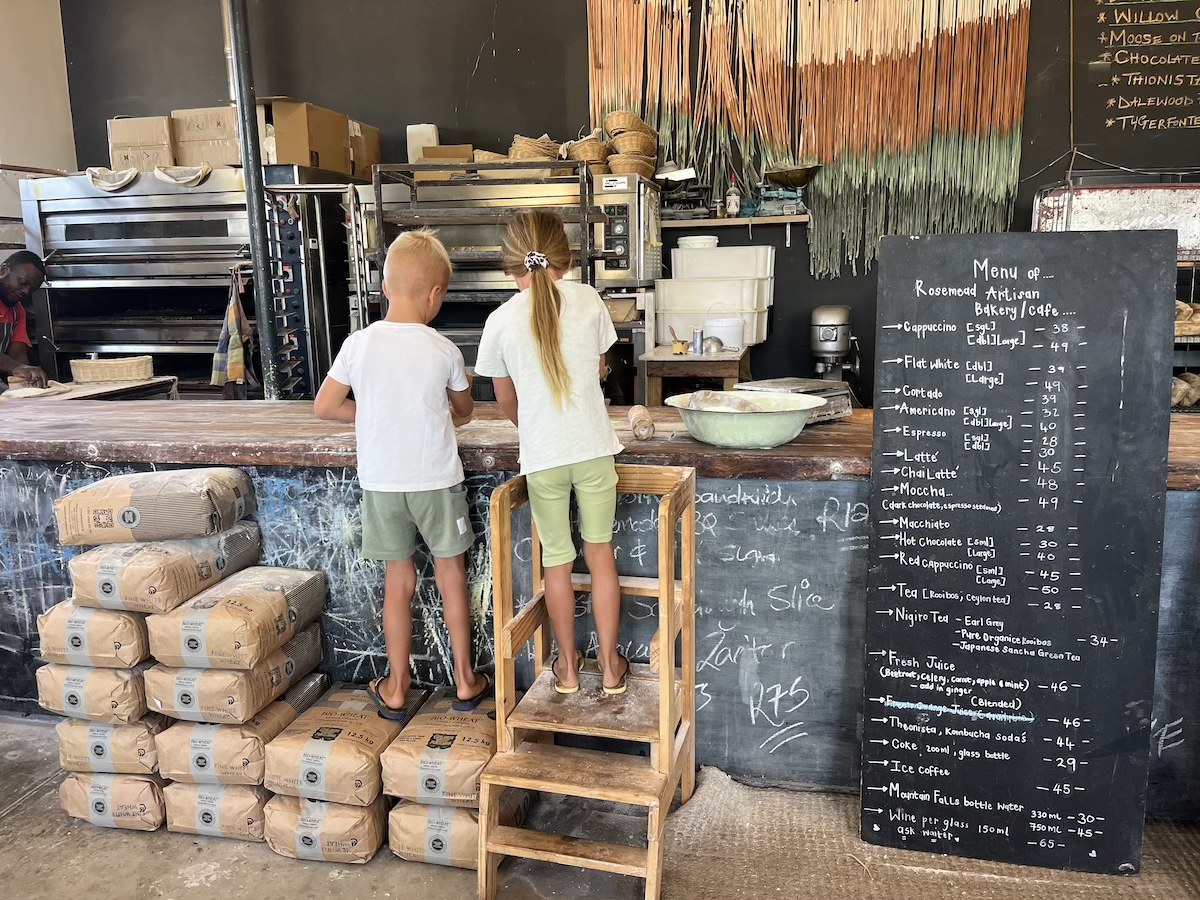
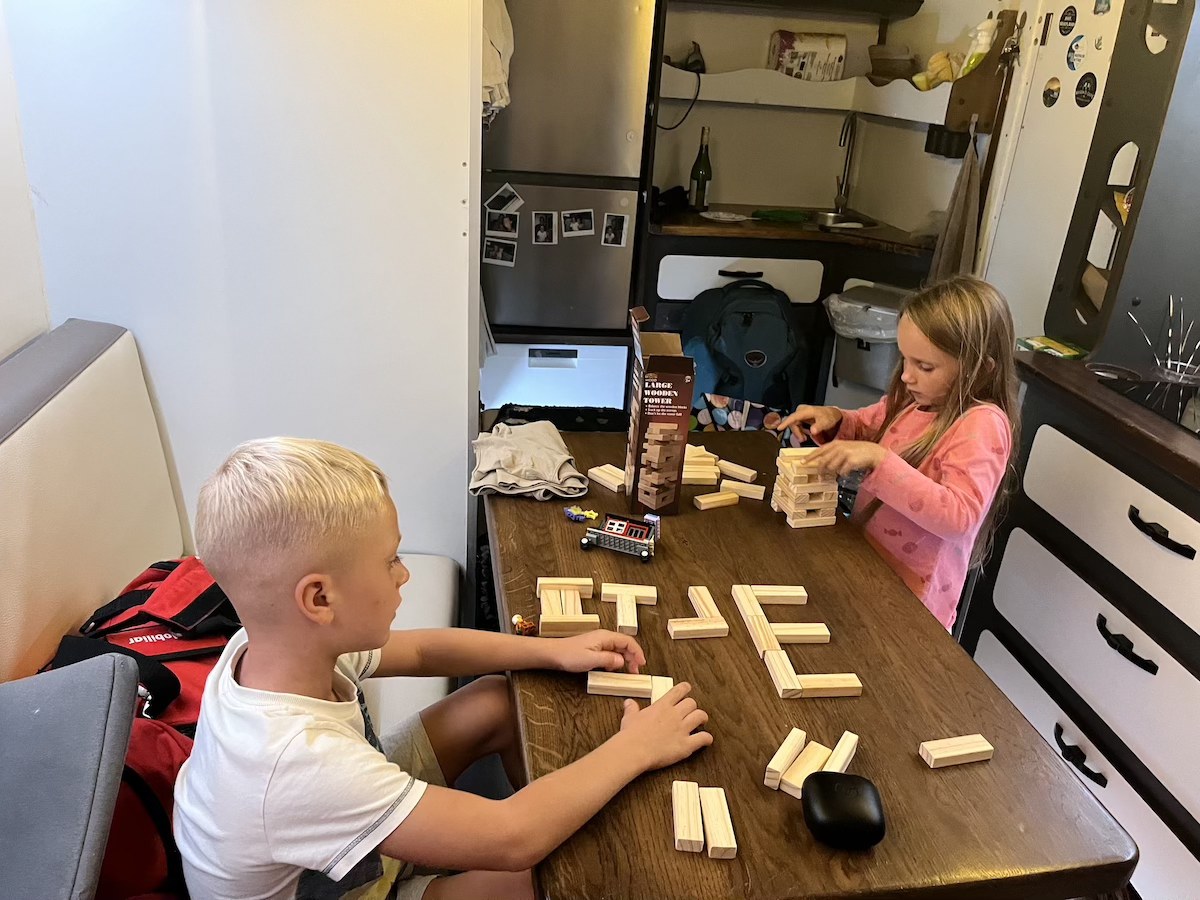
When you travel with children through different countries and cultures, you don’t have to make the world interesting by filling out a worksheet. It’s right there at your doorstep every morning. One question led to the next; sometimes it felt like a hundred came in a single day. Learning didn’t just happen when someone declared it “study time.” It arose from life itself.
That changed the family’s perspective on education. And yet it would be too easy to end the story here with a nice little phrase about the world being a classroom. Because the world is a pretty good classroom. But it’s not a school.
SCHOOL FRIENDS DON'T FIT IN A SCHOOL BACKPACK
By this point, Romy was already familiar with Kirsten Timmer and ArcoBern. Kirsten had founded ArcoBern in Bern in 2005 and developed a learning space there where children don’t just work through material but can explore their questions, interests, and personal projects.
The longer Romy was on the road herself, the more often she found herself asking a seemingly simple question: Why does a learning space like this have to be tied to a specific geographic location?
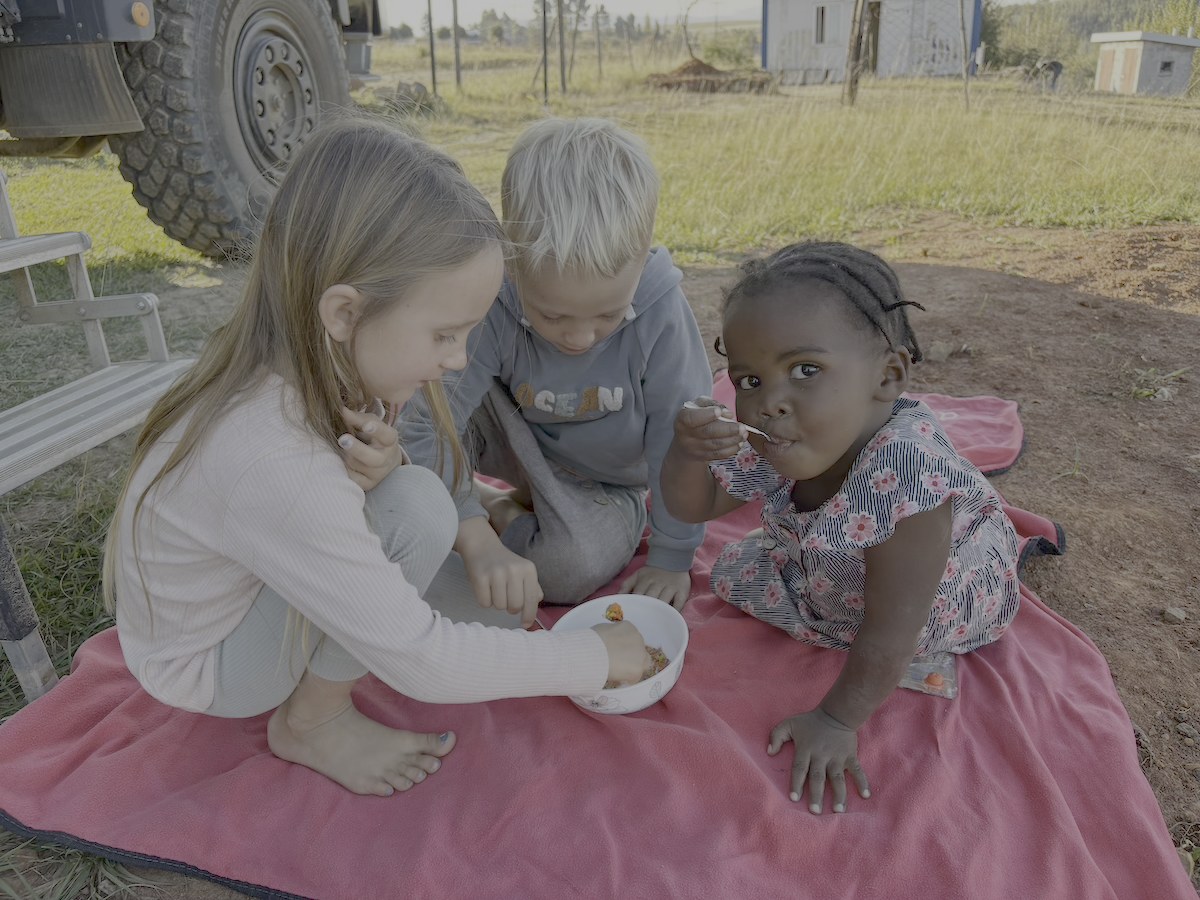
Ellie & the Family weren’t alone in facing this problem. While traveling, you encounter families on long-term trips, people who live across multiple countries, expats, homeschooling families, and digital nomads. Many find ways to enable their children to learn regardless of location.
School materials can be taken along. Books, too. Assignments can be sent digitally, and lessons can be organized online. It gets more difficult when it comes to something else: community.
Meeting other children regularly, working on things together, exchanging ideas, and exploring questions further. And having learning mentors who don’t just assign tasks, but recognize, address, and deepen children’s interests.
So the problem wasn’t simply: How do we bring school online? The more interesting question was: What do children need for effective learning—and how much of that actually has to be tied to a specific location? At this point, work and learning suddenly confront the same question.
In their work, the family had long since stopped thinking only about where work had to be done. What had become much more important was what needed to be in place for work to function. When it came to their children’s learning, they began to ask the same question.
LOCATION-INDEPENDENT LEARNING DOESN'T MEAN SIMPLY DIGITIZING SCHOOL.
Based on these considerations and ArcoBern’s existing educational approach, an idea gradually took shape. The idea became a project. The project became ArcoOnline.
ArcoOnline is a Swiss online learning community for children and teens, built on ArcoBern’s more than 20 years of experience. From the very beginning, the goal was not simply to transfer traditional schooling to a screen. Rather, the key was to make possible what Romy had recognized as particularly important during her travels: community, personalized learning support, and space for the children’s own interests and questions.
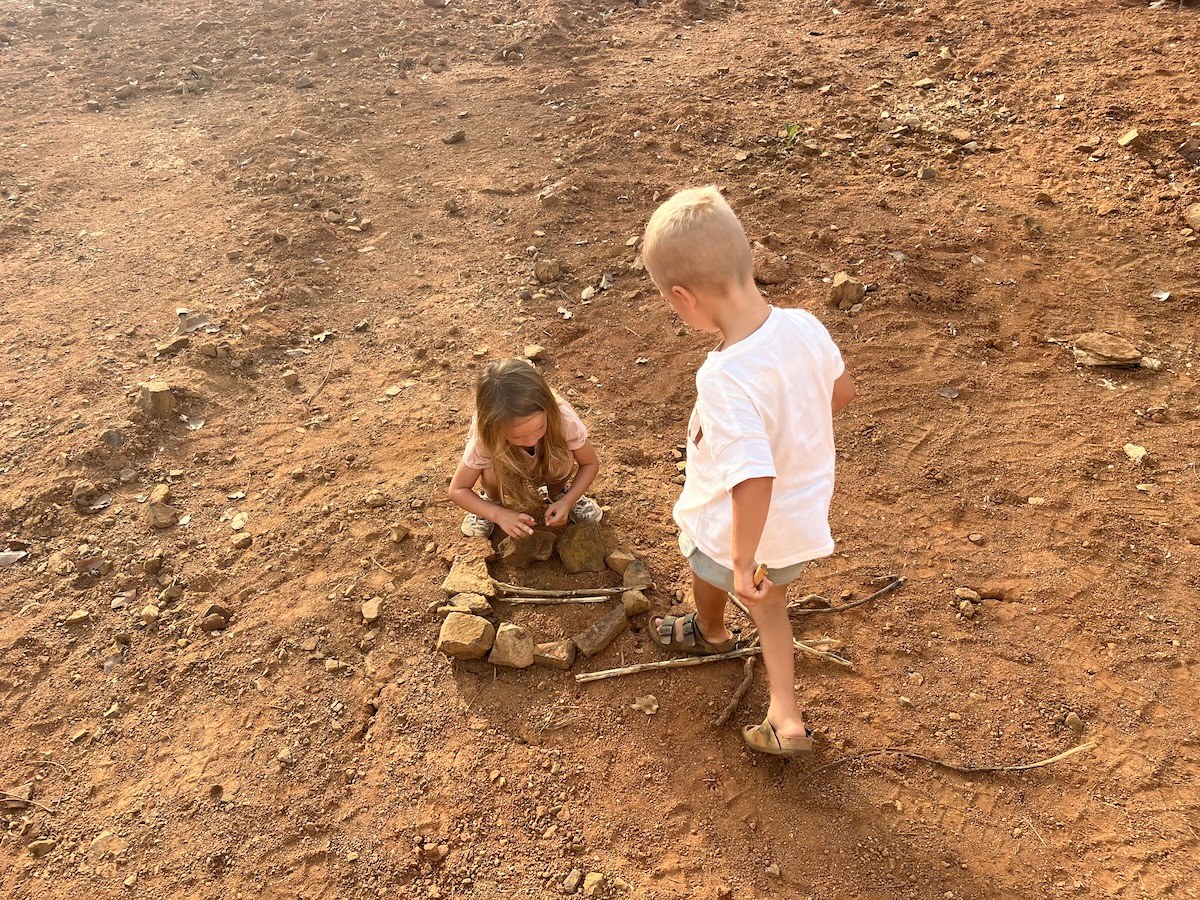
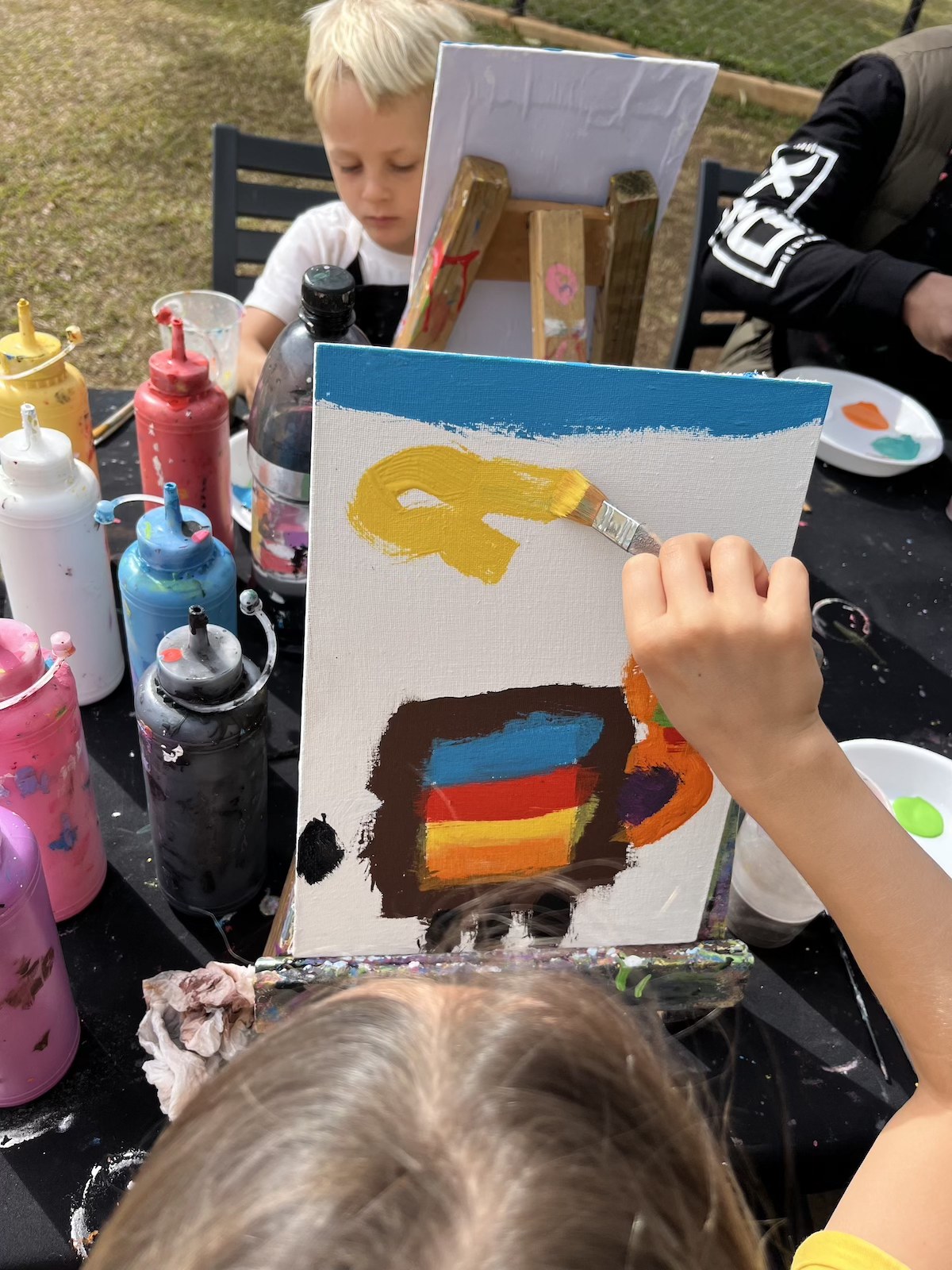
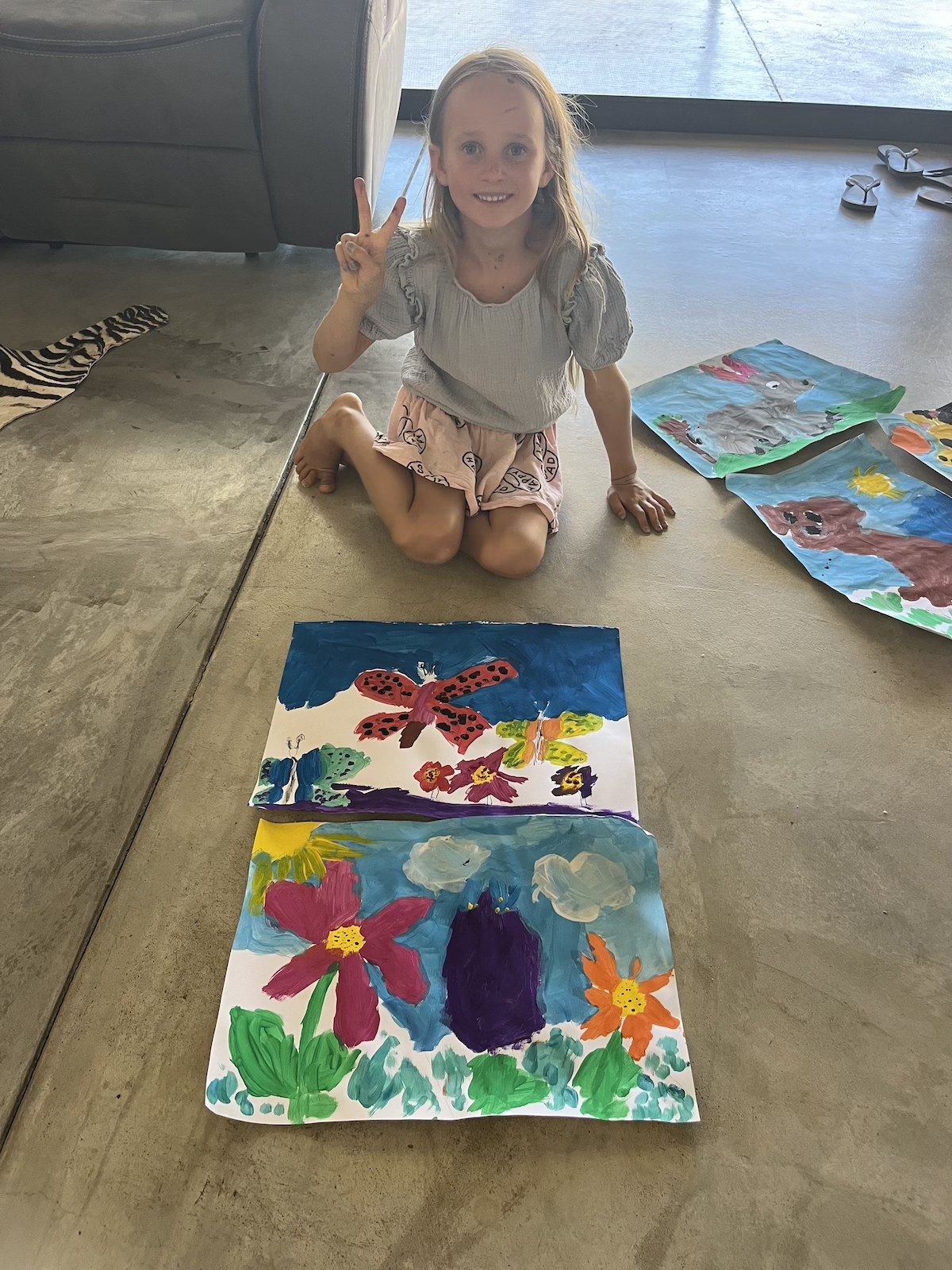
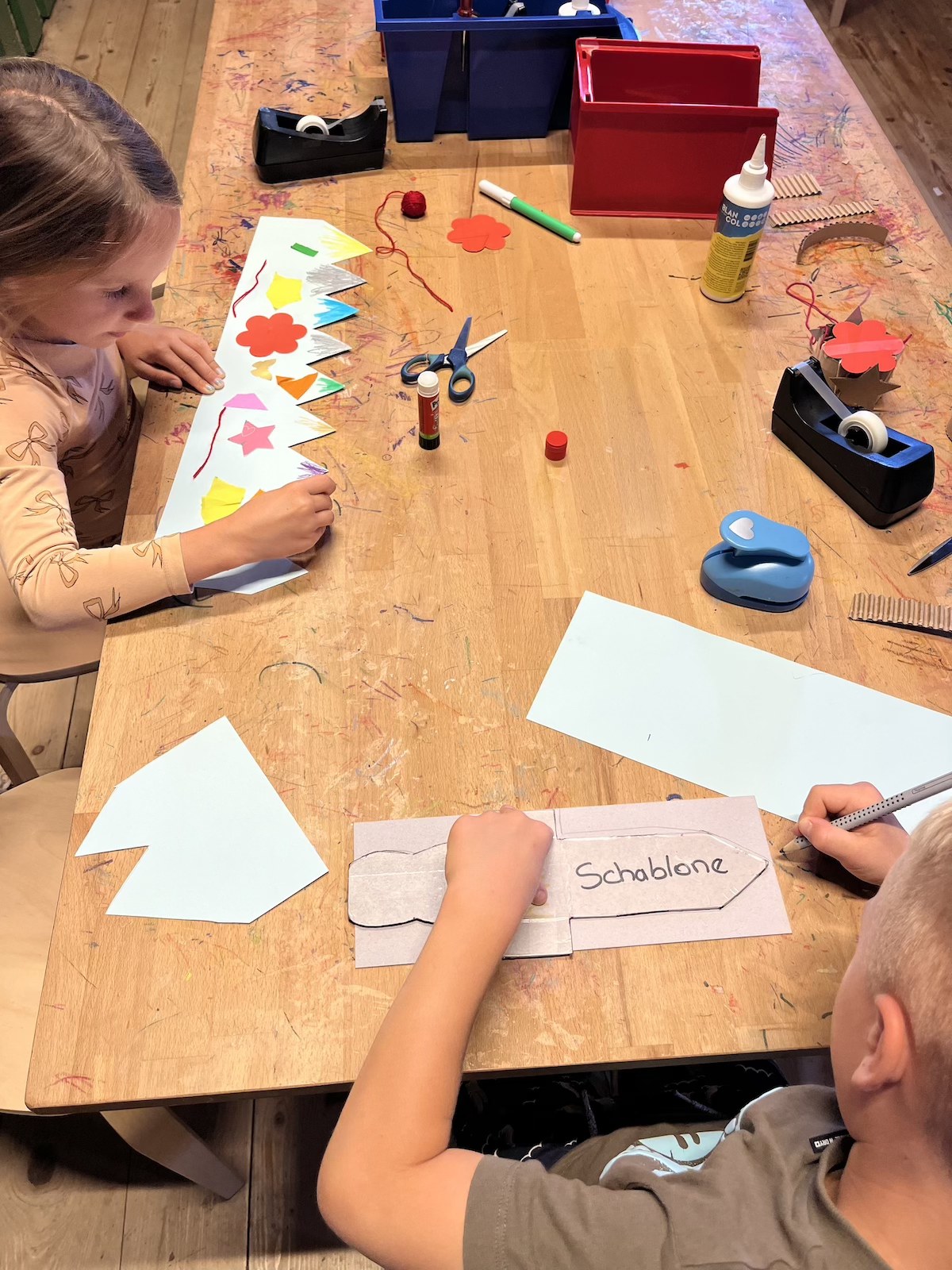
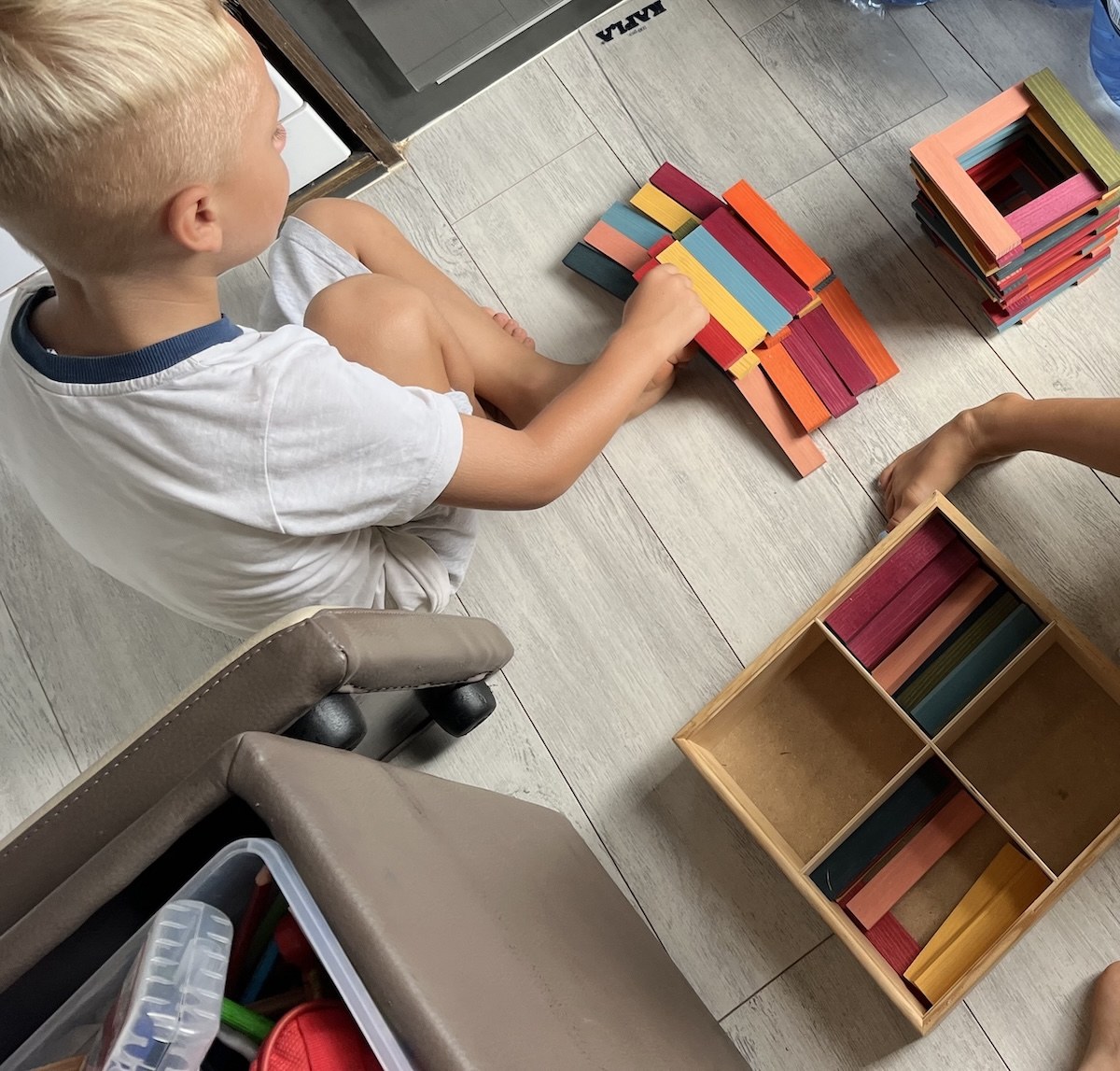
At ArcoOnline, children therefore learn in a project-based and interest-driven way. They work on their own and shared topics, regularly meet with other children, and are guided by learning mentors. Various “labs” create space for them to discover, experiment, and explore topics together.
Perhaps the best way to understand the idea behind this comes from Romy herself:
“The screen isn’t the place for learning. It’s the meeting place.”
Learning happens everywhere—at the kitchen table in Switzerland, on a finca in Spain, in a house in Namibia, or perhaps even under the awning of an expedition truck. ArcoOnline isn’t trying to move the classroom onto the internet. Rather, the digital space is meant to bring together what is separated by geographical distance. And suddenly, what started as a rather specific story about a Swiss family in an expedition truck becomes a much bigger question.
WHAT IF WHERE YOU LIVE NO LONGER DETERMINES EVERYTHING?
You don’t have to spend four years traveling through Africa to think about education. And most children will continue to attend classes at a school. That’s not even the point. What’s interesting about the experience is something else: a radically changed daily life forces you to question things you’d hardly ever thought about before.
At work, we’ve been having this discussion for a long time. Tasks that for decades were automatically tied to a specific workplace can now be done from various locations. Not always, not everywhere, and certainly not for every profession. But often enough that our idea of what a workplace actually is has changed.
When it comes to learning, this discussion is less obvious. If a child’s place of residence no longer automatically determines where they learn—which aspects of school are then truly essential?
Our experience on the road didn’t provide a simple answer. Rather, it showed quite clearly that learning isn’t just about school material. Especially when the fixed learning location is no longer there, community, guidance, interaction, and commitment become all the more important.
ArcoOnline is one possible answer to this. And above all, it’s one that didn’t originate on the drawing board with the question of which business idea might work. It arose from a problem that Romy herself had experienced.
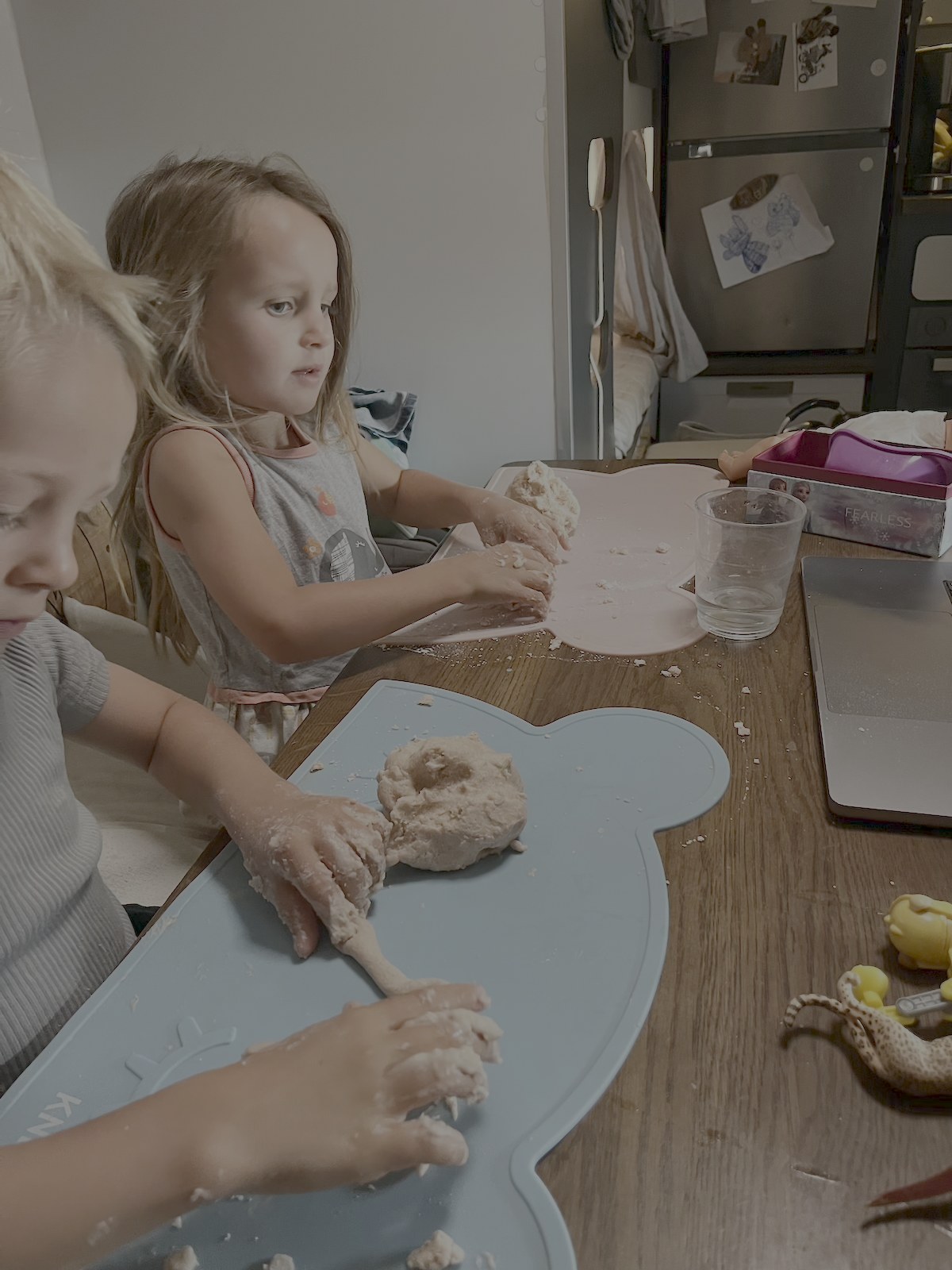
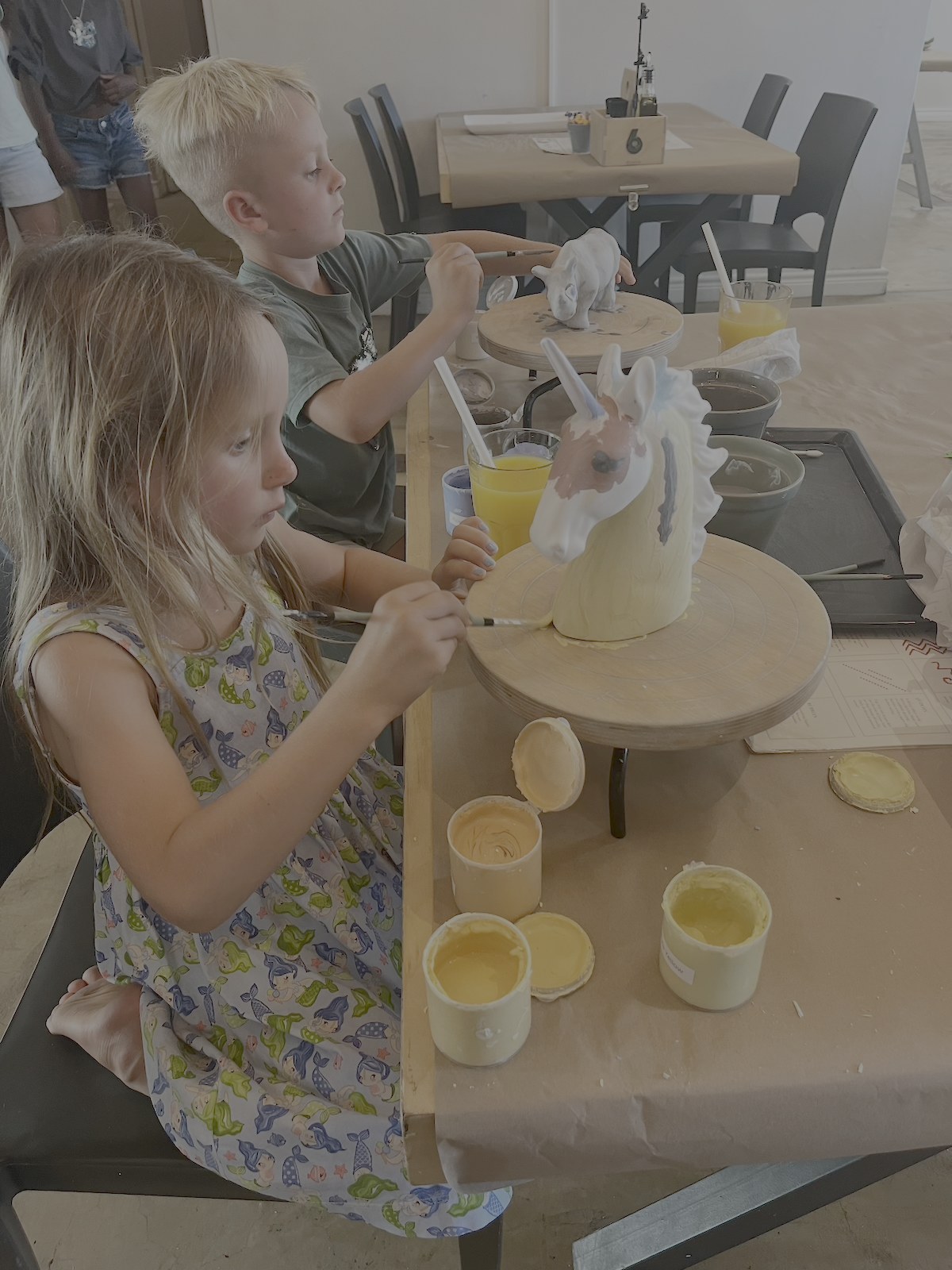
LET'S HIT THE ROAD. AND THEN WE'LL START A SCHOOL.
Of course, that wasn’t what the travel plan called for. When Ellie & the Family left Switzerland, they wanted to travel. They had to find a way to finance this lifestyle, so they began to adapt their work more and more to their lives, rather than organizing their lives entirely around their work. Then there was the matter of their children’s education.
And that’s exactly when the same thought resurfaced: Maybe you don’t necessarily have to look for the one existing model that somehow fits. Maybe you can start shaping the conditions yourself. Looking back, the development seems surprisingly logical. Along the way, it was probably much less so.
ArcoOnline emerged from conversations with other families, from experiences on the road, from observing our own children, and from the question of what learning might look like if where you live didn’t automatically determine the opportunities a child has.
Perhaps that is precisely one of the more interesting side effects of a long journey. You set out because you want to see other countries. And at some point, you start to view your own life through a different lens.
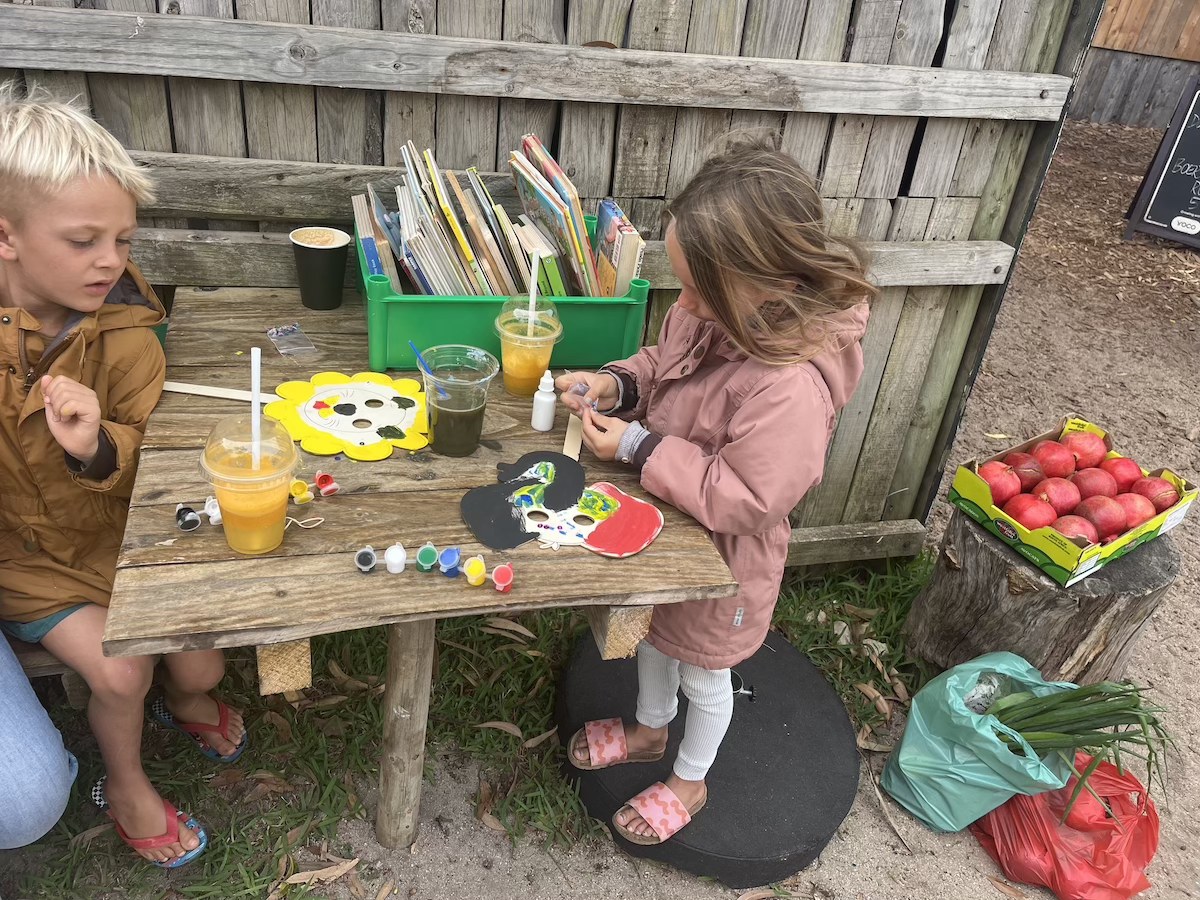
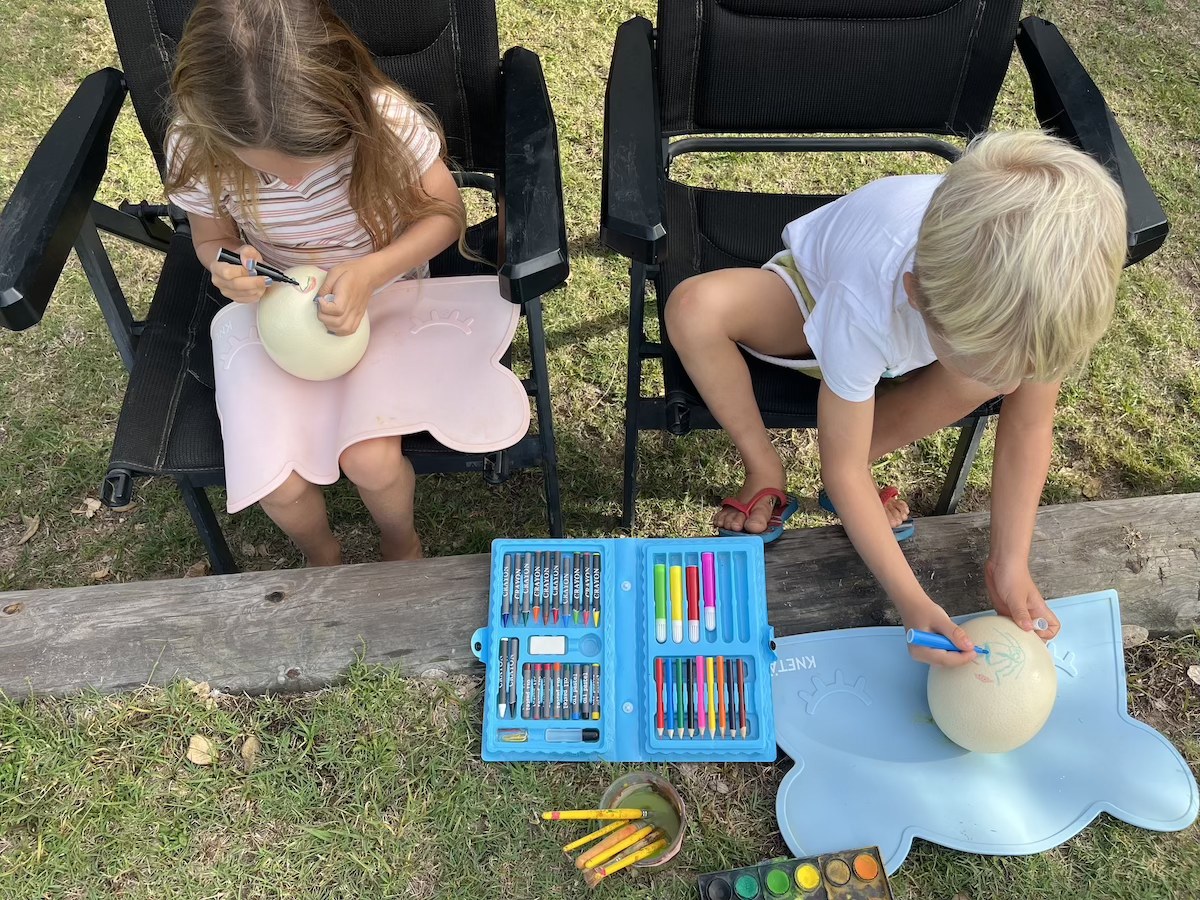
FREEDOM IS NOT A PERMANENT VACATION
Today, the family has built a second home in Namibia—but they haven’t stopped traveling. Between Namibia, Switzerland, and other stops along the way, their lives have long since ceased to be tied to a single place. The image of a perpetual “dropout” lifestyle therefore doesn’t really apply to their lives.
They work, organize, make phone calls, plan, write, make decisions, and improvise quite a bit. That’s why Romy doesn’t describe freedom as a state where you wake up in the morning and don’t have to do anything. For her, freedom means having more control over where, how, and what she works on.
When it comes to her children’s education, too, the goal isn’t to have as little school or as little studying as possible. On the contrary. The children are encouraged to explore knowledge, ask questions, try things out, fail, think things through, and experience that learning has something to do with them and their own lives. As a result, traveling, working, and learning end up surprisingly close to one another.
With all three of these things, Ellie & the Family eventually stopped asking exclusively, “How is this normally done?” and instead asked, “How could it work for us?” This question has taken the family quite far—geographically, of course, but above all to a place she wouldn’t have been able to find on any map when she set out with Ellie.
A house turned into a truck. A fixed job turned into location-independent work. The question of how to educate their own children gave rise to an online learning community.
And a journey that was actually supposed to take them out into the world ultimately brought them back with a pretty good question: What would we do differently if we didn’t already think we knew how it had to be done?
ELLIE & THE FAMILY
Romy Müller, her husband Mario, and their two children are Ellie & the Family. Their journey, which spanned several years, took them from Switzerland through Europe and Africa to Namibia in their expedition truck, Ellie—where the family now calls home. Romy works remotely and is a co-founder of ArcoOnline.
→ Learn more about Ellie & the Family
ARCOONLINE
ArcoOnline is the Swiss online learning community that grew out of the experiences and questions described in this field report. There, children and teens learn through project-based and interest-driven activities, work on individual and collaborative topics, and connect with other children and learning facilitators in various labs.
AND ELLIE?
Ellie took the family all the way to Namibia—but the Mercedes 1429 can’t stay there. Since the vehicle can’t be imported into Namibia, the expedition truck—with its now-rare V8 engine—is currently for sale on the OLLI Marketplace.